Chias Brothers Europe Sp.Z O.O. — Supplier
About Chias Brothers Europe Sp.Z O.O. - Agriculture Supplier in Poland
Poland is the base for Chias Brothers Europe Sp.Z O.O., which lists six active products in its catalogue. The company’s portfolio includes pineapple juice concentrate, ethylacetate decaffeinated tea, green tea, curcuma roots, camomile flowers and baobab fruit pulp. These items are classified under the agriculture category and represent typical plant‑derived raw materials for food and beverage applications. The catalogue does not provide HS codes, but the products correspond to standard HS chapters for fruit preparations, tea and herbs. The active product count of six reflects a focused range of botanical ingredients.
The supplier’s product set covers both liquid concentrates and dried botanical materials, allowing buyers to source a variety of processing inputs from a single source. Each item is listed without specific certifications, so buyers should verify compliance with relevant food safety standards before purchase. The range is positioned for importers handling bulk shipments to food manufacturers, nutraceutical producers and ingredient distributors. Geographic focus remains on Poland as the origin, with the EU framework governing export documentation.
Product Range and Specialties of Chias Brothers Europe Sp.Z O.O.
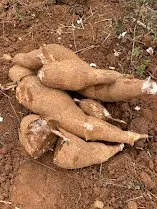
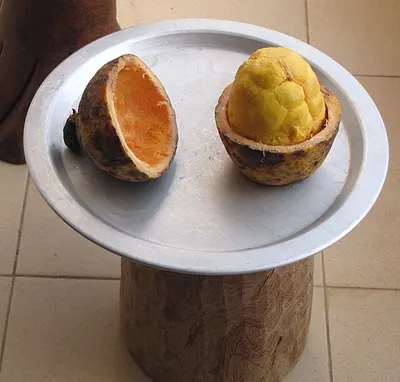
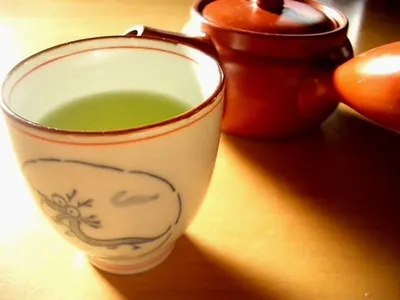
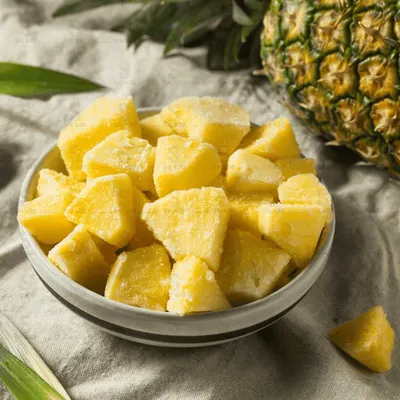
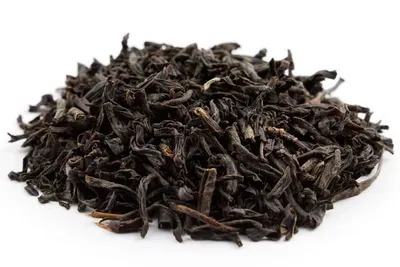
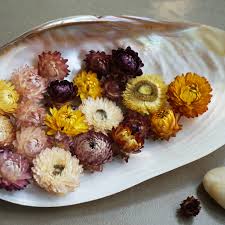
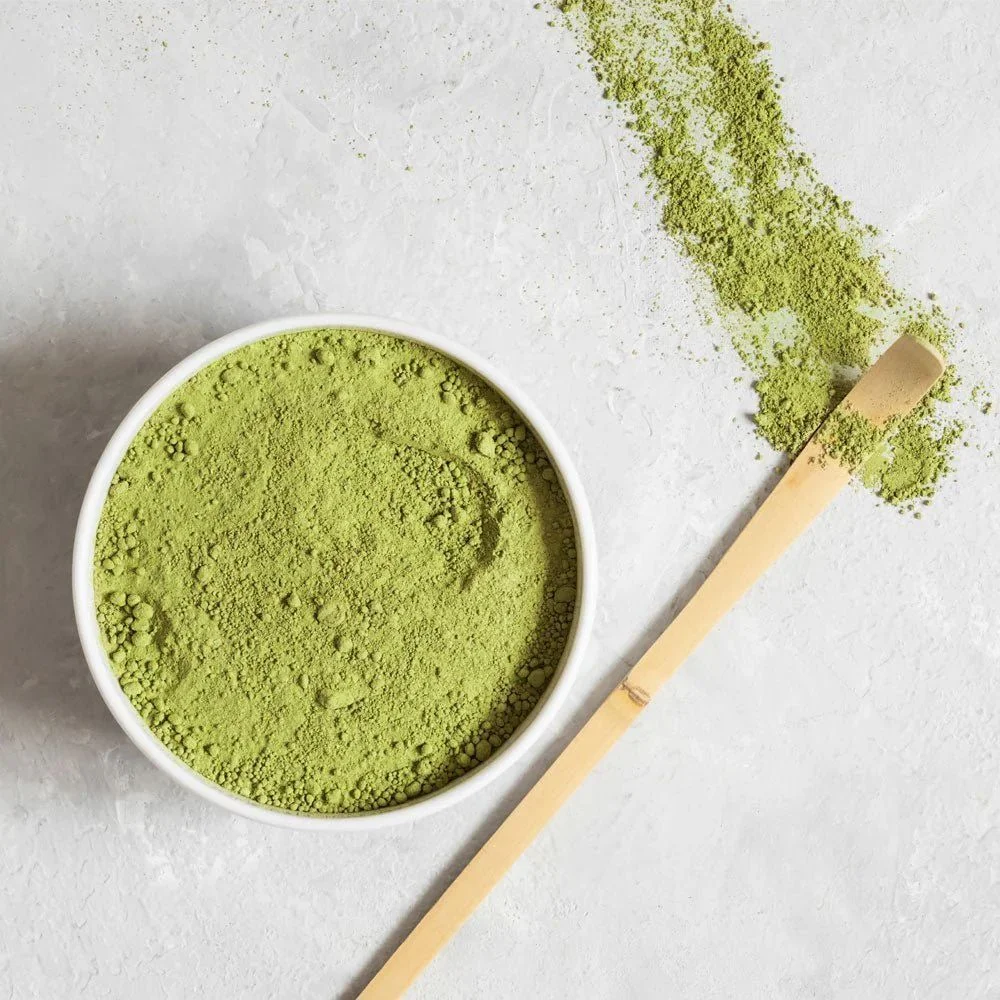
The catalogue lists pineapple juice concentrate, a high‑solids fruit base commonly measured by Brix values between 65 % and 70 % and filtered to meet ICUMSA 45 clarity standards. Ethylacetate decaffeinated tea is a solvent‑extracted green tea product where residual caffeine typically falls below 0.02 % and moisture is limited to 12 % to ensure shelf stability. Green tea leaves are offered as dried whole leaves or cut grades, with standard specifications including moisture ≤12 %, total ash ≤5 % and catechin content used as a quality indicator. Curcuma (turmeric) roots are supplied as dried chips or powder, normally containing 2 % - 6 % curcumin, moisture ≤12 % and meeting microbial limits such as total plate count ≤10 000 cfu/g. Camomile flowers are provided as dried blossoms with essential oil content around 0.3 % - 0.5 %, moisture ≤12 % and compliance with pesticide residue limits. Baobab fruit pulp is a dried or powdered fruit ingredient rich in vitamin C, typically containing 10 % - 12 % moisture and particle sizes of 0.5 mm - 2 mm for easy reconstitution.
Trade and Export Information - Chias Brothers Europe Sp.Z O.O.
Polish exporters of food ingredients operate under EU food safety regulations, meaning that buyers in the EU, Middle East and North Africa commonly require documentation such as EU organic certificates, ISO 22000 or HACCP compliance, and a Certificate of Free Sale. The product families listed fall under HS Chapter 20 for fruit preparations, Chapter 09 for tea and Chapter 12 for spices and other plant products, which are subject to routine customs inspection and may trigger phytosanitary checks. Typical shipment formats include 20‑ft or 40‑ft containers packed in food‑grade PET drums for liquid concentrates and bulk bags or polypropylene sacks for dried herbs and powders. Incoterms most frequently used by Polish suppliers are FCA (Free Carrier) to a Polish port, with buyers arranging onward freight. Export volumes from Poland to EU member states are high, while demand from the GCC and EU food processors for botanical extracts remains steady.
Sourcing from Chias Brothers Europe Sp.Z O.O. - Buyer Guidance
When sourcing pineapple juice concentrate, request a recent Certificate of Analysis showing Brix, pH, microbial limits (e.g., total plate count <10 000 cfu/g) and heavy‑metal screening below EU limits. For ethylacetate decaffeinated tea, ask for residual solvent analysis, caffeine content, and a statement of compliance with EU maximum residue limits for pesticides. Green tea shipments should be accompanied by moisture content, catechin profile and a microbial test report. Curcuma roots and powders require verification of curcumin percentage, moisture, and aflatoxin levels. Camomile flowers need an essential‑oil assay, moisture data and a phytosanitary certificate. Baobab pulp buyers should obtain vitamin C assay results, moisture content and particle‑size distribution. In all cases, request ISO 22000 or HACCP certification copies, a recent audit report, and, if applicable, organic certification before finalizing contracts.
Frequently Asked Questions About Chias Brothers Europe Sp.Z O.O.
What HS chapters do the listed products generally belong to?
Pineapple juice concentrate is classified under HS Chapter 20 (preparations of fruit or vegetables), green tea and ethylacetate decaffeinated tea under Chapter 09 (coffee, tea, mate and spices), curcuma roots and camomile flowers under Chapter 12 (oil seeds, nuts and spices), and baobab fruit pulp also under Chapter 20.
Which quality specifications are typical for pineapple juice concentrate?
Buyers usually require a Brix level of 65 % - 70 %, ICUMSA 45 clarity, pH around 3.5, moisture below 5 % and microbial limits such as total plate count under 10 000 cfu/g.
How is decaffeination verified for the ethylacetate tea product?
Laboratory analysis should show residual caffeine below 0.02 % and confirm that ethylacetate residues are within EU limits, typically less than 10 ppm.
What certifications should a buyer request for these botanical products?
Typical certifications include ISO 22000 or HACCP food safety systems, EU organic certification if claimed, and a Certificate of Free Sale for each product batch.
What packaging formats are commonly used for dried herbs like camomile and curcuma?
Dried herbs are usually packed in food‑grade polypropylene or multi‑wall bags ranging from 25 kg to 1 ton, and may be placed inside a 20‑ft container with moisture‑absorbing liners.
What are the standard lead times for shipments from Poland?
Lead times for bulk food ingredients from Poland typically range from 30 to 45 days after order confirmation, depending on product processing and packaging requirements.
Which documents are required for customs clearance in the EU?
Customs generally require a commercial invoice, packing list, Certificate of Origin, and, for botanical products, a phytosanitary certificate or EU health certificate.
What minimum order quantities are common for these items?
Minimum order quantities often start at 1 metric ton for bulk powders and 500 kg for liquid concentrates, but exact MOQs depend on packaging size and buyer specifications.




 , Poland