Changsha Huir Biological-Tech Co., Ltd. — Verified Supplier
About Changsha Huir Biological-Tech Co., Ltd. - Herbal Extracts Supplier in China
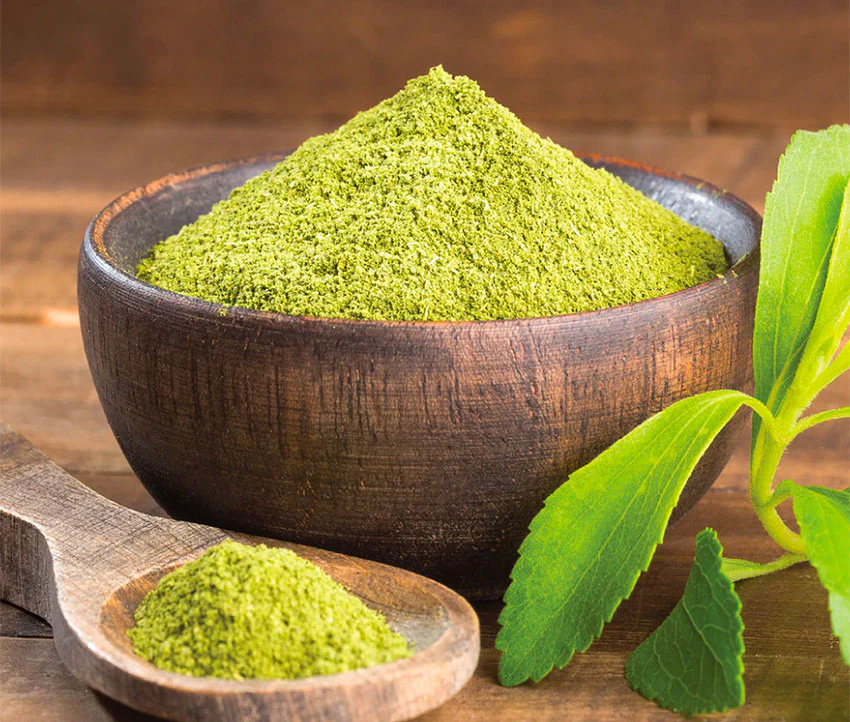
Changsha Huir Biological-Tech Co., Ltd. operates from Changsha, China and maintains a catalogue of 13 active products across agriculture‑related and chemical categories. The company lists extracts such as Resveratrol from Polygonum Cuspidatum, Luo Han Guo extracts standardised to 20 % and 50 % mogroside V, Stevia extract with 90 % stevioside, and Panax Ginseng powder containing 80 % ginsenosides, as well as pure compounds like L‑Glutathione reduced (HS code 2934.99) and Hordenine HCl. Each product entry references its chemical name or standardised potency, for example Berberis Aristata extract at 5 % berberine HCl and Rutin at 95 % rutinoside (NF11). The catalogue also includes related chemicals and plant‑derived ingredients such as Rutin‑Troxerutin and additional Resveratrol items, reflecting a focus on high‑purity botanical extracts and tripeptide antioxidants.
The product set spans herbal extracts, dried vegetable derivatives and specialty chemicals, all classified under HS chapter 29 for organic chemicals and HS chapter 21 for vegetable products. Purity levels are reported in the product titles - 98 % for Resveratrol and L‑Glutathione, 90 % for Stevia, and 80 % for Ginsenosides - indicating compliance with typical industry specifications for dietary‑supplement raw materials. The inclusion of HS code 2934.99 for L‑Glutathione reduced provides a customs reference for importers handling this tripeptide antioxidant. Overall, the supplier’s portfolio targets manufacturers of nutraceuticals, functional foods and pharmaceutical intermediates that require standardized botanical actives.
Product Range and Specialties of Changsha Huir Biological-Tech Co., Ltd.
The catalogue presents botanical extracts that are commonly standardised by active constituent content: Resveratrol extracts at 98 % purity, Luo Han Guo extracts at 20 % and 50 % mogroside V, and Stevia extract at 90 % stevioside. In the herbal‑extract market, these grades correspond to the specifications used for dietary‑supplement formulations and are typically verified by high‑performance liquid chromatography (HPLC) assays. L‑Glutathione reduced is listed at 98 % purity and is supplied as a tripeptide antioxidant, a grade that meets most pharmaceutical and cosmetic raw‑material standards. Additional compounds such as Hordenine HCl, Berberis Aristata extract (5 % berberine HCl) and Rutin (95 % rutinoside) follow the same concentration‑based labeling common in the industry, allowing buyers to match product specifications to formulation requirements.
Industry practice for these categories includes specifications for moisture content (usually ≤5 %), heavy‑metal limits (e.g., Pb ≤ 10 ppm, As ≤ 3 ppm), microbial limits (total plate count ≤10 000 cfu/g, yeast & mold ≤100 cfu/g) and absence of residual solvents. Buyers often request certificates of analysis (CoA) that reference these parameters, as well as batch‑level testing reports conforming to USP or EP monographs where applicable. Packaging for powdered extracts typically uses food‑grade polyethylene bags (25 kg) or sealed glass jars (≤500 g), and bulk shipments are consolidated in 20‑ft or 40‑ft containers.
Trade and Export Information - Changsha Huir Biological-Tech Co., Ltd.
China is a major exporter of herbal extracts and specialty chemicals, supplying North America, the European Union and Southeast Asian markets. HS chapter 29 (organic chemicals) and chapter 21 (vegetable products) are the primary tariff classifications for items such as L‑Glutathione reduced (2934.99) and dried plant extracts, and customs officials commonly request accompanying phytosanitary certificates and material safety data sheets (MSDS). Importers of these products usually require compliance with ISO 9001 quality‑management systems, GMP certification for food‑grade extracts, and may request HACCP documentation for bulk shipments destined for food‑processing facilities. Typical logistics involve FOB or CIF terms, with containerisation in 20‑ft or 40‑ft units; moisture‑controlled liners are used to protect sensitive powders during sea transit.
Regulatory oversight varies by destination: the U.S. FDA treats many of these extracts as dietary‑supplement ingredients subject to New Dietary Ingredient (NDI) notifications, while the EU may require Novel Food authorisation for newer actives such as high‑purity resveratrol. Buyers therefore often request a full compliance dossier that includes safety data, origin certificates and any relevant export licences issued by Chinese customs authorities. Exporters from China also adhere to the China Export Commodities Inspection and Quarantine (CIQ) regime, which conducts random sampling for pesticide residues and heavy‑metal compliance on botanical products.
Sourcing from Changsha Huir Biological-Tech Co., Ltd. - Buyer Guidance
When sourcing from Changsha Huir Biological-Tech, buyers should request a current Certificate of Analysis for each batch, confirming purity, moisture, heavy‑metal and microbial limits that align with industry standards. It is advisable to verify that the HS code on the commercial invoice matches the product description - for example 2934.99 for L‑Glutathione reduced - to avoid customs delays. Buyers typically ask for a sample (e.g., 100 g of powder) prior to full order placement, and should confirm the supplier’s ability to provide GMP or ISO‑9001 certification if required for their end‑use.
Typical minimum order quantities for botanical extracts range from 5 kg to 20 kg per SKU, with lead times of 30‑45 days from order confirmation to shipment. Packaging specifications, such as sealed food‑grade bags or glass jars, should be clarified to ensure product integrity during transport. Requesting a detailed packing list, MSDS, and any required phytosanitary or export certificates will help streamline customs clearance and regulatory compliance.
Frequently Asked Questions About Changsha Huir Biological-Tech Co., Ltd.
What active ingredients are standardised in the Luo Han Guo extracts offered by Changsha Huir?
The catalogue lists Luo Han Guo extracts standardised to 20 % and 50 % mogroside V, which are the sweetening compounds typically measured by HPLC in the industry.
Does the supplier provide a Certificate of Analysis for the L‑Glutathione reduced product?
A CoA is customarily supplied for each batch of L‑Glutathione reduced (98 % purity) and should detail purity, moisture, heavy‑metal limits and any residual solvent testing.
Which HS code should be used for customs clearance of the L‑Glutathione reduced product?
The correct HS code for L‑Glutathione reduced is 2934.99, falling under the organic chemicals chapter used for amino‑acid derivatives.
What typical purity levels are expected for Resveratrol extracts in this market?
Resveratrol extracts are commonly offered at 95‑98 % purity; the supplier’s Resveratrol, Polygonum Cuspidatum Extract is listed at 98 %.
Are GMP or ISO certifications required for importing these herbal extracts?
Importers usually request GMP or ISO‑9001 certification to verify that production follows recognized quality‑management practices; the supplier’s documentation should be reviewed before order confirmation.
What packaging formats are standard for bulk shipments of powdered extracts?
Bulk powdered extracts are typically packed in food‑grade polyethylene bags of 25 kg or sealed glass jars up to 500 g, and consolidated in 20‑ft or 40‑ft containers for sea freight.
What are the common lead times for orders from this supplier?
Lead times generally range from 30 to 45 days after order confirmation, depending on product availability and required batch testing.
Which markets commonly import the types of botanical extracts listed by Changsha Huir?
North America, the European Union and Southeast Asian countries are the main import destinations for Chinese botanical extracts and specialty chemicals such as those in the supplier’s catalogue.




 , China