Agriculture›
 Apparel and fashion accessories›
 Construction & real estate›💡Electronic & Electrical›🍎Food & Beverages›🛋️Home furnishing & supplies›⚗️Industrial goods & chemical›🪨Minerals & metals›📦Miscellaneous›Agriculture›Apparel and fashion accessories›Construction & real estate›💡Electronic & Electrical›🍎Food & Beverages›🛋️Home furnishing & supplies›⚗️Industrial goods & chemical›🪨Minerals & metals›📦Miscellaneous›
Casting Rolls Product Catalog
About Casting Rolls - Steel Rolls Supplier in India
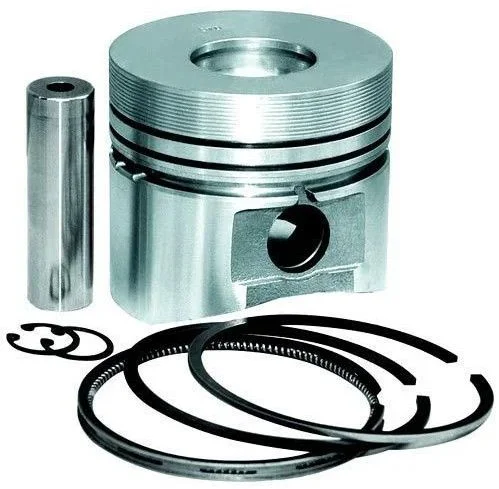
India‑based Casting Rolls lists seven active products across steel rolls, iron rods, metal castings & forgings, and piston & piston ring supplies. The catalogue groups items under HS‑code families 8455.30, 8455.22 and 8439.99, covering alloyed rolls for TMT plants, spheroidal‑graphite iron rolls, paper‑mill rolls, forged alloy rolls, chilled rolls, Adamite and alloy steel rolls, plus chilled iron pistons. Each entry specifies the base material - ranging from Ni‑Cr‑Mo alloy steel to ductile iron grades 60‑40‑18 through 80‑55‑06 - and the relevant customs classification. The supplier’s product count and material details are the only quantitative data provided, without any claims on capacity or client base.
Product Range and Specialties of Casting Rolls
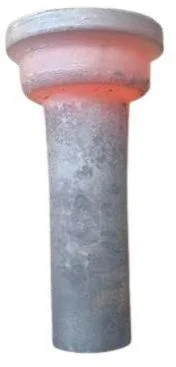
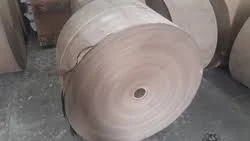
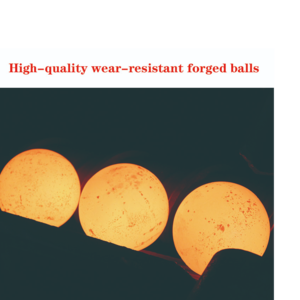
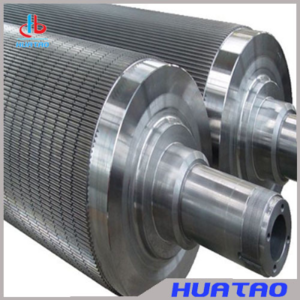
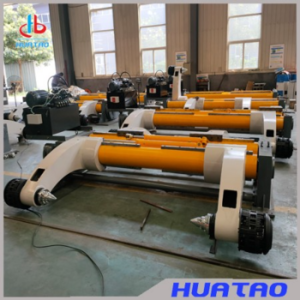
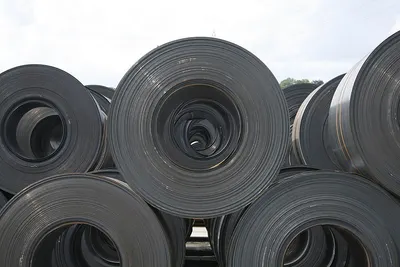
The product list includes HI‑Alloyed Rolls for TMT plants (8455.30, Ni‑Cr‑Mo alloy steel), S.G. Iron Rolls (8455.30, ductile iron grades 60‑40‑18 to 80‑55‑06), Rolls for paper mills (8439.99, cast iron FC250, ductile iron FCD450, alloy steel 42CrMo), Forged Rolls (8455.30, forged alloy steel such as 9Cr2Mo, 60CrMnMo, 5CrNiMo) and Definite Chilled Rolls (8455.30, chilled cast iron with a white‑cast‑iron surface). In the broader industry, alloyed steel rolls are typically delivered with hardness 45‑55 HRC, surface roughness Ra ≤ 0.8 µm, and dimensional tolerances ±0.2 mm. Ductile‑iron rolls are graded by tensile strength and elongation (e.g., 60‑40‑18) and often require a minimum Brinell hardness of 180‑200. Chilled rolls commonly meet ASTM A536 or EN‑1563 standards for wear resistance. Buyers also expect clear material test reports, chemical composition charts and certification against ISO 9001 or equivalent quality systems.
Frequently Asked Questions About Casting Rolls
What HS codes apply to the rolls listed by Casting Rolls?
The catalogue assigns HS 8455.30 to most alloyed, forged and chilled rolls, HS 8455.22 to Adamite and alloy steel rolls, and HS 8439.99 to the cast‑iron rolls intended for paper‑mill applications.
Which material grades are offered for the HI‑Alloyed Rolls used in TMT plants?
They are made from a nickel‑chromium‑molybdenum alloy steel (Ni‑Cr‑Mo) that is statically cast, a grade commonly specified for high‑temperature, high‑wear environments in TMT production.
What certifications should a buyer request for these steel and cast‑iron rolls?
Buyers typically ask for ISO 9001 quality‑management certification, a material test report complying with ASTM A108 (alloy steel) or ASTM A536 (ductile iron), and, where required by the destination market, CE marking or equivalent conformity documentation.
How are the rolls packaged for international shipment?
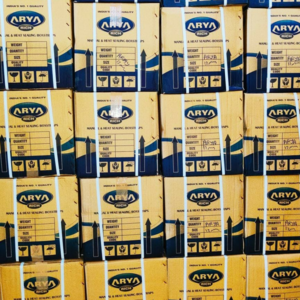
Standard practice is to pack the rolls in reinforced wooden crates with internal bracing, each crate sized to fit within a 20‑ft container; moisture‑proof liners are used for chilled rolls to protect surface integrity.
What are the typical lead times and minimum order quantities?
Lead times are usually 4‑6 weeks after order confirmation, and minimum order quantities are generally one to two metric tonnes, depending on the specific roll size and material grade.
 India
Related Suppliers & Products
Explore similar suppliers, related products and trending categories