Casel — Verified Supplier
About Casel - Essential Oils Supplier in Turkey
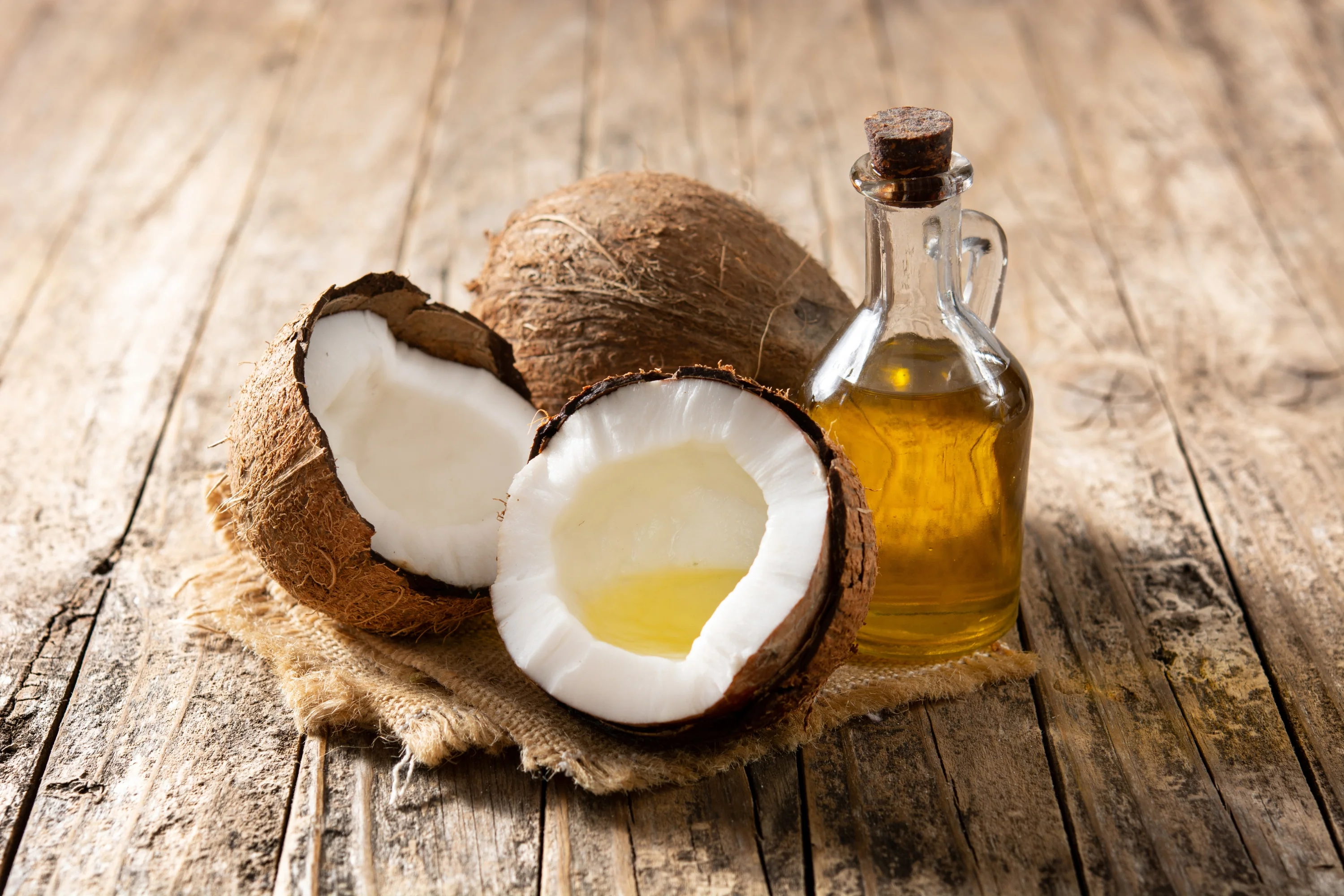
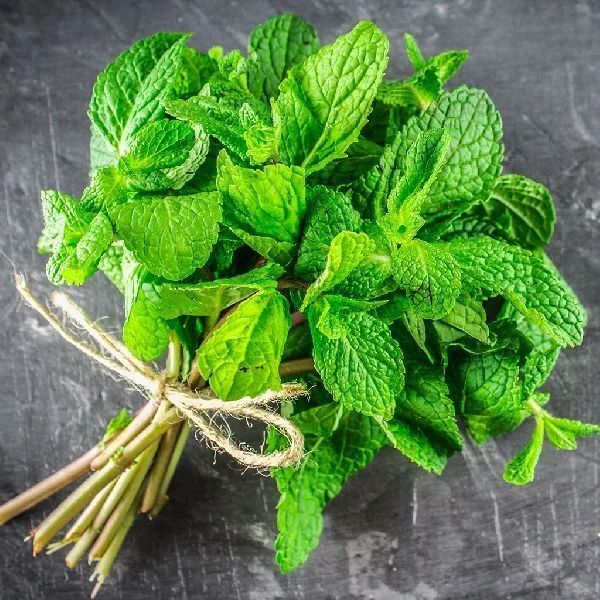
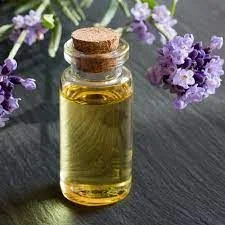
Turkey hosts the supplier Casel, which currently lists nine distinct products in its online catalogue. The catalogue covers a mix of essential oils, carrier oils, and soap formulations, reflecting the company’s focus on natural extracts. Products include Black Seed Oil, Coconut Oil, Glycerin Based Natural Soaps, Horse Chestnut Oil & Cream, Lavender Oil, Rose Oil, Peppermint Oil, Safflower Oil, and St. John’s Wort Oil. These items fall under the broader categories of Essential Oils, Coconut Oil, Soaps & Detergents, Herbal Extracts, Chestnuts, Lavender Oil, and Safflower Oil as reported in the supplier data. No HS‑code identifiers are provided for the individual items.
Essential oil listings such as Lavender, Rose, Peppermint, and St. John’s Wort are typically classified under HS chapter 33 (essential oils and extracts). Carrier oils like Coconut, Black Seed, and Safflower are usually recorded under HS chapter 15 (animal or vegetable fats and oils). Soap products are generally assigned to HS chapter 34 (soap, organic surface‑active agents). Buyers of these categories often request certificates of analysis confirming purity levels - e.g., 95 %+ for botanical oils - and specifications such as iodine value for vegetable oils. Standard industry specifications include ICUMSA grades for refined oils and ISO 9001 quality‑management systems where applicable. The supplier’s product list does not indicate any specific certifications held.
Product Range and Specialties of Casel
Casel’s catalogue lists nine items: Black Seed Oil, Coconut Oil, Glycerin Based Natural Soaps, Horse Chestnut Oil & Cream, Lavender Oil, Rose Oil, Peppermint Oil, Safflower Oil, and St. John’s Wort Oil. Within the essential‑oil segment, typical grades range from therapeutic‑grade (often ≥ 98 % purity) to cosmetic‑grade (≥ 90 % purity), with GC‑MS profiles used to verify composition. Carrier oils such as Coconut and Safflower are usually supplied in refined, cold‑pressed, or expeller‑pressed forms, with standard specifications including free‑fat content (≤ 0.5 %), moisture (≤ 0.2 %), and peroxide value (≤ 10 meq O₂/kg). Soap formulations based on glycerin are commonly produced in solid bar or liquid form, with typical melt‑point ranges of 45‑55 °C for bars and pH 8‑9 for liquids. Herbal extracts like Horse Chestnut and St. John’s Wort are often standardized to active constituents (e.g., aescin ≥ 20 % for chestnut, hypericin ≥ 0.3 % for St. John’s Wort).
Trade and Export Information - Casel
Exporters of essential oils, vegetable oils, and natural soaps from Turkey generally ship to the European Union, the Middle East, and North‑America, where demand for natural and cosmetic ingredients is strong. HS chapter 33 covers the essential oils listed by Casel, while HS chapter 15 applies to the carrier oils and HS chapter 34 to the soap products. Importers typically require a Certificate of Origin, a Phytosanitary Certificate for botanical oils, and a Certificate of Analysis confirming purity, acid value, and microbial limits. Commonly requested certifications include ISO 9001 for quality management and, where applicable, Kosher or Halal certifications for market‑specific compliance. Logistics for bulk oil shipments often use 20‑ft or 40‑ft containers with food‑grade drums or IBCs, while soap products are packed in corrugated cartons with inner liners to protect against moisture. Turkish exporters benefit from established customs procedures under the EU‑Turkey Customs Union, which can streamline clearance for HS‑code‑aligned goods.
Sourcing from Casel - Buyer Guidance
When sourcing from Casel, buyers should request a recent Certificate of Analysis for each oil, specifying parameters such as purity, iodine value, peroxide value, and microbial count. For the glycerin‑based soaps, a Safety Data Sheet (SDS) and a batch‑specific test report confirming pH, melt‑point, and absence of prohibited substances are standard due diligence. Verification of the supplier’s ISO 9001 registration - or confirmation that the facility operates under a recognized quality‑management system - helps assess production consistency. Buyers are advised to obtain a sample batch for independent laboratory testing before confirming larger orders, especially for therapeutic‑grade essential oils where constituent ratios are critical. Clarify packaging details, such as 200 ml amber glass bottles for oils or 1 kg drums for bulk carrier oils, and confirm that containers meet food‑grade or cosmetic‑grade standards as required by the destination market.
Frequently Asked Questions About Casel
What product categories does Casel list in its catalogue?
Casel lists nine products covering essential oils (Lavender, Rose, Peppermint, St. John’s Wort), carrier oils (Black Seed, Coconut, Safflower), a horse chestnut oil & cream, and glycerin‑based natural soaps.
Which HS codes are typically used for Casel’s products?
Essential oils fall under HS chapter 33, vegetable oils under HS chapter 15, and soap products under HS chapter 34. Specific 6‑digit codes depend on the exact formulation.
What purity levels are standard for the essential oils offered?
Buyers usually expect therapeutic‑grade purity of 95 %‑98 % for botanical oils, confirmed by a Certificate of Analysis with GC‑MS results.
Are any certifications confirmed for Casel?
The supplied facts do not list any certifications held by Casel; buyers should request evidence of ISO 9001, Kosher, Halal, or other relevant certifications as needed.
What documentation should a buyer request before ordering?
A recent Certificate of Analysis for each oil, an SDS for the soap, a Certificate of Origin, and, where required, a Phytosanitary Certificate for botanical extracts.
What are typical packaging formats for the oils and soaps?
Essential and carrier oils are commonly packed in 200 ml amber glass bottles or 1 kg food‑grade drums; glycerin soaps are usually shipped in sealed corrugated cartons or bulk IBCs.
Which markets commonly import these types of products from Turkey?
The European Union, Middle Eastern countries, and North‑American markets are the main import destinations for Turkish essential oils, vegetable oils, and natural soaps.
What are typical lead times and minimum order quantities for these products?
Lead times of 2‑4 weeks are common for small‑batch oil shipments, while bulk orders may require 4‑6 weeks. Minimum order quantities often start at 500 ml for specialty oils and 500 kg for bulk carrier oils, but exact figures depend on the product and buyer agreement.




 , Turkey