Carthage Trading Ltd — Verified Supplier
About Carthage Trading Ltd - Crude Oil Supplier in Cyprus
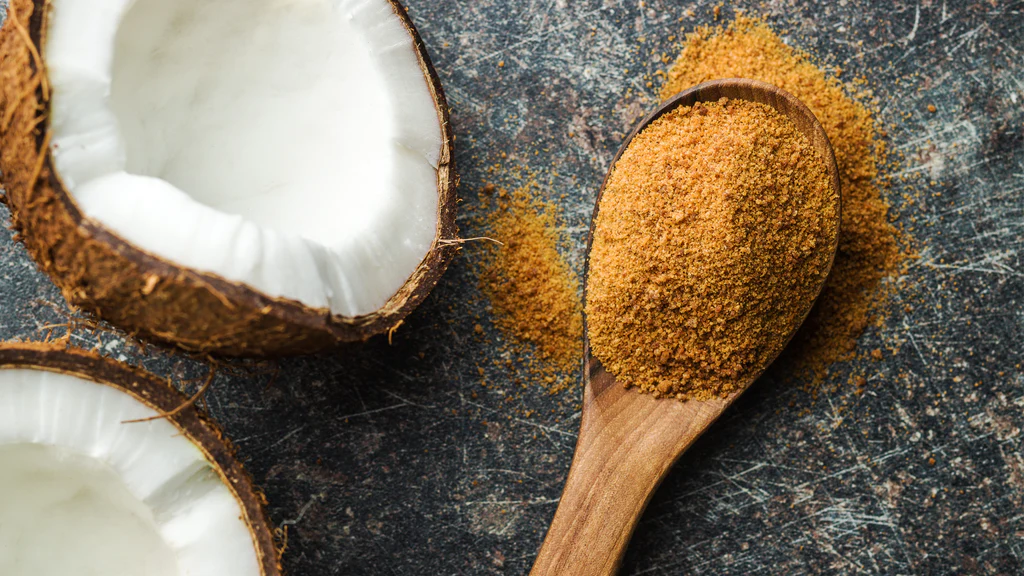
Carthage Trading Ltd operates from Cyprus and currently lists five distinct products in its catalogue. The catalogue includes Dry Tomato and Cavendish Banana, both classified under HS chapter 08 for fresh fruit and vegetables, as well as Crude Oil, which falls under HS code 2709 for petroleum oils and oils obtained from bitumen. The company also offers Sugar identified as IC45 from Brazil and Suar S30 from India, matching HS code 1701 for cane or beet sugar, and Prilled Urea with a nitrogen content of 46 %, classified under HS code 3102 for mineral fertilizers. These items span the top three categories reported for the supplier: Crude Oil, Sugar, and Urea. The product list reflects a mix of agricultural commodities and industrial raw materials commonly traded through Mediterranean ports.
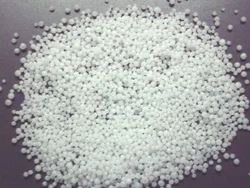
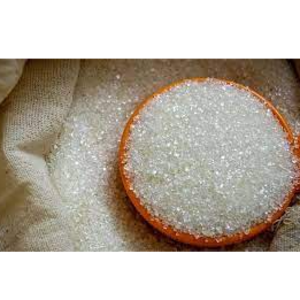
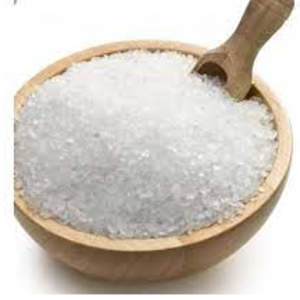
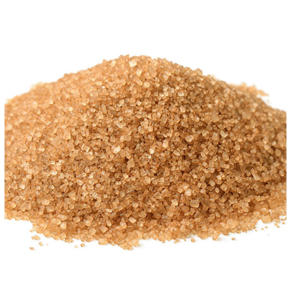
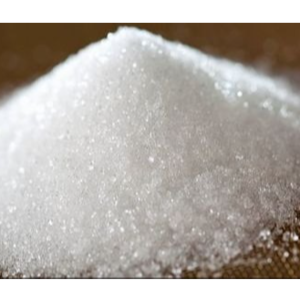
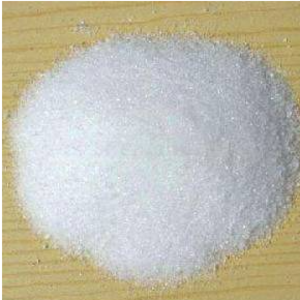
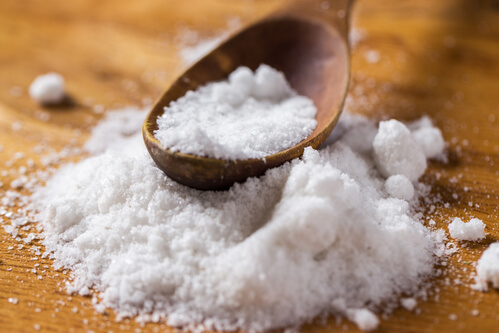
Within the sugar entry, the IC45 grade corresponds to an International Commission for Uniform Methods of Sugar Analysis (ICUMSA) rating of 45, indicating high purity with moisture below 0.05 % and ash content under 0.02 %. The Prilled Urea is specified at 46 % nitrogen, typical granule size of 2 - 4 mm and moisture content not exceeding 0.5 %. The crude oil offering is expected to be measured by API gravity and sulfur content, standard parameters for petroleum trade. The fruit items are usually evaluated by Brix level, fruit length, and packing weight per carton. All five products are listed for export from Cyprus to markets that import these commodity classes.
Product Range and Specialties of Carthage Trading Ltd
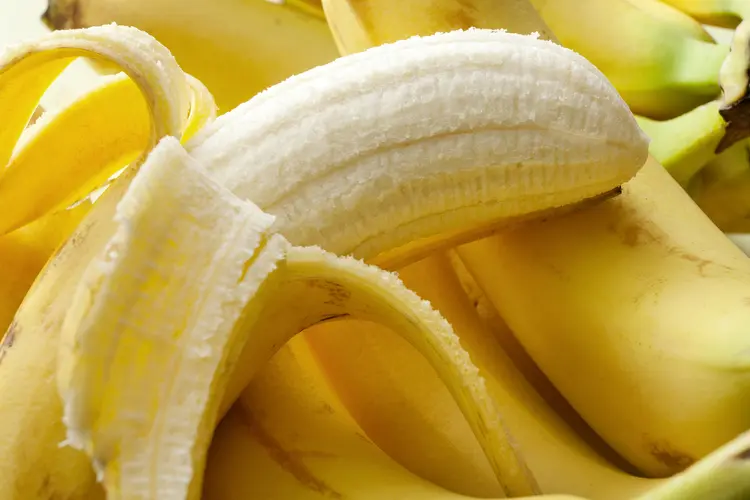
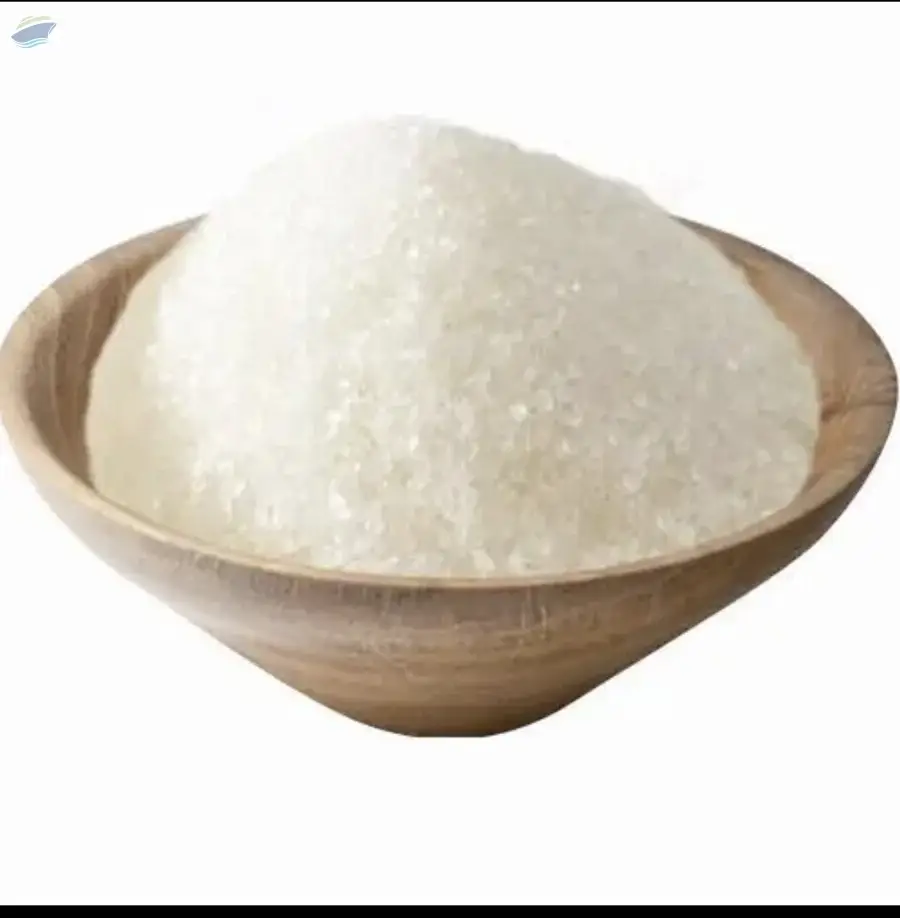
The catalogue’s fresh produce line - Dry Tomato and Cavendish Banana - aligns with common export specifications such as a minimum Brix of 6 - 8 % for tomatoes and a length of 15 - 20 cm for Cavendish bananas, packed in 20 kg cartons for sea freight. Crude oil is typically traded in grades defined by API gravity (e.g., 30 - 40 °API for light grades) and sulfur content (e.g., ≤0.5 % for sweet crude), with standard bulk tanker loading procedures. Sugar IC45 is a premium white sugar grade widely accepted in confectionery and food processing, usually supplied in 25 kg bags with a maximum moisture of 0.05 % and ash below 0.02 %. Prilled Urea 46 %N is a standard nitrogen fertilizer granule, commonly shipped in 50 kg bags, with a granule size distribution of 2 - 4 mm and a moisture limit of 0.5 %. These product categories are typical of Mediterranean trade hubs that serve European, Middle‑Eastern and North‑African markets.
Trade and Export Information - Carthage Trading Ltd
Cyprus’s strategic position in the Eastern Mediterranean makes it a frequent transshipment point for crude oil, refined sugar and nitrogen fertilizers destined for the EU, the Middle East and North Africa. Crude oil under HS 2709 is usually subject to API certification, sulfur analysis and a Certificate of Origin; buyers often require a recent assay report and compliance with IMO fuel standards. Sugar under HS 1701 is commonly inspected for ICUMSA grade, moisture, ash and foreign matter, and importers typically request a laboratory analysis certificate and phytosanitary clearance for any residual pesticide residues. Urea under HS 3102 must meet EU fertilizer regulations, with documentation such as a Fertilizer Registration Certificate, nitrogen content test report and safety data sheet. Fresh fruit (Dry Tomato, Cavendish Banana) under HS 0803 follows phytosanitary protocols, requiring a plant health certificate, pesticide residue analysis and temperature‑controlled containerization. Standard Incoterms for these shipments include CIF or FOB, with cargo packed in bulk tanks for oil, 20‑ft or 40‑ft containers for solid goods, and refrigerated containers for perishable fruit.
Sourcing from Carthage Trading Ltd - Buyer Guidance
When sourcing crude oil from Carthage Trading Ltd, request the latest assay report detailing API gravity, sulfur content, viscosity and flash point, and verify the presence of an API certification and a Certificate of Origin. For sugar, ask for an ICUMSA certificate, moisture and ash analysis, and a phytosanitary statement confirming compliance with EU import limits on pesticide residues. Urea purchases should be accompanied by a fertilizer registration document, nitrogen content test report, and a safety data sheet outlining handling precautions. Fresh produce enquiries should include a phytosanitary certificate, Brix measurement report, and details on packaging dimensions and refrigeration requirements. Confirm container type, loading port in Cyprus (e.g., Limassol) and the intended Incoterm before finalizing the order to ensure alignment with logistics and regulatory expectations.
Frequently Asked Questions About Carthage Trading Ltd
What commodity categories does Carthage Trading Ltd list in its catalogue?
The supplier lists five products: Dry Tomato, Cavendish Banana, Crude Oil, Sugar (IC45 from Brazil and Suar S30 from India) and Prilled Urea with 46 % nitrogen.
Which HS code families are associated with the listed products?
Crude Oil falls under HS 2709, Sugar under HS 1701, Prilled Urea under HS 3102, and the fresh fruit items (Dry Tomato and Cavendish Banana) are classified under HS 0803 for fresh fruit and vegetables.
What quality specifications are typical for the sugar offered?
Sugar IC45 is graded by ICUMSA 45, with moisture below 0.05 %, ash under 0.02 % and a minimum polarisation of 99.8 %.
What standard parameters should be verified for the prilled urea?
Buyers should check the nitrogen content (46 % N), granule size (2 - 4 mm), moisture content (≤0.5 %) and request a laboratory analysis certificate.
How is crude oil quality usually assessed for export?
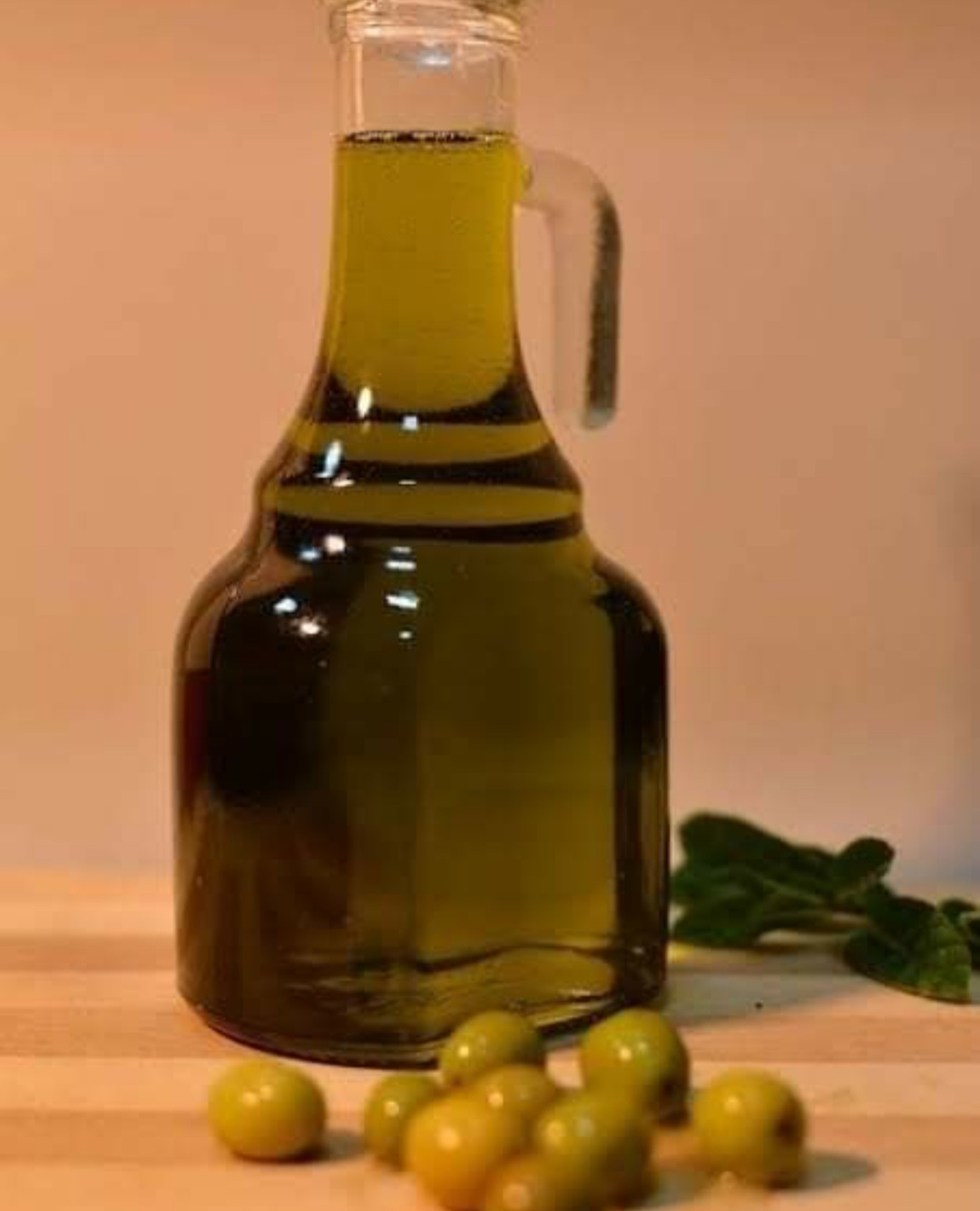
Quality is measured by API gravity (typically 30 - 40 °API for light grades), sulfur content (often ≤0.5 % for sweet crude) and a full assay report that includes viscosity and flash point.
What documentation is recommended before ordering the fresh fruit products?
A phytosanitary certificate, Brix level report, and details of refrigerated container specifications are standard documents to request.
Which Incoterms are most commonly used for these commodities?
CIF and FOB are frequently applied; bulk oil is loaded on tankers, while solid goods and fruit are shipped in 20‑ft or 40‑ft containers, often refrigerated for perishable items.
What are typical target markets for products exported from Cyprus?
Exporters based in Cyprus commonly serve buyers in the European Union, the Middle East, and North Africa, reflecting regional demand for petroleum, sugar and fertilizer commodities.




 , Cyprus