Agriculture›
 Apparel and fashion accessories›
 Construction & real estate›💡Electronic & Electrical›🍎Food & Beverages›🛋️Home furnishing & supplies›⚗️Industrial goods & chemical›🪨Minerals & metals›📦Miscellaneous›Agriculture›Apparel and fashion accessories›Construction & real estate›💡Electronic & Electrical›🍎Food & Beverages›🛋️Home furnishing & supplies›⚗️Industrial goods & chemical›🪨Minerals & metals›📦Miscellaneous›
Carl Product Catalog




About Carl - Carbon Supplier in China
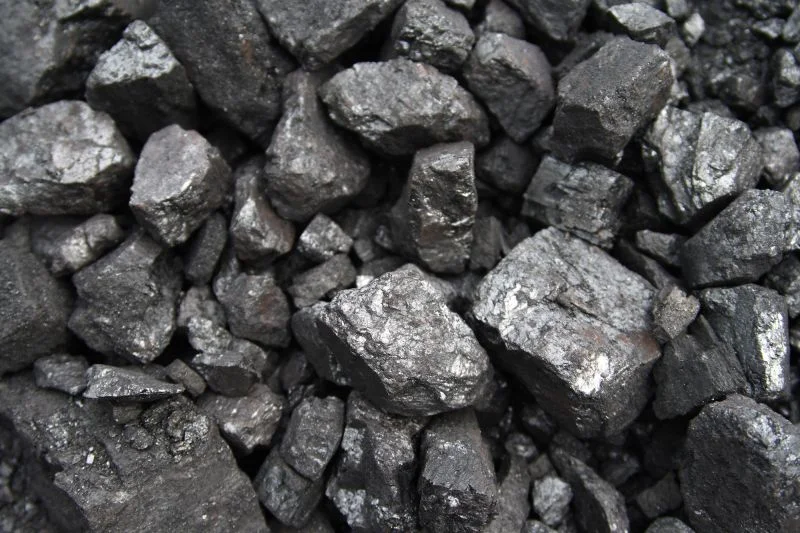
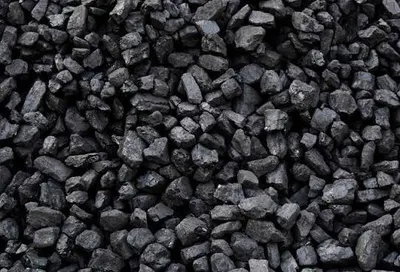
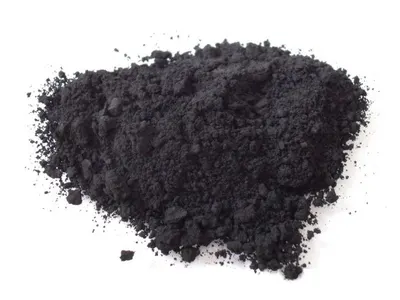
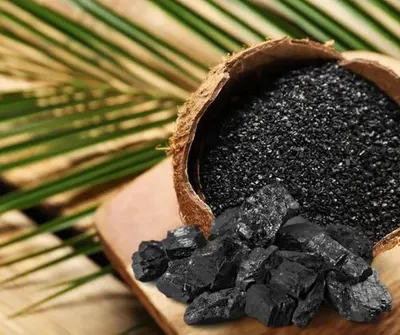
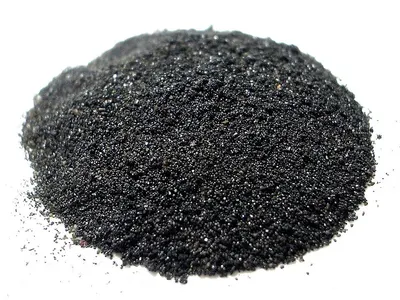
Carl, based in China, offers 8 active products, primarily focused on carbon-related products. The company's product range includes various types of activated carbon, such as columnar, powder, coal, acid washed, coconut shell, granular, honeycomb, and coal-based granular active carbon. These products are likely used in industries such as water filtration, air purification, and chemical processing. China, as a major exporter of carbon products, has a significant presence in the global market.
The city/region where Carl operates is not specified, but China's carbon industry is known for its large production capacity and diverse product offerings. Carl's product catalogue includes a range of activated carbon products, which are commonly used in various applications. The company's active product count and product range suggest that it is a specialized supplier of carbon products, catering to the needs of industries that require quality carbon materials.
Product Range and Specialties of Carl
Carl's product range includes various types of activated carbon, which are commonly used in water filtration, air purification, and chemical processing. The typical grades of activated carbon include ICMA (International Committee for the Monitoring of Atomic Energy) and JIS (Japanese Industrial Standard) specifications. Buyers of activated carbon usually require specifications such as iodine number, methylene blue number, and moisture content.
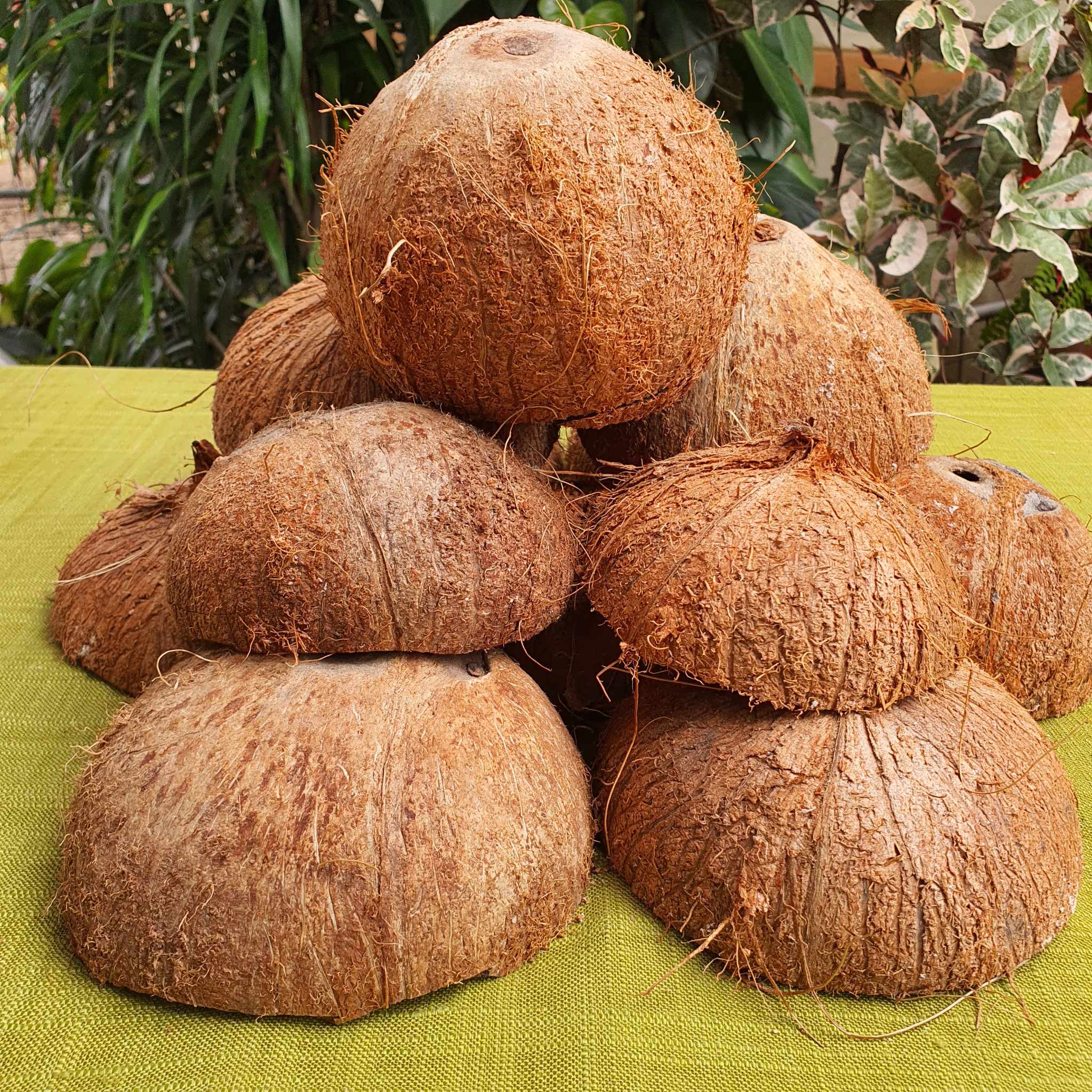
The common materials used in activated carbon production include coconut shells, coal, and wood. Variants of activated carbon products include powdered, granular, and columnar forms. The standard specifications for activated carbon products typically include parameters such as particle size, surface area, and pore volume.
Frequently Asked Questions About Carl
What certifications should I request from Carl?
Buyers should request certifications such as ISO 9001 and ISO 14001 to verify the quality of the products.
Can I request a sample from Carl?
Yes, buyers can request a sample from Carl to test the quality of the products before placing an order.
What is the typical iodine number for activated carbon products?
The typical iodine number for activated carbon products ranges from 500 to 1200 mg/g. However, this can vary depending on the specific product and application.
What is the common packaging for activated carbon products?
The common packaging for activated carbon products includes 25kg or 500kg bags. However, this can vary depending on the specific product and customer requirements.
What is the recommended MOQ for activated carbon products?
The recommended MOQ for activated carbon products typically ranges from 100kg to 1000kg. However, this can vary depending on the specific product and customer requirements.
 China
Related Suppliers & Products
Explore similar suppliers, related products and trending categories