Cami Export Group — Verified Supplier

About Cami Export Group - Coconut Products Supplier in Indonesia

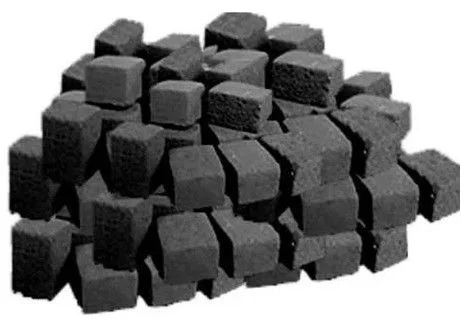
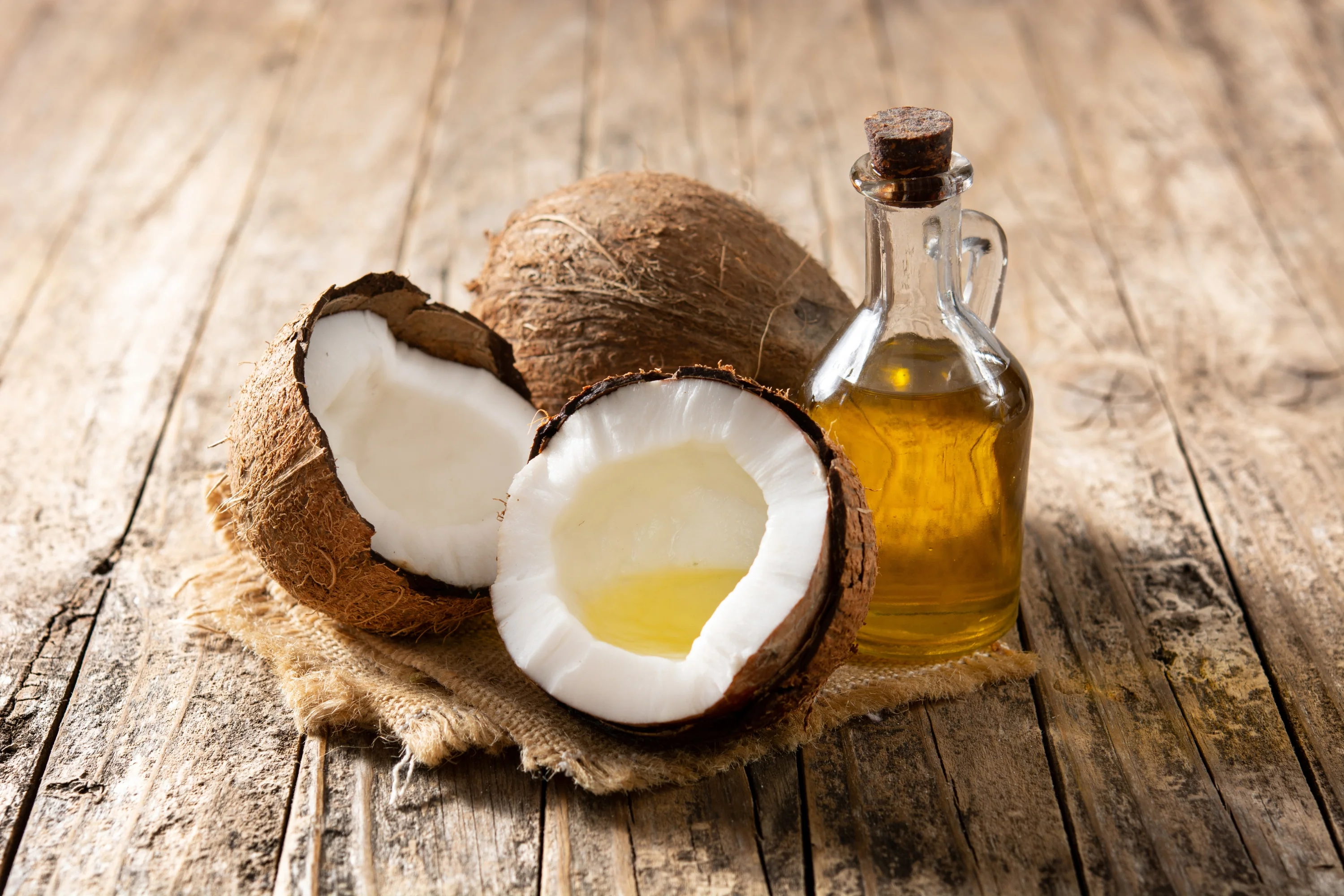
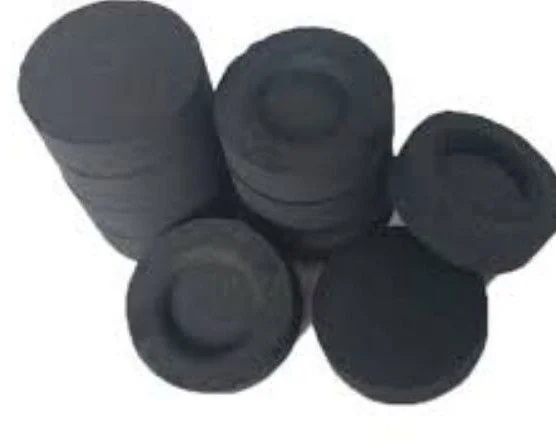
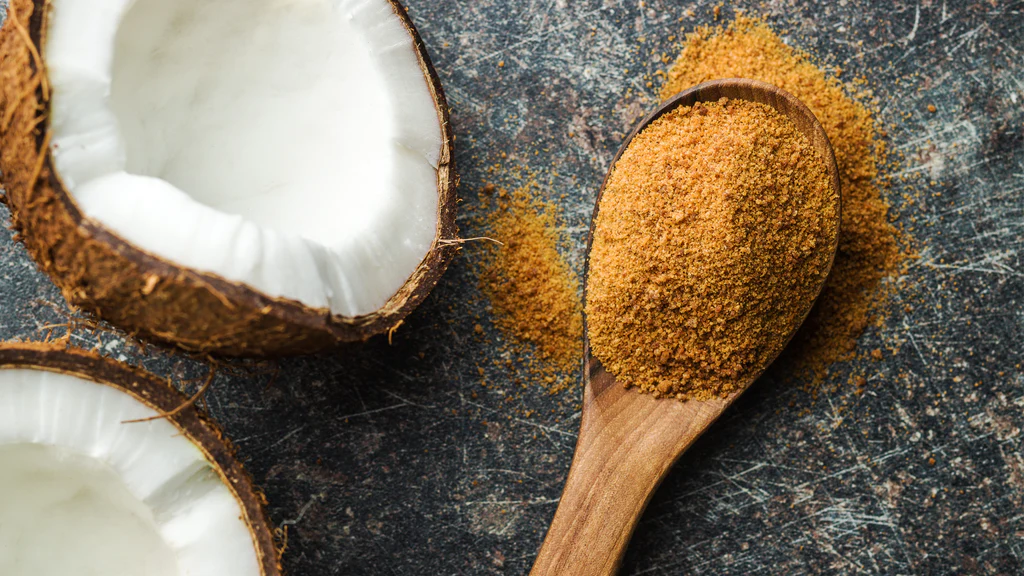
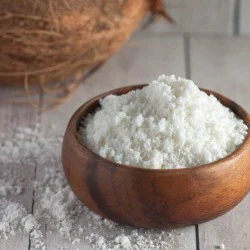
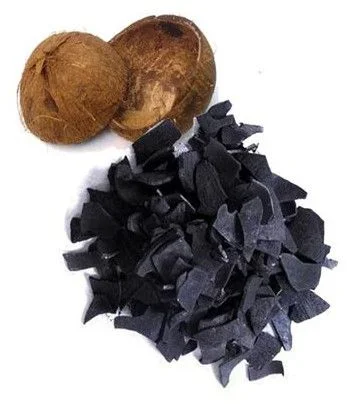
Indonesia serves as the base for Cami Export Group, which currently lists six distinct products in its catalogue. The supplier’s portfolio spans coconut‑derived foods and oils as well as charcoal products derived from hardwood and coconut shells. Listed items include hardwood charcoal intended for barbecue use, organic coconut sugar, desiccated coconut, coconut‑shell charcoal for shisha and BBQ, refined‑bleached‑deodorised (RBD) coconut oil and virgin coconut oil (VCO). Each product aligns with the broader categories of coconut products and charcoal, reflecting the agricultural and forestry outputs of the archipelago. No additional product lines are indicated beyond these six.

The hardwood charcoal entry is described as suitable for grilling applications, while the coconut‑shell charcoal is positioned for both shisha and barbecue markets. The food‑grade offerings comprise organic coconut sugar, desiccated coconut, RBD coconut oil and virgin coconut oil, all of standard export items from Indonesia. The catalogue does not provide specific technical specifications, but the product names imply conventional grades such as food‑grade coconut sugar and edible‑grade coconut oils. The supplier’s trust tier is listed as “harbor,” indicating a moderate level of platform verification. All six items are presented without accompanying HS codes in the supplied data.

Product Range and Specialties of Cami Export Group

Cami Export Group’s catalogue lists six products that fall into two main material groups: coconut derivatives and charcoal. The coconut line includes organic coconut sugar, typically meeting food‑grade standards such as ISO 22000 and containing no added preservatives; desiccated coconut, which is usually dried to a moisture content of 5 % or lower and packed in 25 kg polypropylene bags; RBD coconut oil, a refined product where free fatty acid (FFA) levels are generally below 0.1 % and peroxide values under 10 meq kg⁻¹; and virgin coconut oil (VCO), which is cold‑pressed and commonly certified to ISO 660 with a typical iodine value around 10‑12. The charcoal segment comprises hardwood charcoal for barbecue, where carbon content commonly exceeds 75 % and ash remains under 5 %, and coconut‑shell charcoal marketed for shisha and BBQ, which is similarly graded for high carbon and low ash. Buyers familiar with these categories will recognise the standard grade descriptors and packaging formats cited.

Trade and Export Information - Cami Export Group

Indonesia is a major exporter of coconut products and charcoal, supplying markets in the European Union, United States, Middle East and Southeast Asia. Export shipments of coconut oil and sugar are usually loaded in 20‑ft or 40‑ft containers with bulk or drum packaging, while charcoal is often shipped in woven polypropylene bags of 25 kg or in bulk containers with moisture‑controlled liners. Importers typically request certifications such as ISO 22000 or HACCP for edible coconut items, and a phytosanitary certificate plus a fire‑safety test report for charcoal products. Common Incoterms include FOB Jakarta port and CIF to destination ports, with freight rates influenced by container size and product weight. Indonesian exporters also adhere to national standards set by the Ministry of Trade, which may require laboratory analysis reports for moisture, ash and purity before customs clearance.

Sourcing from Cami Export Group - Buyer Guidance

Prospective buyers should ask Cami Export Group for a full product specification sheet that details moisture, ash, free fatty acid and peroxide values for oils, as well as carbon content and particle size distribution for charcoal. Requesting a recent third‑party laboratory test report or a Certificate of Analysis (CoA) helps verify that the goods meet the typical industry thresholds described above. Standard purchasing practice for these commodities includes a minimum order of 500 kg for coconut oil, 1 metric ton for coconut sugar, and 10 metric tons for charcoal, with lead times ranging from 30 to 45 days after order confirmation, subject to container availability.

Frequently Asked Questions About Cami Export Group

What product specifications should I request for the coconut oils?

Ask for the free fatty acid (FFA) level, peroxide value, iodine value and moisture content; typical acceptable limits are FFA < 0.1 %, peroxide < 10 meq kg⁻¹, iodine ≈ 10‑12 and moisture < 0.05 %.

How is the organic coconut sugar packaged for export?

It is generally packed in food‑grade 25 kg polypropylene bags, sealed to protect against moisture, and labelled with batch number and production date.

What certifications are commonly required for the desiccated coconut?

Importers usually request an ISO 22000 or HACCP compliance certificate and a laboratory analysis confirming moisture ≤5 % and ash ≤1 %.

Which documents are needed for the charcoal products?

A phytosanitary certificate, a fire‑safety test report, and a material safety data sheet (MSDS) describing carbon content and ash percentage are standard.

What are typical minimum order quantities (MOQ) for these items?

MOQs often start at 500 kg for coconut oil, 1 ton for coconut sugar, 1 ton for desiccated coconut, and 10 tons for each type of charcoal.

What lead time should I expect after placing an order?

Lead times are usually 30‑45 days from order confirmation, depending on product availability and container booking.

Which Incoterms does Cami Export Group usually work with?

The supplier commonly offers FOB terms from Jakarta port and CIF terms to major destination ports, allowing buyers to choose based on their logistics preferences.


Featured Products from this Supplier

Other Suppliers in Primary Category

Top Trusted Suppliers

Related Products

Trending in Parent Category

More Suppliers in Category

Related Products

Other Suppliers

EximNext
58.4K+ live requirements
Register Free🎁 5 free buy-lead credits
Post Requirement
🌍 Trusted by 224.4K+ businesses in 200+ countries|
58.4K+ active requirements right now
✉️ [email protected]
|
Sell on EximNextPost Requirement
EximNext
AgricultureApparelConstructionElectronicFoodHomeIndustrialMineralsMiscellaneous
🔥 Deals|✨ AI Match|🏭 Suppliers|📋 Buy Leads|💰 Trade Finance|⭐ Upgrade
58.4K+ live RFQs·194.4K+ suppliers
🎁 5 free credits →
EximNext
EximNext
Register Free
🎁 5 free buy-lead credits
Sign In
📋Post Requirement💬Get QuotesAI Match📋RFQ Marketplace
All Categories
Services & Tools
🏭Supplier Directory🔥Today's Deals💰Trade FinanceMembership
Sell on EximNext
AboutContactBlogHelp
🏭

Cami Export Group

Harbor
Country flag , Indonesia
🛡️
54/100
Trust Score

Cami Export Group Product Catalog

Showing 6 of 6 products
View all products →
Coconut Shell Charcoal For Shisha & Bbq
Harbor
Coconut Shell Charcoal For Shisha & Bbq
Contact
MOQ: 1 Unit
RBD Coconut Oil
Harbor
RBD Coconut Oil
Contact
MOQ: 1 Unit
Virgin Coconut Oil (VCO)
Harbor
Virgin Coconut Oil (VCO)
Contact
MOQ: 1 Unit
Hardwood Charcoal for BBQ
Harbor
Hardwood Charcoal for BBQ
Contact
MOQ: 1 Unit
Coconut Sugar Organic
Harbor
Coconut Sugar Organic
Contact
MOQ: 1 Unit
Desiccated Coconut
Harbor
Desiccated Coconut
Contact
MOQ: 1 Unit

About Cami Export Group - Coconut Products Supplier in Indonesia

Indonesia serves as the base for Cami Export Group, which currently lists six distinct products in its catalogue. The supplier’s portfolio spans coconut‑derived foods and oils as well as charcoal products derived from hardwood and coconut shells. Listed items include hardwood charcoal intended for barbecue use, organic coconut sugar, desiccated coconut, coconut‑shell charcoal for shisha and BBQ, refined‑bleached‑deodorised (RBD) coconut oil and virgin coconut oil (VCO). Each product aligns with the broader categories of coconut products and charcoal, reflecting the agricultural and forestry outputs of the archipelago. No additional product lines are indicated beyond these six.

The hardwood charcoal entry is described as suitable for grilling applications, while the coconut‑shell charcoal is positioned for both shisha and barbecue markets. The food‑grade offerings comprise organic coconut sugar, desiccated coconut, RBD coconut oil and virgin coconut oil, all of standard export items from Indonesia. The catalogue does not provide specific technical specifications, but the product names imply conventional grades such as food‑grade coconut sugar and edible‑grade coconut oils. The supplier’s trust tier is listed as “harbor,” indicating a moderate level of platform verification. All six items are presented without accompanying HS codes in the supplied data.

Product Range and Specialties of Cami Export Group

Cami Export Group’s catalogue lists six products that fall into two main material groups: coconut derivatives and charcoal. The coconut line includes organic coconut sugar, typically meeting food‑grade standards such as ISO 22000 and containing no added preservatives; desiccated coconut, which is usually dried to a moisture content of 5 % or lower and packed in 25 kg polypropylene bags; RBD coconut oil, a refined product where free fatty acid (FFA) levels are generally below 0.1 % and peroxide values under 10 meq kg⁻¹; and virgin coconut oil (VCO), which is cold‑pressed and commonly certified to ISO 660 with a typical iodine value around 10‑12. The charcoal segment comprises hardwood charcoal for barbecue, where carbon content commonly exceeds 75 % and ash remains under 5 %, and coconut‑shell charcoal marketed for shisha and BBQ, which is similarly graded for high carbon and low ash. Buyers familiar with these categories will recognise the standard grade descriptors and packaging formats cited.

Trade and Export Information - Cami Export Group

Indonesia is a major exporter of coconut products and charcoal, supplying markets in the European Union, United States, Middle East and Southeast Asia. Export shipments of coconut oil and sugar are usually loaded in 20‑ft or 40‑ft containers with bulk or drum packaging, while charcoal is often shipped in woven polypropylene bags of 25 kg or in bulk containers with moisture‑controlled liners. Importers typically request certifications such as ISO 22000 or HACCP for edible coconut items, and a phytosanitary certificate plus a fire‑safety test report for charcoal products. Common Incoterms include FOB Jakarta port and CIF to destination ports, with freight rates influenced by container size and product weight. Indonesian exporters also adhere to national standards set by the Ministry of Trade, which may require laboratory analysis reports for moisture, ash and purity before customs clearance.

Sourcing from Cami Export Group - Buyer Guidance

Prospective buyers should ask Cami Export Group for a full product specification sheet that details moisture, ash, free fatty acid and peroxide values for oils, as well as carbon content and particle size distribution for charcoal. Requesting a recent third‑party laboratory test report or a Certificate of Analysis (CoA) helps verify that the goods meet the typical industry thresholds described above. Standard purchasing practice for these commodities includes a minimum order of 500 kg for coconut oil, 1 metric ton for coconut sugar, and 10 metric tons for charcoal, with lead times ranging from 30 to 45 days after order confirmation, subject to container availability.

Frequently Asked Questions About Cami Export Group

What product specifications should I request for the coconut oils?

Ask for the free fatty acid (FFA) level, peroxide value, iodine value and moisture content; typical acceptable limits are FFA < 0.1 %, peroxide < 10 meq kg⁻¹, iodine ≈ 10‑12 and moisture < 0.05 %.

How is the organic coconut sugar packaged for export?

It is generally packed in food‑grade 25 kg polypropylene bags, sealed to protect against moisture, and labelled with batch number and production date.

What certifications are commonly required for the desiccated coconut?

Importers usually request an ISO 22000 or HACCP compliance certificate and a laboratory analysis confirming moisture ≤5 % and ash ≤1 %.

Which documents are needed for the charcoal products?

A phytosanitary certificate, a fire‑safety test report, and a material safety data sheet (MSDS) describing carbon content and ash percentage are standard.

What are typical minimum order quantities (MOQ) for these items?

MOQs often start at 500 kg for coconut oil, 1 ton for coconut sugar, 1 ton for desiccated coconut, and 10 tons for each type of charcoal.

What lead time should I expect after placing an order?

Lead times are usually 30‑45 days from order confirmation, depending on product availability and container booking.

Which Incoterms does Cami Export Group usually work with?

The supplier commonly offers FOB terms from Jakarta port and CIF terms to major destination ports, allowing buyers to choose based on their logistics preferences.

About Cami Export Group - Coconut Products Supplier in Indonesia

Indonesia serves as the base for Cami Export Group, which currently lists six distinct products in its catalogue. The supplier’s portfolio spans coconut‑derived foods and oils as well as charcoal products derived from hardwood and coconut shells. Listed items include hardwood charcoal intended for barbecue use, organic coconut sugar, desiccated coconut, coconut‑shell charcoal for shisha and BBQ, refined‑bleached‑deodorised (RBD) coconut oil and virgin coconut oil (VCO). Each product aligns with the broader categories of coconut products and charcoal, reflecting the agricultural and forestry outputs of the archipelago. No additional product lines are indicated beyond these six.

The hardwood charcoal entry is described as suitable for grilling applications, while the coconut‑shell charcoal is positioned for both shisha and barbecue markets. The food‑grade offerings comprise organic coconut sugar, desiccated coconut, RBD coconut oil and virgin coconut oil, all of standard export items from Indonesia. The catalogue does not provide specific technical specifications, but the product names imply conventional grades such as food‑grade coconut sugar and edible‑grade coconut oils. The supplier’s trust tier is listed as “harbor,” indicating a moderate level of platform verification. All six items are presented without accompanying HS codes in the supplied data.

Product Range and Specialties of Cami Export Group

Cami Export Group’s catalogue lists six products that fall into two main material groups: coconut derivatives and charcoal. The coconut line includes organic coconut sugar, typically meeting food‑grade standards such as ISO 22000 and containing no added preservatives; desiccated coconut, which is usually dried to a moisture content of 5 % or lower and packed in 25 kg polypropylene bags; RBD coconut oil, a refined product where free fatty acid (FFA) levels are generally below 0.1 % and peroxide values under 10 meq kg⁻¹; and virgin coconut oil (VCO), which is cold‑pressed and commonly certified to ISO 660 with a typical iodine value around 10‑12. The charcoal segment comprises hardwood charcoal for barbecue, where carbon content commonly exceeds 75 % and ash remains under 5 %, and coconut‑shell charcoal marketed for shisha and BBQ, which is similarly graded for high carbon and low ash. Buyers familiar with these categories will recognise the standard grade descriptors and packaging formats cited.

Trade and Export Information - Cami Export Group

Indonesia is a major exporter of coconut products and charcoal, supplying markets in the European Union, United States, Middle East and Southeast Asia. Export shipments of coconut oil and sugar are usually loaded in 20‑ft or 40‑ft containers with bulk or drum packaging, while charcoal is often shipped in woven polypropylene bags of 25 kg or in bulk containers with moisture‑controlled liners. Importers typically request certifications such as ISO 22000 or HACCP for edible coconut items, and a phytosanitary certificate plus a fire‑safety test report for charcoal products. Common Incoterms include FOB Jakarta port and CIF to destination ports, with freight rates influenced by container size and product weight. Indonesian exporters also adhere to national standards set by the Ministry of Trade, which may require laboratory analysis reports for moisture, ash and purity before customs clearance.

Sourcing from Cami Export Group - Buyer Guidance

Prospective buyers should ask Cami Export Group for a full product specification sheet that details moisture, ash, free fatty acid and peroxide values for oils, as well as carbon content and particle size distribution for charcoal. Requesting a recent third‑party laboratory test report or a Certificate of Analysis (CoA) helps verify that the goods meet the typical industry thresholds described above. Standard purchasing practice for these commodities includes a minimum order of 500 kg for coconut oil, 1 metric ton for coconut sugar, and 10 metric tons for charcoal, with lead times ranging from 30 to 45 days after order confirmation, subject to container availability.

Frequently Asked Questions About Cami Export Group
What product specifications should I request for the coconut oils?
Ask for the free fatty acid (FFA) level, peroxide value, iodine value and moisture content; typical acceptable limits are FFA < 0.1 %, peroxide < 10 meq kg⁻¹, iodine ≈ 10‑12 and moisture < 0.05 %.
How is the organic coconut sugar packaged for export?
It is generally packed in food‑grade 25 kg polypropylene bags, sealed to protect against moisture, and labelled with batch number and production date.
What certifications are commonly required for the desiccated coconut?
Importers usually request an ISO 22000 or HACCP compliance certificate and a laboratory analysis confirming moisture ≤5 % and ash ≤1 %.
Which documents are needed for the charcoal products?
A phytosanitary certificate, a fire‑safety test report, and a material safety data sheet (MSDS) describing carbon content and ash percentage are standard.
What are typical minimum order quantities (MOQ) for these items?
MOQs often start at 500 kg for coconut oil, 1 ton for coconut sugar, 1 ton for desiccated coconut, and 10 tons for each type of charcoal.
What lead time should I expect after placing an order?
Lead times are usually 30‑45 days from order confirmation, depending on product availability and container booking.
Which Incoterms does Cami Export Group usually work with?
The supplier commonly offers FOB terms from Jakarta port and CIF terms to major destination ports, allowing buyers to choose based on their logistics preferences.

🏭
Cami Export Group
Country flag , Indonesia
Harbor
54/100
Trust Score
📦
6
Products
Free to contact — no commission
Escrow payment available
Verified business identity
Compare more suppliers
Post a requirement — get 10 quotes free
Let verified suppliers compete for your business. Free, fast, no commitment.
EximNext Verified Supplier
Business identity verified
Physical address confirmed
Financial history checked
Certifications authenticated
Trade references validated
Due Diligence
Verify this supplier's real shipping history.
Every shipment, every buyer, every port. Trade data that can't be faked.
Run due diligence →
Discover More

Related Suppliers & Products

Explore similar suppliers, related products and trending categories

Featured Products from this Supplier

Other Suppliers in Primary Category

Top Trusted Suppliers

Related Products

Trending in Parent Category

More Suppliers in Category

Stay ahead in global trade
Weekly market insights & new supplier alerts.
EximNext
Exim Next is a leading global B2B marketplace, connecting over 205,000 verified suppliers and buyers across 200+ countries. As a trusted import export marketplace, it serves as the essential B2B portal for businesses worldwide, empowering them to expand their international reach. With Exim Next, businesses can trade smarter and grow faster.
SECURE PAYMENTS
VISAMastercardPayPalSWIFTL/CEscrow
Follow us
© 2026 EximNext