Blue Chemp Agro Pvt. Ltd. — Verified Supplier
About Blue Chemp Agro Pvt. Ltd. - Fresh Vegetables Supplier in India
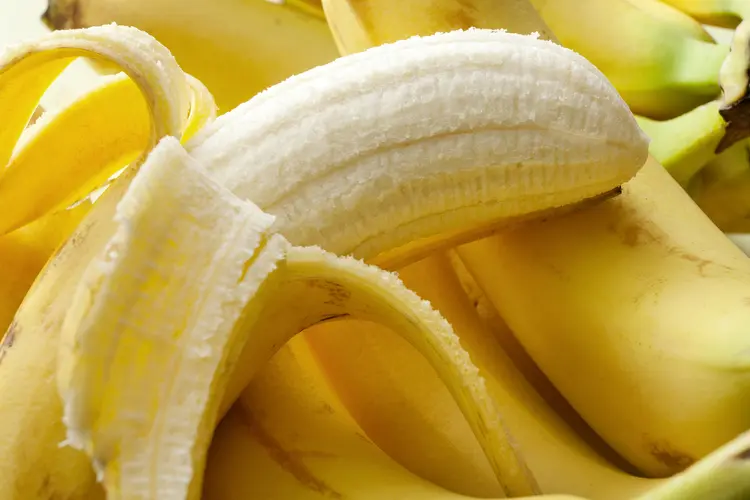
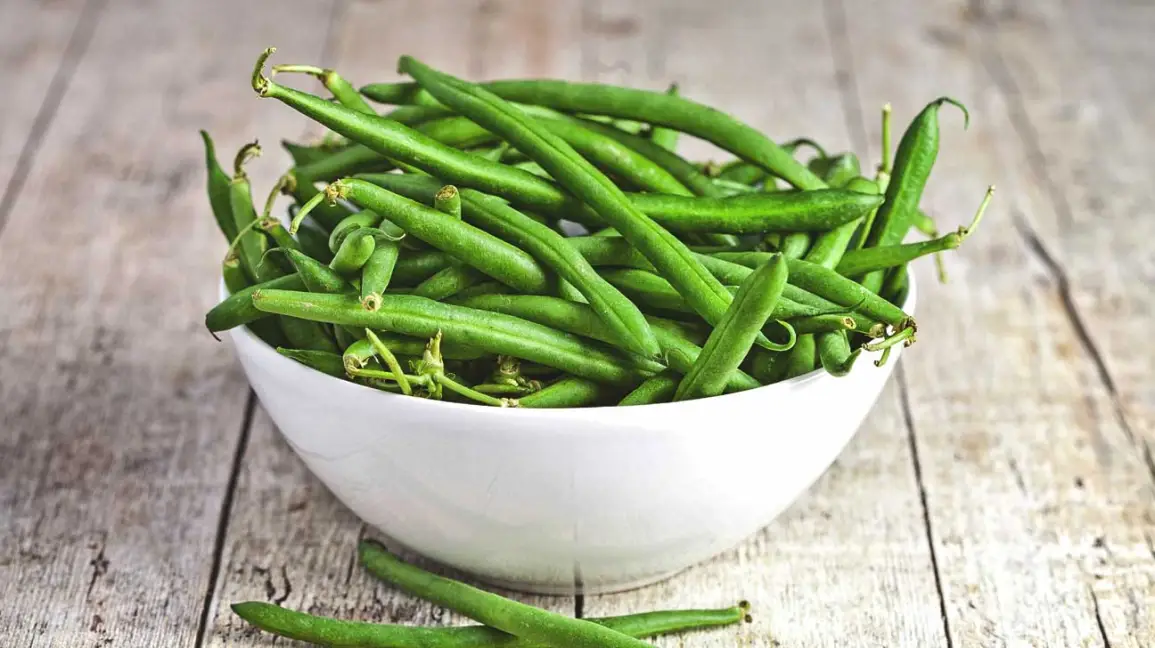
India is the origin of Blue Chemp Agro Pvt. Ltd., which lists 28 active fresh produce items in its catalogue. The company’s portfolio covers a broad set of fresh vegetables such as cabbage, tomato, capsicum, brinjal, cauliflower, and green beans, as well as fresh fruits including mango, jackfruit and banana. The banana entry is recorded with HS code 0803.90 and identified as Musa acuminata (Cavendish variety). Other listed items include root vegetables like carrot, radish, and tubers such as yams and elephant yam. All products are presented under the fresh produce categories without additional processing.
Product Range and Specialties of Blue Chemp Agro Pvt. Ltd.
Blue Chemp Agro’s catalogue includes 28 fresh horticultural items spanning leafy vegetables, fruiting crops, tubers and aromatic roots. In international trade, fresh cabbage (HS 0704) is typically graded by head weight (500‑800 g) and outer leaf condition, while tomatoes (HS 0803) are sorted by size (No. 1 = 50‑80 mm) and firmness. Capsicum (HS 0709) grades often reference colour uniformity and skin smoothness. Mangoes (HS 0804) are commonly classified by Brix sweetness (12‑15 % Brix) and absence of blemishes. Root crops such as carrot and radish are evaluated for diameter (30‑50 mm) and moisture content below 90 %. Standard export packaging for these products includes ventilated cardboard boxes (10 kg for tomatoes, 20 kg for cabbage) and refrigerated containers (20‑ft or 40‑ft) to maintain the cold chain. Buyers usually request compliance with GlobalGAP or APEDA standards, which cover pesticide residue limits, microbiological criteria, and traceability.
Trade and Export Information - Blue Chemp Agro Pvt. Ltd.
India is a major exporter of fresh vegetables and fruits, with key markets in the Middle East, the European Union, and North America. Export shipments from India typically use HS chapters 07 and 08, covering fresh vegetables (0701‑0714) and fresh fruits (0801‑0806). Importing countries often require a phytosanitary certificate, a certificate of origin, and compliance with maximum residue limits (MRLs) set by Codex Alimentarius. For banana (HS 0803.90) and mango (HS 0804), buyers frequently ask for a GlobalGAP audit report and a cold‑chain compliance statement. Refrigerated sea freight in 20‑ft or 40‑ft containers, as well as air freight for high‑value items, are common logistics choices. Indian exporters generally follow the Incoterms CIF or FOB, and packaging must meet ISPM 15 standards for wooden pallets used in container loading.
Sourcing from Blue Chemp Agro Pvt. Ltd. - Buyer Guidance
Potential buyers should request a recent phytosanitary certificate and a test report confirming compliance with Codex MRLs for pesticides on each vegetable or fruit. Sample shipments are often evaluated for size uniformity, colour, firmness and absence of bruising, with grading sheets aligned to GlobalGAP specifications. Verification of the supplier’s GlobalGAP or APEDA registration, if available, helps confirm adherence to Good Agricultural Practices. Buyers should also confirm container pre‑cooling temperature (typically 0 °C ± 2 °C for leafy greens and 12 °C ± 2 °C for mangoes) and the use of ventilated packaging to prevent moisture buildup. Typical minimum order quantities range from 500 kg to 2 t per product, with lead times of 10‑15 days from harvest to shipment, depending on seasonality.
Frequently Asked Questions About Blue Chemp Agro Pvt. Ltd.
What types of fresh produce does Blue Chemp Agro list?
They list 28 items including cabbage, tomato, capsicum, jackfruit, brinjal, cauliflower, mango, banana (HS 0803.90) and a range of root vegetables such as carrot, radish, yams, garlic and ginger.
Which HS codes are applicable to the supplier’s products?
The catalogue mentions HS 0803.90 for fresh banana; other products fall under standard HS chapters for fresh horticulture, e.g., HS 0704 for cabbage, HS 0803 for tomato, HS 0709 for capsicum, HS 0804 for mango, HS 0705 for brinjal, HS 0701 for cauliflower, and HS 0703 for garlic and ginger.
What certifications should a buyer request from this supplier?
Buyers should request a phytosanitary certificate, a certificate of origin, and, where available, GlobalGAP or APEDA audit reports that cover pesticide residues, microbiological limits and traceability.
How are the fresh vegetables typically packaged for export?
Export packaging commonly uses ventilated cardboard boxes (10 kg for tomatoes, 20 kg for cabbage) stacked in refrigerated containers; root crops are often packed in perforated polypropylene crates, and bananas are placed in insulated boxes with ethylene absorbers.
What are the usual shipping terms and container types?
Shipments are usually made under CIF or FOB terms, using 20‑ft or 40‑ft refrigerated containers (reefers) for temperature‑sensitive items; air freight is an option for high‑value or time‑critical produce.
What quality parameters are inspected before loading?
Inspection typically covers size grading (e.g., cabbage head weight 500‑800 g), colour uniformity, firmness, moisture content below 90 % for root vegetables, Brix level for mangoes (12‑15 % Brix), and compliance with Codex MRLs for pesticide residues.
What are typical minimum order quantities and lead times?
Minimum order quantities generally range from 500 kg to 2 tonnes per product, and lead times from harvest to shipment are usually 10‑15 days, varying with seasonal availability.




 , India