Bhutan Herb Exporter — Verified Supplier

About Bhutan Herb Exporter - Herbs Supplier in Bhutan

Bhutan Herb Exporter is based in Bhutan and currently lists 21 active products. The catalogue spans herbs, herbal extracts, black cardamom, mushrooms, and assorted plant extracts. Products are organized under HS code families typical for spices and botanicals, such as HS 0906 for cinnamon. The supplier’s trust tier is listed as “harbor” indicating a mid‑level verification in B2B platforms. No additional corporate history is provided beyond the product count and categories.

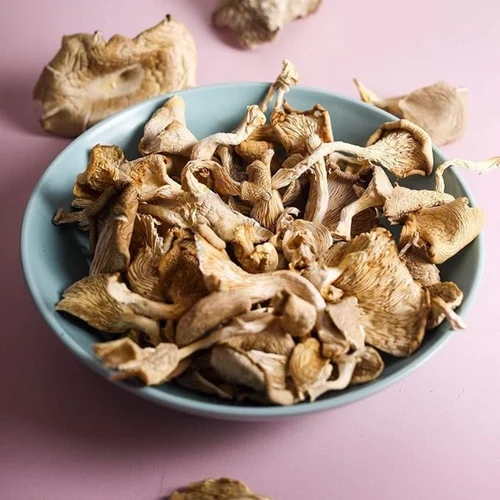
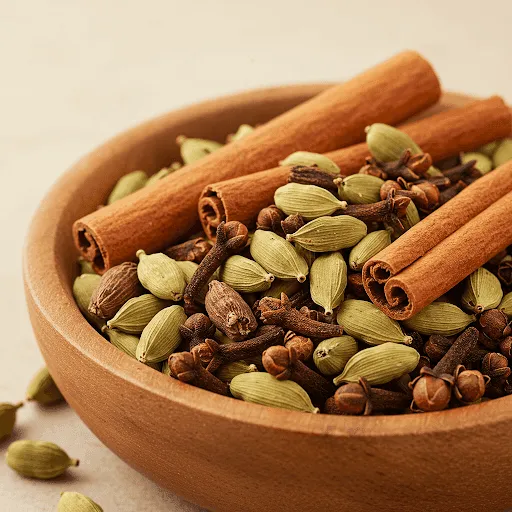
Specific items include Jatamansi, Cinnamon (HS 0906.20, derived from Cinnamomum verum or C. cassia), Large Cardamom (Amomum subulatum), Soap Nut, and Matsutake Mushroom. Other listed botanicals comprise Himalayan Onion, Indian Gooseberry, various Rhododendron species, and Tiger Grass among others. While only Cinnamon has an explicit HS code in the data, similar herbs typically fall under HS 1211 and mushrooms under HS 0712. The product mix reflects both culinary spices and medicinal plants commonly sourced from the Himalayan region. No claim is made regarding certifications or export volumes.

Product Range and Specialties of Bhutan Herb Exporter

The catalogue covers dried spices such as Cinnamon and Large Cardamom, which are graded by size, moisture content (usually below 8 %) and absence of foreign matter; premium grades often correspond to ICUMSA 45 for purity in related sugar‑spice blends. Herbs like Jatamansi and Indian Gooseberry are evaluated for organoleptic quality, moisture under 12 %, and microbial limits of ≤10³ CFU/g for total plate count. Mushrooms, exemplified by Matsutake, are classified by cap diameter (typically 5 - 7 cm) and free from mold, and are shipped in breathable packaging to preserve aroma. The plant extracts category includes dried foliage and roots that are commonly processed into powdered extracts meeting USP‑type specifications for active constituent percentages. Industry standards for these categories frequently require ISO 9001 quality management, Good Agricultural Practices (GAP), and where organic claims are made, certification to EU organic or USDA NOP. Typical packaging includes food‑grade polypropylene bags of 20 kg for herbs and spices, 10 kg cartons for mushrooms, and sealed jars for extracts, all complying with ISPM 15 when wooden pallets are used. Shipment sizes range from single 20‑ft containers (≈15 t) to larger 40‑ft containers (≈30 t) depending on order volume.

Trade and Export Information - Bhutan Herb Exporter

Bhutan’s high‑altitude climate supports the cultivation of aromatic herbs and wild mushrooms, making the country a niche exporter to regions such as the European Union, United States, Japan, and South Asian markets. Exported goods are classified under HS chapters 09 (spices), 12 (herbs and plant extracts), and 07 (vegetables and mushrooms), with customs authorities often requiring phytosanitary certificates and compliance with EU Regulation No 2021/382 for spice safety. Buyers typically request documentation including a phytosanitary certificate, Certificate of Origin, and any applicable organic or GMP certifications; these documents are examined alongside laboratory test reports for moisture, pesticide residues, and microbial limits. Logistics commonly involve FOB loading at the nearest port (e.g., Mongar or Paro), containerization on 20‑ft or 40‑ft vessels, and use of Incoterms such as CIF for European destinations. Bhutan’s export infrastructure emphasizes sustainable harvesting, and exporters often work with the Ministry of Economic Affairs to meet bilateral trade agreements.

Sourcing from Bhutan Herb Exporter - Buyer Guidance

Prospective buyers should verify that samples meet the moisture (<12 % for herbs, <8 % for spices) and microbial criteria (≤10³ CFU/g total plate count) common in the industry, and request laboratory analysis reports for pesticide residues in accordance with EU maximum residue limits. It is advisable to request a Certificate of Origin, phytosanitary certificate, and, if organic claims are needed, an independent organic certification, as the supplier’s listed data does not include any certifications. Standard minimum order quantities for dried herbs and spices range from 500 kg to 1 t per shipment, while specialty items such as Matsutake mushroom may have higher MOQ due to seasonal availability. Lead times of 30 - 45 days are typical after order confirmation, and buyers should confirm packaging specifications (e.g., 20 kg PP bags on ISPM‑15 compliant pallets) and preferred Incoterms before finalizing contracts.

Frequently Asked Questions About Bhutan Herb Exporter

What product categories does Bhutan Herb Exporter list?

The supplier lists herbs, herbal extracts, black cardamom, mushrooms, and various plants and plant extracts, covering 21 individual items such as Jatamansi, Cinnamon (HS 0906.20), Large Cardamom, and Matsutake Mushroom.

How can I request a sample?

Buyers can request a physical sample by specifying the product name, desired quantity (typically 1 kg for herbs and 0.5 kg for mushrooms), and preferred shipping terms; the supplier will arrange shipment under standard Incoterms such as FOB.

Which certifications should I verify?

Since no certifications are listed, buyers should ask for ISO 9001, GMP, organic certification if required, and any phytosanitary certificates; these are common requirements for herbal and spice exports.

What are the typical HS codes for these products?

Cinnamon is classified under HS 0906.20; most dried herbs fall under HS 1211, black cardamom under HS 0909, mushrooms under HS 0712, and other plant material under HS 1211 or HS 0602 depending on form.

What packaging formats are common?

Dried herbs and spices are usually packed in food‑grade polypropylene bags of 20 kg or 25 kg, while mushrooms are supplied in 10 kg cartons with breathable liners; all packaging complies with ISPM 15 for wood pallets.

What are typical lead times?

After order confirmation and receipt of sample approval, production and packing generally require 30 - 45 days, with longer times for seasonal items such as Matsutake mushroom.

Which markets import Bhutanese herbs?

Major importers include the European Union, United States, Japan, and neighboring South Asian countries; these markets commonly require compliance with EU spice regulations and US FDA food safety standards.


Featured Products from this Supplier

Other Suppliers in Primary Category

Top Trusted Suppliers

Related Products

Trending in Parent Category

More Suppliers in Category

Related Products

Other Suppliers

EximNext
58.5K+ live requirements
Register Free🎁 Reach verified global buyers
Post Requirement
🌍 Trusted by 224.6K+ businesses in 200+ countries|
58.5K+ active requirements right now
✉️ [email protected]
|
Sell on EximNextPost Requirement
EximNext
AgricultureApparelConstructionElectronicFoodHomeIndustrialMineralsMiscellaneous
🔥 Deals|✨ AI Match|🏭 Suppliers|📋 Buy Leads|💰 Trade Finance
58.5K+ live RFQs·194.6K+ suppliers
🎁 Reach global buyers →
EximNext
EximNext
Register Free
🎁 Reach verified global buyers
Sign In
📋Post Requirement💬Get QuotesAI Match📋RFQ Marketplace
All Categories
Services & Tools
🏭Supplier Directory🔥Today's Deals💰Trade Finance
Sell on EximNext
AboutContactBlogHelp
🏭

Bhutan Herb Exporter

Harbor
Country flag , Bhutan
🛡️
77/100
Trust Score

Bhutan Herb Exporter Product Catalog

Showing 12 of 32 products
View all products →
Graceful Pouzolzsbush
Harbor
Graceful Pouzolzsbush
Contact
MOQ: 1 Unit
Tiger Grass
Harbor
Tiger Grass
Contact
MOQ: 1 Unit
Sweet Flag
Harbor
Sweet Flag
Contact
MOQ: 1 Unit
Stinging Nettle Plant
Harbor
Stinging Nettle Plant
Contact
MOQ: 1 Unit
Soft Bollygum
Harbor
Soft Bollygum
Contact
MOQ: 1 Unit
Small Bitter Root
Harbor
Small Bitter Root
Contact
MOQ: 1 Unit
Sikkim Rhubarb
Harbor
Sikkim Rhubarb
Contact
MOQ: 1 Unit
Rosy False Tamarisk
Harbor
Rosy False Tamarisk
Contact
MOQ: 1 Unit
Myrobalan
Harbor
Myrobalan
Contact
MOQ: 1 Unit
Monkshood
Harbor
Monkshood
Contact
MOQ: 1 Unit
Matsutake Mushroom
Harbor
Matsutake Mushroom
Contact
MOQ: 1 Unit
Indian Soapberry
Harbor
Indian Soapberry
Contact
MOQ: 1 Unit

About Bhutan Herb Exporter - Herbs Supplier in Bhutan

Bhutan Herb Exporter is based in Bhutan and currently lists 21 active products. The catalogue spans herbs, herbal extracts, black cardamom, mushrooms, and assorted plant extracts. Products are organized under HS code families typical for spices and botanicals, such as HS 0906 for cinnamon. The supplier’s trust tier is listed as “harbor” indicating a mid‑level verification in B2B platforms. No additional corporate history is provided beyond the product count and categories.

Specific items include Jatamansi, Cinnamon (HS 0906.20, derived from Cinnamomum verum or C. cassia), Large Cardamom (Amomum subulatum), Soap Nut, and Matsutake Mushroom. Other listed botanicals comprise Himalayan Onion, Indian Gooseberry, various Rhododendron species, and Tiger Grass among others. While only Cinnamon has an explicit HS code in the data, similar herbs typically fall under HS 1211 and mushrooms under HS 0712. The product mix reflects both culinary spices and medicinal plants commonly sourced from the Himalayan region. No claim is made regarding certifications or export volumes.

Product Range and Specialties of Bhutan Herb Exporter

The catalogue covers dried spices such as Cinnamon and Large Cardamom, which are graded by size, moisture content (usually below 8 %) and absence of foreign matter; premium grades often correspond to ICUMSA 45 for purity in related sugar‑spice blends. Herbs like Jatamansi and Indian Gooseberry are evaluated for organoleptic quality, moisture under 12 %, and microbial limits of ≤10³ CFU/g for total plate count. Mushrooms, exemplified by Matsutake, are classified by cap diameter (typically 5 - 7 cm) and free from mold, and are shipped in breathable packaging to preserve aroma. The plant extracts category includes dried foliage and roots that are commonly processed into powdered extracts meeting USP‑type specifications for active constituent percentages. Industry standards for these categories frequently require ISO 9001 quality management, Good Agricultural Practices (GAP), and where organic claims are made, certification to EU organic or USDA NOP. Typical packaging includes food‑grade polypropylene bags of 20 kg for herbs and spices, 10 kg cartons for mushrooms, and sealed jars for extracts, all complying with ISPM 15 when wooden pallets are used. Shipment sizes range from single 20‑ft containers (≈15 t) to larger 40‑ft containers (≈30 t) depending on order volume.

Trade and Export Information - Bhutan Herb Exporter

Bhutan’s high‑altitude climate supports the cultivation of aromatic herbs and wild mushrooms, making the country a niche exporter to regions such as the European Union, United States, Japan, and South Asian markets. Exported goods are classified under HS chapters 09 (spices), 12 (herbs and plant extracts), and 07 (vegetables and mushrooms), with customs authorities often requiring phytosanitary certificates and compliance with EU Regulation No 2021/382 for spice safety. Buyers typically request documentation including a phytosanitary certificate, Certificate of Origin, and any applicable organic or GMP certifications; these documents are examined alongside laboratory test reports for moisture, pesticide residues, and microbial limits. Logistics commonly involve FOB loading at the nearest port (e.g., Mongar or Paro), containerization on 20‑ft or 40‑ft vessels, and use of Incoterms such as CIF for European destinations. Bhutan’s export infrastructure emphasizes sustainable harvesting, and exporters often work with the Ministry of Economic Affairs to meet bilateral trade agreements.

Sourcing from Bhutan Herb Exporter - Buyer Guidance

Prospective buyers should verify that samples meet the moisture (<12 % for herbs, <8 % for spices) and microbial criteria (≤10³ CFU/g total plate count) common in the industry, and request laboratory analysis reports for pesticide residues in accordance with EU maximum residue limits. It is advisable to request a Certificate of Origin, phytosanitary certificate, and, if organic claims are needed, an independent organic certification, as the supplier’s listed data does not include any certifications. Standard minimum order quantities for dried herbs and spices range from 500 kg to 1 t per shipment, while specialty items such as Matsutake mushroom may have higher MOQ due to seasonal availability. Lead times of 30 - 45 days are typical after order confirmation, and buyers should confirm packaging specifications (e.g., 20 kg PP bags on ISPM‑15 compliant pallets) and preferred Incoterms before finalizing contracts.

Frequently Asked Questions About Bhutan Herb Exporter

What product categories does Bhutan Herb Exporter list?

The supplier lists herbs, herbal extracts, black cardamom, mushrooms, and various plants and plant extracts, covering 21 individual items such as Jatamansi, Cinnamon (HS 0906.20), Large Cardamom, and Matsutake Mushroom.

How can I request a sample?

Buyers can request a physical sample by specifying the product name, desired quantity (typically 1 kg for herbs and 0.5 kg for mushrooms), and preferred shipping terms; the supplier will arrange shipment under standard Incoterms such as FOB.

Which certifications should I verify?

Since no certifications are listed, buyers should ask for ISO 9001, GMP, organic certification if required, and any phytosanitary certificates; these are common requirements for herbal and spice exports.

What are the typical HS codes for these products?

Cinnamon is classified under HS 0906.20; most dried herbs fall under HS 1211, black cardamom under HS 0909, mushrooms under HS 0712, and other plant material under HS 1211 or HS 0602 depending on form.

What packaging formats are common?

Dried herbs and spices are usually packed in food‑grade polypropylene bags of 20 kg or 25 kg, while mushrooms are supplied in 10 kg cartons with breathable liners; all packaging complies with ISPM 15 for wood pallets.

What are typical lead times?

After order confirmation and receipt of sample approval, production and packing generally require 30 - 45 days, with longer times for seasonal items such as Matsutake mushroom.

Which markets import Bhutanese herbs?

Major importers include the European Union, United States, Japan, and neighboring South Asian countries; these markets commonly require compliance with EU spice regulations and US FDA food safety standards.

About Bhutan Herb Exporter - Herbs Supplier in Bhutan

Bhutan Herb Exporter is based in Bhutan and currently lists 21 active products. The catalogue spans herbs, herbal extracts, black cardamom, mushrooms, and assorted plant extracts. Products are organized under HS code families typical for spices and botanicals, such as HS 0906 for cinnamon. The supplier’s trust tier is listed as “harbor” indicating a mid‑level verification in B2B platforms. No additional corporate history is provided beyond the product count and categories.

Specific items include Jatamansi, Cinnamon (HS 0906.20, derived from Cinnamomum verum or C. cassia), Large Cardamom (Amomum subulatum), Soap Nut, and Matsutake Mushroom. Other listed botanicals comprise Himalayan Onion, Indian Gooseberry, various Rhododendron species, and Tiger Grass among others. While only Cinnamon has an explicit HS code in the data, similar herbs typically fall under HS 1211 and mushrooms under HS 0712. The product mix reflects both culinary spices and medicinal plants commonly sourced from the Himalayan region. No claim is made regarding certifications or export volumes.

Product Range and Specialties of Bhutan Herb Exporter

The catalogue covers dried spices such as Cinnamon and Large Cardamom, which are graded by size, moisture content (usually below 8 %) and absence of foreign matter; premium grades often correspond to ICUMSA 45 for purity in related sugar‑spice blends. Herbs like Jatamansi and Indian Gooseberry are evaluated for organoleptic quality, moisture under 12 %, and microbial limits of ≤10³ CFU/g for total plate count. Mushrooms, exemplified by Matsutake, are classified by cap diameter (typically 5 - 7 cm) and free from mold, and are shipped in breathable packaging to preserve aroma. The plant extracts category includes dried foliage and roots that are commonly processed into powdered extracts meeting USP‑type specifications for active constituent percentages. Industry standards for these categories frequently require ISO 9001 quality management, Good Agricultural Practices (GAP), and where organic claims are made, certification to EU organic or USDA NOP. Typical packaging includes food‑grade polypropylene bags of 20 kg for herbs and spices, 10 kg cartons for mushrooms, and sealed jars for extracts, all complying with ISPM 15 when wooden pallets are used. Shipment sizes range from single 20‑ft containers (≈15 t) to larger 40‑ft containers (≈30 t) depending on order volume.

Trade and Export Information - Bhutan Herb Exporter

Bhutan’s high‑altitude climate supports the cultivation of aromatic herbs and wild mushrooms, making the country a niche exporter to regions such as the European Union, United States, Japan, and South Asian markets. Exported goods are classified under HS chapters 09 (spices), 12 (herbs and plant extracts), and 07 (vegetables and mushrooms), with customs authorities often requiring phytosanitary certificates and compliance with EU Regulation No 2021/382 for spice safety. Buyers typically request documentation including a phytosanitary certificate, Certificate of Origin, and any applicable organic or GMP certifications; these documents are examined alongside laboratory test reports for moisture, pesticide residues, and microbial limits. Logistics commonly involve FOB loading at the nearest port (e.g., Mongar or Paro), containerization on 20‑ft or 40‑ft vessels, and use of Incoterms such as CIF for European destinations. Bhutan’s export infrastructure emphasizes sustainable harvesting, and exporters often work with the Ministry of Economic Affairs to meet bilateral trade agreements.

Sourcing from Bhutan Herb Exporter - Buyer Guidance

Prospective buyers should verify that samples meet the moisture (<12 % for herbs, <8 % for spices) and microbial criteria (≤10³ CFU/g total plate count) common in the industry, and request laboratory analysis reports for pesticide residues in accordance with EU maximum residue limits. It is advisable to request a Certificate of Origin, phytosanitary certificate, and, if organic claims are needed, an independent organic certification, as the supplier’s listed data does not include any certifications. Standard minimum order quantities for dried herbs and spices range from 500 kg to 1 t per shipment, while specialty items such as Matsutake mushroom may have higher MOQ due to seasonal availability. Lead times of 30 - 45 days are typical after order confirmation, and buyers should confirm packaging specifications (e.g., 20 kg PP bags on ISPM‑15 compliant pallets) and preferred Incoterms before finalizing contracts.

Frequently Asked Questions About Bhutan Herb Exporter
What product categories does Bhutan Herb Exporter list?
The supplier lists herbs, herbal extracts, black cardamom, mushrooms, and various plants and plant extracts, covering 21 individual items such as Jatamansi, Cinnamon (HS 0906.20), Large Cardamom, and Matsutake Mushroom.
How can I request a sample?
Buyers can request a physical sample by specifying the product name, desired quantity (typically 1 kg for herbs and 0.5 kg for mushrooms), and preferred shipping terms; the supplier will arrange shipment under standard Incoterms such as FOB.
Which certifications should I verify?
Since no certifications are listed, buyers should ask for ISO 9001, GMP, organic certification if required, and any phytosanitary certificates; these are common requirements for herbal and spice exports.
What are the typical HS codes for these products?
Cinnamon is classified under HS 0906.20; most dried herbs fall under HS 1211, black cardamom under HS 0909, mushrooms under HS 0712, and other plant material under HS 1211 or HS 0602 depending on form.
What packaging formats are common?
Dried herbs and spices are usually packed in food‑grade polypropylene bags of 20 kg or 25 kg, while mushrooms are supplied in 10 kg cartons with breathable liners; all packaging complies with ISPM 15 for wood pallets.
What are typical lead times?
After order confirmation and receipt of sample approval, production and packing generally require 30 - 45 days, with longer times for seasonal items such as Matsutake mushroom.
Which markets import Bhutanese herbs?
Major importers include the European Union, United States, Japan, and neighboring South Asian countries; these markets commonly require compliance with EU spice regulations and US FDA food safety standards.

🏭
Bhutan Herb Exporter
Country flag , Bhutan
Harbor
77/100
Trust Score
📦
32
Products
Free to contact — no commission
Escrow payment available
Verified business identity
Compare more suppliers
Post a requirement — get 10 quotes free
Let verified suppliers compete for your business. Free, fast, no commitment.
EximNext Verified Supplier
Business identity verified
Physical address confirmed
Financial history checked
Certifications authenticated
Trade references validated
Due Diligence
Verify this supplier's real shipping history.
Every shipment, every buyer, every port. Trade data that can't be faked.
Run due diligence →
Discover More

Related Suppliers & Products

Explore similar suppliers, related products and trending categories

Featured Products from this Supplier

Other Suppliers in Primary Category

Top Trusted Suppliers

Related Products

Trending in Parent Category

More Suppliers in Category

Stay ahead in global trade
Weekly market insights & new supplier alerts.
EximNext
Exim Next is a leading global B2B marketplace, connecting over 205,000 verified suppliers and buyers across 200+ countries. As a trusted import export marketplace, it serves as the essential B2B portal for businesses worldwide, empowering them to expand their international reach. With Exim Next, businesses can trade smarter and grow faster.
SECURE PAYMENTS
VISAMastercardPayPalSWIFTL/CEscrow
Follow us
© 2026 EximNext