Beijing Northglass Technologies Co.,Ltd — Supplier
About Beijing Northglass Technologies Co.,Ltd - Agriculture Supplier in China
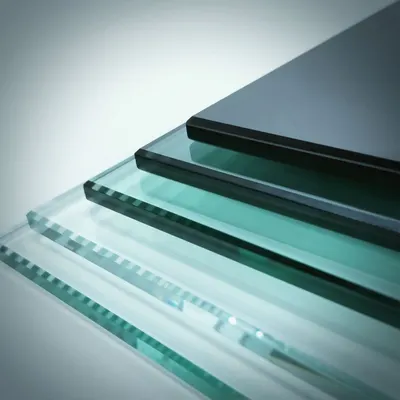
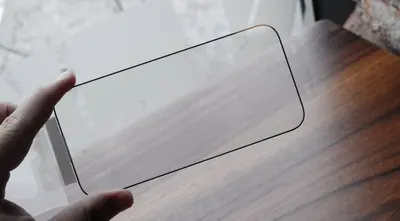
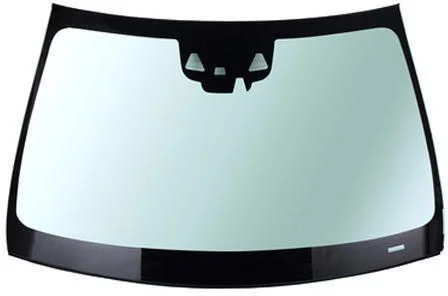
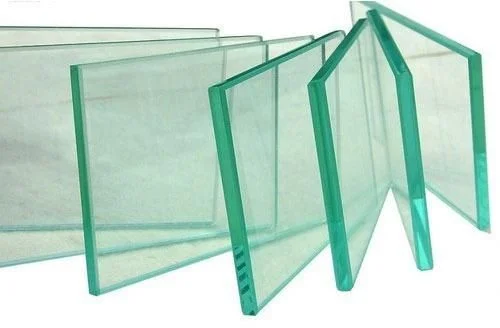
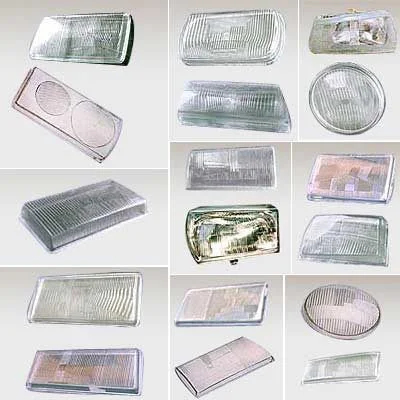
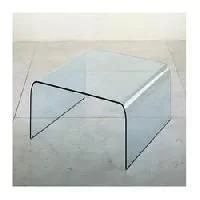
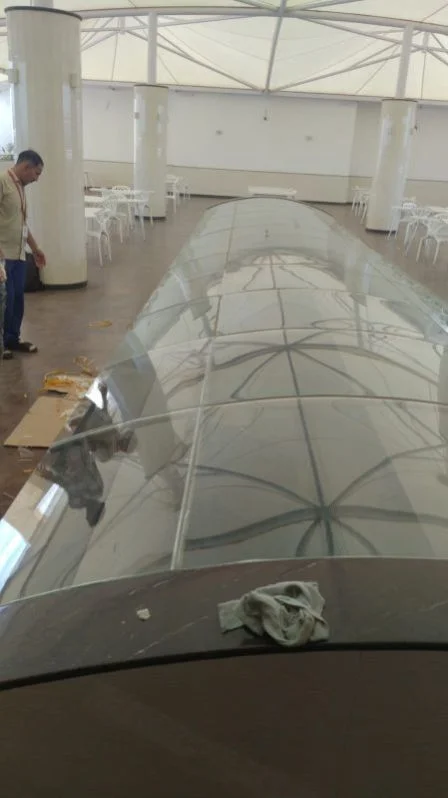
Beijing, China is the base for Beijing Northglass Technologies Co.,Ltd, which currently lists 19 distinct glass‑related products in its online catalogue. The catalogue includes a variety of processed glass items such as holes and notches, edge work, curved glass, low‑iron float glass, frosted, sandblasted, lacquered, tempered, laminated, insulated, silk‑screen printed, digitally printed, bullet‑proof, fireplace ceramic, smart, self‑clean nano‑coated, clear float, reflective and mirror glass. Each entry is recorded under the broad agricultural category in the platform taxonomy, but the technical focus is on architectural and specialty glass processing. The listed items cover primary glass types (float, reflective, mirror) and secondary treatments (tempering, laminating, insulating, printing, coating). The product set reflects typical downstream applications in construction, automotive, interior design and security installations. No HS codes are supplied in the source data, so the description remains limited to the product names and processing methods that the supplier has made publicly available.
Product Range and Specialties of Beijing Northglass Technologies Co.,Ltd
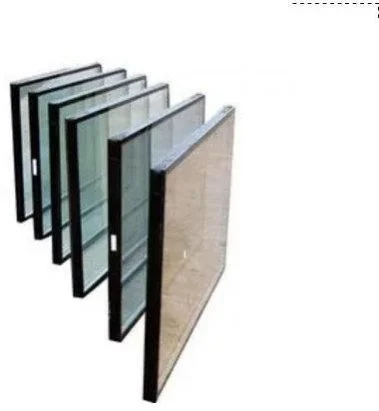
The catalogue spans flat and shaped glass formats. Low‑iron glass is commonly specified for high‑transmission applications and is measured by visible light transmission values of 88 % + and a green‑tint index below 10 % IC. Tempered glass typically meets ISO 12543‑2 strength requirements of at least 1.5 times the strength of annealed glass, with surface compression of 100 MPa or higher. Laminated glass uses PVB interlayers of 0.38 mm to 0.76 mm thickness, delivering acoustic attenuation of 30 dB and meeting EN 14607 fire‑resistance standards when required. Insulated glass units (IGUs) are assembled with spacer bars and sealed edges, with U‑values ranging from 1.1 W/m²·K for double‑glazing to 0.6 W/m²·K for high‑performance triple glazing. Bullet‑proof glass is classified by BR rating (e.g., BR 2, BR 3) and must pass NIJ 0108 ballistic testing. Smart glass incorporates electrochromic layers that switch between 10 % and 85 % visible light transmission at 2.5 V, while nano‑coated self‑clean glass typically exhibits a water contact angle above 110° for hydrophobic performance. Printing options include silk‑screen and digital UV inks, which are cured to meet ASTM D5250 abrasion resistance standards.
Trade and Export Information - Beijing Northglass Technologies Co.,Ltd
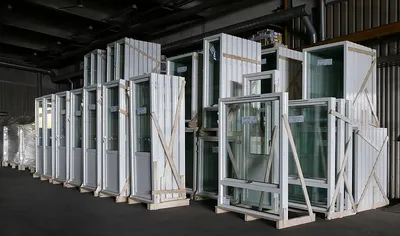
Chinese glass manufacturers regularly export flat and processed glass under HS chapter 70, with HS 7007 covering flat glass and HS 7008 covering other processed glass items. Major import destinations include the European Union, United States, Southeast Asia and the Middle East, where the construction, automotive and high‑security sectors drive demand. Buyers typically request compliance with ISO 9001 quality‑management systems, CE marking for EU market entry, and UL certifications for North American safety standards. Packaging for 19 mm‑thick float glass usually involves wooden crates with edge protection, loaded into 20‑ft or 40‑ft containers at an average of 4 tonnes per container. Common Incoterms are FOB Shanghai or CIF destination port, with customs inspections focusing on declared HS codes, material safety data sheets for coating chemicals, and conformity certificates for fire‑rated or ballistic products.
Sourcing from Beijing Northglass Technologies Co.,Ltd - Buyer Guidance
When evaluating Beijing Northglass Technologies Co.,Ltd, buyers should ask for product data sheets that list thickness tolerances (±2 mm for standard float, ±1 mm for specialty glass), optical transmission values, and mechanical strength test results such as ASTM C1048 for tempered glass. For laminated and insulated units, request the PVB interlayer specification, spacer material details and thermal performance reports (U‑value calculations). Bullet‑proof and fire‑rated glass require the latest NIJ or EN 14607 test certificates; obtaining copies before order confirmation is standard practice. Sample orders are typically limited to 1 m² panels for visual inspection, while full‑scale performance testing is done on laboratory‑grade specimens. Verify that any coating processes (nano‑coating, lacquer) are accompanied by durability test results, such as salt‑spray or abrasion cycles, to ensure long‑term performance.
Frequently Asked Questions About Beijing Northglass Technologies Co.,Ltd
What types of glass does Beijing Northglass Technologies Co.,Ltd list in its catalogue?
The supplier lists 19 items, including flat float, low‑iron, reflective, mirror, frosted, sandblasted, lacquered, tempered, laminated, insulated, bullet‑proof, fireplace ceramic, smart, self‑clean nano‑coated, silk‑screen printed and digitally printed glass.
Are HS codes provided for the listed products?
No HS codes are included in the source data; however, the products fall under HS 7007 (flat glass) or HS 7008 (other processed glass) in standard customs classification.
What certifications should a buyer request for these glass products?
Buyers should request ISO 9001 quality‑management certification, CE conformity for EU shipments, UL listings for North America, and specific test reports such as ASTM C1048 for tempered glass or NIJ 0108 for bullet‑proof glass.
What is a typical minimum order quantity (MOQ) for custom‑processed glass?
MOQs vary by processing type; for standard float or reflective glass, 5 tonnes per order is common, while specialty treatments like smart or nano‑coated glass often start at 1 tonne or a single panel for sampling.
What lead time can be expected for tempered or laminated glass?
Manufacturers in China usually require 25‑35 working days for tempered glass and 30‑40 working days for laminated glass after final artwork or performance specifications are approved.
How is the glass packaged for international shipment?
Glass is typically packed in wooden crates with edge protectors, shrink‑wrapped, and loaded into 20‑ft or 40‑ft containers; insulated units may be wrapped in foam and placed on pallets to prevent vibration damage.
Which markets most frequently import Chinese specialty glass?
The EU, United States, Gulf Cooperation Council countries and Southeast Asian nations are the largest importers of Chinese specialty glass, especially for construction façades, automotive glazing and security applications.




 , China