Bedook Electronic Co., Ltd. — Verified Supplier
About Bedook Electronic Co., Ltd. - Electronic Sensors Supplier in China
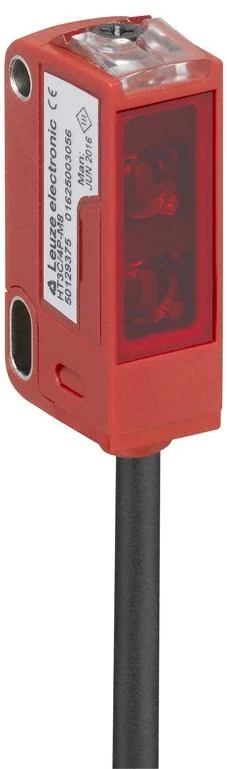
China hosts Bedook Electronic Co., Ltd., which currently lists five distinct sensor products in its catalogue. The company is classified under the electronic sensors category and offers an ultra‑mini inductive proximity sensor, a long‑sensing range inductive proximity sensor, a metal‑face inductive proximity sensor, a photoelectric sensor, and a capacitive proximity sensor. Each product is identified by its functional type rather than a model code, and all fall within the broader HS‑code family for electronic measuring instruments. The catalogue does not provide HS‑codes, certifications, or detailed technical parameters, limiting the description to the product names and category. The supplier’s trust tier is listed as “harbor,” indicating a mid‑level verification level in the platform’s rating system.
Product Range and Specialties of Bedook Electronic Co., Ltd.
The ultra‑mini inductive proximity sensor is typically used for tight‑space applications and often features sensing distances of 2 - 6 mm, operating voltages of 12 - 24 V DC, and an IP67 protection rating. Long‑sensing range inductive sensors generally reach 10 - 30 mm, employ stainless‑steel housings, and may include NPN or PNP output options. Metal‑face inductive sensors are designed for environments with high contamination and often provide a robust stainless‑steel front plate with sensing distances up to 20 mm. Photoelectric sensors in this segment usually support adjustable detection ranges from 0.1 m to several meters, with options for through‑beam, retro‑reflective, or diffuse modes, and conform to IEC 60947‑5‑6 standards. Capacitive proximity sensors detect both metal and non‑metallic targets, commonly offering sensing distances of 0.5 - 10 mm and operating in humid or dusty conditions, with typical compliance to IEC 61496‑1. Typical industry specifications for these sensor families include temperature operating ranges of - 25 °C to +85 °C, response times under 1 ms, and output current ratings of 10 - 20 mA.
Trade and Export Information - Bedook Electronic Co., Ltd.
Chinese sensor manufacturers such as Bedook generally ship to industrial automation hubs in Europe (Germany, Italy), North America (USA, Mexico), and emerging markets in Southeast Asia (Vietnam, Thailand). The primary HS‑code headings for these products are 9027.80 (instruments and apparatus for measuring or testing) and 8531.10 (electronic integrated circuits for sensing). Buyers frequently require CE marking for EU markets, RoHS compliance for hazardous substances, and UL certification for North American safety standards. Many importers also request ISO 9001 quality‑management certification as a baseline, although Bedook’s catalogue does not list any specific certifications. Standard packaging includes anti‑static bubble wrap, corrugated cartons, and palletisation for 20‑ft or 40‑ft containers, with common Incoterms of FOB Shanghai or CIF destination port. Chinese export regulations for electronic sensors mandate conformity to the China Compulsory Certification (CCC) program for certain safety‑critical items, which may affect customs clearance in some regions.
Sourcing from Bedook Electronic Co., Ltd. - Buyer Guidance
When evaluating Bedook’s sensors, request the latest datasheet that specifies sensing distance, supply voltage, output type, IP rating, and temperature range. Ask for a CE or RoHS declaration and, if applicable, a test report confirming compliance with IEC 60947‑5‑6 or IEC 61496‑1, depending on the sensor type. Verify the material of the sensor housing (e.g., stainless‑steel versus polymer) to ensure suitability for the intended environment. Typical minimum order quantities for Chinese sensor suppliers range from 100 to 500 pieces, with lead times of 15 - 30 days after order confirmation. Request a functional sample before committing to larger volumes to confirm performance against the specified parameters and to assess packaging integrity during transit.
Frequently Asked Questions About Bedook Electronic Co., Ltd.
What sensor types are listed in Bedook Electronic’s catalogue?
The catalogue lists an ultra‑mini inductive proximity sensor, a long‑range inductive proximity sensor, a metal‑face inductive proximity sensor, a photoelectric sensor, and a capacitive proximity sensor.
Are HS‑codes provided for Bedook’s products?
The supplied facts do not include HS‑codes for the individual sensors; typical HS headings for similar sensors are 9027.80 and 8531.10.
Which certifications should a buyer request from Bedook?
Buyers should request CE or RoHS declarations, and, where safety certification is needed, UL or CCC documentation, as these are common requirements for electronic sensors.
What are common technical specifications for inductive proximity sensors?
Inductive sensors usually specify a sensing distance of 2 - 30 mm, operating voltage of 12 - 24 V DC, IP67 protection, and NPN or PNP output currents of 10 - 20 mA.
How are photoelectric sensors typically packaged for export?
Exporters often use anti‑static bubble wrap inside corrugated cartons, palletised for 20‑ft or 40‑ft containers, to protect the optical components during sea freight.
What is a typical lead time and MOQ for sensors from Chinese suppliers like Bedook?
Lead times are generally 15 - 30 days after order confirmation, with minimum order quantities commonly ranging from 100 to 500 units depending on the sensor model.
Which markets most frequently import electronic sensors from China?
Major import markets include the European Union (especially Germany and Italy), the United States, Mexico, and Southeast Asian countries such as Vietnam and Thailand, driven by automotive and factory‑automation demand.
What documentation should accompany a sensor shipment?
Standard documentation includes a commercial invoice, packing list, certificate of origin, CE/RoHS declaration, and any test reports required by the destination country’s customs or safety regulations.




 , China