Baoji Xijing New Material Technology Limited — Verified Supplier
About Baoji Xijing New Material Technology Limited - Agriculture Supplier in China
The supplier is based in China and lists eight active products in its catalogue. All eight items are titanium components, including bars, sheets, rods, screws, fasteners, flangers, forgings and a copper‑clad alloy. The catalogue does not provide HS codes, but the product families correspond to standard HS headings for titanium metal such as 8102 for bars and rods and 8103 for sheets and plates. The supplier’s category is recorded as Agriculture, although the listed items belong to the metal and engineering materials segment.
The eight titanium products cover a range of forms used in manufacturing, construction and equipment applications. Each item is identified only by product name, without detailed specifications, dimensions or material grades. Buyers can therefore request additional data such as grade (e.g., Grade 2 or Ti‑6Al‑4V), dimensions, tolerances and surface treatment. The supplier’s trust tier is listed as harbor, indicating a mid‑level verification level in the platform’s rating system.
Product Range and Specialties of Baoji Xijing New Material Technology Limited
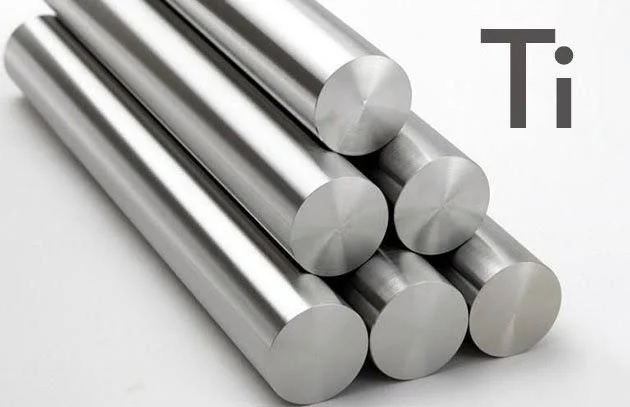
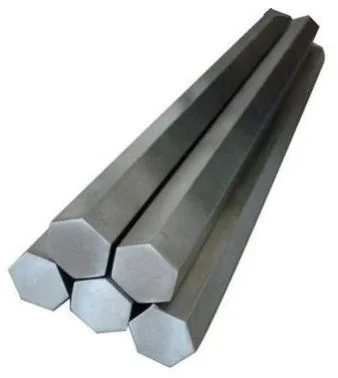
The catalogue includes titanium bar, sheet, rod, screw, fastener, flanger, forging and a titanium‑clad copper alloy. In the broader industry, titanium bars and rods are typically supplied in round, square or hexagonal cross‑sections and conform to ASTM B265 (for tubes and sheets) or ASTM B381 (for bars). Common grades are commercially pure Grade 2 and the alloy Grade 5 (Ti‑6Al‑4V), with specifications such as tensile strength 380‑620 MPa for Grade 2 and up to 950 MPa for Grade 5. Sheets are often offered in thicknesses from 0.5 mm to 6 mm and measured in millimetres, with surface finishes ranging from mill‑finished to polished. Fasteners and screws are usually produced to ISO 898‑1 mechanical property classes and may carry surface treatments like anodizing or passivation. The titanium‑clad copper product combines copper’s conductivity with titanium’s corrosion resistance, a combination found in marine and chemical‑process equipment.
Trade and Export Information - Baoji Xijing New Material Technology Limited
China ranks among the top global exporters of titanium metal, supplying aerospace, medical device and automotive sectors. Typical export destinations include the United States, Germany, Japan and South‑East Asian markets. HS chapter 81 covers titanium products, with bars and rods under 8102, sheets and plates under 8103, and forgings or other shapes under 8104. Buyers often require ISO 9001 quality‑management certification and material test reports that reference ASTM or ISO standards. For shipments, 20‑foot or 40‑foot containers are standard, with products packed in wooden crates, shrink‑wrapped pallets or steel drums, and protected with anti‑corrosion oil. Common Incoterms are FOB Shanghai or CIF destination port, depending on buyer preference.
Sourcing from Baoji Xijing New Material Technology Limited - Buyer Guidance
When sourcing titanium components from this supplier, request a mill test report that lists chemical composition, mechanical properties and the specific ASTM or ISO grade. Verify that the supplier can provide ISO 9001 documentation and, if the destination market requires it, CE marking or RoHS compliance certificates. Confirm dimensions, tolerances and surface‑finish specifications before placing an order, and ask for a sample batch to evaluate material quality. Clarify packaging details - whether the items will be palletised, crated or drummed - and ensure that the HS code declared on the commercial invoice matches the product form (e.g., 8102 for bars).
Frequently Asked Questions About Baoji Xijing New Material Technology Limited
What titanium product types does Baoji Xijing list?
The catalogue lists titanium bar, sheet, rod, screw, fastener, flanger, forging and a titanium‑clad copper alloy, for a total of eight distinct items.
Which HS codes are commonly used for these titanium products?
In international trade, titanium bars and rods fall under HS 8102, sheets and plates under HS 8103, and forgings or other shapes under HS 8104. The supplier’s catalogue does not specify HS codes, so buyers should confirm the correct code for each item.
What material standards should a buyer check for titanium bars and sheets?
Typical standards include ASTM B381 for bars, ASTM B265 for sheets and plates, and ISO 5832‑2 for surgical‑grade titanium. Grades such as commercially pure Grade 2 or Ti‑6Al‑4V (Grade 5) are common specifications.
Are any certifications required when importing titanium from China?
Importers usually require the supplier’s ISO 9001 quality‑management certificate and a mill test report referencing the applicable ASTM or ISO standard. Additional certifications like CE marking or RoHS may be needed for European or environmentally‑sensitive markets.
What is a typical minimum order quantity for titanium fasteners?
Minimum order quantities vary by product, but fasteners are often sold in batches of 1,000 pieces or by weight (e.g., 500 kg) depending on the buyer’s specification and packaging requirements.
What lead time can buyers expect for titanium sheet orders?
Lead times for titanium sheet typically range from 2 weeks to 6 weeks after order confirmation, depending on grade, thickness and the need for secondary processing such as cutting or finishing.
How are titanium products usually packaged for export?
Export shipments commonly use wooden crates, shrink‑wrapped pallets or steel drums, with anti‑corrosion oil applied to surfaces. Items are often secured with straps and labeled with the appropriate HS code.
Which markets most often import titanium components from China?
Major import markets include the United States, Germany, Japan, South Korea and Southeast Asian countries, especially for aerospace, medical device, automotive and chemical‑process applications.




 , China