Baoji Ruitai Metals Co., Ltd. — Verified Supplier
About Baoji Ruitai Metals Co., Ltd. - Metals Supplier in China
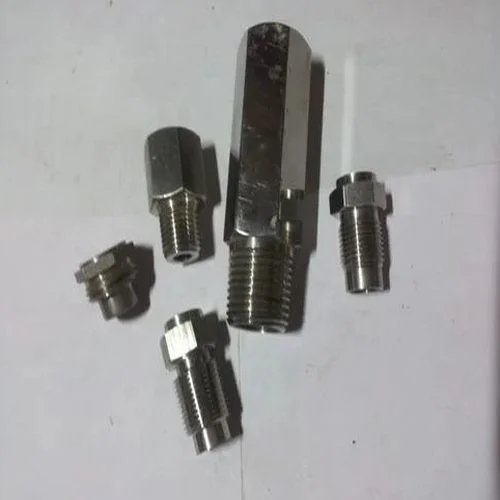
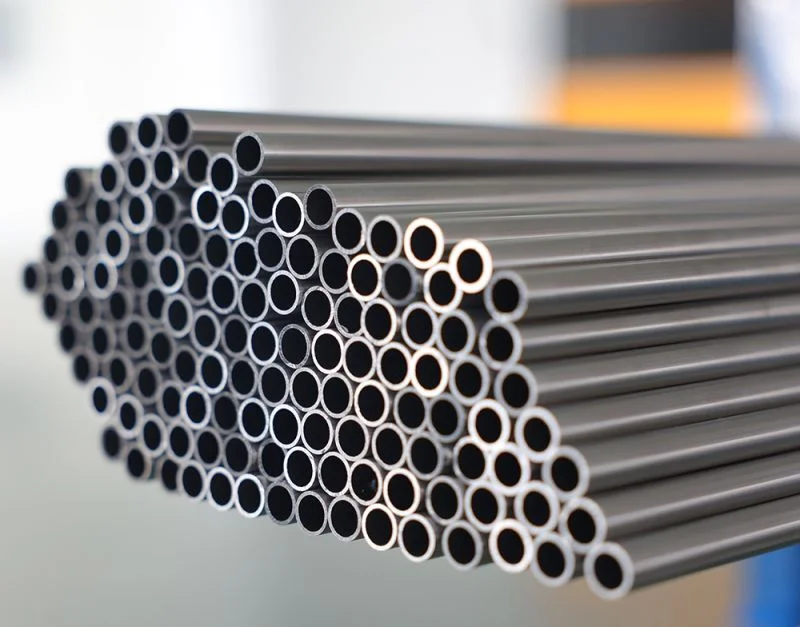
Baoji Ruitai Metals Co., Ltd. operates from China and maintains a catalogue of 30 active products. The catalogue spans refined refractory and specialty metals such as titanium rods, titanium tubes, tantalum rods, tantalum strips, molybdenum sheets, niobium plates, zirconium pipes and tungsten fasteners. Each product entry follows HS‑code families that are standard for these materials, for example the tantalum rod, strip and wire are listed under HS code 8103.20 and the titanium tube under HS code 8108.20. The supplier also lists alloy‑specific items like sputtering targets for titanium, molybdenum, niobium and zirconium, which are commonly used in thin‑film and semiconductor applications. The product list includes both raw forms (bars, rods, tubes) and processed forms (plates, foils, strips) that are typical for downstream machining or coating processes.
The listed products reflect common industry grades: titanium is offered in commercially pure grades Gr1‑Gr2 and alloy grade Gr5, while tantalum is described with RO specifications (RO5200, RO5400, RO5252) indicating purity levels of 99.95 % or higher. Molybdenum, niobium and zirconium entries are presented without explicit grades but are generally supplied in high‑purity (≥99.9 %) forms for aerospace and electronics use. Tungsten fasteners and plates follow the usual density and hardness specifications of 19.25 g/cm³ and ≥ 1500 HV. All items are described by material type rather than by brand or client, matching the factual data supplied.
Product Range and Specialties of Baoji Ruitai Metals Co., Ltd.
The catalogue groups products by metal family and form. Titanium products include rods, wires, tubes (HS 8108.20) and a net, with material grades ranging from commercially pure Gr1‑Gr2 to alloy Gr5. Tantalum offerings comprise rods, bars, sheets, plates, strips and wire, each identified with RO specifications such as RO5200 and RO5400 that correspond to 99.95 % - 99.99 % purity. Molybdenum items are listed as sheets, foils, rods, wires, crucibles and sputtering targets, which in industry are typically supplied at 99.5 % - 99.9 % purity and meet ASTM B723 standards. Niobium and zirconium appear as sheets, plates, tubes, pipes, foils and sputtering targets, commonly meeting ASTM B393 (niobium) and ASTM B352 (zirconium) specifications. Tungsten products include bolts, fasteners, plates, sheets and crucibles, generally conforming to ASTM B777 for high‑purity tungsten.
In the broader market, refractory metals are graded by impurity limits (e.g., oxygen < 0.02 % for titanium CP, carbon < 0.08 % for tantalum) and are often supplied with mill test reports that detail chemical composition, mechanical properties and dimensional tolerances. Buyers of sputtering targets usually request uniformity data (± 2 % thickness variation) and surface roughness below 0.2 µm. For tube and pipe forms, standard dimensions are expressed in millimetres with wall‑thickness tolerances of ± 0.1 mm for 6‑30 mm diameters. These industry norms complement the supplier’s product list and help buyers align expectations with the catalogued items.
Trade and Export Information - Baoji Ruitai Metals Co., Ltd.
China is a leading exporter of refractory and specialty metals, and shipments from the region typically flow to aerospace, electronics, medical device and automotive sectors in North America, Europe and Southeast Asia. HS chapter 81 (refined precious and other non‑ferrous metals) covers the tantalum and niobium items (HS 8103.20), while HS chapter 81.08 (titanium products) applies to the titanium tube entries. Export logistics often use 20‑ft containers for bars and plates (approximately 10‑12 tonnes per container) and 40‑ft containers for coils, foils and tubes, packed in wooden crates with moisture‑resistant liners. Common incoterms for these high‑value metals are FOB Chinese ports such as Tianjin or Shanghai, with buyers arranging CIF to their destination ports.
Regulatory requirements for these metals usually include ISO 9001 quality‑management certification, material test reports (MTR), and, where applicable, compliance with aerospace standards such as NADCAP or AS9100. Importers frequently request certificates of conformity for RoHS or REACH when the metals are destined for electronic assemblies. Chinese exporters of high‑purity tantalum and niobium also provide customs‑ready documentation that references the HS codes and country of origin, facilitating clearance in major markets.
Sourcing from Baoji Ruitai Metals Co., Ltd. - Buyer Guidance
When sourcing from Baoji Ruitai Metals, buyers should request a current mill test report that lists exact chemical composition, impurity limits, mechanical properties and dimensional tolerances for each metal grade. For sputtering targets, a uniformity certificate and surface‑roughness measurement are standard verification documents. Verify that the HS code on the commercial invoice matches the product (e.g., 8103.20 for tantalum rod or strip, 8108.20 for titanium tube) to avoid customs delays.
Buyers should also confirm the supplier’s compliance with any industry‑specific certifications required for their end use, such as NADCAP for aerospace parts or ISO 14001 for environmental management. Requesting sample shipments in the same packaging (e.g., wooden crate for plates, steel drums for rods) helps validate handling procedures before placing larger orders. Confirm lead times, typical MOQ (often one 20‑ft container or a minimum weight of 2 tonnes) and the preferred incoterm to align logistics planning.
Frequently Asked Questions About Baoji Ruitai Metals Co., Ltd.
What purity levels are provided for the tantalum products listed under HS 8103.20?
The catalogue specifies RO grades (RO5200, RO5400, RO5252) that correspond to tantalum purities of 99.95 % to 99.99 % with typical tungsten impurity limits of 2‑5 ppm.
Which grade of titanium is available in the titanium tube product?
The titanium tube is supplied in commercially pure grades Gr1‑Gr2 and alloy grade Gr5, matching the material description in the catalogue.
Are mill test reports available for the molybdenum sheet and foil items?
Standard practice for high‑purity molybdenum includes providing an MTR that details chemical composition (≥ 99.5 % Mo), oxygen content and mechanical properties such as tensile strength.
What documentation should a buyer request for niobium sputtering targets?
Buyers should ask for a target‑uniformity certificate, surface‑roughness report (≤ 0.2 µm) and a mill test report confirming ≥ 99.9 % niobium purity.
How are tungsten fasteners typically packaged for export?
Tungsten bolts and fasteners are normally packed in sealed wooden crates with moisture‑proof liners, and the shipping weight per 20‑ft container is around 10‑12 tonnes.
Which HS codes apply to the zirconium tube and pipe products?
Zirconium tube and pipe fall under HS chapter 81, but the catalogue does not list a specific code; buyers should verify the exact sub‑heading with the supplier before shipment.
What are the common lead times for a 20‑ft container of titanium bars?
Lead times for titanium bars from Chinese manufacturers typically range from 30 to 45 days, depending on order size and required certifications.
Can the supplier provide ISO 9001 certification for these metal products?
The facts do not list any certifications held by the supplier, so buyers should request a copy of the current ISO 9001 certificate if it is required for their procurement process.




 , China