Balaji Minechem — Verified Supplier
About Balaji Minechem - Mineral and Agricultural Supplier in India
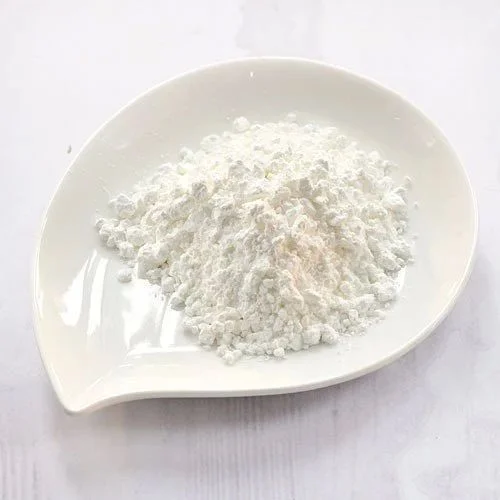
Balaji Minechem is based in India and lists 20 distinct products across minerals, chemicals and agricultural commodities. Its catalogue includes various grades of salt, bentonite, kaolin (China clay), silica sand, quartz, fly ash, magnesium chloride, maize and several food ingredients such as corn starch, cumin seeds and coriander seeds. For mineral items the supplier provides HS code 2507.00 for kaolin, 2508.10 for natural sodium bentonite, and 2621.90 for coal‑combustion fly ash. The company reports a raw salt production capacity of 1 million metric tonnes per year and a daily processing capability of 1 500 MT, while its grinding plant can handle over 2 500 MT of bentonite per month. Exportable forms include bulk bags, 20‑ft and 40‑ft containers and standard drum packaging for chemicals. The listed product range also covers food‑grade salt, pool salt, water‑softening salt and industrial salt variants.
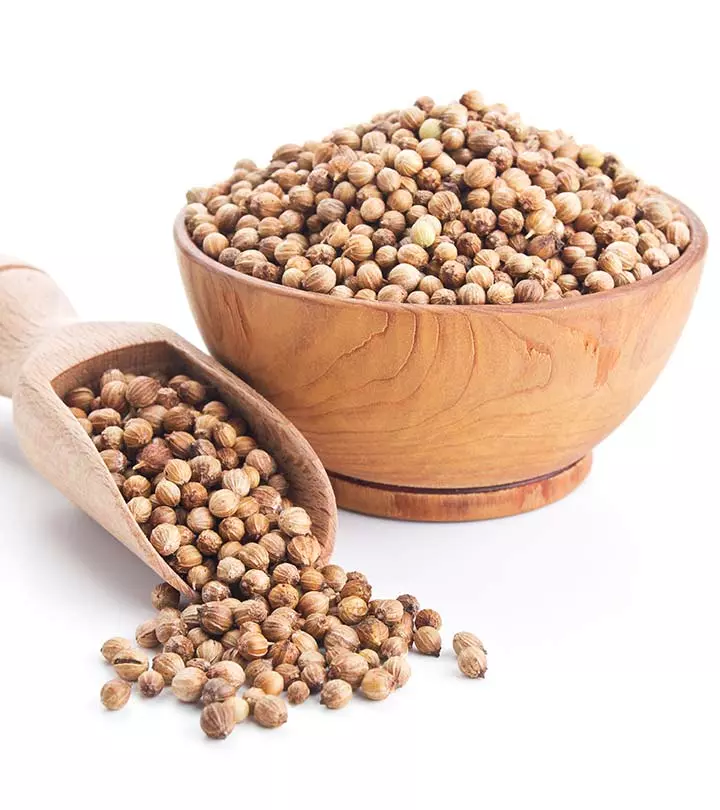
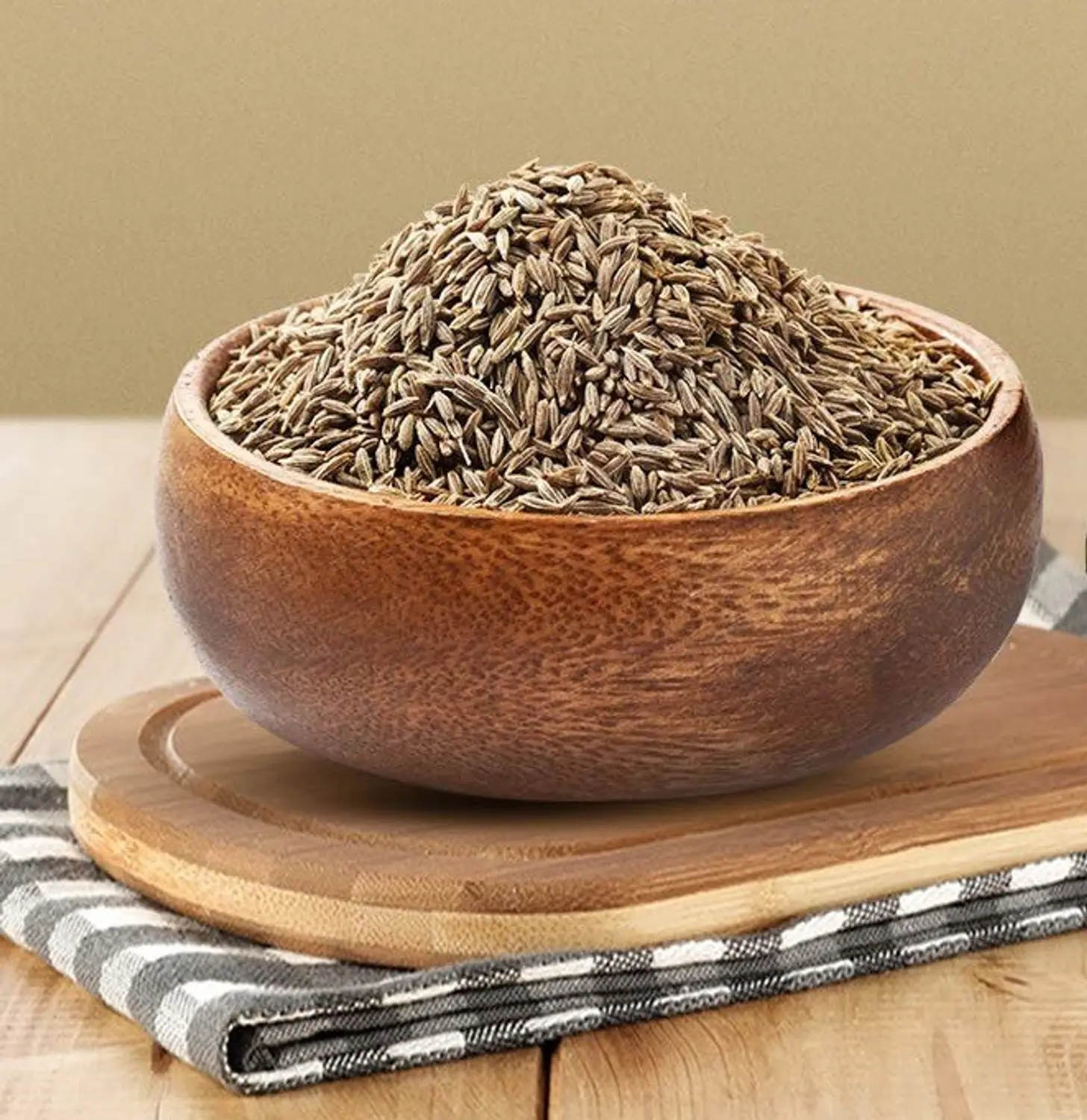
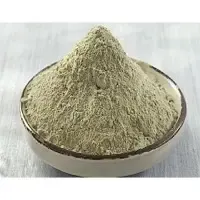
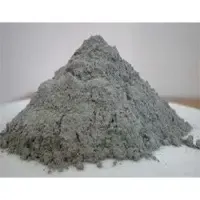
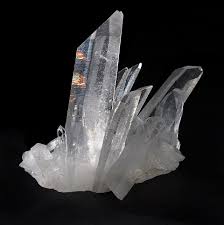
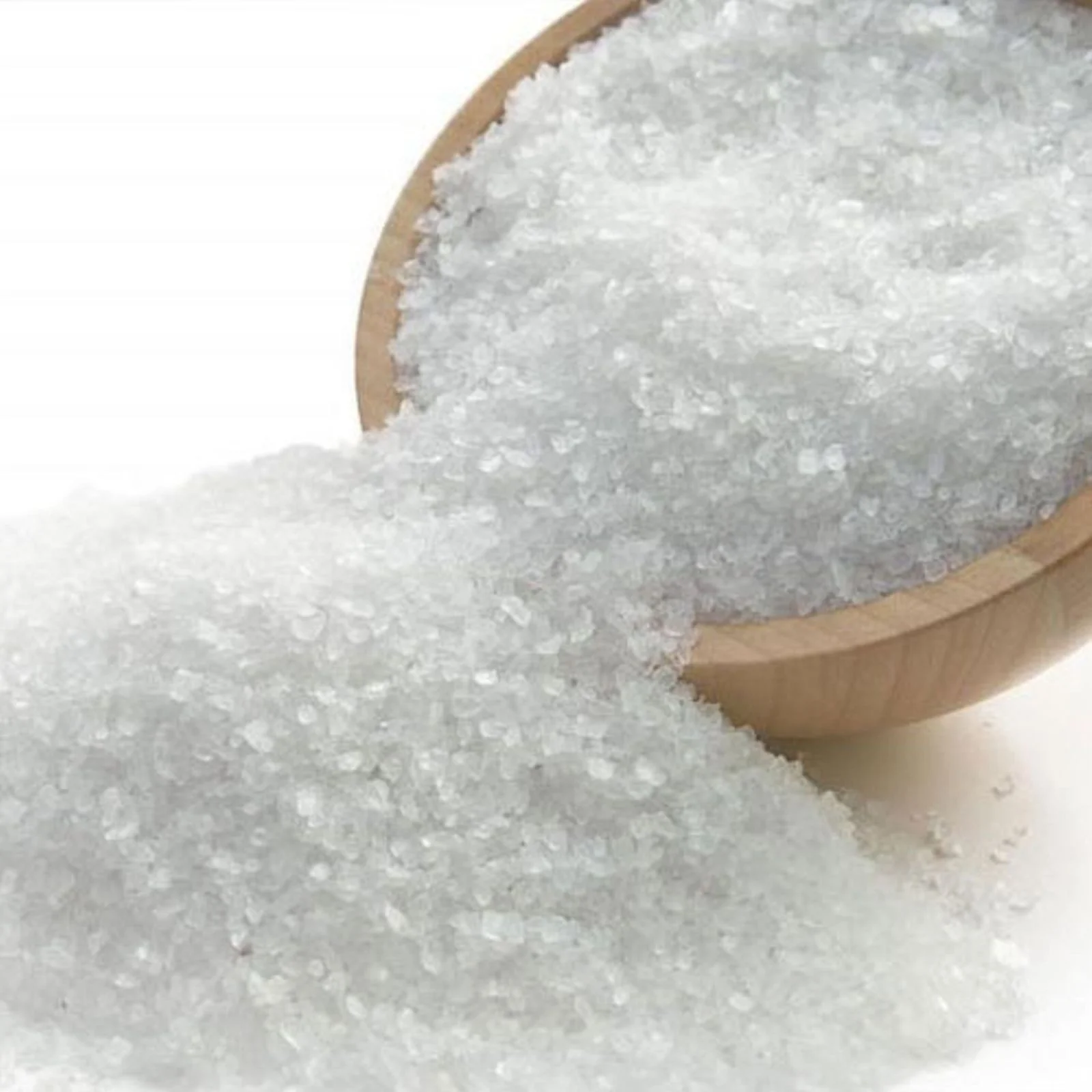
The salt portfolio comprises raw salt, coarse salt, de‑icing salt, tablet salt, iodized salt, refined salt and PDV salt, each supplied in bulk or packaged for specific applications. Bentonite is offered as powder and lumps in both calcium and sodium forms, while kaolin is supplied as calcined powder, hydrous powder and foundry sand. Silica sand, quartz grains and powder, and fly ash are described with their respective material compositions, and magnesium chloride is listed as a premium‑grade chemical for de‑icing and dust control. Maize products include yellow maize kernels and corn starch, and spice items such as cumin and coriander seeds complete the agricultural segment.
Product Range and Specialties of Balaji Minechem
The mineral segment follows industry grading conventions: edible salt is often classified by ICUMSA values, with food‑grade grades typically at ICUMSA 45‑70 and industrial grades at higher values; iodized salt usually contains 30 ppm iodine. Bentonite sold for drilling or absorbent purposes is commonly specified by moisture content below 10 % and particle size under 150 µm, with sodium bentonite prized for swelling capacity. Kaolin grades range from high‑purity calcined kaolin (>92 % Al₂O₃) used in ceramics to hydrous grades employed in paper coating, and silica sand for foundry applications generally meets silica content above 95 % and grain size between 0.2 mm and 1.0 mm. Maize exported from India is typically yellow, with moisture 13‑14 % and protein 9‑10 % for food and feed use. Magnesium chloride for de‑icing is usually supplied at ≥98 % purity with low insoluble residue. Buyers usually request certificates of analysis, material safety data sheets (MSDS) and, for food‑grade items, compliance with ISO 22000 or FSSC 22000 standards.
Trade and Export Information - Balaji Minechem
India is a major exporter of bulk minerals such as salt, bentonite, kaolin and silica sand, with primary destinations in the Middle East, Africa, Southeast Asia and parts of Europe. HS Chapter 25 (mineral products) covers the listed items; for example, kaolin falls under 2507, sodium bentonite under 2508 and fly ash under 2621. Buyers typically require compliance with the destination country’s import regulations, including heavy‑metal limits for food‑grade salts and phytosanitary certificates for maize. Standard export logistics involve bulk ship‑out via 20‑ft or 40‑ft containers for packaged bags, or break‑bulk shipments for larger volumes of salt and sand. Common Incoterms used by Indian mineral exporters are FOB Indian ports, CIF for regional buyers, and DAP for inland destinations.
Sourcing from Balaji Minechem - Buyer Guidance
When sourcing from Balaji Minechem, buyers should request a recent Certificate of Analysis that details chemical composition, moisture, grain size and any impurity limits for each product. For food‑grade salt, maize and spice items, a food safety certificate such as ISO 22000 or a local food authority approval should be verified, together with a phytosanitary certificate for agricultural commodities. Chemical products like magnesium chloride and bentonite should be accompanied by an MSDS and, where applicable, a test report confirming purity and insoluble residue levels. Confirm packaging specifications (e.g., 1‑MT bulk bags, 25‑kg drums) and verify that the HS codes match the intended customs classification before finalising the order.
Frequently Asked Questions About Balaji Minechem
What mineral products does Balaji Minechem list with HS codes?
The catalogue includes Kaolin (HS 2507.00), Natural Sodium Bentonite (HS 2508.10) and Coal Combustion Fly Ash (HS 2621.90). Each entry specifies the material composition used for customs and trade reporting.
What production capacity does the supplier claim for raw salt?
Balaji Minechem states a raw salt production capacity of 1 million metric tonnes per year and a daily processing capability of 1 500 MT.
Which grades of salt are available for export?
The supplier offers raw salt, coarse salt, de‑icing salt, tablet salt, iodized salt, refined salt and PDV salt, covering both food‑grade and industrial applications.
What certifications should a buyer request for food‑grade products?
Buyers should ask for a Certificate of Analysis, a food safety system certificate such as ISO 22000 or FSSC 22000, and any required phytosanitary certificates for maize or spice items.
How is bentonite supplied and what specifications are typical?
Bentonite is supplied as powder and lumps in both calcium and sodium forms. Typical specifications include moisture below 10 %, particle size under 150 µm and compliance with ASTM D5890 for purity.
What packaging formats are used for bulk mineral shipments?
Bulk mineral products are commonly packed in 1‑MT polypropylene bags for container loading, with 20‑ft or 40‑ft containers used for international freight. Smaller quantities may be shipped in 25‑kg or 50‑kg drums.
Which regions commonly import Indian silica sand and quartz?
Key import markets include the United Arab Emirates, Saudi Arabia, South Africa, Brazil and European foundry sectors that require high‑silica sand and quartz for casting and glass production.
What documentation is needed for magnesium chloride orders?
Buyers should obtain an MSDS, a Certificate of Analysis confirming ≥98 % purity, and any applicable customs clearance documents referencing HS 2503 for inorganic chemicals.




 , India