Baixinxin Industry Co., Ltd. — Supplier
About Baixinxin Industry Co., Ltd. - Chemicals & Allied Products Supplier in China
Based in China, Baixinxin Industry Co., Ltd. currently lists five active products in its catalogue. The portfolio includes sodium lauryl ether sulfate, titanium dioxide, gum rosin (HS code 3806.10, derived from natural pine oleoresin), paraffin wax, and carboxy methyl cellulose (HS code 3912.31, a sodium carboxymethylcellulose derivative). These items fall under the broader categories of Chemicals & Allied Products, Titanium Dioxide, and Petrochemicals as indicated in the supplier profile. The product list reflects both basic chemical intermediates and specialty additives used across multiple downstream sectors. No additional product lines are mentioned in the supplied data.
The sodium lauryl ether sulfate is a non‑ionic surfactant commonly employed in personal‑care formulations. Titanium dioxide is listed as a pigment grade material suitable for paints, coatings and plastics. Gum rosin is presented as a natural pine oleoresin, while paraffin wax is a hydrocarbon wax used in packaging and cosmetics. Carboxy methyl cellulose is a cellulose ether derivative used as a thickener and stabiliser. Each product is identified by its generic name, with HS codes provided for gum rosin and carboxy methyl cellulose only.
Product Range and Specialties of Baixinxin Industry Co., Ltd.
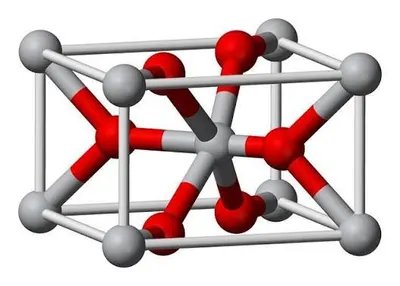
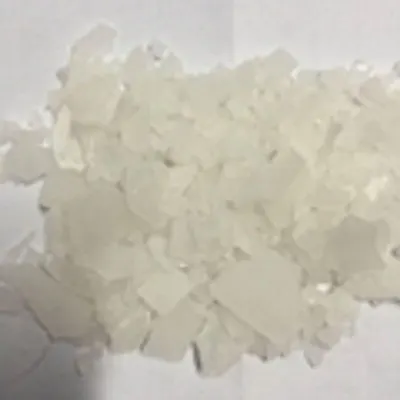
The catalogue covers a surfactant (sodium lauryl ether sulfate), an inorganic pigment (titanium dioxide), a natural resin (gum rosin), a hydrocarbon wax (paraffin wax) and a cellulose ether (carboxy methyl cellulose). In the global market, sodium lauryl ether sulfate is typically supplied at 30 % active matter with a pH of 7‑9 and conforms to ISO 20857. Titanium dioxide is usually offered in rutile grade with a purity of 99 % or higher, meeting ISO 13085 and ASTM D 476 standards. Gum rosin grades are classified by acid value and melt flow, with HS 3806.10 covering both gum rosin and its refined forms. Paraffin wax is commonly graded by melting point (55‑65 °C for soft wax) and oil content, and shipped in bulk or 25 kg bags. Carboxy methyl cellulose specifications include degree of substitution 0.7‑0.9 and viscosity range 500‑2000 mPa·s at 2 % solution, referenced under HS 3912.31.
Buyers often request REACH registration, ISO 9001 quality management certificates and a current safety data sheet for each of these chemical categories before committing to purchase.
Trade and Export Information - Baixinxin Industry Co., Ltd.
China is a major exporter of surfactants, pigments, resins and waxes, with shipments typically destined for the United States, European Union, Southeast Asia and the Middle East. The HS code families 3806 (rosin and related products) and 3912 (cellulose derivatives) are routinely inspected under customs regulations that may request REACH compliance certificates, SDS and third‑party lab reports. Titanium dioxide (HS 3824) often requires a Certificate of Origin and compliance with the EU Regulation on the Registration, Evaluation, Authorisation and Restriction of Chemicals (REACH).
Logistically, sodium lauryl ether sulfate and carboxy methyl cellulose are frequently packed in 20 ft containers on 25 kg polypropylene bags, while gum rosin and paraffin wax are shipped in bulk drums or intermediate bulk containers (IBCs). Standard Incoterms such as FOB Shanghai or CIF destination port are used, and buyers should verify that the shipment complies with the International Maritime Dangerous Goods (IMDG) code where applicable. Export documentation from China normally includes commercial invoice, packing list, bill of lading, and any required hazardous‑material certificates.
Sourcing from Baixinxin Industry Co., Ltd. - Buyer Guidance
Prospective buyers should request a current safety data sheet (SDS) and REACH registration status for each chemical before placing an order. For titanium dioxide, a certificate of analysis confirming purity ≥ 99 % and particle‑size distribution (e.g., D90 < 250 nm) is standard practice. Samples of sodium lauryl ether sulfate are commonly supplied in 5 kg bags for laboratory testing of foaming and viscosity.
Verification of the HS code and material description on the commercial invoice helps avoid customs delays. Buyers are advised to confirm packaging specifications (e.g., 25 kg polyethylene bags for SLES, 200 kg drums for paraffin wax) and to request a third‑party lab report for gum rosin acid value if the end use requires a specific grade. Lead times for bulk chemical shipments from China typically range from 30 to 45 days, subject to production scheduling and freight availability.
Frequently Asked Questions About Baixinxin Industry Co., Ltd.
What surfactant does Baixinxin offer and what are its typical specifications?
Baixinxin lists sodium lauryl ether sulfate, a non‑ionic surfactant usually supplied at 30 % active matter, pH 7‑9, and conforming to ISO 20857. Buyers normally request an SDS and a laboratory report confirming foaming and viscosity.
Which grade of titanium dioxide is provided and what purity is expected?
The supplier’s titanium dioxide is presented as a pigment grade, commonly shipped as rutile with a minimum purity of 99 % and meeting ISO 13085 or ASTM D 476 standards. A certificate of analysis should be obtained to verify purity and particle‑size distribution.
What documentation should a buyer obtain for gum rosin (HS 3806.10)?
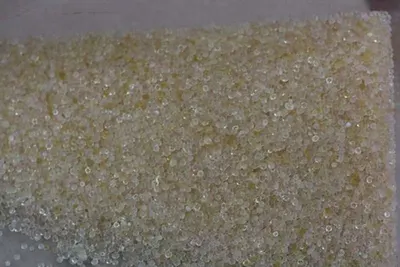
Buyers should ask for a safety data sheet, a certificate of origin, and a lab report showing acid value and melt flow, which are typical quality parameters for natural pine oleoresin. REACH registration status is also relevant for EU importers.
How is carboxy methyl cellulose (HS 3912.31) packaged for export?
It is usually packed in 25 kg polypropylene bags or bulk IBCs, with the material identified as sodium carboxymethylcellulose. The SDS and a specification sheet indicating degree of substitution (0.7‑0.9) and viscosity range are standard documents.
What are the common shipping terms and container sizes for Baixinxin’s chemicals?
Export shipments are often quoted on FOB Shanghai or CIF destination port, using 20 ft or 40 ft containers. Bulk wax and rosin may be loaded in drums, while powdered or granulated chemicals are placed in sealed bags inside the container.
What minimum order quantities (MOQ) are typical for the listed products?
MOQs generally start at 500 kg for bulk chemicals such as paraffin wax and gum rosin, while specialty additives like sodium lauryl ether sulfate and carboxy methyl cellulose may be ordered in 5 kg sample packs with larger orders negotiated in 25 kg bag increments.
Which certifications are commonly required for importing these chemical products from China?
Importers usually request ISO 9001 quality‑management certification, REACH registration for EU markets, and any specific regulatory approvals such as FDA GRAS for food‑contact applications. The supplier’s own certificates should be verified before finalising the contract.




 , China