Agriculture›
 Apparel and fashion accessories›
 Construction & real estate›💡Electronic & Electrical›🍎Food & Beverages›🛋️Home furnishing & supplies›⚗️Industrial goods & chemical›🪨Minerals & metals›📦Miscellaneous›Agriculture›Apparel and fashion accessories›Construction & real estate›💡Electronic & Electrical›🍎Food & Beverages›🛋️Home furnishing & supplies›⚗️Industrial goods & chemical›🪨Minerals & metals›📦Miscellaneous›
Asia Agro Internasional
⚓ Harbor , IndonesiaNew supplier / no reviews yet
Asia Agro Internasional Product Catalog


About Asia Agro Internasional - Spice and Nut Supplier in Indonesia
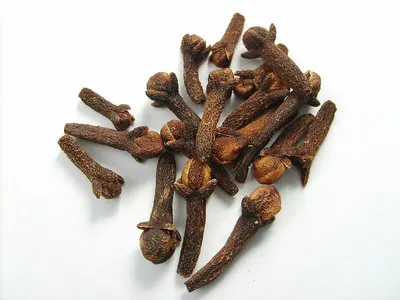
Asia Agro Internasional is based in Indonesia and currently lists fifteen distinct products in its catalogue. The portfolio covers a variety of spice and nut items, including mace, cloves (both whole and stem), long pepper, black and white pepper, cubeb pepper, nutmeg, cassia vera, galangal, dried curcuma, fresh turmeric, raw cashew nuts with shell, vanilla beans, and gum copal. Each entry corresponds to a specific commodity that is commonly traded under the broader spice and nut classifications. The supplier’s catalogue groups these items under top categories such as Pepper, Cloves, Spices, Mace, Nutmegs, Galangal, Turmeric, and Cashew Nuts. The product list reflects the typical diversity of Indonesian spice exports.
The fifteen products fall within the HS Chapter 09 tariff headings that cover spices, aromatic vegetables and nuts, where pepper varieties are classified under HS 0904, cloves and mace under HS 0905, and cashew nuts under HS 0801. Indonesian exporters of these commodities often comply with food safety standards such as ISO 22000, HACCP, and the Codex Alimentarius specifications for moisture content, foreign matter, and aflatoxin limits. Typical quality grades for black pepper range from PE 3 to PE 5, while cloves are graded by size and oil content, and nutmeg is assessed on kernel purity and moisture. Buyers in Europe, the United States and the Middle East frequently require laboratory certificates for pesticide residues and microbial limits. The supplier’s product range therefore aligns with the standard documentation and grading expectations for global spice trade.
Product Range and Specialties of Asia Agro Internasional
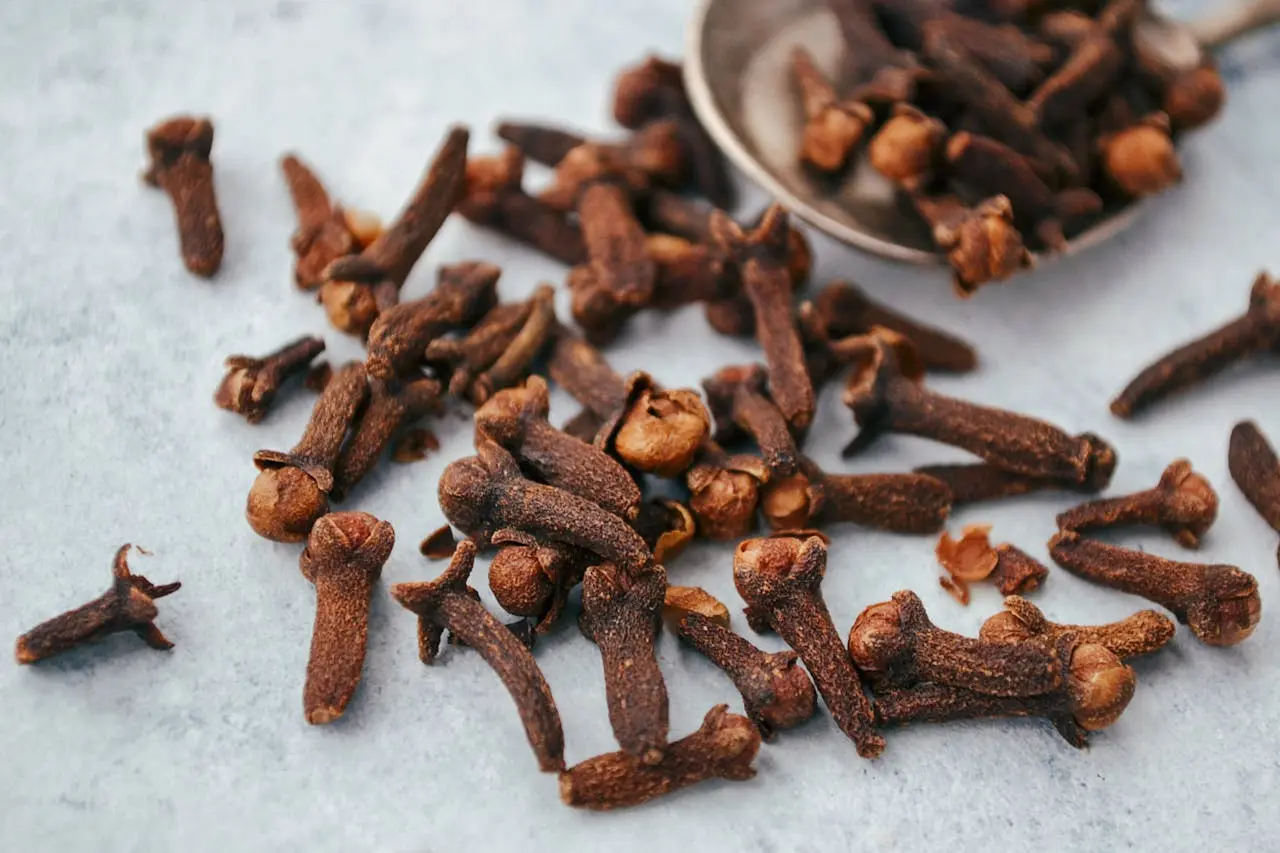
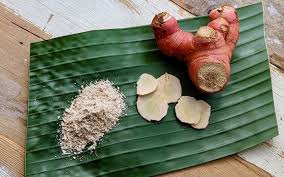
Asia Agro Internasional’s catalogue includes whole and processed forms of pepper (black, white, long, cubeb), whole cloves, cloves stem, mace, cassia vera bark, nutmeg kernels, galangal rhizomes, dried curcuma, fresh turmeric roots, raw cashew nuts still in shell, vanilla beans and gum copal. In the spice trade, pepper is commonly offered in grades PE 3 (higher oil content) to PE 5, while cubeb is sold as whole dried berries meeting a minimum essential oil content of 2 %. Clove buds are graded by size (e.g., 10 mm) and oil content above 70 % for premium grades; mace is evaluated on length (30 - 45 mm) and moisture below 12 %. Nutmeg kernels are typically required to have a kernel‑to‑shell ratio of at least 70 % and moisture below 10 %. Cashew nuts with shell are measured by weight per bag (e.g., 25 kg) and moisture under 6 %.
Frequently Asked Questions About Asia Agro Internasional
What spice and nut products are listed in Asia Agro Internasional’s catalogue?
The catalogue lists fifteen items: mace, whole cloves, cloves stem, long pepper, black pepper, white pepper, cubeb pepper, nutmeg, cassia vera bark, galangal, dried curcuma, fresh turmeric, raw cashew nuts with shell, vanilla beans and gum copal.
Are the pepper products graded according to international standards?
Pepper varieties are typically graded from PE 3 to PE 5 based on oil content and size. Buyers can request the specific grade information in the Certificate of Analysis for each shipment.
What packaging formats are used for the raw cashew nuts?
Raw cashew nuts with shell are usually packed in 25 kg polypropylene or jute bags, and bulk shipments are placed in 20‑ft or 40‑ft containers with ventilated liners to control moisture.
Which certifications should a buyer request from this supplier?
Buyers should ask for ISO 22000 or HACCP certification, a phytosanitary certificate, and a Certificate of Analysis covering moisture, oil content and pesticide residues.
What documentation is required for customs clearance of Indonesian spices?
Customs authorities typically require a certificate of origin, a phytosanitary certificate, and a laboratory analysis report that meets Codex limits for moisture, foreign matter and pesticide residues.
IndonesiaRelated Suppliers & Products
Explore similar suppliers, related products and trending categories