Ashi Exim India Llp — Verified Supplier
About Ashi Exim India Llp - Tiles Supplier in India
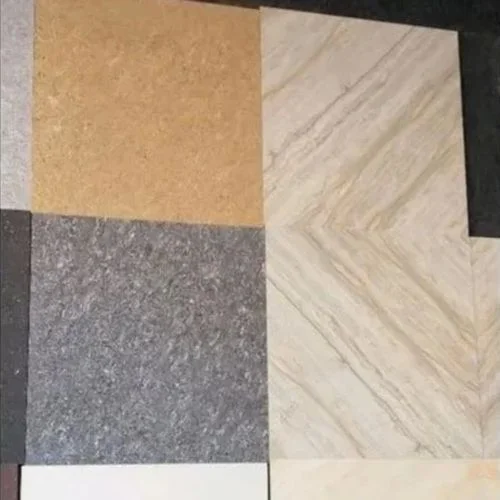
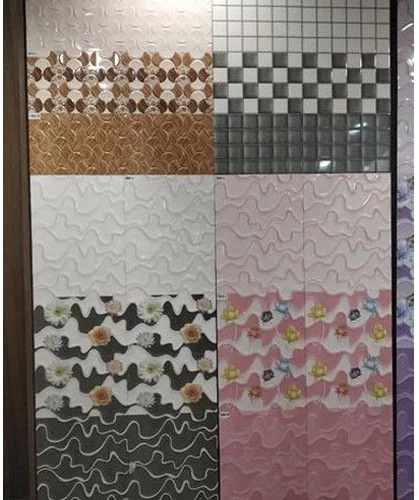
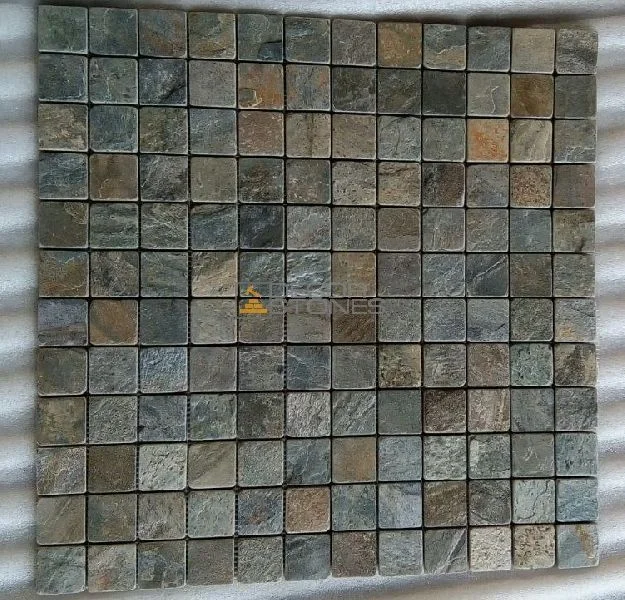
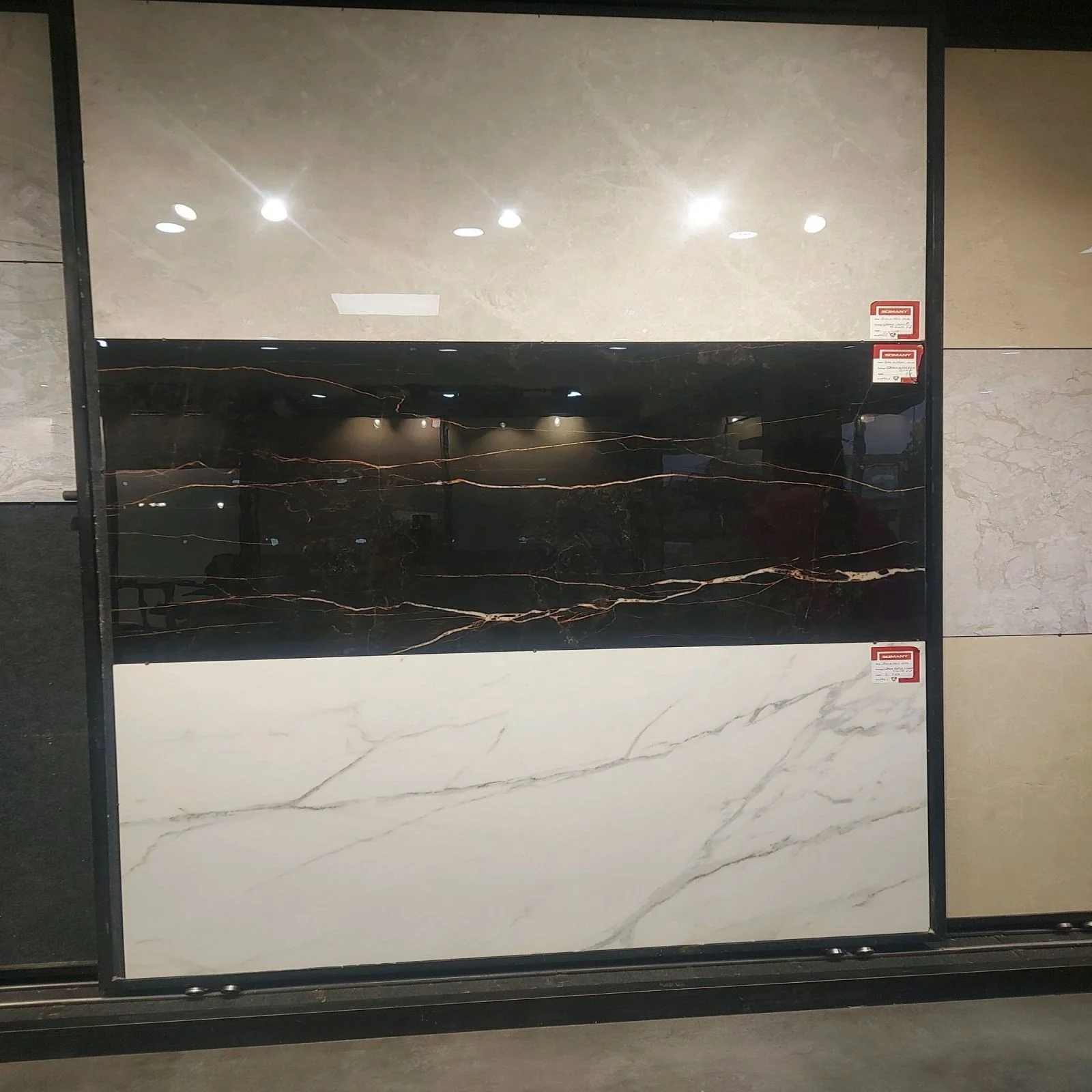
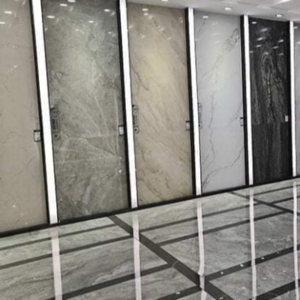
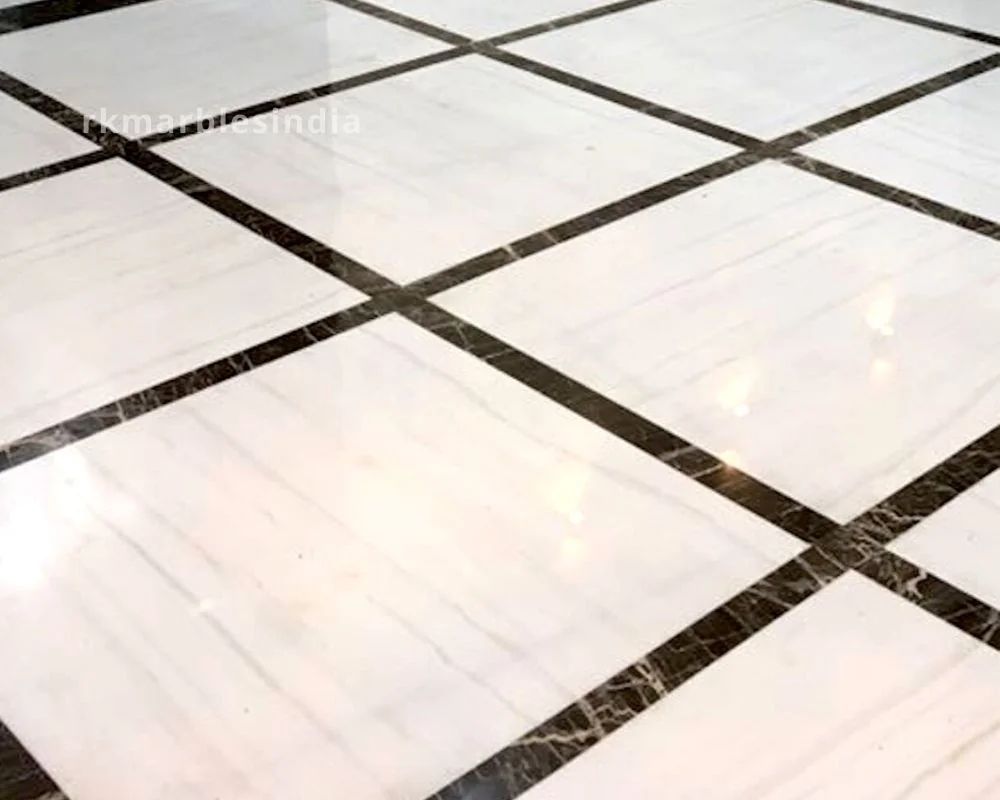
Ashi Exim India Llp operates from India and currently lists twelve distinct products in its online catalogue. The product set includes a single food item - Toor Dal (pigeon peas) - and eleven tile variants such as Hexagon Tile, 40x40 cm heavy‑duty vitrified tiles, 60 × 60 cm full‑body colour tiles, digital ceramic wall tiles, parking tiles in 30 × 30 cm size, ceramic floor tiles, nano‑soluble salt vitrified tiles, and 80 × 80 cm PGVT/GVT tiles in glossy and matte finishes. Each tile entry references standard dimensions and a basic material family of vitrified or ceramic stoneware, which aligns with the HS chapter 68 classification for ceramic tiles. The Toor Dal entry falls under the HS chapter 10 classification for pulses, a common export commodity from India. The catalogue does not provide additional specifications such as thickness, PEI rating, or moisture content, but the product titles indicate a focus on size (30 × 30 cm, 40 × 40 cm, 60 × 60 cm, 80 × 80 cm) and surface treatment (glossy, matte, digital printing). The supplier’s trust tier is listed as “harbor,” indicating a moderate verification level on the platform. No other certifications or client references are supplied in the facts.
Product Range and Specialties of Ashi Exim India Llp
The tile portfolio comprises primarily vitrified and digital ceramic products. In the industry, vitrified tiles are usually rated PEI 3‑5 for residential or commercial traffic, have water absorption below 0.5 %, and thickness ranging from 8 mm to 12 mm. Digital printed ceramic tiles often carry a surface hardness of 6 Mohs and may be supplied with anti‑slip treatments for floor applications. Standard grade specifications for Indian tile exporters include ISO 9001 quality management and compliance with the Bureau of Indian Standards (BIS) for dimensions and breakage resistance. For the food segment, Toor Dal (pigeon peas) is typically graded by size (medium, large) and moisture content (10‑12 %). Export quality pulses from India are expected to meet FSSAI standards, with limits on foreign matter (<0.5 %) and aflatoxin levels (<20 ppb). Buyers often request a certificate of analysis confirming protein content (approximately 22‑24 %) and ash content (2‑3 %).
Trade and Export Information - Ashi Exim India Llp
India is a major exporter of both ceramic tiles and pulses. Tile shipments from India commonly target the Middle East, Africa, and EU markets, where the demand for cost‑effective vitrified flooring is high. Export logistics usually involve 20‑foot or 40‑foot containers, with pallets of tiles stacked to a maximum height of 1.2 m to avoid breakage. Required documentation often includes a commercial invoice, packing list, Bill of Lading, and a certificate of origin; many importers also request an ISO 9001 declaration and, for EU destinations, CE conformity marking. Pigeon peas are exported mainly to African nations, the Middle East, and Southeast Asia. The HS code 1008 covers dried peas and beans, and shipments are subject to phytosanitary certificates and, where applicable, a fumigation certificate. Importers typically look for compliance with Codex Alimentarius standards for pesticide residues and may request a Halal certification for markets in the Gulf region. Freight for pulses is usually by sea in bulk bags (25 kg) or by air in cartons for faster delivery.
Sourcing from Ashi Exim India Llp - Buyer Guidance
When evaluating Ashi Exim India Llp, buyers should request a recent laboratory analysis for the Toor Dal, confirming moisture, protein, and foreign matter levels. For tile orders, a sample panel that demonstrates the printed design, gloss level, and surface hardness can verify the digital ceramic finish. Buyers are advised to ask for the supplier’s ISO 9001 certificate, BIS compliance documents for tile dimensions, and any export‑specific certifications such as CE marking for EU shipments. Verification of packaging is also critical: tiles should be packed in reinforced wooden crates with internal cushioning to meet ASTM C482 breakage limits, while pulses should be sealed in moisture‑proof polypropylene bags. Confirm the lead time for production or grain cleaning, and clarify the Incoterm (e.g., FOB Mumbai) to align cost responsibilities. Requesting a pre‑shipment inspection report from a recognized agency can further reduce risk before cargo release.
Frequently Asked Questions About Ashi Exim India Llp
What tile sizes does Ashi Exim India Llp list in its catalogue?
The catalogue includes 30 × 30 cm, 40 × 40 cm, 60 × 60 cm and 80 × 80 cm tiles, covering both vitrified and digital printed ceramic formats.
Are the listed tiles suitable for high‑traffic commercial areas?
Tiles described as full‑body or heavy‑duty vitrified typically meet PEI rating 4‑5, which is appropriate for commercial foot traffic. Buyers should verify the exact PEI rating with the supplier.
What specifications should I request for the Toor Dal product?
Request a certificate of analysis showing moisture content (10‑12 %), protein level (22‑24 %), and foreign matter (<0.5 %). A phytosanitary certificate is also standard for international shipments.
Which certifications are commonly required for Indian tile exporters?
Importers generally look for ISO 9001 quality management, BIS compliance for dimensions, and CE marking for EU destinations. Some buyers also request a test report for water absorption (<0.5 %).
What packaging is typical for the tiles offered by this supplier?
Tiles are usually packed in reinforced wooden crates with individual cardboard separators and internal foam or corrugated padding to meet ASTM C482 breakage standards.
How are the pigeon peas usually packed for export?
Standard export packaging for Toor Dal is 25 kg polypropylene bags, placed in bulk shipping containers with moisture‑proof liners to prevent spoilage.
What Incoterms does Ashi Exim India Llp commonly use?
The supplier frequently quotes FOB terms from Indian ports such as Mumbai or Chennai, placing shipping responsibility on the buyer after the goods are loaded on board.
What is the typical lead time for tile orders?
Lead times for vitrified or digital ceramic tiles range from 30 to 45 days after order confirmation, depending on size, finish and any custom printing requirements.




 , India