Ashapura Trading Company — Verified Supplier
About Ashapura Trading Company - Pulses Supplier in India
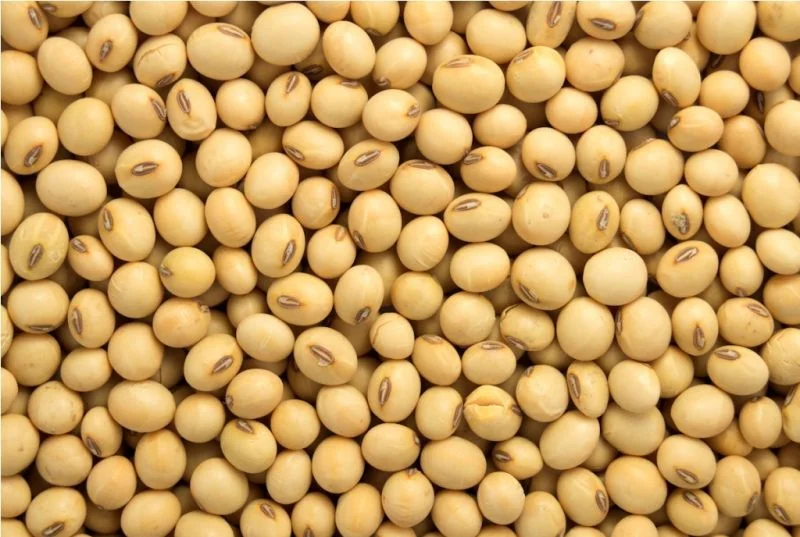
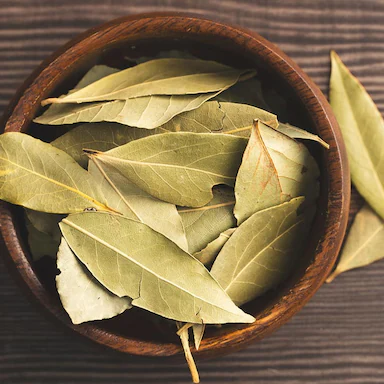
India lists 28 distinct agricultural products under Ashapura Trading Company, covering pulses, beans, peas and a broad selection of spices. The catalogue groups items under HS chapter 07 for dried beans and peas and HS chapter 09 for dried aromatic leaves and spices, reflecting standard customs classifications used for bulk agricultural trade. The product list includes generic categories such as Pulses and Spices as well as specific items like Split Green Gram, Black Eyed Beans (HS 0713.31), Red Lentils, Yellow Pigeon Peas, Adzuki Beans (HS 0713.39), and Bay Leaf (HS 0904.21). Each entry follows the naming conventions common to Indian exporters, specifying the dried form of the legume or spice and, where available, the corresponding HS code and material description.
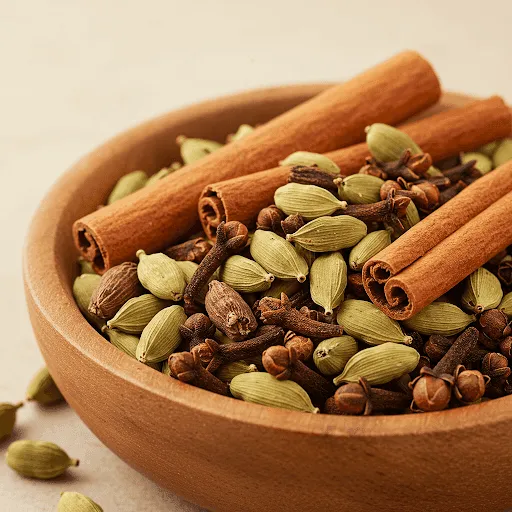
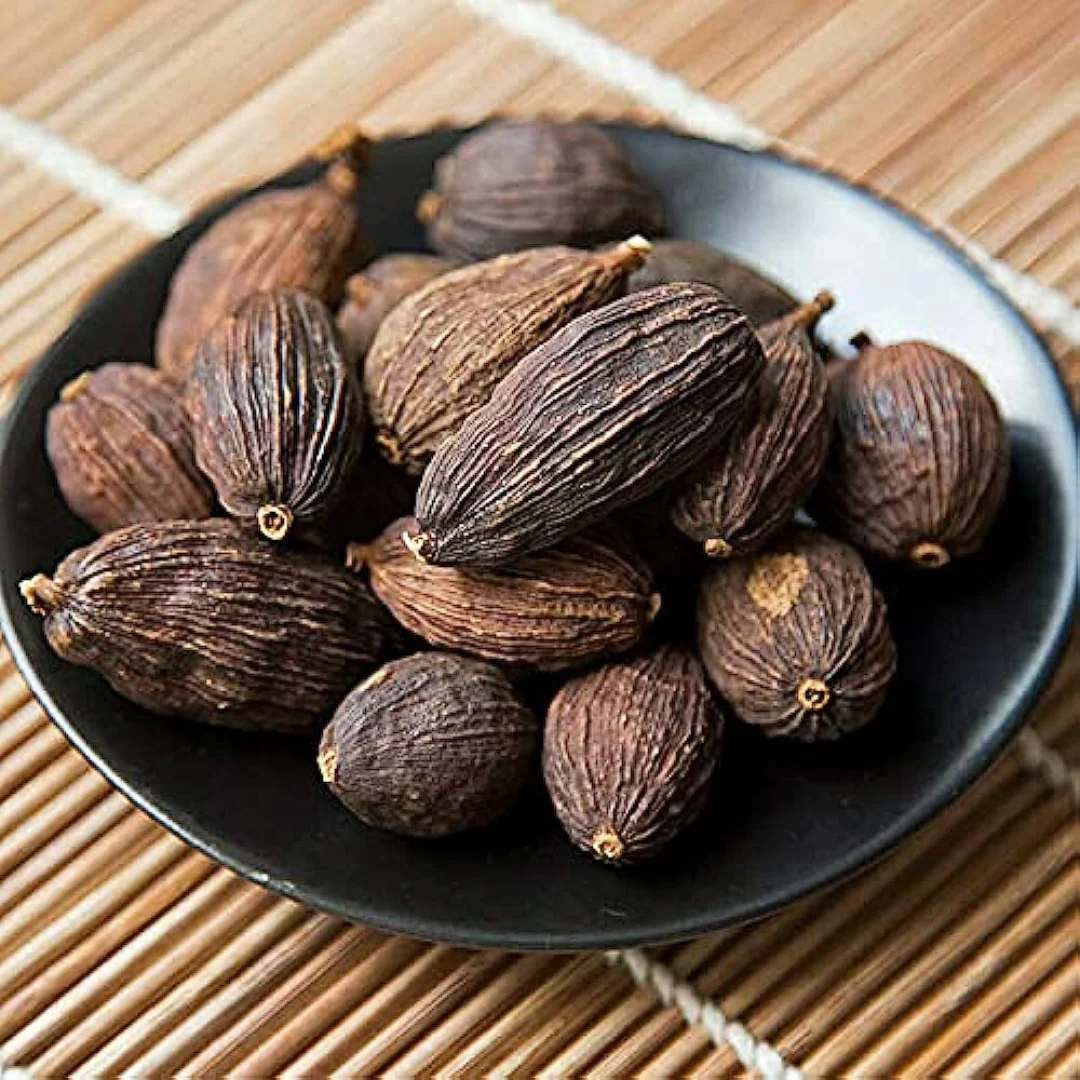
The supplier’s active catalogue also contains Black Pepper, White Pepper, Cassia Cinnamon, Red Chili, Nutmeg, Turmeric, Fenugreek, Green Cardamom, Clove, Cumin, Ajwain, Star Anise, Coriander, Mustard and Black Cardamom, among others. These spice entries fall under HS 09 sub‑headings that are routinely used for dried aromatic products. The inclusion of both whole and powdered forms provides buyers with options for bulk processing or direct culinary use. Overall, the listing reflects a typical Indian export portfolio of leguminous crops and spice ingredients.
Product Range and Specialties of Ashapura Trading Company
Ashapura Trading Company’s catalogue comprises split and whole pulses such as Split Green Gram, Red Lentils, and Split Bengal Gram, which in the global market are graded by size (e.g., 6 mm‑8 mm for split lentils) and moisture content below 12 %. Dried beans like Black Eyed Beans (HS 0713.31) and Adzuki Beans (HS 0713.39) are usually classified by color uniformity, bean length (10 mm‑15 mm) and protein levels ranging from 18 % to 22 % dry weight. Peas, including White & Green varieties, follow similar specifications with a standard 25 kg polypropylene bag packaging for bulk shipment.
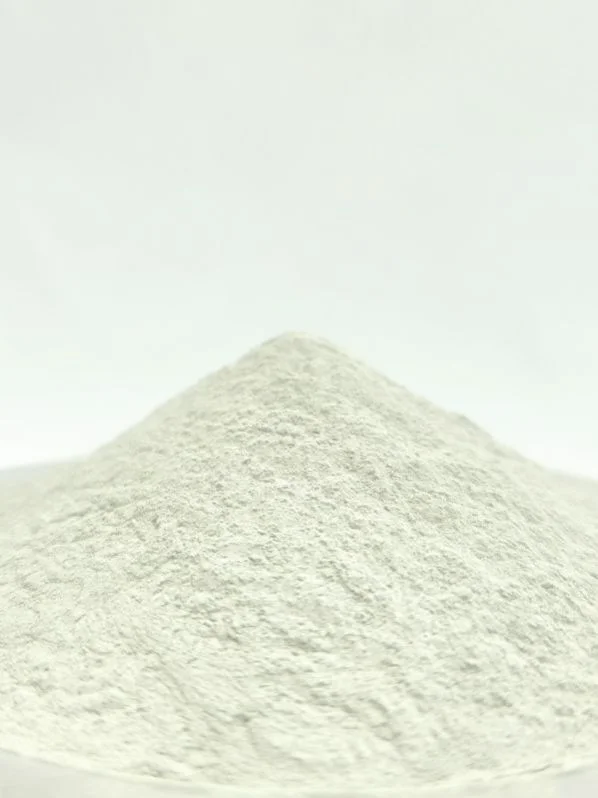
The spice segment includes Black Pepper, White Pepper, Cassia Cinnamon and Bay Leaf (HS 0904.21). Typical quality parameters for these spices involve essential oil content (e.g., pepper oil ≥ 2 % by weight), moisture under 10 %, and absence of foreign matter. Powdered spices such as Red Chili Powder are commonly sold in 25 kg or 1 ton bulk bags, meeting USP or ISO 9235 standards for particle size and microbial limits. These industry benchmarks help buyers compare product quality across different Indian exporters.
Trade and Export Information - Ashapura Trading Company
India ranks among the top global exporters of pulses and spices, with major destination regions including the Middle East, East Africa, the European Union and North America. HS chapter 07 items such as dried beans and peas are typically shipped in 20‑foot containers holding 22‑24 tons, while HS chapter 09 spices are loaded in 20‑foot containers at around 20 tons due to higher packaging weight. Importers frequently require phytosanitary certificates, a certificate of origin and, where applicable, organic certification in accordance with EU regulations.
Commonly requested certifications for Indian pulse and spice shipments include ISO 22000, FSSC 22000 and HACCP compliance, especially for buyers in the food processing sector. Packaging standards often involve multi‑layer polypropylene liners within jute or woven polypropylene bags, providing moisture barrier and compliance with ASTM D3951. Standard Incoterms used by Indian exporters are FOB Mumbai or CIF Dubai, reflecting the logistical routes through major Indian ports such as Mumbai, Nhava Sheva and Kandla.
Sourcing from Ashapura Trading Company - Buyer Guidance
When sourcing from Ashapura Trading Company, buyers should request a recent commodity analysis covering moisture, protein, ash and any pesticide residue limits that apply in the destination market. For spice items, a certificate of analysis should include essential oil percentage, aflatoxin screening and microbial counts (e.g., total plate count < 10 000 CFU/g). A phytosanitary certificate issued by the Indian Plant Quarantine organization is mandatory for most bulk shipments of pulses and spices.
Buyers are advised to verify the HS codes provided (0713.31 for Black Eyed Beans, 0713.39 for Adzuki Beans, 0904.21 for Bay Leaf) against their import tariff schedule to ensure correct duty assessment. Sample requests should specify the desired form (whole, split or powdered) and packaging size, and the supplier can provide a 5 kg sample for laboratory testing. Confirming the supplier’s compliance with ISO 22000 or equivalent food safety standards before contract finalisation reduces the risk of non‑conformity at customs.
Frequently Asked Questions About Ashapura Trading Company
What legume products does Ashapura Trading Company list with HS codes?
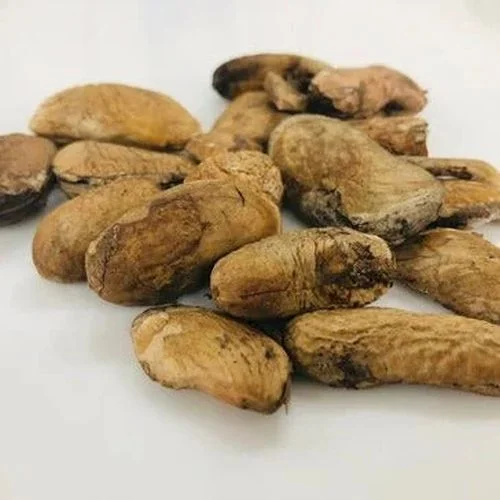
The catalogue includes Black Eyed Beans (HS 0713.31) and Adzuki Beans (HS 0713.39) as dried leguminous beans. Both are described by their scientific names and are classified under Chapter 07 for dried vegetables.
Which spice product has a specific HS code in the listing?
Bay Leaf (Tej Patta) is listed with HS 0904.21, covering dried aromatic leaves used in culinary applications. The material description matches the standard classification for dried Lauraceae leaves.
What are the typical moisture limits for the pulses and spices offered?
International trade standards for dried pulses generally require moisture below 12 %, while most spices such as pepper, cinnamon and bay leaf are limited to under 10 % moisture to prevent mold growth.
What minimum order quantities (MOQ) are common for these products?
Exporters of Indian pulses and spices often set an MOQ of one 20‑foot container, roughly 22 tons for beans and peas and about 20 tons for bulk spices. Smaller orders can be arranged in 25 kg or 1 ton bag units, subject to additional handling fees.
Which certifications should a buyer request before purchasing?
Buyers should ask for a recent ISO 22000 or FSSC 22000 food safety certificate, a phytosanitary certificate, and a commodity analysis report. For organic markets, an additional organic certification may be required.
What packaging formats are used for bulk shipments?
Bulk pulses are typically packed in 25 kg polypropylene bags placed inside a jute or woven polypropylene outer bag. Spices, especially powdered forms, are shipped in 25 kg bags or bulk 1 ton liners, both complying with ASTM D3951 standards.
Which Incoterms are most frequently applied by this supplier?
FOB Mumbai and CIF Dubai are the most common Incoterms used for Indian pulse and spice exports, reflecting the primary loading ports on the west coast of India.
How can a buyer obtain a product sample?
A buyer can request a 5 kg sample specifying the desired form (whole, split, or powdered). The supplier will ship the sample in a sealed, labeled bag with an accompanying certificate of analysis.




 , India