Arbitrage Trading Ltd. — Supplier
About Arbitrage Trading Ltd. - Agriculture Supplier in Germany
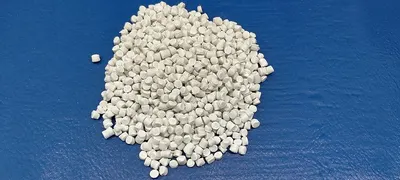
Germany hosts Arbitrage Trading Ltd., which currently lists fourteen distinct polymer‑based products in its catalogue. The items include ABS regranules in black, black rubber mats, APET mono food‑safe resin, a mixed line of LDPE, PA, PP, PE and composite materials, PUR‑foam remnants, black PE big bags, PP big bags reinforced with carbon fibre, PC/PET and PC/ABS blends for automotive parts, a clear PET‑EVOH‑PET barrier film, colour‑mixed PVC granules, standard PVC granules, PET fleece, fully coloured PP mixes and PP compounded with glass fibre. Each entry is recorded under the broad agriculture category as supplied by the German source.
The catalogue reflects a focus on engineered plastics and polymer composites commonly used in packaging, automotive components and construction applications. Typical industry specifications for these materials include melt flow indices ranging from 5 to 30 g/10 min, colour‑fastness grades such as ISO 105‑B02, and barrier performance for PET‑EVOH‑PET films measured by oxygen transmission rates below 5 cc/m²·day·atm. German suppliers of such polymers often comply with REACH registration and provide material safety data sheets (MSDS) for downstream users.
Product Range and Specialties of Arbitrage Trading Ltd.
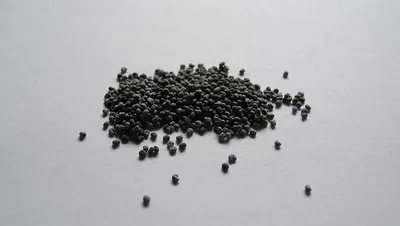
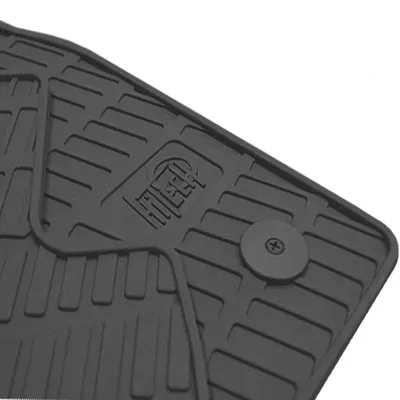
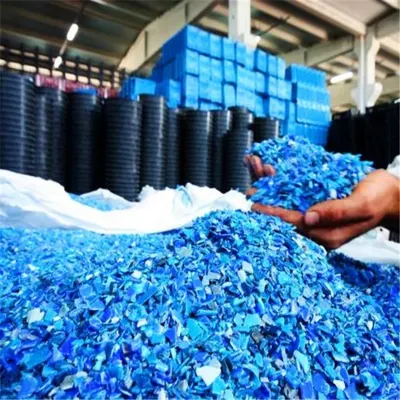
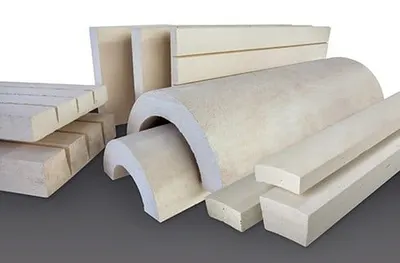
Arbitrage Trading Ltd.’s product list comprises regrind and bulk polymer forms that are standard in the European plastics market. ABS regranules are supplied in black colour and are typically graded to meet UL94 V‑0 flame retardancy and a melt flow index of 20 - 30 g/10 min. The black rubber mats are produced from reclaimed rubber compounds and often conform to hardness values of 60 - 70 Shore A. APET mono food‑safe resin is marketed for single‑use food packaging and usually meets FDA 21 CFR 177.152 specifications, with a typical thickness of 0.2 - 0.4 mm for clear PET applications. The mixed LDPE, PA, PP, PE and composite line provides flexibility for custom blends, where each polymer can be supplied with melt flow indices from 5 to 25 g/10 min depending on the end‑use. PUR‑foam remnants are offered in various density ranges (30 - 120 kg/m³) for insulation or cushioning purposes.
Trade and Export Information - Arbitrage Trading Ltd.
German manufacturers of engineering plastics export primarily to the EU, North America and Southeast Asia, where automotive, packaging and construction sectors drive demand. The HS chapters most frequently applied to these goods are 3902 (polyethylene) and 3903 (polypropylene, other polymers). Export shipments are commonly packed in 20‑ft or 40‑ft containers, with bulk bags used for large‑volume polymer granules and regrind. Buyers usually request proof of REACH compliance, ISO 9001 quality management certification and, where applicable, FDA or EU food‑contact approvals. German trade practices favour Incoterms such as FCA (Free Carrier) or DAP (Delivered at Place) to accommodate the heavy bulk nature of polymer shipments.
Sourcing from Arbitrage Trading Ltd. - Buyer Guidance
When sourcing from Arbitrage Trading Ltd., buyers should obtain a current REACH registration dossier and a detailed material safety data sheet for each polymer grade. Requesting test reports for melt flow index, colour consistency (e.g., ISO 13320) and, for barrier films, oxygen transmission rate data helps verify conformity to typical specifications. Verify the supplier’s ability to supply in standard bulk packaging - 20 kg sacks for granules or 1 ton big bags for PE and PP - before confirming order quantities. Sampling of a few kilograms is standard practice to assess colour and physical properties prior to full‑scale purchase.
Frequently Asked Questions About Arbitrage Trading Ltd.
What polymer grades does Arbitrage Trading Ltd. list in its catalogue?
The catalogue includes black ABS regranules, black rubber mats, APET mono food‑safe resin, a mixed LDPE/PA/PP/PE composite line, PUR‑foam remnants, black PE big bags, PP big bags with carbon fibre, PC/PET and PC/ABS blends, clear PET‑EVOH‑PET film, colour‑mixed PVC granules, standard PVC granules, PET fleece, fully coloured PP mixes and PP with glass fibre.
Are material safety data sheets (MSDS) available for the listed products?
German suppliers typically provide MSDS for each polymer; buyers should request the latest REACH‑compliant MSDS for any product before placing an order.
What certifications are commonly required for these plastics?
Typical requirements include REACH registration, ISO 9001 quality management, and, for food‑contact grades such as APET, FDA or EU food‑contact approvals.
What are the usual packaging formats for bulk polymer shipments?
Granules and regrind are normally packed in 20 kg polypropylene sacks or 1 ton bulk bags; larger shipments are consolidated in 20‑ft or 40‑ft containers.
Which Incoterms are most appropriate for heavy polymer exports from Germany?
Buyers often use FCA (Free Carrier) to a German port or DAP (Delivered at Place) to the destination warehouse, reflecting the weight and handling requirements of bulk polymer cargo.
What testing should a buyer request to confirm product quality?
Standard tests include melt flow index (ASTM D1238), colour measurement (ISO 13320), tensile strength for reinforced grades, and oxygen transmission rate for PET‑EVOH‑PET barrier films.
What is the typical minimum order quantity (MOQ) for big‑bag polymer products?
MOQs generally start at one 1‑ton bulk bag for PE or PP big‑bag products, with smaller quantities possible for regrind or granule samples.
How long is the lead time for standard polymer grades?
Lead times in Germany usually range from 2 to 4 weeks for stocked grades, extending to 6 - 8 weeks for custom blends or reinforced compounds.




 , Germany