Ansaf Export Pvt Ltd — Verified Supplier

About Ansaf Export Pvt Ltd - Dried Fish Supplier in Sri Lanka

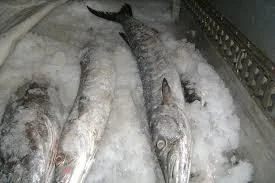
Ansaf Export Pvt Ltd is based in Sri Lanka and lists eight active products in its catalogue. The company’s offerings include Dried Fish, Dried Seafood (tuna and shrimp), Coconut Shell Charcoal, Cushions & Pillows (including baby pillows and soft‑toy pillows), Dehydrated Fruits such as jackfruit, papaya, mango and pineapple, Kithul Jaggery, and Fresh Garlic. The dried fish and tuna‑shrimp items are classified under HS chapter 03 with the specific code 0305.59 for dried fish and crustaceans, while the baby pillows fall under HS code 9404.90 for other furniture. The remaining items have no HS code listed in the provided data. Each product entry specifies the material composition where available, for example 100 % natural dried seafood for the fish line and cotton shell with polyester fiberfill for the baby pillows.

The catalogue does not include any declared certifications, so buyers should verify compliance with standard food‑safety and textile standards independently. The product mix reflects typical Sri Lankan export commodities, with dried seafood and coconut‑derived charcoal being among the country’s top agricultural exports. The active product count of eight indicates a focused portfolio rather than a broad‑line manufacturer. Export destinations are not listed, but the HS codes suggest the goods are prepared for international trade under standard customs classifications.

Product Range and Specialties of Ansaf Export Pvt Ltd

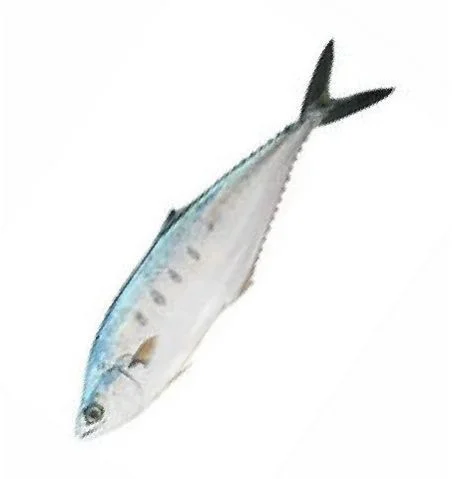
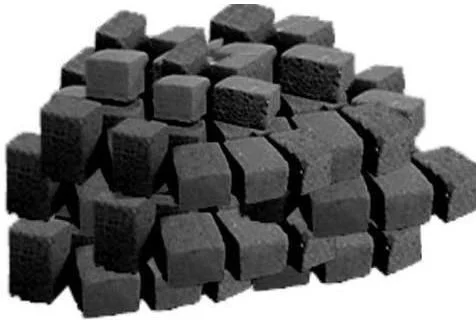
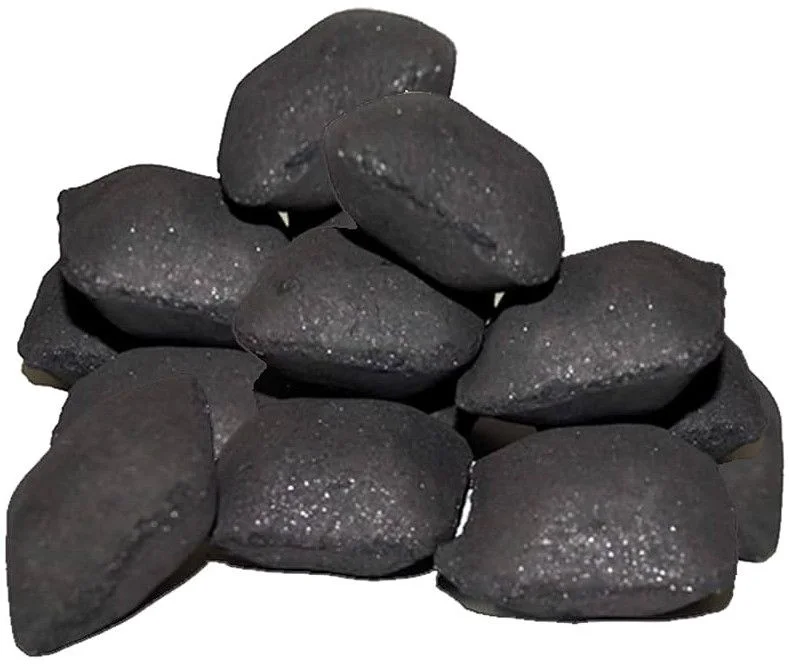
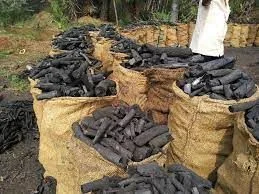
Dried Fish and Dried Seafood (tuna and shrimp) are offered as whole or sliced pieces, usually with moisture content below 12 % and a residual ash level under 2 %, which aligns with common export specifications for HS 0305.59 products. Buyers often request laboratory analysis for total volatile nitrogen (TVN) and microbiological limits such as <10⁴ CFU/g for aerobic plate count. Coconut Shell Charcoal is typically produced from the husk of mature coconuts, ground and carbonised to a fixed carbon content of 70 - 80 % and ash below 5 %, meeting standards used in water filtration and fuel briquette markets. The pillows and soft toys are made from cotton shells with polyester fiberfill, classified under HS 9404.90; standard textile tests include seam strength, fill power (measured in grams per cubic centimetre), and fire‑retardant compliance where required.

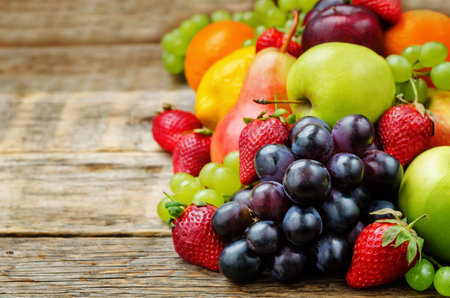
Dehydrated fruits - jackfruit, papaya, mango and pineapple - are commonly dried to a moisture level of 10 - 15 % and packaged in food‑grade polyethylene bags or bulk containers, complying with HACCP and ISO 22000 practices for dried fruit exports. Kithul Jaggery, a traditional Sri Lankan unrefined sugar, is typically sold in blocks or granulated form with a moisture content below 20 % and a sucrose purity of 80 - 85 %, and it falls under HS 1701 for sugar confectionery. Fresh Garlic is exported as whole bulbs, usually meeting size specifications of 30 - 60 mm in diameter and a moisture range of 12 - 14 %, with phytosanitary certificates required for most destination markets.

Trade and Export Information - Ansaf Export Pvt Ltd

Sri Lanka is a recognized source of dried fish, coconut charcoal and tropical fruit products, with the EU, Middle East and South Asian regions accounting for the majority of demand. HS code 0305.59 for dried fish and crustaceans is routinely inspected under the EU’s Rapid Alert System for Food and Feed (RASFF) and requires documentation of origin, processing method and compliance with maximum residue limits (MRLs) for heavy metals and pesticides. HS 9404.90 for pillows is subject to textile labeling rules, including fiber content disclosure and, where applicable, fire‑safety certifications such as EN 71 for toys.

Typical export logistics involve loading dried fish and charcoal into 20‑ft or 40‑ft dry containers with moisture‑proof liners, while pillows are packed in cardboard boxes with internal cushioning. Buyers generally request certificates such as HACCP, ISO 22000 for food items, and ISO 9001 or BRC for non‑food textiles. Phytosanitary certificates are mandatory for fresh garlic shipments, and a Certificate of Origin is standard for all Sri Lankan goods to benefit from preferential duty rates under the Generalized System of Preferences (GSP). Common Incoterms used by Sri Lankan exporters include FOB Colombo and CIF ports in the Middle East.

Sourcing from Ansaf Export Pvt Ltd - Buyer Guidance

When sourcing dried fish or tuna‑shrimp from Ansaf Export, request a recent laboratory analysis covering moisture, ash, TVN and microbiological limits, as well as a HACCP or ISO 22000 compliance statement. Verify that the product is labeled with the correct HS code 0305.59 and that the shipment includes a phytosanitary certificate if the destination country mandates it for seafood.

For coconut shell charcoal, ask for a carbon content test (proximate analysis) and an ash content report to confirm the typical 70 - 80 % fixed carbon range. Dehydrated fruits should be accompanied by a moisture content certificate and a pesticide residue analysis meeting Codex limits. Jaggery purchases benefit from a purity assay and a moisture test, while fresh garlic requires a phytosanitary certificate and a size/grade inspection report. Pillow orders should include a fiber‑content label, fire‑retardancy test results (if required), and packaging dimensions to plan container loading.

Frequently Asked Questions About Ansaf Export Pvt Ltd

What product categories does Ansaf Export Pvt Ltd list in its catalogue?

The catalogue includes Dried Fish, Dried Seafood (tuna and shrimp), Coconut Shell Charcoal, Cushions & Pillows (including baby pillows and soft‑toy pillows), Dehydrated Fruits (jackfruit, papaya, mango, pineapple), Kithul Jaggery and Fresh Garlic.

Which HS codes are assigned to the dried fish and pillow products?

Both the Dried Fish and the Dried Tuna‑Shrimp items are classified under HS code 0305.59, while the Baby Pillows are listed under HS code 9404.90. The remaining products have no HS code specified in the provided data.

What typical quality parameters are buyers expected to verify for the dried seafood?

Buyers usually request moisture content below 12 %, ash under 2 %, total volatile nitrogen (TVN) within standard limits, and microbiological counts such as aerobic plate count below 10⁴ CFU/g. A recent lab analysis and HACCP compliance certificate are standard documentation.

Which certifications are commonly required for coconut shell charcoal exports from Sri Lanka?

Exporters of coconut shell charcoal are often asked to provide ISO 22000 or HACCP food‑safety certificates, an ISO 9001 quality management statement, and a proximate analysis showing fixed carbon 70 - 80 % and ash below 5 %. Buyers may also request a Material Safety Data Sheet (MSDS).

How are dehydrated fruits typically packaged for international shipment?

Dehydrated fruits are usually packed in food‑grade polyethylene bags or bulk cartons, sealed to preserve a moisture level of 10 - 15 % and to prevent contamination. The packaging includes a label with net weight, country of origin and the appropriate HS code for dried tropical fruits.

What documentation is needed to import fresh garlic from Sri Lanka?

Importers should obtain a phytosanitary certificate issued by the Sri Lankan Plant Protection Department, a Certificate of Origin for tariff purposes, and a lab report confirming moisture content (12 - 14 %) and absence of pesticide residues above Codex limits.

What are the typical minimum order quantities (MOQ) and lead times for the pillow range?

For baby pillows and soft‑toy pillows, suppliers often set an MOQ of one full 20‑ft container (approximately 1,500 - 2,000 units) with a lead time of 30 - 45 days after order confirmation, depending on fabric availability and custom labeling requirements.

Which markets commonly import the product range offered by Ansaf Export?

Sri Lankan dried fish and seafood are frequently shipped to the European Union, the United Arab Emirates and India; coconut shell charcoal finds buyers in Southeast Asia and Africa; dehydrated tropical fruits are popular in North America and Europe; and jaggery is exported mainly to the Middle East and South Asian countries.


Featured Products from this Supplier

Other Suppliers in Primary Category

Top Trusted Suppliers

Related Products

Trending in Parent Category

More Suppliers in Category

Related Products

Other Suppliers

EximNext
58.5K+ live requirements
Register Free🎁 Reach verified global buyers
Post Requirement
🌍 Trusted by 224.7K+ businesses in 200+ countries|
58.5K+ active requirements right now
✉️ [email protected]
|
Sell on EximNextPost Requirement
EximNext
AgricultureApparelConstructionElectronicFoodHomeIndustrialMineralsMiscellaneous
🔥 Deals|✨ AI Match|🏭 Suppliers|📋 Buy Leads|💰 Trade Finance
58.5K+ live RFQs·194.6K+ suppliers
🎁 Reach global buyers →
EximNext
EximNext
Register Free
🎁 Reach verified global buyers
Sign In
📋Post Requirement💬Get QuotesAI Match📋RFQ Marketplace
All Categories
Services & Tools
🏭Supplier Directory🔥Today's Deals💰Trade Finance
Sell on EximNext
AboutContactBlogHelp
🏭

Ansaf Export Pvt Ltd

Harbor
Country flag , Sri Lanka
🛡️
54/100
Trust Score

Ansaf Export Pvt Ltd Product Catalog

Showing 8 of 8 products
View all products →
Garlic
Harbor
Garlic
Contact
MOQ: 1 Unit
Pillows And Soft Toy
Harbor
Pillows And Soft Toy
Contact
MOQ: 1 Unit
Kithul Horny Kithul Jaggery
Harbor
Kithul Horny Kithul Jaggery
Contact
MOQ: 1 Unit
Dehydrated Jack Fruit Papaya Mango Pineapple
Harbor
Dehydrated Jack Fruit Papaya Mango Pineapple
Contact
MOQ: 1 Unit
Baby Pillows Tardy Bare
Harbor
Baby Pillows Tardy Bare
Contact
MOQ: 1 Unit
Dried Sea Food Tuna Shrimp
Harbor
Dried Sea Food Tuna Shrimp
Contact
MOQ: 1 Unit
Coconut Shell Products
Harbor
Coconut Shell Products
Contact
MOQ: 1 Unit
Dried Fish
Harbor
Dried Fish
Contact
MOQ: 1 Unit

About Ansaf Export Pvt Ltd - Dried Fish Supplier in Sri Lanka

Ansaf Export Pvt Ltd is based in Sri Lanka and lists eight active products in its catalogue. The company’s offerings include Dried Fish, Dried Seafood (tuna and shrimp), Coconut Shell Charcoal, Cushions & Pillows (including baby pillows and soft‑toy pillows), Dehydrated Fruits such as jackfruit, papaya, mango and pineapple, Kithul Jaggery, and Fresh Garlic. The dried fish and tuna‑shrimp items are classified under HS chapter 03 with the specific code 0305.59 for dried fish and crustaceans, while the baby pillows fall under HS code 9404.90 for other furniture. The remaining items have no HS code listed in the provided data. Each product entry specifies the material composition where available, for example 100 % natural dried seafood for the fish line and cotton shell with polyester fiberfill for the baby pillows.

The catalogue does not include any declared certifications, so buyers should verify compliance with standard food‑safety and textile standards independently. The product mix reflects typical Sri Lankan export commodities, with dried seafood and coconut‑derived charcoal being among the country’s top agricultural exports. The active product count of eight indicates a focused portfolio rather than a broad‑line manufacturer. Export destinations are not listed, but the HS codes suggest the goods are prepared for international trade under standard customs classifications.

Product Range and Specialties of Ansaf Export Pvt Ltd

Dried Fish and Dried Seafood (tuna and shrimp) are offered as whole or sliced pieces, usually with moisture content below 12 % and a residual ash level under 2 %, which aligns with common export specifications for HS 0305.59 products. Buyers often request laboratory analysis for total volatile nitrogen (TVN) and microbiological limits such as <10⁴ CFU/g for aerobic plate count. Coconut Shell Charcoal is typically produced from the husk of mature coconuts, ground and carbonised to a fixed carbon content of 70 - 80 % and ash below 5 %, meeting standards used in water filtration and fuel briquette markets. The pillows and soft toys are made from cotton shells with polyester fiberfill, classified under HS 9404.90; standard textile tests include seam strength, fill power (measured in grams per cubic centimetre), and fire‑retardant compliance where required.

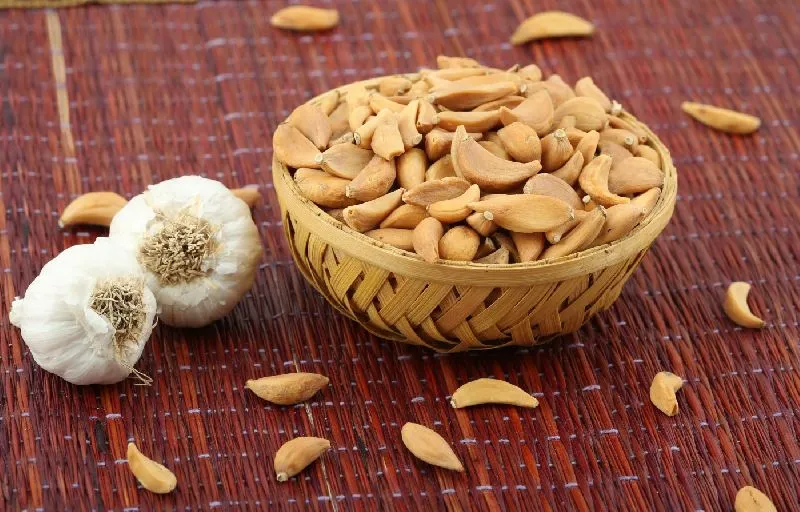
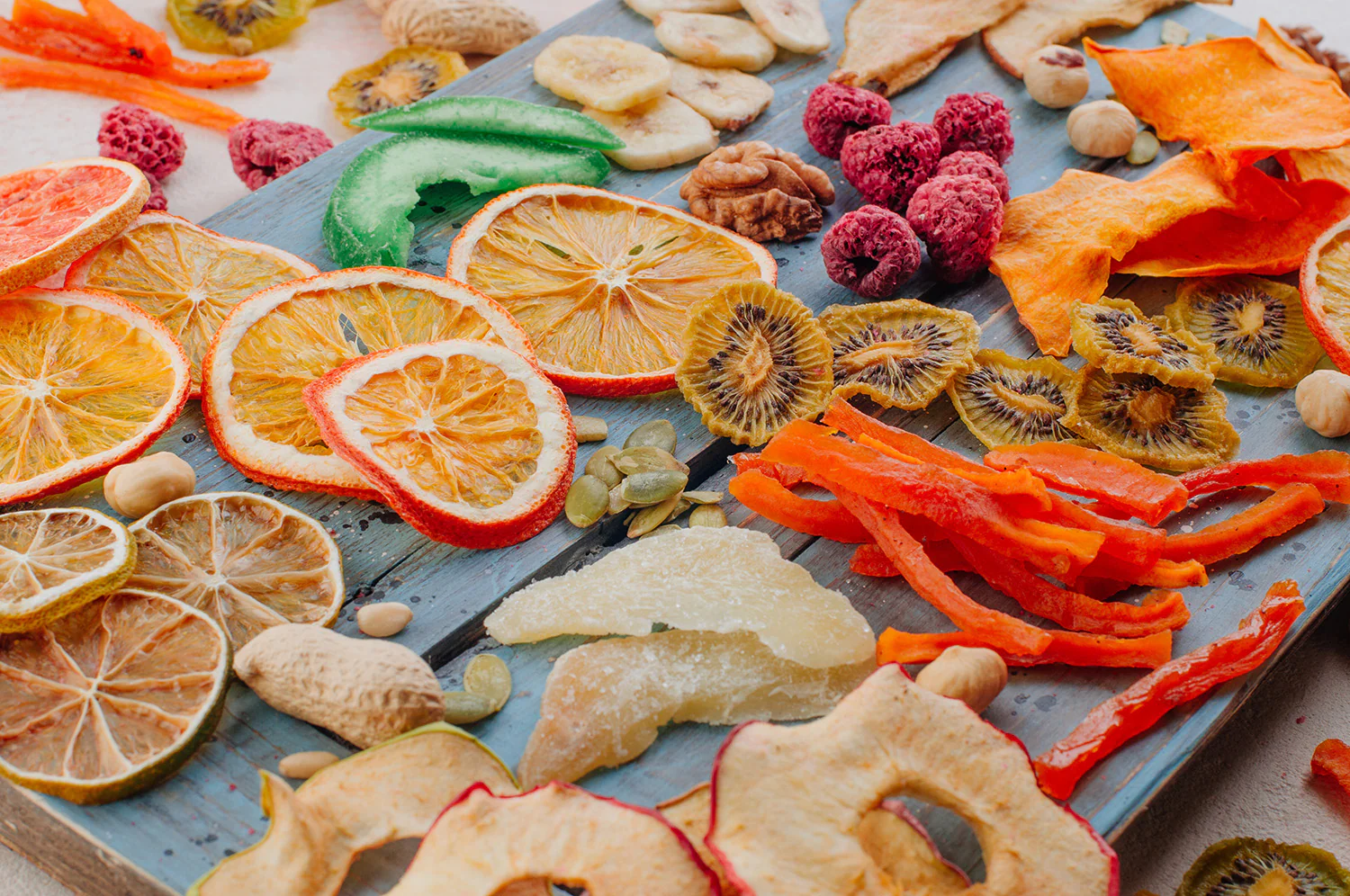
Dehydrated fruits - jackfruit, papaya, mango and pineapple - are commonly dried to a moisture level of 10 - 15 % and packaged in food‑grade polyethylene bags or bulk containers, complying with HACCP and ISO 22000 practices for dried fruit exports. Kithul Jaggery, a traditional Sri Lankan unrefined sugar, is typically sold in blocks or granulated form with a moisture content below 20 % and a sucrose purity of 80 - 85 %, and it falls under HS 1701 for sugar confectionery. Fresh Garlic is exported as whole bulbs, usually meeting size specifications of 30 - 60 mm in diameter and a moisture range of 12 - 14 %, with phytosanitary certificates required for most destination markets.

Trade and Export Information - Ansaf Export Pvt Ltd

Sri Lanka is a recognized source of dried fish, coconut charcoal and tropical fruit products, with the EU, Middle East and South Asian regions accounting for the majority of demand. HS code 0305.59 for dried fish and crustaceans is routinely inspected under the EU’s Rapid Alert System for Food and Feed (RASFF) and requires documentation of origin, processing method and compliance with maximum residue limits (MRLs) for heavy metals and pesticides. HS 9404.90 for pillows is subject to textile labeling rules, including fiber content disclosure and, where applicable, fire‑safety certifications such as EN 71 for toys.

Typical export logistics involve loading dried fish and charcoal into 20‑ft or 40‑ft dry containers with moisture‑proof liners, while pillows are packed in cardboard boxes with internal cushioning. Buyers generally request certificates such as HACCP, ISO 22000 for food items, and ISO 9001 or BRC for non‑food textiles. Phytosanitary certificates are mandatory for fresh garlic shipments, and a Certificate of Origin is standard for all Sri Lankan goods to benefit from preferential duty rates under the Generalized System of Preferences (GSP). Common Incoterms used by Sri Lankan exporters include FOB Colombo and CIF ports in the Middle East.

Sourcing from Ansaf Export Pvt Ltd - Buyer Guidance

When sourcing dried fish or tuna‑shrimp from Ansaf Export, request a recent laboratory analysis covering moisture, ash, TVN and microbiological limits, as well as a HACCP or ISO 22000 compliance statement. Verify that the product is labeled with the correct HS code 0305.59 and that the shipment includes a phytosanitary certificate if the destination country mandates it for seafood.

For coconut shell charcoal, ask for a carbon content test (proximate analysis) and an ash content report to confirm the typical 70 - 80 % fixed carbon range. Dehydrated fruits should be accompanied by a moisture content certificate and a pesticide residue analysis meeting Codex limits. Jaggery purchases benefit from a purity assay and a moisture test, while fresh garlic requires a phytosanitary certificate and a size/grade inspection report. Pillow orders should include a fiber‑content label, fire‑retardancy test results (if required), and packaging dimensions to plan container loading.

Frequently Asked Questions About Ansaf Export Pvt Ltd

What product categories does Ansaf Export Pvt Ltd list in its catalogue?

The catalogue includes Dried Fish, Dried Seafood (tuna and shrimp), Coconut Shell Charcoal, Cushions & Pillows (including baby pillows and soft‑toy pillows), Dehydrated Fruits (jackfruit, papaya, mango, pineapple), Kithul Jaggery and Fresh Garlic.

Which HS codes are assigned to the dried fish and pillow products?

Both the Dried Fish and the Dried Tuna‑Shrimp items are classified under HS code 0305.59, while the Baby Pillows are listed under HS code 9404.90. The remaining products have no HS code specified in the provided data.

What typical quality parameters are buyers expected to verify for the dried seafood?

Buyers usually request moisture content below 12 %, ash under 2 %, total volatile nitrogen (TVN) within standard limits, and microbiological counts such as aerobic plate count below 10⁴ CFU/g. A recent lab analysis and HACCP compliance certificate are standard documentation.

Which certifications are commonly required for coconut shell charcoal exports from Sri Lanka?

Exporters of coconut shell charcoal are often asked to provide ISO 22000 or HACCP food‑safety certificates, an ISO 9001 quality management statement, and a proximate analysis showing fixed carbon 70 - 80 % and ash below 5 %. Buyers may also request a Material Safety Data Sheet (MSDS).

How are dehydrated fruits typically packaged for international shipment?

Dehydrated fruits are usually packed in food‑grade polyethylene bags or bulk cartons, sealed to preserve a moisture level of 10 - 15 % and to prevent contamination. The packaging includes a label with net weight, country of origin and the appropriate HS code for dried tropical fruits.

What documentation is needed to import fresh garlic from Sri Lanka?

Importers should obtain a phytosanitary certificate issued by the Sri Lankan Plant Protection Department, a Certificate of Origin for tariff purposes, and a lab report confirming moisture content (12 - 14 %) and absence of pesticide residues above Codex limits.

What are the typical minimum order quantities (MOQ) and lead times for the pillow range?

For baby pillows and soft‑toy pillows, suppliers often set an MOQ of one full 20‑ft container (approximately 1,500 - 2,000 units) with a lead time of 30 - 45 days after order confirmation, depending on fabric availability and custom labeling requirements.

Which markets commonly import the product range offered by Ansaf Export?

Sri Lankan dried fish and seafood are frequently shipped to the European Union, the United Arab Emirates and India; coconut shell charcoal finds buyers in Southeast Asia and Africa; dehydrated tropical fruits are popular in North America and Europe; and jaggery is exported mainly to the Middle East and South Asian countries.

About Ansaf Export Pvt Ltd - Dried Fish Supplier in Sri Lanka

Ansaf Export Pvt Ltd is based in Sri Lanka and lists eight active products in its catalogue. The company’s offerings include Dried Fish, Dried Seafood (tuna and shrimp), Coconut Shell Charcoal, Cushions & Pillows (including baby pillows and soft‑toy pillows), Dehydrated Fruits such as jackfruit, papaya, mango and pineapple, Kithul Jaggery, and Fresh Garlic. The dried fish and tuna‑shrimp items are classified under HS chapter 03 with the specific code 0305.59 for dried fish and crustaceans, while the baby pillows fall under HS code 9404.90 for other furniture. The remaining items have no HS code listed in the provided data. Each product entry specifies the material composition where available, for example 100 % natural dried seafood for the fish line and cotton shell with polyester fiberfill for the baby pillows.

The catalogue does not include any declared certifications, so buyers should verify compliance with standard food‑safety and textile standards independently. The product mix reflects typical Sri Lankan export commodities, with dried seafood and coconut‑derived charcoal being among the country’s top agricultural exports. The active product count of eight indicates a focused portfolio rather than a broad‑line manufacturer. Export destinations are not listed, but the HS codes suggest the goods are prepared for international trade under standard customs classifications.

Product Range and Specialties of Ansaf Export Pvt Ltd

Dried Fish and Dried Seafood (tuna and shrimp) are offered as whole or sliced pieces, usually with moisture content below 12 % and a residual ash level under 2 %, which aligns with common export specifications for HS 0305.59 products. Buyers often request laboratory analysis for total volatile nitrogen (TVN) and microbiological limits such as <10⁴ CFU/g for aerobic plate count. Coconut Shell Charcoal is typically produced from the husk of mature coconuts, ground and carbonised to a fixed carbon content of 70 - 80 % and ash below 5 %, meeting standards used in water filtration and fuel briquette markets. The pillows and soft toys are made from cotton shells with polyester fiberfill, classified under HS 9404.90; standard textile tests include seam strength, fill power (measured in grams per cubic centimetre), and fire‑retardant compliance where required.

Dehydrated fruits - jackfruit, papaya, mango and pineapple - are commonly dried to a moisture level of 10 - 15 % and packaged in food‑grade polyethylene bags or bulk containers, complying with HACCP and ISO 22000 practices for dried fruit exports. Kithul Jaggery, a traditional Sri Lankan unrefined sugar, is typically sold in blocks or granulated form with a moisture content below 20 % and a sucrose purity of 80 - 85 %, and it falls under HS 1701 for sugar confectionery. Fresh Garlic is exported as whole bulbs, usually meeting size specifications of 30 - 60 mm in diameter and a moisture range of 12 - 14 %, with phytosanitary certificates required for most destination markets.

Trade and Export Information - Ansaf Export Pvt Ltd

Sri Lanka is a recognized source of dried fish, coconut charcoal and tropical fruit products, with the EU, Middle East and South Asian regions accounting for the majority of demand. HS code 0305.59 for dried fish and crustaceans is routinely inspected under the EU’s Rapid Alert System for Food and Feed (RASFF) and requires documentation of origin, processing method and compliance with maximum residue limits (MRLs) for heavy metals and pesticides. HS 9404.90 for pillows is subject to textile labeling rules, including fiber content disclosure and, where applicable, fire‑safety certifications such as EN 71 for toys.

Typical export logistics involve loading dried fish and charcoal into 20‑ft or 40‑ft dry containers with moisture‑proof liners, while pillows are packed in cardboard boxes with internal cushioning. Buyers generally request certificates such as HACCP, ISO 22000 for food items, and ISO 9001 or BRC for non‑food textiles. Phytosanitary certificates are mandatory for fresh garlic shipments, and a Certificate of Origin is standard for all Sri Lankan goods to benefit from preferential duty rates under the Generalized System of Preferences (GSP). Common Incoterms used by Sri Lankan exporters include FOB Colombo and CIF ports in the Middle East.

Sourcing from Ansaf Export Pvt Ltd - Buyer Guidance

When sourcing dried fish or tuna‑shrimp from Ansaf Export, request a recent laboratory analysis covering moisture, ash, TVN and microbiological limits, as well as a HACCP or ISO 22000 compliance statement. Verify that the product is labeled with the correct HS code 0305.59 and that the shipment includes a phytosanitary certificate if the destination country mandates it for seafood.

For coconut shell charcoal, ask for a carbon content test (proximate analysis) and an ash content report to confirm the typical 70 - 80 % fixed carbon range. Dehydrated fruits should be accompanied by a moisture content certificate and a pesticide residue analysis meeting Codex limits. Jaggery purchases benefit from a purity assay and a moisture test, while fresh garlic requires a phytosanitary certificate and a size/grade inspection report. Pillow orders should include a fiber‑content label, fire‑retardancy test results (if required), and packaging dimensions to plan container loading.

Frequently Asked Questions About Ansaf Export Pvt Ltd
What product categories does Ansaf Export Pvt Ltd list in its catalogue?
The catalogue includes Dried Fish, Dried Seafood (tuna and shrimp), Coconut Shell Charcoal, Cushions & Pillows (including baby pillows and soft‑toy pillows), Dehydrated Fruits (jackfruit, papaya, mango, pineapple), Kithul Jaggery and Fresh Garlic.
Which HS codes are assigned to the dried fish and pillow products?
Both the Dried Fish and the Dried Tuna‑Shrimp items are classified under HS code 0305.59, while the Baby Pillows are listed under HS code 9404.90. The remaining products have no HS code specified in the provided data.
What typical quality parameters are buyers expected to verify for the dried seafood?
Buyers usually request moisture content below 12 %, ash under 2 %, total volatile nitrogen (TVN) within standard limits, and microbiological counts such as aerobic plate count below 10⁴ CFU/g. A recent lab analysis and HACCP compliance certificate are standard documentation.
Which certifications are commonly required for coconut shell charcoal exports from Sri Lanka?
Exporters of coconut shell charcoal are often asked to provide ISO 22000 or HACCP food‑safety certificates, an ISO 9001 quality management statement, and a proximate analysis showing fixed carbon 70 - 80 % and ash below 5 %. Buyers may also request a Material Safety Data Sheet (MSDS).
How are dehydrated fruits typically packaged for international shipment?
Dehydrated fruits are usually packed in food‑grade polyethylene bags or bulk cartons, sealed to preserve a moisture level of 10 - 15 % and to prevent contamination. The packaging includes a label with net weight, country of origin and the appropriate HS code for dried tropical fruits.
What documentation is needed to import fresh garlic from Sri Lanka?
Importers should obtain a phytosanitary certificate issued by the Sri Lankan Plant Protection Department, a Certificate of Origin for tariff purposes, and a lab report confirming moisture content (12 - 14 %) and absence of pesticide residues above Codex limits.
What are the typical minimum order quantities (MOQ) and lead times for the pillow range?
For baby pillows and soft‑toy pillows, suppliers often set an MOQ of one full 20‑ft container (approximately 1,500 - 2,000 units) with a lead time of 30 - 45 days after order confirmation, depending on fabric availability and custom labeling requirements.
Which markets commonly import the product range offered by Ansaf Export?
Sri Lankan dried fish and seafood are frequently shipped to the European Union, the United Arab Emirates and India; coconut shell charcoal finds buyers in Southeast Asia and Africa; dehydrated tropical fruits are popular in North America and Europe; and jaggery is exported mainly to the Middle East and South Asian countries.

🏭
Ansaf Export Pvt Ltd
Country flag , Sri Lanka
Harbor
54/100
Trust Score
📦
8
Products
Free to contact — no commission
Escrow payment available
Verified business identity
Compare more suppliers
Post a requirement — get 10 quotes free
Let verified suppliers compete for your business. Free, fast, no commitment.
EximNext Verified Supplier
Business identity verified
Physical address confirmed
Financial history checked
Certifications authenticated
Trade references validated
Due Diligence
Verify this supplier's real shipping history.
Every shipment, every buyer, every port. Trade data that can't be faked.
Run due diligence →
Discover More

Related Suppliers & Products

Explore similar suppliers, related products and trending categories

Featured Products from this Supplier

Other Suppliers in Primary Category

Top Trusted Suppliers

Related Products

Trending in Parent Category

More Suppliers in Category

Stay ahead in global trade
Weekly market insights & new supplier alerts.
EximNext
Exim Next is a leading global B2B marketplace, connecting over 205,000 verified suppliers and buyers across 200+ countries. As a trusted import export marketplace, it serves as the essential B2B portal for businesses worldwide, empowering them to expand their international reach. With Exim Next, businesses can trade smarter and grow faster.
SECURE PAYMENTS
VISAMastercardPayPalSWIFTL/CEscrow
Follow us
© 2026 EximNext