Anhui Koyo Imp. & Exp. Co., Ltd. — Supplier
About Anhui Koyo Imp. & Exp. Co., Ltd. - Chemicals & Allied Products Supplier in China
Anhui Koyo Imp. & Exp. Co., Ltd. operates from China and currently lists five active products across the Chemicals & Allied Products and Agriculture categories. The catalogue includes calcium propionate (HS 2915.50), salicylic acid (HS 2918.23), sodium carboxymethyl cellulose (no HS code provided), sodium benzoate (no HS code provided) and potassium sorbate (HS 2932.19). Each entry specifies the chemical composition, such as calcium propionate (Ca(C2H5COO)2) and potassium sorbate (C6H7KO2). The supplier’s product count of five indicates a focused portfolio of food‑preservative and functional‑chemical additives.
The listed chemicals are standard additives used for preservation, pH control and texture modification in food and industrial applications. The HS code families 2915, 2918 and 2932 place these items within the broader chapter for organic chemicals, which is the classification used by customs authorities worldwide. The catalogue does not provide additional HS codes for sodium CMC or sodium benzoate, but they are typically grouped under the same chapter 29 for organic compounds. The product set reflects a typical range of preservative agents and functional polymers offered by Chinese chemical exporters.
Product Range and Specialties of Anhui Koyo Imp. & Exp. Co., Ltd.
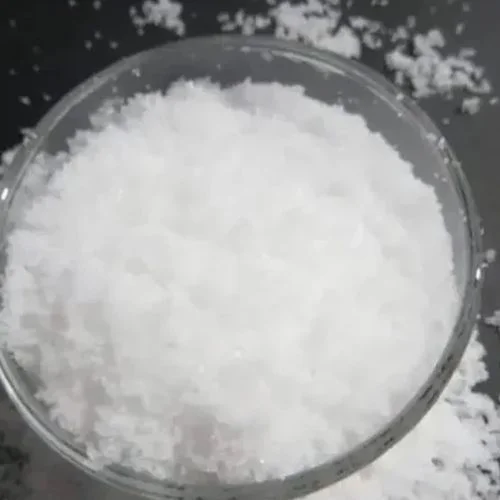
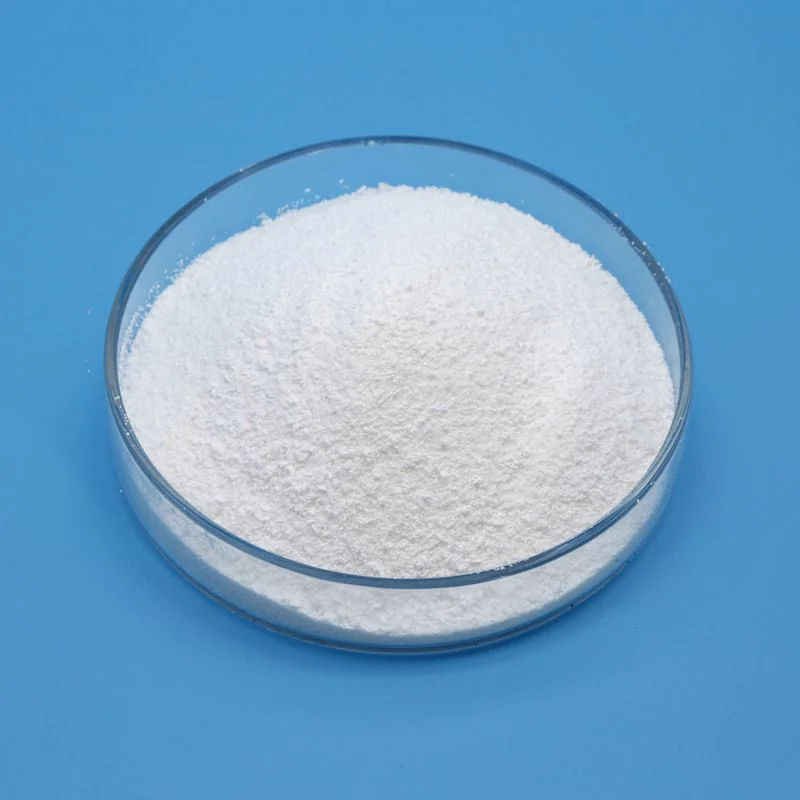
The product portfolio comprises calcium propionate, a calcium salt of propionic acid commonly supplied as a white powder with purity grades of 99 % or higher for food‑grade applications. Salicylic acid is listed as 2‑hydroxybenzoic acid and is available in pharmaceutical and cosmetic grades, usually meeting purity of 98‑99 % and particle size specifications below 200 µm. Sodium carboxymethyl cellulose (sodium CMC) is a cellulose‑derived polymer used as a thickener and stabiliser, typically offered in viscosity grades ranging from 500 to 2 000 mPa·s at 2 % solution. Sodium benzoate, an aromatic carboxylate, is supplied in food‑grade purity of at least 99 % and is used as an antimicrobial agent. Potassium sorbate is the potassium salt of sorbic acid, generally provided with purity ≥99.5 % and low moisture content for bakery and beverage preservation. Industry standards for these additives often reference ICUMSA‑type purity levels, USP or FCC monographs, and specific moisture and heavy‑metal limits.
Typical specifications for the listed chemicals include moisture below 0.2 %, heavy‑metal content under 10 ppm, and compliance with national food‑additive regulations such as the EU Food Additives Regulation (EC) No 1333/2008 or the US FDA Food Additive Status. Buyers frequently request certificates of analysis that detail assay, impurity profile, and microbiological limits. Packaging formats are usually 25 kg polypropylene drums or bulk bags, enabling efficient loading into 20‑foot and 40‑foot containers for international shipment.
Trade and Export Information - Anhui Koyo Imp. & Exp. Co., Ltd.
China is a major exporter of food‑preservative chemicals, and products classified under HS 2915, 2918 and 2932 are routinely shipped to North America, the European Union, Southeast Asia and the Middle East. Importers in these regions typically require compliance with ISO 9001 quality management, ISO 22000 food‑safety management, and GMP certifications, as well as specific regulatory approvals such as FDA food‑additive registration or EU novel‑food authorisation. Customs inspections often reference the HS code to verify that the declared product matches the accompanying Certificate of Analysis and safety data sheets.
Standard export logistics for these chemicals involve FOB Shanghai or Ningbo, with buyers often selecting CIF terms for door delivery. Bulk packaging of 25 kg drums fits approximately 20 drums per 20‑foot container or 40 drums per 40‑foot container, allowing predictable freight calculations. Export documentation commonly includes a commercial invoice, packing list, bill of lading, Certificate of Origin, and any required phytosanitary or safety certificates depending on the destination country’s regulations.
Sourcing from Anhui Koyo Imp. & Exp. Co., Ltd. - Buyer Guidance
Buyers should obtain a current Certificate of Analysis (CoA) for each batch, confirming assay, moisture, heavy‑metal limits and microbiological criteria. A Material Safety Data Sheet (MSDS) must be reviewed to ensure proper handling, storage and transport conditions, especially for acids such as salicylic acid. Requesting copies of ISO 9001, ISO 22000 or GMP certificates helps verify that the supplier’s quality system aligns with food‑safety expectations.
Before confirming an order, verify that the packaging material complies with food‑contact regulations and that the shipment will be sealed in moisture‑resistant drums. Confirm the minimum order quantity, typical lead time of 30‑45 days, and any required pre‑shipment testing, such as third‑party laboratory verification of purity. Ensure that the supplier can provide the necessary regulatory documents for the buyer’s target market, such as FDA food‑additive status letters or EU compliance statements.
Frequently Asked Questions About Anhui Koyo Imp. & Exp. Co., Ltd.
What chemical products does Anhui Koyo list in its catalogue?
The catalogue includes calcium propionate (HS 2915.50), salicylic acid (HS 2918.23), sodium carboxymethyl cellulose (no HS code listed), sodium benzoate (no HS code listed) and potassium sorbate (HS 2932.19). All are standard food‑preservative or functional additives.
Which HS codes are associated with the listed chemicals?
Calcium propionate falls under HS 2915.50, salicylic acid under 2918.23 and potassium sorbate under 2932.19. Sodium CMC and sodium benzoate are classified within the broader HS chapter 29 for organic chemicals.
What quality specifications are typical for these additives?
Food‑grade batches usually require purity of at least 99 %, moisture content below 0.2 %, heavy‑metal limits under 10 ppm, and compliance with relevant food‑additive regulations. Viscosity grades are specified for sodium CMC, while particle size limits apply to salicylic acid.
What documentation should a buyer request before purchasing?
Buyers should request a Certificate of Analysis (CoA), a Material Safety Data Sheet (MSDS), and any applicable GMP, ISO 9001 or ISO 22000 certificates. For regulated markets, a compliance statement with FDA or EU food‑additive regulations is also advisable.
What are the common packaging formats and container capacities?
Products are typically packed in 25 kg polypropylene drums or 1‑ton bulk bags. A 20‑foot container can accommodate roughly 20 drums, while a 40‑foot container can hold about 40 drums, allowing efficient bulk shipment.
What are the usual minimum order quantities and lead times?
Minimum order quantities range from 500 kg to 1 ton per SKU. Standard lead times are 30‑45 days from order confirmation, depending on production scheduling and batch testing.
Which global markets commonly import these Chinese food additives?
Major import regions include North America, the European Union, Southeast Asia and the Middle East, where the chemicals are used in bakery, beverage, pharmaceutical and cosmetic formulations.
How can a buyer verify compliance with destination‑country regulations?
Buyers should compare the supplier’s CoA and MSDS against the target country’s food‑additive standards, request any required regulatory certificates (e.g., FDA food‑additive registration, EU novel‑food approval) and, if needed, arrange third‑party laboratory testing to confirm purity and impurity limits.




 , China