Aneka Jasa Sinergi, Pt — Verified Supplier

About Aneka Jasa Sinergi, Pt - Coffee Supplier in Indonesia

Indonesia‑based Aneka Jasa Sinergi, Pt lists seven distinct agricultural products in its current catalogue. The active product count of 7 includes Durian, Cocofiber & Cocopeat, Palm Kernel Shell, Kidney Bean (kacang Merah), Ginger (Red Ginger), Papua Coffee and a generic Coffee entry. Each item is recorded under the supplier’s top categories of Coffee, Fresh Fruits, Coco Peat & Coir Pith, Palm Kernel, Kidney Beans and Fresh Ginger, reflecting a focus on both commodity crops and horticultural media. The catalogue does not provide HS‑code details, but the product families fall within well‑known customs tariff chapters for agricultural goods.

The supplier’s listings cover two major fruit commodities (Durian and Red Ginger), two legume products (Kidney Bean and Coffee beans), a horticultural substrate (Cocofiber & Cocopeat), and an industrial by‑product (Palm Kernel Shell). While the facts do not specify origin regions within Indonesia, the products are typical of Indonesian export zones such as Sumatra for coffee, Kalimantan for palm‑related material, and Papua for specialty coffee. The range therefore spans fresh produce, processed agricultural residues and raw beans, all of which are commonly exported under HS chapters 0804, 0901, 1207, 1401 and 0713.

Product Range and Specialties of Aneka Jasa Sinergi, Pt

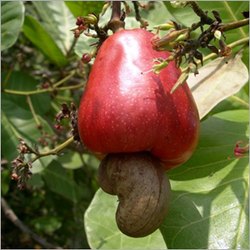
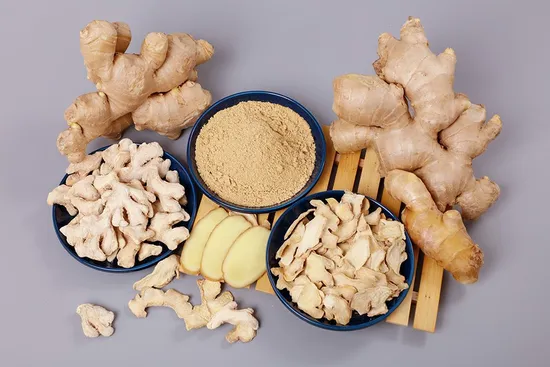
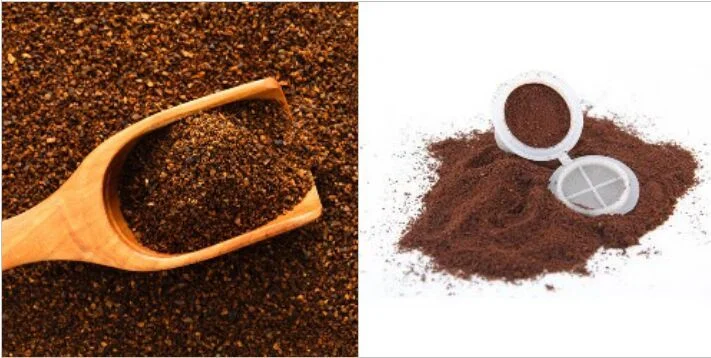
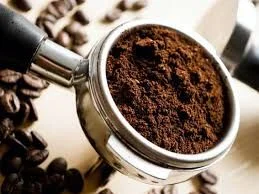
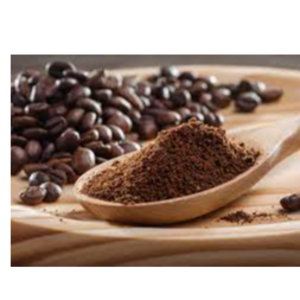
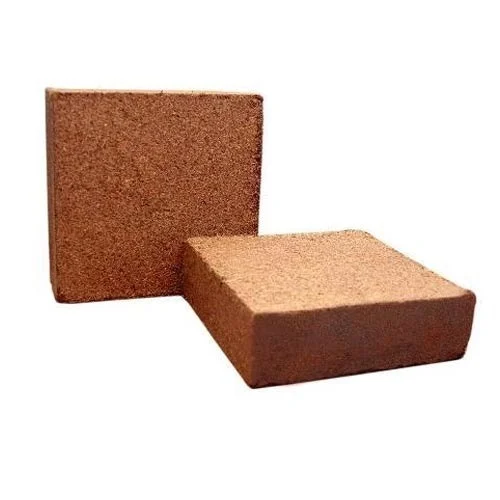
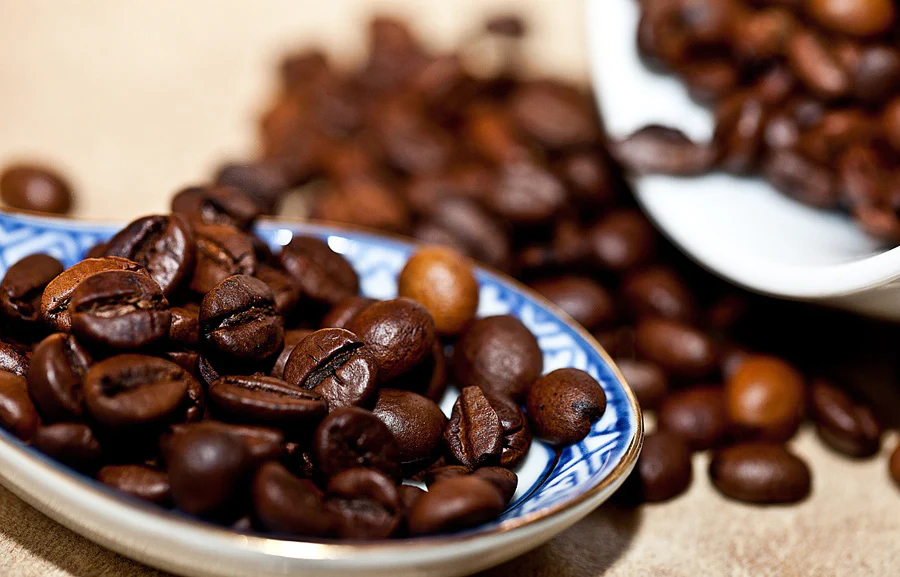
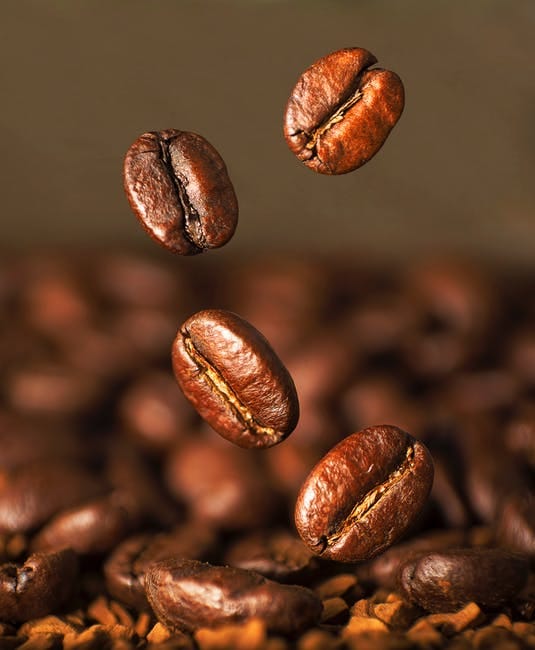
The catalogue’s coffee entries include Papua Coffee and a generic Coffee product, which generally correspond to Arabica and Robusta varieties. In international trade, coffee is classified under HS 0901 and buyers often request grade specifications such as cup score, moisture content below 12 % and defect count per 100 g. Durian is a high‑value tropical fruit usually shipped whole, with typical quality grades based on pulp colour, sweetness and seed size; HS 0804 covers the fruit. Cocofiber & Cocopeat are horticultural substrates derived from coconut husk, commonly sold in 20‑ft containers as 25 kg or 50 kg bags, with pH 5.5‑6.5 and EC below 1 mS cm‑1 as standard parameters. Palm Kernel Shell, classified under HS 1207, is used as a renewable fuel or in concrete aggregates; standard specifications include particle size 0‑6 mm and bulk density around 0.5 t m‑3. Kidney Beans fall under HS 0713 and are evaluated by size (e.g., 12‑15 mm), moisture below 13 % and absence of mould. Red Ginger (HS 0910) is typically graded by fibre length, sugar content (Brix 5‑7 %) and freshness, and is packed in ventilated crates or jute bags.

Trade and Export Information - Aneka Jasa Sinergi, Pt

Indonesia is a leading exporter of coffee, fruit and coconut‑derived products. Coffee from regions such as Papua and Sumatra is regularly shipped to the European Union, United States and Japan, with buyers frequently requiring phytosanitary certificates, ISO 22000 or HACCP compliance, and origin documentation. Fresh fruits like Durian are in demand in China, Hong Kong and Singapore, where HS 0804 imports often need a phytosanitary certificate and a certificate of origin. Cocopeat and other coir products serve horticultural markets in North America and Europe; standard trade practice includes a material safety data sheet (MSDS) and compliance with REACH for any chemical residues. Palm Kernel Shells are exported to cement manufacturers in the EU and Middle East; customs classification under HS 1207 may trigger requirements for carbon content verification and bulk density testing. Kidney Beans and Ginger are shipped to Middle Eastern and South Asian markets, respectively, where HS 0713 and HS 0910 imports are subject to moisture limits and pesticide residue limits. Typical Incoterms used by Indonesian exporters are FOB Jakarta or CIF destination, with cargo packed in 20‑ft or 40‑ft containers, jute bags for beans and fruits, and bulk bags for cocopeat.

Sourcing from Aneka Jasa Sinergi, Pt - Buyer Guidance

When sourcing from Aneka Jasa Sinergi, Pt, buyers should request a recent phytosanitary certificate for all fresh produce and a laboratory analysis report for moisture, pesticide residues and heavy metals for beans, coffee and ginger. Samples of coffee should be cupped according to SCA protocols, while Durian samples are evaluated for pulp firmness and sugar content. For cocopeat, request a batch test showing pH, EC and particle size distribution; for palm kernel shell, ask for bulk density and calorific value data. Verify that any certifications such as ISO 22000, HACCP or organic accreditation are current and applicable to the specific product lot. Confirm packaging details - e.g., 50 kg woven bags for beans, ventilated wooden crates for Durian, bulk bags for cocopeat - and ensure that container loading plans meet the buyer’s logistics preferences.

Frequently Asked Questions About Aneka Jasa Sinergi, Pt

What coffee varieties does Aneka Jasa Sinergi, Pt list in its catalogue?

The catalogue includes a generic Coffee entry and a specific Papua Coffee product, which are typically Arabica or Robusta beans originating from Indonesian coffee regions.

Which HS codes apply to the listed products?

Coffee falls under HS 0901, Durian under HS 0804, Cocofiber & Cocopeat under HS 1401, Palm Kernel Shell under HS 1207, Kidney Bean under HS 0713, and Red Ginger under HS 0910.

What certifications should a buyer request for these Indonesian agricultural exports?

Buyers normally request a phytosanitary certificate for fresh produce, ISO 22000 or HACCP for processed food items, and any relevant organic or sustainability certificates if claimed.

What are typical packaging formats for the supplier’s products?

Coffee beans and kidney beans are usually packed in 50 kg woven polypropylene bags, Durian is shipped in ventilated wooden crates, cocopeat in bulk bags of 25 kg or 50 kg, and palm kernel shell in bulk bags or loose bulk containers.

What are common minimum order quantities (MOQs) for these products?

MOQs often start at one 20‑ft container for bulk items such as cocopeat and palm kernel shell, while coffee beans and kidney beans may be ordered in multiples of 5 tons, and fresh fruits like Durian are typically quoted per metric ton.

What lead times can buyers expect for shipments from Indonesia?

Lead times vary by product but generally range from 2‑4 weeks for coffee and beans after order confirmation, and 3‑6 weeks for fresh fruits and horticultural substrates, depending on harvest season and customs clearance.

Which markets commonly import the supplier’s product categories?

Indonesian coffee is commonly imported into the EU, US and Japan; Durian is exported mainly to China, Hong Kong and Singapore; cocopeat serves horticultural markets in North America and Europe; palm kernel shell is bought by cement producers in the EU and Middle East; kidney beans and ginger are supplied to Middle Eastern and South Asian buyers.

How should a buyer verify product quality before placing a full order?

Buyers should obtain a sample for laboratory testing (moisture, pesticide residues, bean size or pH), review the supplier’s latest phytosanitary and quality certificates, and compare test results against industry standards for each HS‑code category.


Featured Products from this Supplier

Other Suppliers in Primary Category

Top Trusted Suppliers

Related Products

Trending in Parent Category

More Suppliers in Category

Related Products

Other Suppliers

EximNext
58.7K+ live requirements
Register Free🎁 Reach verified global buyers
Post Requirement
🌍 Trusted by 224.9K+ businesses in 200+ countries|
58.7K+ active requirements right now
✉️ [email protected]
|
Sell on EximNextPost Requirement
EximNext
AgricultureApparelConstructionElectronicFoodHomeIndustrialMineralsMiscellaneous
🔥 Deals|✨ AI Match|🏭 Suppliers|📋 Buy Leads|💰 Trade Finance
58.7K+ live RFQs·194.8K+ suppliers
🎁 Reach global buyers →
EximNext
EximNext
Register Free
🎁 Reach verified global buyers
Sign In
📋Post Requirement💬Get Quotes✨AI Match📋RFQ Marketplace
All Categories
Services & Tools
🏭Supplier Directory🔥Today's Deals💰Trade Finance
Sell on EximNext →
AboutContactBlogHelp
Agriculture & Food  ·  Indonesia
7
products listed

Aneka Jasa Sinergi, Pt

⚓ Harbor
Country flag , Indonesia
🛡️
54/100
Trust Score

Aneka Jasa Sinergi, Pt Product Catalog

Showing 7 of 7 products
View all products →
Cocofiber & Cocopeat
⚓ Harbor
Cocofiber & Cocopeat
Contact
MOQ: 1 Unit
Palm Kernel Shell
⚓ Harbor
Palm Kernel Shell
Contact
MOQ: 1 Unit
Kidney Bean (kacang Merah)
⚓ Harbor
Kidney Bean (kacang Merah)
Contact
MOQ: 1 Unit
Ginger (Red Ginger)
⚓ Harbor
Ginger (Red Ginger)
Contact
MOQ: 1 Unit
Papua Coffee
⚓ Harbor
Papua Coffee
Contact
MOQ: 1 Unit
Coffee
⚓ Harbor
Coffee
Contact
MOQ: 1 Unit
Durian
⚓ Harbor
Durian
Contact
MOQ: 1 Unit

About Aneka Jasa Sinergi, Pt - Coffee Supplier in Indonesia

Indonesia‑based Aneka Jasa Sinergi, Pt lists seven distinct agricultural products in its current catalogue. The active product count of 7 includes Durian, Cocofiber & Cocopeat, Palm Kernel Shell, Kidney Bean (kacang Merah), Ginger (Red Ginger), Papua Coffee and a generic Coffee entry. Each item is recorded under the supplier’s top categories of Coffee, Fresh Fruits, Coco Peat & Coir Pith, Palm Kernel, Kidney Beans and Fresh Ginger, reflecting a focus on both commodity crops and horticultural media. The catalogue does not provide HS‑code details, but the product families fall within well‑known customs tariff chapters for agricultural goods.

The supplier’s listings cover two major fruit commodities (Durian and Red Ginger), two legume products (Kidney Bean and Coffee beans), a horticultural substrate (Cocofiber & Cocopeat), and an industrial by‑product (Palm Kernel Shell). While the facts do not specify origin regions within Indonesia, the products are typical of Indonesian export zones such as Sumatra for coffee, Kalimantan for palm‑related material, and Papua for specialty coffee. The range therefore spans fresh produce, processed agricultural residues and raw beans, all of which are commonly exported under HS chapters 0804, 0901, 1207, 1401 and 0713.

Product Range and Specialties of Aneka Jasa Sinergi, Pt

The catalogue’s coffee entries include Papua Coffee and a generic Coffee product, which generally correspond to Arabica and Robusta varieties. In international trade, coffee is classified under HS 0901 and buyers often request grade specifications such as cup score, moisture content below 12 % and defect count per 100 g. Durian is a high‑value tropical fruit usually shipped whole, with typical quality grades based on pulp colour, sweetness and seed size; HS 0804 covers the fruit. Cocofiber & Cocopeat are horticultural substrates derived from coconut husk, commonly sold in 20‑ft containers as 25 kg or 50 kg bags, with pH 5.5‑6.5 and EC below 1 mS cm‑1 as standard parameters. Palm Kernel Shell, classified under HS 1207, is used as a renewable fuel or in concrete aggregates; standard specifications include particle size 0‑6 mm and bulk density around 0.5 t m‑3. Kidney Beans fall under HS 0713 and are evaluated by size (e.g., 12‑15 mm), moisture below 13 % and absence of mould. Red Ginger (HS 0910) is typically graded by fibre length, sugar content (Brix 5‑7 %) and freshness, and is packed in ventilated crates or jute bags.

Trade and Export Information - Aneka Jasa Sinergi, Pt

Indonesia is a leading exporter of coffee, fruit and coconut‑derived products. Coffee from regions such as Papua and Sumatra is regularly shipped to the European Union, United States and Japan, with buyers frequently requiring phytosanitary certificates, ISO 22000 or HACCP compliance, and origin documentation. Fresh fruits like Durian are in demand in China, Hong Kong and Singapore, where HS 0804 imports often need a phytosanitary certificate and a certificate of origin. Cocopeat and other coir products serve horticultural markets in North America and Europe; standard trade practice includes a material safety data sheet (MSDS) and compliance with REACH for any chemical residues. Palm Kernel Shells are exported to cement manufacturers in the EU and Middle East; customs classification under HS 1207 may trigger requirements for carbon content verification and bulk density testing. Kidney Beans and Ginger are shipped to Middle Eastern and South Asian markets, respectively, where HS 0713 and HS 0910 imports are subject to moisture limits and pesticide residue limits. Typical Incoterms used by Indonesian exporters are FOB Jakarta or CIF destination, with cargo packed in 20‑ft or 40‑ft containers, jute bags for beans and fruits, and bulk bags for cocopeat.

Sourcing from Aneka Jasa Sinergi, Pt - Buyer Guidance

When sourcing from Aneka Jasa Sinergi, Pt, buyers should request a recent phytosanitary certificate for all fresh produce and a laboratory analysis report for moisture, pesticide residues and heavy metals for beans, coffee and ginger. Samples of coffee should be cupped according to SCA protocols, while Durian samples are evaluated for pulp firmness and sugar content. For cocopeat, request a batch test showing pH, EC and particle size distribution; for palm kernel shell, ask for bulk density and calorific value data. Verify that any certifications such as ISO 22000, HACCP or organic accreditation are current and applicable to the specific product lot. Confirm packaging details - e.g., 50 kg woven bags for beans, ventilated wooden crates for Durian, bulk bags for cocopeat - and ensure that container loading plans meet the buyer’s logistics preferences.

Frequently Asked Questions About Aneka Jasa Sinergi, Pt

What coffee varieties does Aneka Jasa Sinergi, Pt list in its catalogue?

The catalogue includes a generic Coffee entry and a specific Papua Coffee product, which are typically Arabica or Robusta beans originating from Indonesian coffee regions.

Which HS codes apply to the listed products?

Coffee falls under HS 0901, Durian under HS 0804, Cocofiber & Cocopeat under HS 1401, Palm Kernel Shell under HS 1207, Kidney Bean under HS 0713, and Red Ginger under HS 0910.

What certifications should a buyer request for these Indonesian agricultural exports?

Buyers normally request a phytosanitary certificate for fresh produce, ISO 22000 or HACCP for processed food items, and any relevant organic or sustainability certificates if claimed.

What are typical packaging formats for the supplier’s products?

Coffee beans and kidney beans are usually packed in 50 kg woven polypropylene bags, Durian is shipped in ventilated wooden crates, cocopeat in bulk bags of 25 kg or 50 kg, and palm kernel shell in bulk bags or loose bulk containers.

What are common minimum order quantities (MOQs) for these products?

MOQs often start at one 20‑ft container for bulk items such as cocopeat and palm kernel shell, while coffee beans and kidney beans may be ordered in multiples of 5 tons, and fresh fruits like Durian are typically quoted per metric ton.

What lead times can buyers expect for shipments from Indonesia?

Lead times vary by product but generally range from 2‑4 weeks for coffee and beans after order confirmation, and 3‑6 weeks for fresh fruits and horticultural substrates, depending on harvest season and customs clearance.

Which markets commonly import the supplier’s product categories?

Indonesian coffee is commonly imported into the EU, US and Japan; Durian is exported mainly to China, Hong Kong and Singapore; cocopeat serves horticultural markets in North America and Europe; palm kernel shell is bought by cement producers in the EU and Middle East; kidney beans and ginger are supplied to Middle Eastern and South Asian buyers.

How should a buyer verify product quality before placing a full order?

Buyers should obtain a sample for laboratory testing (moisture, pesticide residues, bean size or pH), review the supplier’s latest phytosanitary and quality certificates, and compare test results against industry standards for each HS‑code category.

About Aneka Jasa Sinergi, Pt - Coffee Supplier in Indonesia

Indonesia‑based Aneka Jasa Sinergi, Pt lists seven distinct agricultural products in its current catalogue. The active product count of 7 includes Durian, Cocofiber & Cocopeat, Palm Kernel Shell, Kidney Bean (kacang Merah), Ginger (Red Ginger), Papua Coffee and a generic Coffee entry. Each item is recorded under the supplier’s top categories of Coffee, Fresh Fruits, Coco Peat & Coir Pith, Palm Kernel, Kidney Beans and Fresh Ginger, reflecting a focus on both commodity crops and horticultural media. The catalogue does not provide HS‑code details, but the product families fall within well‑known customs tariff chapters for agricultural goods.

The supplier’s listings cover two major fruit commodities (Durian and Red Ginger), two legume products (Kidney Bean and Coffee beans), a horticultural substrate (Cocofiber & Cocopeat), and an industrial by‑product (Palm Kernel Shell). While the facts do not specify origin regions within Indonesia, the products are typical of Indonesian export zones such as Sumatra for coffee, Kalimantan for palm‑related material, and Papua for specialty coffee. The range therefore spans fresh produce, processed agricultural residues and raw beans, all of which are commonly exported under HS chapters 0804, 0901, 1207, 1401 and 0713.

Product Range and Specialties of Aneka Jasa Sinergi, Pt

The catalogue’s coffee entries include Papua Coffee and a generic Coffee product, which generally correspond to Arabica and Robusta varieties. In international trade, coffee is classified under HS 0901 and buyers often request grade specifications such as cup score, moisture content below 12 % and defect count per 100 g. Durian is a high‑value tropical fruit usually shipped whole, with typical quality grades based on pulp colour, sweetness and seed size; HS 0804 covers the fruit. Cocofiber & Cocopeat are horticultural substrates derived from coconut husk, commonly sold in 20‑ft containers as 25 kg or 50 kg bags, with pH 5.5‑6.5 and EC below 1 mS cm‑1 as standard parameters. Palm Kernel Shell, classified under HS 1207, is used as a renewable fuel or in concrete aggregates; standard specifications include particle size 0‑6 mm and bulk density around 0.5 t m‑3. Kidney Beans fall under HS 0713 and are evaluated by size (e.g., 12‑15 mm), moisture below 13 % and absence of mould. Red Ginger (HS 0910) is typically graded by fibre length, sugar content (Brix 5‑7 %) and freshness, and is packed in ventilated crates or jute bags.

Trade and Export Information - Aneka Jasa Sinergi, Pt

Indonesia is a leading exporter of coffee, fruit and coconut‑derived products. Coffee from regions such as Papua and Sumatra is regularly shipped to the European Union, United States and Japan, with buyers frequently requiring phytosanitary certificates, ISO 22000 or HACCP compliance, and origin documentation. Fresh fruits like Durian are in demand in China, Hong Kong and Singapore, where HS 0804 imports often need a phytosanitary certificate and a certificate of origin. Cocopeat and other coir products serve horticultural markets in North America and Europe; standard trade practice includes a material safety data sheet (MSDS) and compliance with REACH for any chemical residues. Palm Kernel Shells are exported to cement manufacturers in the EU and Middle East; customs classification under HS 1207 may trigger requirements for carbon content verification and bulk density testing. Kidney Beans and Ginger are shipped to Middle Eastern and South Asian markets, respectively, where HS 0713 and HS 0910 imports are subject to moisture limits and pesticide residue limits. Typical Incoterms used by Indonesian exporters are FOB Jakarta or CIF destination, with cargo packed in 20‑ft or 40‑ft containers, jute bags for beans and fruits, and bulk bags for cocopeat.

Sourcing from Aneka Jasa Sinergi, Pt - Buyer Guidance

When sourcing from Aneka Jasa Sinergi, Pt, buyers should request a recent phytosanitary certificate for all fresh produce and a laboratory analysis report for moisture, pesticide residues and heavy metals for beans, coffee and ginger. Samples of coffee should be cupped according to SCA protocols, while Durian samples are evaluated for pulp firmness and sugar content. For cocopeat, request a batch test showing pH, EC and particle size distribution; for palm kernel shell, ask for bulk density and calorific value data. Verify that any certifications such as ISO 22000, HACCP or organic accreditation are current and applicable to the specific product lot. Confirm packaging details - e.g., 50 kg woven bags for beans, ventilated wooden crates for Durian, bulk bags for cocopeat - and ensure that container loading plans meet the buyer’s logistics preferences.

Frequently Asked Questions About Aneka Jasa Sinergi, Pt
What coffee varieties does Aneka Jasa Sinergi, Pt list in its catalogue?
The catalogue includes a generic Coffee entry and a specific Papua Coffee product, which are typically Arabica or Robusta beans originating from Indonesian coffee regions.
Which HS codes apply to the listed products?
Coffee falls under HS 0901, Durian under HS 0804, Cocofiber & Cocopeat under HS 1401, Palm Kernel Shell under HS 1207, Kidney Bean under HS 0713, and Red Ginger under HS 0910.
What certifications should a buyer request for these Indonesian agricultural exports?
Buyers normally request a phytosanitary certificate for fresh produce, ISO 22000 or HACCP for processed food items, and any relevant organic or sustainability certificates if claimed.
What are typical packaging formats for the supplier’s products?
Coffee beans and kidney beans are usually packed in 50 kg woven polypropylene bags, Durian is shipped in ventilated wooden crates, cocopeat in bulk bags of 25 kg or 50 kg, and palm kernel shell in bulk bags or loose bulk containers.
What are common minimum order quantities (MOQs) for these products?
MOQs often start at one 20‑ft container for bulk items such as cocopeat and palm kernel shell, while coffee beans and kidney beans may be ordered in multiples of 5 tons, and fresh fruits like Durian are typically quoted per metric ton.
What lead times can buyers expect for shipments from Indonesia?
Lead times vary by product but generally range from 2‑4 weeks for coffee and beans after order confirmation, and 3‑6 weeks for fresh fruits and horticultural substrates, depending on harvest season and customs clearance.
Which markets commonly import the supplier’s product categories?
Indonesian coffee is commonly imported into the EU, US and Japan; Durian is exported mainly to China, Hong Kong and Singapore; cocopeat serves horticultural markets in North America and Europe; palm kernel shell is bought by cement producers in the EU and Middle East; kidney beans and ginger are supplied to Middle Eastern and South Asian buyers.
How should a buyer verify product quality before placing a full order?
Buyers should obtain a sample for laboratory testing (moisture, pesticide residues, bean size or pH), review the supplier’s latest phytosanitary and quality certificates, and compare test results against industry standards for each HS‑code category.

Aneka Jasa Sinergi, Pt
Country flag Indonesia
⚓ HarborAgriculture & Food
54/100
Trust Score
7
Products
✓ Free to contact — no commission
✓ Escrow payment available
✓ Verified business identity
Compare more suppliers
Post a requirement — get 10 quotes free
Let verified suppliers compete for your business. Free, fast, no commitment.
EximNext Verified Supplier
Business identity verified
Physical address confirmed
Financial history checked
Certifications authenticated
Trade references validated
Due Diligence
Verify this supplier's real shipping history.
Every shipment, every buyer, every port. Trade data that can't be faked.
Run due diligence →
Discover More

Related Suppliers & Products

Explore similar suppliers, related products and trending categories

Featured Products from this Supplier

Other Suppliers in Primary Category

Top Trusted Suppliers

Related Products

Trending in Parent Category

More Suppliers in Category

Stay ahead in global trade
Weekly market insights & new supplier alerts.
EximNext
Exim Next is a leading global B2B marketplace, connecting over 205,000 verified suppliers and buyers across 200+ countries. As a trusted import export marketplace, it serves as the essential B2B portal for businesses worldwide, empowering them to expand their international reach. With Exim Next, businesses can trade smarter and grow faster.
SECURE PAYMENTS
VISAMastercardPayPalSWIFTL/CEscrow
Follow us
© 2026 EximNext