Agriculture›
 Apparel and fashion accessories›
 Construction & real estate›💡Electronic & Electrical›🍎Food & Beverages›🛋️Home furnishing & supplies›⚗️Industrial goods & chemical›🪨Minerals & metals›📦Miscellaneous›Agriculture›Apparel and fashion accessories›Construction & real estate›💡Electronic & Electrical›🍎Food & Beverages›🛋️Home furnishing & supplies›⚗️Industrial goods & chemical›🪨Minerals & metals›📦Miscellaneous›
Ampa Inter Trade Product Catalog


About Ampa Inter Trade - Peanuts Supplier in Thailand
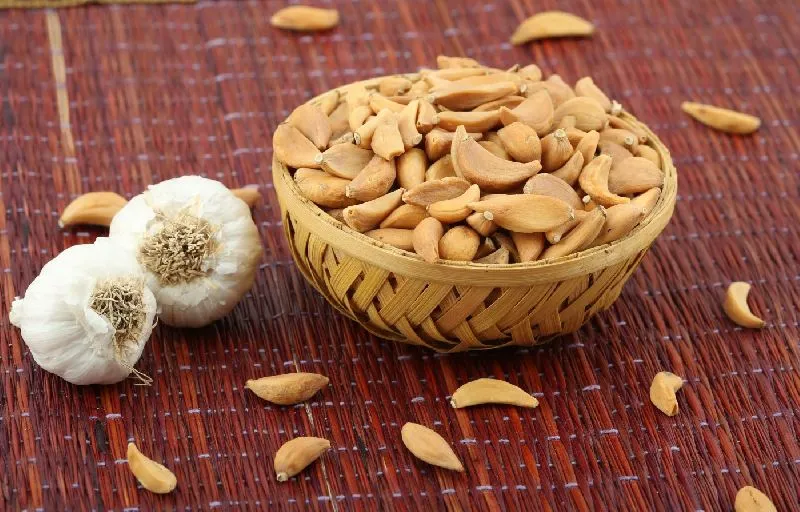
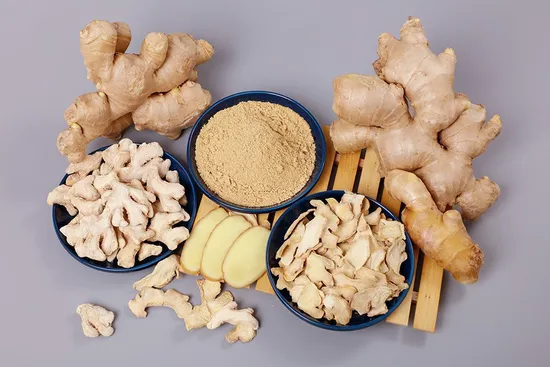
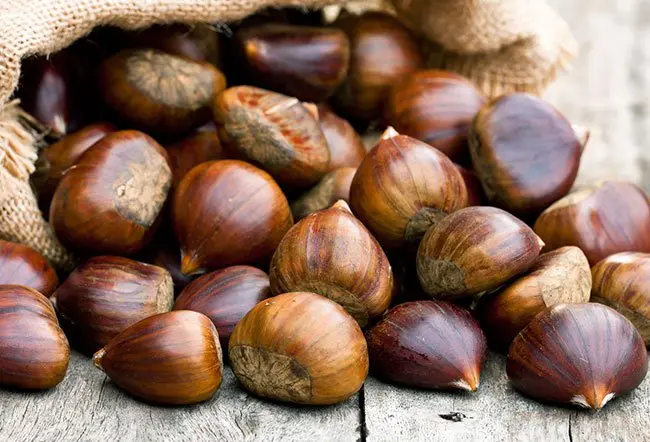
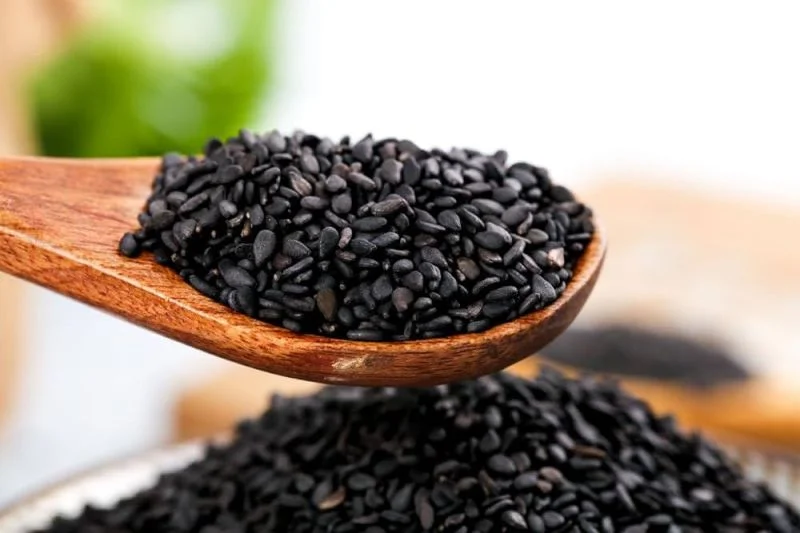
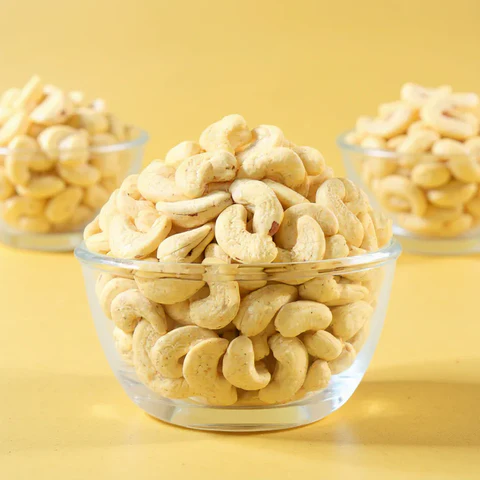
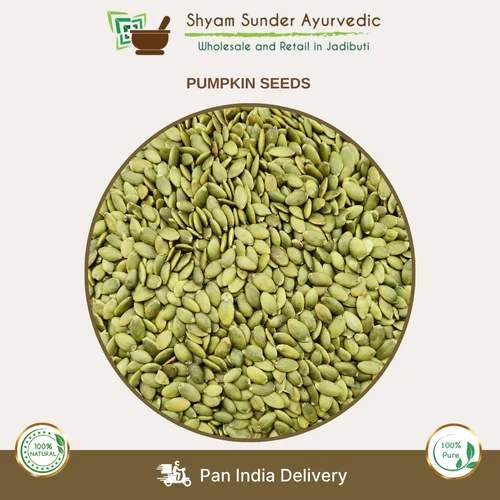
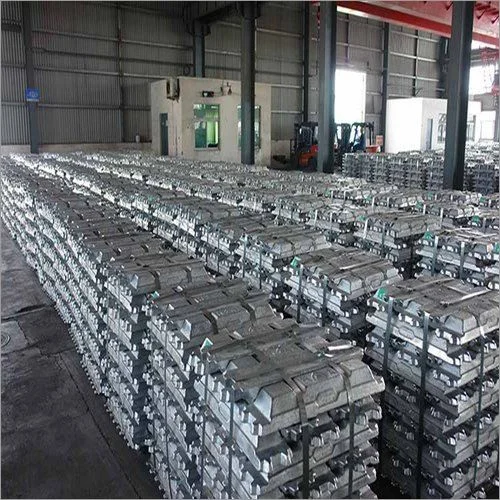
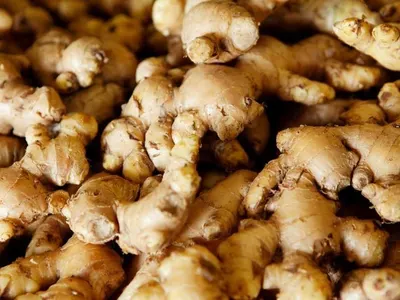
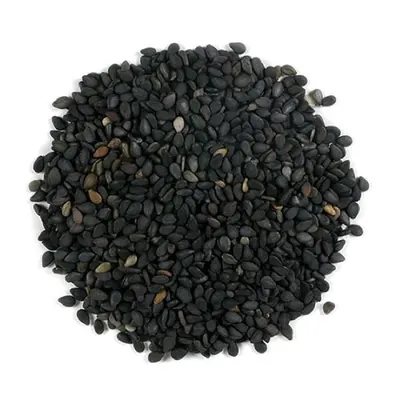
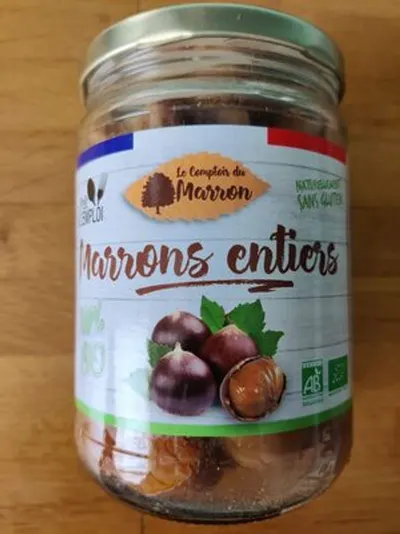
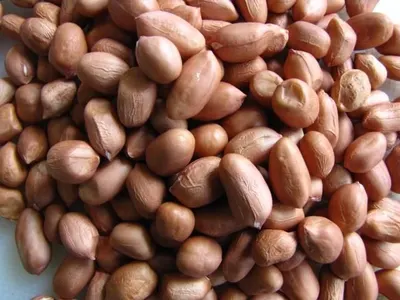
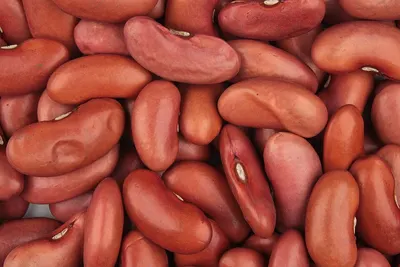
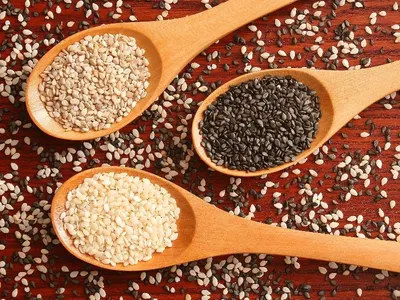
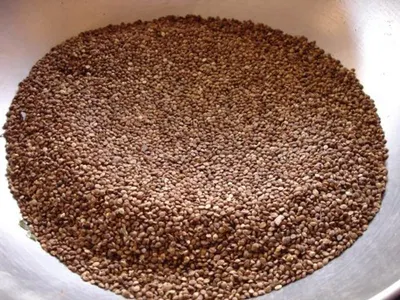
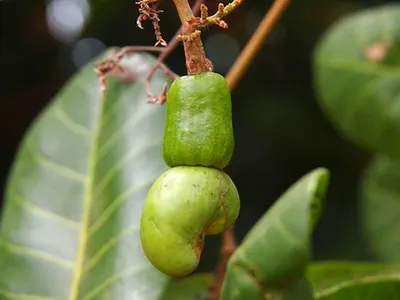
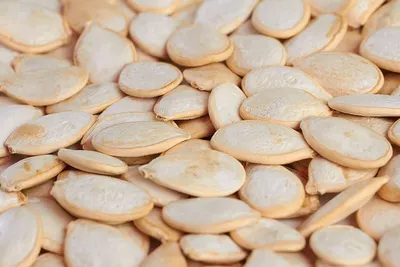
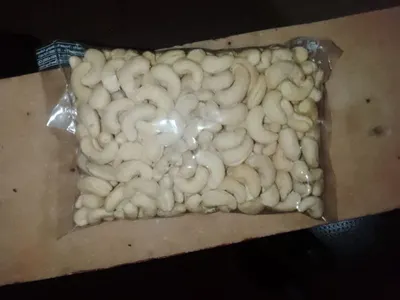
Ampa Inter Trade is based in Thailand and currently lists 14 distinct products across its catalogue. The catalogue spans food commodities such as peanuts, cashew nuts, pumpkin seeds, hazelnuts, chestnuts, white and black sesame seeds, millet, walnuts, fresh garlic and ginger, as well as a metal product, aluminum ingots. The food items are grouped under categories like Peanuts, Sesame Seeds and Nuts, reflecting the supplier’s focus on edible kernels. The metal entry is presented as quality Aluminum Ingots. Each entry is identified with its HS‑code where applicable.
The aluminium entry carries HS code 7601.20 and is described as an aluminum alloy (primary). All other listed items - for example Grade Aa African Dried Cashew Nuts, quality Peanut With Shell, Salted And Roasted Pumpkin Seeds, and Fresh Garlic - are provided without explicit HS codes in the supplied data. The product list therefore combines agricultural kernels and a primary metal commodity, offering a varied export profile from a single Thai source.
Product Range and Specialties of Ampa Inter Trade
The food side of the catalogue includes shell‑on peanuts, blanched peanuts, red‑skin peanuts, white and black sesame seeds, pumpkin seeds, cashew nuts, hazelnuts, chestnuts, millet, walnuts, garlic and ginger. In the nut and seed market, buyers typically look for grade AA or AAA classifications, moisture content below 5 % for most kernels, aflatoxin levels under 10 ppb, and oil content specifications of 45‑55 % for sesame. Aluminium ingots from Thailand are commonly produced in standard alloys such as 6061 or 6063, with aluminium purity of 99.5 % or higher and dimensions that fit 20‑ft or 40‑ft container loads. Packaging for nuts usually involves vacuum‑sealed polypropylene bags (typically 20 kg or 25 kg) or bulk 1‑ton polypropylene sacks, while aluminium ingots are shipped in steel pallets or wooden crates with protective film.
Frequently Asked Questions About Ampa Inter Trade
What product categories does Ampa Inter Trade list in its catalogue?
The supplier lists fourteen items, including several varieties of peanuts, cashew nuts, pumpkin seeds, hazelnuts, chestnuts, white and black sesame seeds, millet, walnuts, fresh garlic, fresh ginger and a high‑quality aluminium ingot (HS 7601.20).
Is there an HS code provided for the aluminium ingot?
Yes, the aluminium ingot is identified with HS code 7601.20, which covers primary aluminium alloys in ingot form.
Which certifications should a buyer request for the nut and seed products?
Buyers typically request a phytosanitary certificate, HACCP or ISO 22000 compliance documentation, and laboratory test reports for moisture, aflatoxin and foreign matter limits.
What typical specifications are used for peanuts in this market?
Peanuts are commonly graded AA or AAA, with moisture below 5 %, aflatoxin under 10 ppb, and shell‑on or blanched forms packed in 20‑kg polypropylene bags.
What packaging formats are standard for the aluminium ingots?
Aluminium ingots are usually shipped in steel‑framed wooden crates or on wooden pallets, wrapped with protective film, and consolidated in 20‑ft or 40‑ft containers.
 Thailand
Related Suppliers & Products
Explore similar suppliers, related products and trending categories