American Trade Partnership LLC — Supplier
About American Trade Partnership LLC - Agriculture Supplier in United States
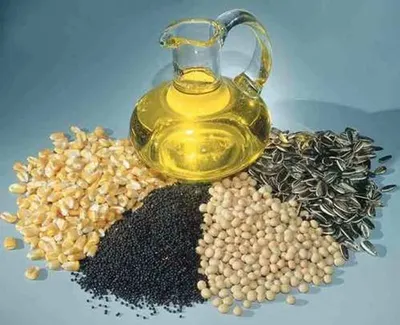
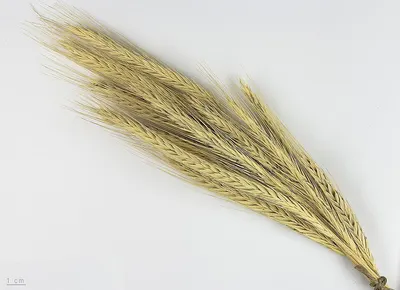
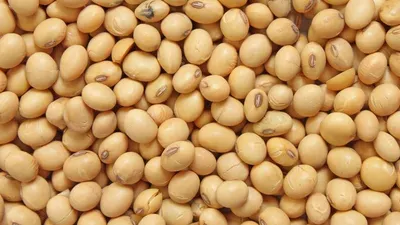
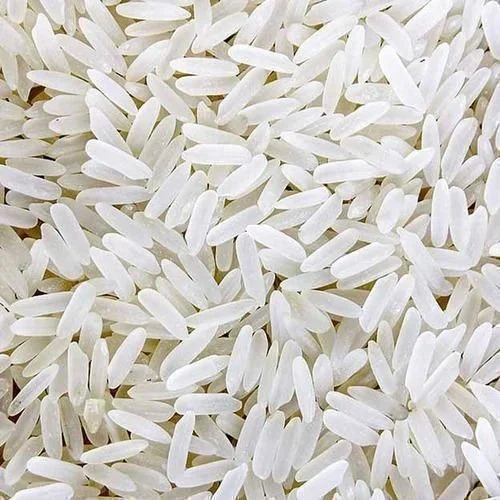
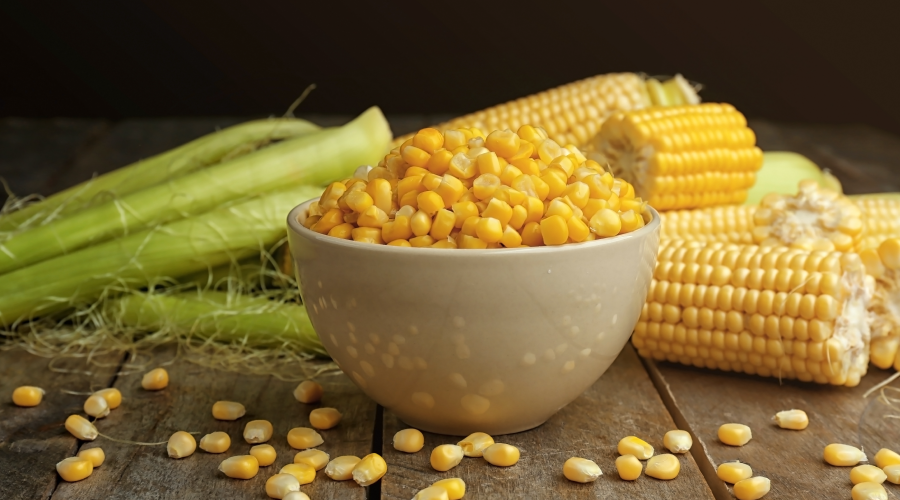
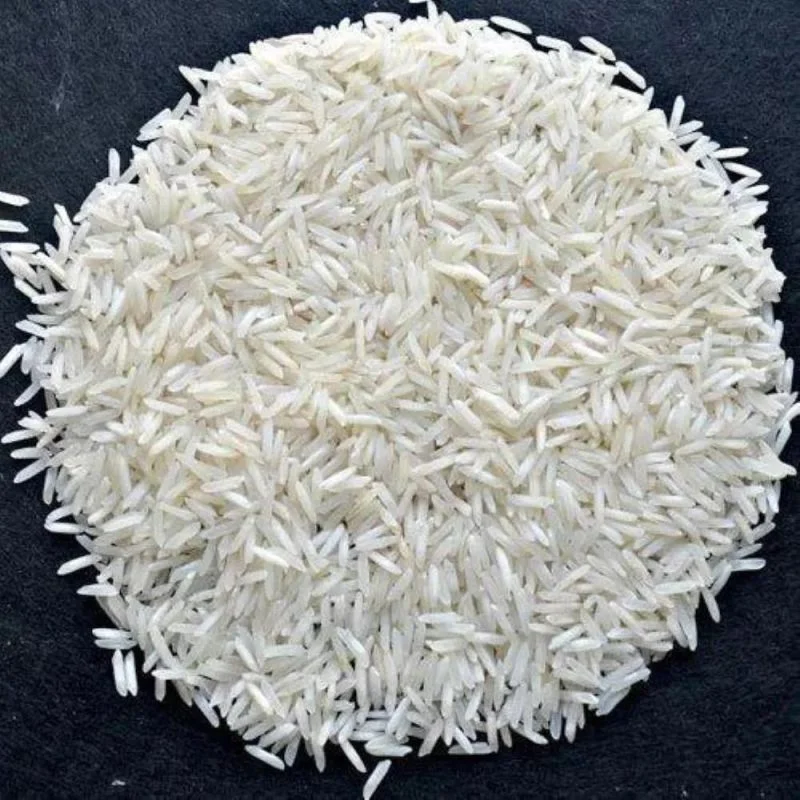
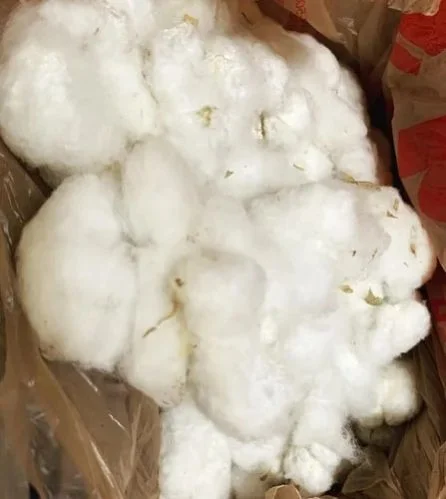
The United States‑based American Trade Partnership LLC lists eight active agricultural products in its catalogue. The portfolio includes major grains such as corn, wheat, soybean, and two rice entries (Calrose Rice and generic Rice), as well as cotton fibre and two vegetable oils - soybean oil and sunflower oil. Each product is recorded under the broad agricultural commodity HS families used for export, but the supplier’s catalogue does not specify individual HS codes. The product set covers typical export grades: corn often supplied as US No. 1 yellow corn, wheat as hard red winter or soft white grades, soybeans meeting non‑GMO or standard US export specifications, Calrose rice as medium‑grain, long‑staple cotton, and refined vegetable oils with free‑fatty‑acid levels around 0.1 % and peroxide values below 10 meq O₂/kg. These specifications align with standard US export quality parameters used by buyers worldwide.
Product Range and Specialties of American Trade Partnership LLC
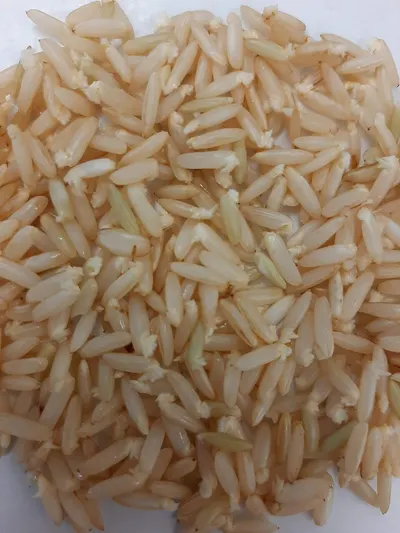
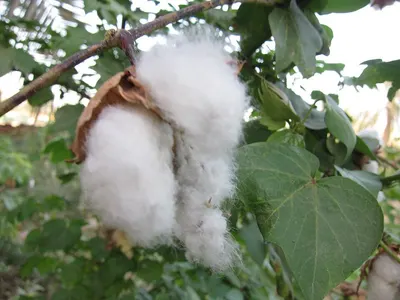
American Trade Partnership LLC’s catalogue groups its eight items into three functional categories: grains (corn, wheat, soybean, Calrose Rice, generic Rice), fibre (cotton) and edible oils (soybean oil, sunflower oil). In the grain segment, buyers typically request moisture limits of 14 % for corn, 13 % for wheat, and 13 % for soybeans, along with foreign‑matter thresholds below 0.5 %. Rice exports are judged on broken grain percentage (usually under 5 %) and moisture below 14 %. Cotton is generally supplied as long‑staple fiber meeting USDA grade A standards, with micronaire values between 3.5 and 4.5. For the oils, industry norms include an acid value below 0.2 mg KOH/g, iodine value around 120 - 130 for soybean oil and 140 - 150 for sunflower oil, and packaging in 20‑ft containers or bulk 1‑ton flexitanks. These grades reflect the most common specifications encountered in global trade for US agricultural commodities.
Trade and Export Information - American Trade Partnership LLC
The United States is a leading exporter of the listed commodities. Grain shipments such as corn and wheat are frequently sent to Mexico, Japan, South Korea and the European Union, while soybeans and soybean oil are major exports to China, the EU and Southeast Asia. Calrose and other rice varieties find markets in the Middle East and North Africa, and US cotton is a staple input for textile mills in Bangladesh, Vietnam and Pakistan. Sunflower oil, although a smaller share of US oil exports, is directed to the EU and North African food processors. Typical export documentation includes a commercial invoice, packing list, Certificate of Origin, and where required, USDA phytosanitary certificates. Buyers often request ISO 22000 or HACCP compliance, FDA food facility registration, and third‑party lab analysis for pesticide residues, aflatoxin (for corn and peanuts), and oil oxidation values. Logistics usually involve full‑container loads (FCL) of 20‑ft or 40‑ft containers for grains and oils, and bulk bags or bales for cotton, with Incoterms such as FOB or CIF commonly applied.
Sourcing from American Trade Partnership LLC - Buyer Guidance
When sourcing from American Trade Partnership LLC, buyers should ask for product specification sheets that detail moisture content, foreign‑matter limits, and any GMO status. Requesting recent third‑party lab reports for mycotoxins on corn, pesticide residue limits on soybeans, and free‑fatty‑acid plus peroxide values for the oils helps verify compliance with buyer‑side quality standards. Sample sizes of 25 kg for grains, a 5‑kg cotton bale, and 20‑liter oil samples are typical for initial evaluation. Confirm that the supplier can provide USDA phytosanitary certificates, FDA registration numbers, and, if required by the destination, ISO 22000 or HACCP audit reports before finalizing purchase orders.
Frequently Asked Questions About American Trade Partnership LLC
What grain products does American Trade Partnership LLC offer?
The supplier lists corn, wheat, soybean, Calrose Rice and generic Rice, covering the main US export grain categories used by food processors and feed manufacturers.
Which certifications should a buyer request for these agricultural commodities?
Buyers typically request USDA phytosanitary certificates, FDA food facility registration, and, where applicable, ISO 22000 or HACCP compliance documentation.
What are the typical moisture limits for the grain items?
Corn and soybeans are usually limited to 14 % moisture, wheat to 13 %, and rice to 14 % moisture, in line with standard US export specifications.
How is cotton supplied and what quality parameters are common?
Cotton is supplied in bales meeting USDA grade A standards, with micronaire values between 3.5 and 4.5 and low impurity levels.
What quality tests are standard for soybean and sunflower oil?
Standard tests include free‑fatty‑acid content (≤0.1 %), peroxide value (≤10 meq O₂/kg), and iodine value (≈120 - 130 for soybean oil, 140 - 150 for sunflower oil).
What are typical packaging and shipping methods for these products?
Grains and oils are normally shipped in 20‑ft or 40‑ft containers, grains in bulk bags (≈1 ton) and oils in flexitanks or drums; cotton is shipped in standard bales on pallets.
What is a reasonable minimum order quantity (MOQ) for a first order?
MOQs often start at one 20‑ft container for grains or oils (≈20 tons) and a single bale (≈200 kg) for cotton, but buyers should confirm the exact quantity with the supplier.
How long does lead time typically take from order confirmation to shipment?
Lead times range from 2‑4 weeks for bulk grain shipments to 3‑5 weeks for oil loads, depending on harvest timing, processing schedules and container availability.




 , United States