AlRamz Plastic Factory — Supplier

About AlRamz Plastic Factory - Plastic Raw Materials Supplier in Saudi Arabia

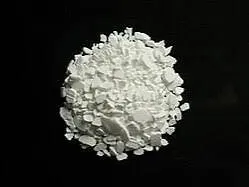
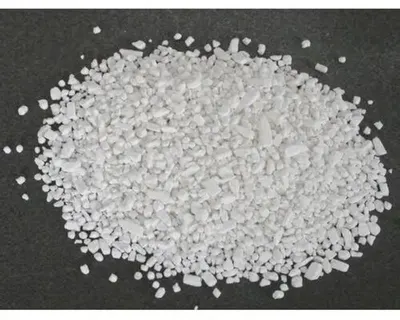
AlRamz Plastic Factory is located in Jeddah, Saudi Arabia and currently lists eight active plastic raw material products. The catalogue includes Low Density Polyethylene (LDPE), High Density Polyethylene (HDPE), Linear Low Density Polyethylene (LLDPE), Polyethylene Terephthalate (PET), Polystyrene (PS) polymer, Polyvinyl Chloride (PVC) and PVC granules, with LDPE appearing twice in the listing. All items fall under the broad category of plastic raw materials, which is the supplier’s top‑level classification. The product set covers both resin forms and granulated feedstock that are typical feed for extrusion, film blowing and injection molding processes. The supplier’s tier is marked as “organic” and its trust tier as “harbor”, indicating a vetted status within the platform.

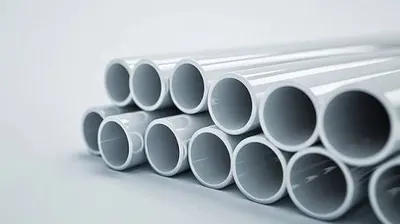
The listed polymers correspond to the HS‑chapter 39 family, where polyethylene resins are generally classified under HS 3901, PET under HS 3902, polystyrene under HS 3903 and PVC under HS 3904. These codes are used by customs authorities worldwide to identify plastic raw materials for import‑export clearance. The eight products are commonly sourced for packaging films, rigid containers, consumer goods, construction pipes and electrical insulation. Buyers typically import these grades into markets such as the Gulf Cooperation Council, East Africa, Europe and Southeast Asia. The catalogue does not specify individual grades, but the presence of both resin and granule forms suggests suitability for bulk shipments in 20‑ft or 40‑ft containers.

Product Range and Specialties of AlRamz Plastic Factory

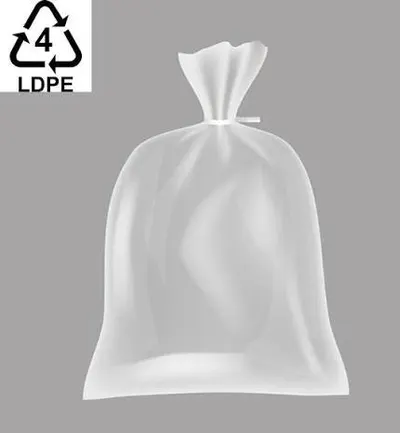
The catalogue offers LDPE, HDPE, LLDPE, PET, PS polymer, PVC and PVC granules. In the plastics industry, LDPE is produced in densities ranging from 0.910 to 0.925 g/cm³ with melt flow indices (MFI) between 0.5 and 10 g/10 min. HDPE grades usually show densities of 0.940 - 0.970 g/cm³ and MFIs from 0.1 to 5 g/10 min, while LLDPE is characterized by a broader MFI range (0.5 - 30) and higher tensile strength. PET resin for bottle applications typically meets the ASTM D 3825 specification with intrinsic viscosity around 0.70 dL/g. Polystyrene polymer is supplied in general purpose (GP) grades with flexural modulus near 3 GPa, and PVC is offered in rigid pipe grades (ISO 21241) and in granulated form for downstream compounding. These typical specifications help buyers match material performance to end‑use requirements.

The presence of both polymer resins and granules enables manufacturers to choose either bulk feeding for continuous extrusion lines or smaller batches for pilot‑scale production. Standard industry grades such as ISO‑standardized HDPE 100 µm film, PET 0‑1 mm sheet, and PVC pipe grades with 70 % chlorine content are frequently requested by importers.

Trade and Export Information - AlRamz Plastic Factory

Saudi Arabia is a recognized exporter of petro‑chemical plastics, leveraging its proximity to major crude and polymer production hubs. Export volumes of polyethylene and PVC from the kingdom are usually shipped in 20‑ft or 40‑ft containers, or in bulk bags for larger orders, with standard export documentation including a commercial invoice, packing list, Certificate of Origin and, where required, a REACH compliance statement. Buyers in the GCC, North Africa, Europe and South‑East Asia commonly import these materials under HS 3901‑3905 headings, and they often request ISO 9001 quality management certification, REACH registration and, for food‑contact PET, FDA 21 CFR 177 compliance. Saudi export logistics benefit from the Jeddah Islamic Port, which handles a high volume of containerised plastic resin shipments. Typical Incoterms used are FOB Jeddah or CIF destination port, depending on the buyer’s logistics preference.

The region’s regulatory environment mandates that polyethylene and PVC shipments meet Saudi Standards, Metrology and Quality Organization (SASO) requirements for material safety, while importing countries may require additional testing such as melt flow index verification, density checks and moisture content analysis before customs release.

Sourcing from AlRamz Plastic Factory - Buyer Guidance

When sourcing from AlRamz Plastic Factory, buyers should request a material safety data sheet (MSDS), a recent test report covering density, melt flow index and tensile strength, and any applicable third‑party certifications such as ISO 9001 or REACH registration. Samples of each polymer grade are advisable to verify colour, clarity (for PET) and melt behaviour before committing to a full order. Verify the HS code declared on the commercial invoice matches the intended product (e.g., HS 3901 for polyethylene, HS 3902 for PET) to avoid customs delays. Buyers should also confirm packaging details - whether the polymer is supplied in bulk bags, polypropylene liners or 25 kg drums - and ensure that the shipment complies with the destination country’s import regulations for plastics.

Frequently Asked Questions About AlRamz Plastic Factory

What plastic raw material categories does AlRamz Plastic Factory list?

The supplier lists eight products: LDPE, HDPE, LLDPE, PET, PS polymer, PVC, a second LDPE entry and PVC granules, all classified under the plastic raw materials category.

Which HS‑code families are relevant for the listed polymers?

Polyethylene (LDPE, HDPE, LLDPE) falls under HS 3901, PET under HS 3902, polystyrene under HS 3903 and PVC under HS 3904. These codes are used for customs clearance worldwide.

What typical specifications should a buyer verify for polyethylene grades?

Buyers usually check density (0.910‑0.925 g/cm³ for LDPE, 0.940‑0.970 g/cm³ for HDPE), melt flow index (0.5‑10 g/10 min for LDPE, 0.1‑5 g/10 min for HDPE) and tensile strength according to ISO 527.

Are any certifications required for importing PET from Saudi Arabia?

Importers often require REACH registration and, for food‑contact applications, FDA 21 CFR 177 compliance. ISO 9001 quality management certification is also commonly requested.

What packaging formats are typical for these plastic resins?

Resins are usually shipped in 20‑ft or 40‑ft containers, packed in bulk bags, polypropylene liners or 25 kg drums, depending on the buyer’s handling equipment.

What documentation should a buyer request before placing an order?

A buyer should ask for a commercial invoice, packing list, Certificate of Origin, MSDS, recent laboratory test report (density, MFI, moisture) and any applicable certifications such as ISO 9001 or REACH.

Which markets commonly import Saudi plastic raw materials?

Key import destinations include the Gulf Cooperation Council states, East African countries, European Union members and Southeast Asian nations such as Vietnam and Thailand.

How can a buyer obtain a sample from AlRamz Plastic Factory?

Buyers can request a small‑quantity sample by contacting the supplier through the platform’s messaging system, specifying the polymer grade and desired form (granule or pellet) for evaluation.


Other Suppliers in Plastic Raw Materials

Top Trusted Suppliers

Related Products in Plastic Raw Materials

Trending in Parent Category

More Suppliers in Parent Category

Related Products

Other Suppliers

EximNext
7.2K+ live requirements
Register Free🎁 Reach global buyers
Post Requirement
🌍 Trusted by 225K+ businesses in 200+ countries|
7.2K+ active requirements right now
✉️ [email protected]
|
Sell on EximNextPost Requirement
EximNext
AgricultureApparelConstructionElectronicFoodHomeIndustrialMineralsMiscellaneous
🔥 Deals|✨ AI Match|🏭 Suppliers|📋 Buy Leads|💰 Trade Finance
7.2K+ live RFQs·194.8K+ suppliers
🎁 Reach global buyers →
EximNext
EximNext
Register Free
🎁 Reach global buyers
Sign In
📋Post Requirement💬Get Quotes✨AI Match📋RFQ Marketplace
All Categories
Services & Tools
🏭Supplier Directory🔥Today's Deals💰Trade Finance
Sell on EximNext →
AboutContactBlogHelp
Chemicals & Materials  ·  Saudi Arabia
8
products listed

AlRamz Plastic Factory

⚓ Harbor
Country flag , Saudi ArabiaNew supplier / no reviews yet
🛡️
57/100
Trust Score

AlRamz Plastic Factory Product Catalog

Showing 8 of 8 products
View all products →
LDPE (Low Density Polyethylene)
⚓ Harbor
LDPE (Low Density Polyethylene)
Contact
MOQ: 1 Unit
HDPE
⚓ Harbor
HDPE
Contact
MOQ: 1 Unit
LLDPE
⚓ Harbor
LLDPE
Contact
MOQ: 1 Unit
PET
⚓ Harbor
PET
Contact
MOQ: 1 Unit
PS Polymer
⚓ Harbor
PS Polymer
Contact
MOQ: 1 Unit
PVC
⚓ Harbor
PVC
Contact
MOQ: 1 Unit
LDPE
⚓ Harbor
LDPE
Contact
MOQ: 1 Unit
PVC Granules
⚓ Harbor
PVC Granules
Contact
MOQ: 1 Unit

About AlRamz Plastic Factory - Plastic Raw Materials Supplier in Saudi Arabia

AlRamz Plastic Factory is located in Jeddah, Saudi Arabia and currently lists eight active plastic raw material products. The catalogue includes Low Density Polyethylene (LDPE), High Density Polyethylene (HDPE), Linear Low Density Polyethylene (LLDPE), Polyethylene Terephthalate (PET), Polystyrene (PS) polymer, Polyvinyl Chloride (PVC) and PVC granules, with LDPE appearing twice in the listing. All items fall under the broad category of plastic raw materials, which is the supplier’s top‑level classification. The product set covers both resin forms and granulated feedstock that are typical feed for extrusion, film blowing and injection molding processes. The supplier’s tier is marked as “organic” and its trust tier as “harbor”, indicating a vetted status within the platform.

The listed polymers correspond to the HS‑chapter 39 family, where polyethylene resins are generally classified under HS 3901, PET under HS 3902, polystyrene under HS 3903 and PVC under HS 3904. These codes are used by customs authorities worldwide to identify plastic raw materials for import‑export clearance. The eight products are commonly sourced for packaging films, rigid containers, consumer goods, construction pipes and electrical insulation. Buyers typically import these grades into markets such as the Gulf Cooperation Council, East Africa, Europe and Southeast Asia. The catalogue does not specify individual grades, but the presence of both resin and granule forms suggests suitability for bulk shipments in 20‑ft or 40‑ft containers.

Product Range and Specialties of AlRamz Plastic Factory

The catalogue offers LDPE, HDPE, LLDPE, PET, PS polymer, PVC and PVC granules. In the plastics industry, LDPE is produced in densities ranging from 0.910 to 0.925 g/cm³ with melt flow indices (MFI) between 0.5 and 10 g/10 min. HDPE grades usually show densities of 0.940 - 0.970 g/cm³ and MFIs from 0.1 to 5 g/10 min, while LLDPE is characterized by a broader MFI range (0.5 - 30) and higher tensile strength. PET resin for bottle applications typically meets the ASTM D 3825 specification with intrinsic viscosity around 0.70 dL/g. Polystyrene polymer is supplied in general purpose (GP) grades with flexural modulus near 3 GPa, and PVC is offered in rigid pipe grades (ISO 21241) and in granulated form for downstream compounding. These typical specifications help buyers match material performance to end‑use requirements.

The presence of both polymer resins and granules enables manufacturers to choose either bulk feeding for continuous extrusion lines or smaller batches for pilot‑scale production. Standard industry grades such as ISO‑standardized HDPE 100 µm film, PET 0‑1 mm sheet, and PVC pipe grades with 70 % chlorine content are frequently requested by importers.

Trade and Export Information - AlRamz Plastic Factory

Saudi Arabia is a recognized exporter of petro‑chemical plastics, leveraging its proximity to major crude and polymer production hubs. Export volumes of polyethylene and PVC from the kingdom are usually shipped in 20‑ft or 40‑ft containers, or in bulk bags for larger orders, with standard export documentation including a commercial invoice, packing list, Certificate of Origin and, where required, a REACH compliance statement. Buyers in the GCC, North Africa, Europe and South‑East Asia commonly import these materials under HS 3901‑3905 headings, and they often request ISO 9001 quality management certification, REACH registration and, for food‑contact PET, FDA 21 CFR 177 compliance. Saudi export logistics benefit from the Jeddah Islamic Port, which handles a high volume of containerised plastic resin shipments. Typical Incoterms used are FOB Jeddah or CIF destination port, depending on the buyer’s logistics preference.

The region’s regulatory environment mandates that polyethylene and PVC shipments meet Saudi Standards, Metrology and Quality Organization (SASO) requirements for material safety, while importing countries may require additional testing such as melt flow index verification, density checks and moisture content analysis before customs release.

Sourcing from AlRamz Plastic Factory - Buyer Guidance

When sourcing from AlRamz Plastic Factory, buyers should request a material safety data sheet (MSDS), a recent test report covering density, melt flow index and tensile strength, and any applicable third‑party certifications such as ISO 9001 or REACH registration. Samples of each polymer grade are advisable to verify colour, clarity (for PET) and melt behaviour before committing to a full order. Verify the HS code declared on the commercial invoice matches the intended product (e.g., HS 3901 for polyethylene, HS 3902 for PET) to avoid customs delays. Buyers should also confirm packaging details - whether the polymer is supplied in bulk bags, polypropylene liners or 25 kg drums - and ensure that the shipment complies with the destination country’s import regulations for plastics.

Frequently Asked Questions About AlRamz Plastic Factory

What plastic raw material categories does AlRamz Plastic Factory list?

The supplier lists eight products: LDPE, HDPE, LLDPE, PET, PS polymer, PVC, a second LDPE entry and PVC granules, all classified under the plastic raw materials category.

Which HS‑code families are relevant for the listed polymers?

Polyethylene (LDPE, HDPE, LLDPE) falls under HS 3901, PET under HS 3902, polystyrene under HS 3903 and PVC under HS 3904. These codes are used for customs clearance worldwide.

What typical specifications should a buyer verify for polyethylene grades?

Buyers usually check density (0.910‑0.925 g/cm³ for LDPE, 0.940‑0.970 g/cm³ for HDPE), melt flow index (0.5‑10 g/10 min for LDPE, 0.1‑5 g/10 min for HDPE) and tensile strength according to ISO 527.

Are any certifications required for importing PET from Saudi Arabia?

Importers often require REACH registration and, for food‑contact applications, FDA 21 CFR 177 compliance. ISO 9001 quality management certification is also commonly requested.

What packaging formats are typical for these plastic resins?

Resins are usually shipped in 20‑ft or 40‑ft containers, packed in bulk bags, polypropylene liners or 25 kg drums, depending on the buyer’s handling equipment.

What documentation should a buyer request before placing an order?

A buyer should ask for a commercial invoice, packing list, Certificate of Origin, MSDS, recent laboratory test report (density, MFI, moisture) and any applicable certifications such as ISO 9001 or REACH.

Which markets commonly import Saudi plastic raw materials?

Key import destinations include the Gulf Cooperation Council states, East African countries, European Union members and Southeast Asian nations such as Vietnam and Thailand.

How can a buyer obtain a sample from AlRamz Plastic Factory?

Buyers can request a small‑quantity sample by contacting the supplier through the platform’s messaging system, specifying the polymer grade and desired form (granule or pellet) for evaluation.

About AlRamz Plastic Factory - Plastic Raw Materials Supplier in Saudi Arabia

AlRamz Plastic Factory is located in Jeddah, Saudi Arabia and currently lists eight active plastic raw material products. The catalogue includes Low Density Polyethylene (LDPE), High Density Polyethylene (HDPE), Linear Low Density Polyethylene (LLDPE), Polyethylene Terephthalate (PET), Polystyrene (PS) polymer, Polyvinyl Chloride (PVC) and PVC granules, with LDPE appearing twice in the listing. All items fall under the broad category of plastic raw materials, which is the supplier’s top‑level classification. The product set covers both resin forms and granulated feedstock that are typical feed for extrusion, film blowing and injection molding processes. The supplier’s tier is marked as “organic” and its trust tier as “harbor”, indicating a vetted status within the platform.

The listed polymers correspond to the HS‑chapter 39 family, where polyethylene resins are generally classified under HS 3901, PET under HS 3902, polystyrene under HS 3903 and PVC under HS 3904. These codes are used by customs authorities worldwide to identify plastic raw materials for import‑export clearance. The eight products are commonly sourced for packaging films, rigid containers, consumer goods, construction pipes and electrical insulation. Buyers typically import these grades into markets such as the Gulf Cooperation Council, East Africa, Europe and Southeast Asia. The catalogue does not specify individual grades, but the presence of both resin and granule forms suggests suitability for bulk shipments in 20‑ft or 40‑ft containers.

Product Range and Specialties of AlRamz Plastic Factory

The catalogue offers LDPE, HDPE, LLDPE, PET, PS polymer, PVC and PVC granules. In the plastics industry, LDPE is produced in densities ranging from 0.910 to 0.925 g/cm³ with melt flow indices (MFI) between 0.5 and 10 g/10 min. HDPE grades usually show densities of 0.940 - 0.970 g/cm³ and MFIs from 0.1 to 5 g/10 min, while LLDPE is characterized by a broader MFI range (0.5 - 30) and higher tensile strength. PET resin for bottle applications typically meets the ASTM D 3825 specification with intrinsic viscosity around 0.70 dL/g. Polystyrene polymer is supplied in general purpose (GP) grades with flexural modulus near 3 GPa, and PVC is offered in rigid pipe grades (ISO 21241) and in granulated form for downstream compounding. These typical specifications help buyers match material performance to end‑use requirements.

The presence of both polymer resins and granules enables manufacturers to choose either bulk feeding for continuous extrusion lines or smaller batches for pilot‑scale production. Standard industry grades such as ISO‑standardized HDPE 100 µm film, PET 0‑1 mm sheet, and PVC pipe grades with 70 % chlorine content are frequently requested by importers.

Trade and Export Information - AlRamz Plastic Factory

Saudi Arabia is a recognized exporter of petro‑chemical plastics, leveraging its proximity to major crude and polymer production hubs. Export volumes of polyethylene and PVC from the kingdom are usually shipped in 20‑ft or 40‑ft containers, or in bulk bags for larger orders, with standard export documentation including a commercial invoice, packing list, Certificate of Origin and, where required, a REACH compliance statement. Buyers in the GCC, North Africa, Europe and South‑East Asia commonly import these materials under HS 3901‑3905 headings, and they often request ISO 9001 quality management certification, REACH registration and, for food‑contact PET, FDA 21 CFR 177 compliance. Saudi export logistics benefit from the Jeddah Islamic Port, which handles a high volume of containerised plastic resin shipments. Typical Incoterms used are FOB Jeddah or CIF destination port, depending on the buyer’s logistics preference.

The region’s regulatory environment mandates that polyethylene and PVC shipments meet Saudi Standards, Metrology and Quality Organization (SASO) requirements for material safety, while importing countries may require additional testing such as melt flow index verification, density checks and moisture content analysis before customs release.

Sourcing from AlRamz Plastic Factory - Buyer Guidance

When sourcing from AlRamz Plastic Factory, buyers should request a material safety data sheet (MSDS), a recent test report covering density, melt flow index and tensile strength, and any applicable third‑party certifications such as ISO 9001 or REACH registration. Samples of each polymer grade are advisable to verify colour, clarity (for PET) and melt behaviour before committing to a full order. Verify the HS code declared on the commercial invoice matches the intended product (e.g., HS 3901 for polyethylene, HS 3902 for PET) to avoid customs delays. Buyers should also confirm packaging details - whether the polymer is supplied in bulk bags, polypropylene liners or 25 kg drums - and ensure that the shipment complies with the destination country’s import regulations for plastics.

Frequently Asked Questions About AlRamz Plastic Factory
What plastic raw material categories does AlRamz Plastic Factory list?
The supplier lists eight products: LDPE, HDPE, LLDPE, PET, PS polymer, PVC, a second LDPE entry and PVC granules, all classified under the plastic raw materials category.
Which HS‑code families are relevant for the listed polymers?
Polyethylene (LDPE, HDPE, LLDPE) falls under HS 3901, PET under HS 3902, polystyrene under HS 3903 and PVC under HS 3904. These codes are used for customs clearance worldwide.
What typical specifications should a buyer verify for polyethylene grades?
Buyers usually check density (0.910‑0.925 g/cm³ for LDPE, 0.940‑0.970 g/cm³ for HDPE), melt flow index (0.5‑10 g/10 min for LDPE, 0.1‑5 g/10 min for HDPE) and tensile strength according to ISO 527.
Are any certifications required for importing PET from Saudi Arabia?
Importers often require REACH registration and, for food‑contact applications, FDA 21 CFR 177 compliance. ISO 9001 quality management certification is also commonly requested.
What packaging formats are typical for these plastic resins?
Resins are usually shipped in 20‑ft or 40‑ft containers, packed in bulk bags, polypropylene liners or 25 kg drums, depending on the buyer’s handling equipment.
What documentation should a buyer request before placing an order?
A buyer should ask for a commercial invoice, packing list, Certificate of Origin, MSDS, recent laboratory test report (density, MFI, moisture) and any applicable certifications such as ISO 9001 or REACH.
Which markets commonly import Saudi plastic raw materials?
Key import destinations include the Gulf Cooperation Council states, East African countries, European Union members and Southeast Asian nations such as Vietnam and Thailand.
How can a buyer obtain a sample from AlRamz Plastic Factory?
Buyers can request a small‑quantity sample by contacting the supplier through the platform’s messaging system, specifying the polymer grade and desired form (granule or pellet) for evaluation.

AlRamz Plastic Factory
Country flag Saudi Arabia
⚓ HarborChemicals & Materials
57/100
Trust Score
8
Products
✓ Free to contact — no commission
✓ Escrow payment available
✓ Verified business identity
Compare more suppliers
Post a requirement — get 10 quotes free
Let verified suppliers compete for your business. Free, fast, no commitment.
Due Diligence
Verify this supplier's real shipping history.
Every shipment, every buyer, every port. Trade data that can't be faked.
Run due diligence →
Discover More

Related Suppliers & Products

Explore similar suppliers, related products and trending categories

Other Suppliers in Plastic Raw Materials

Top Trusted Suppliers

Related Products in Plastic Raw Materials

Trending in Parent Category

More Suppliers in Parent Category

Stay ahead in global trade
Weekly market insights & new supplier alerts.
EximNext
Exim Next is a leading global B2B marketplace, connecting over 220,000 registered suppliers and buyers across 200+ countries. As a trusted import export marketplace, it serves as the essential B2B portal for businesses worldwide, empowering them to expand their international reach. With Exim Next, businesses can trade smarter and grow faster.
SECURE PAYMENTS
VISAMastercardPayPalSWIFTL/CEscrow
Follow us
© 2026 EximNext