Alliance International — Supplier

About Alliance International - Other Ores & Minerals Supplier in Pakistan

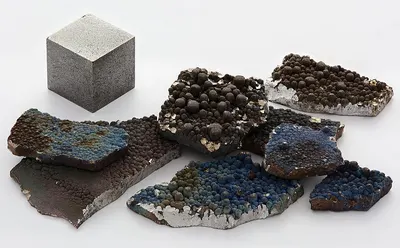
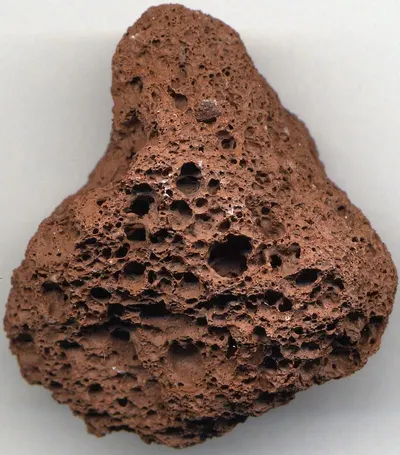
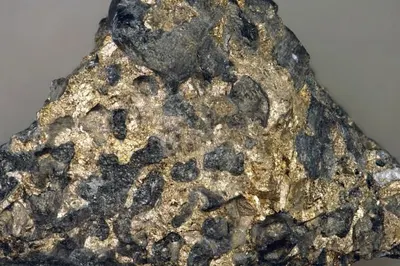
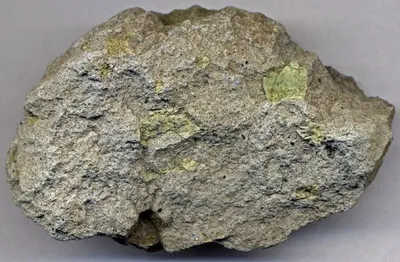
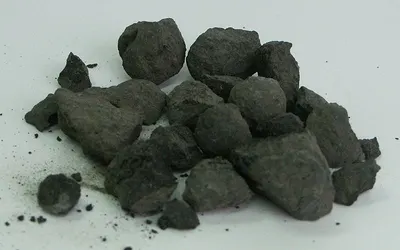
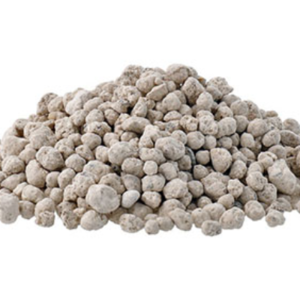
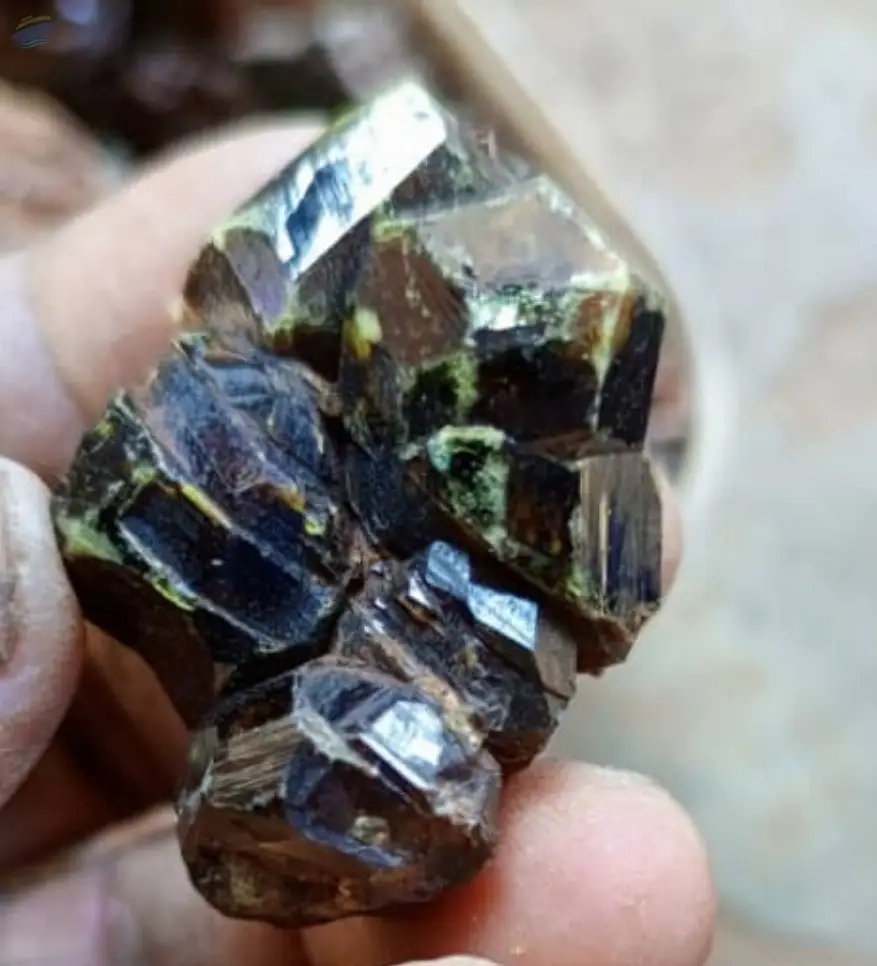
Based in Pakistan, Alliance International lists 15 active products across categories such as Other Ores & Minerals, Chrome Ore, Polyester, Safety & Security Equipment, and Industrial Chemicals. The catalogue includes mineral concentrates (chromite ore, chrome concentrate), refractory materials (Indian refractory mortar), slag products (GGBFS, GBFS), sand grades (high‑quality ilmenite sand, synthetic rutile sand), manganese ore fines, chemicals (sodium fluorosilicate), and a range of safety and welding equipment. Products are identified with HS codes 2610.00 for chromite and chrome concentrate, 2614.00 for ilmenite and rutile sands, 2618.00 for slag variants, 2826.19 for sodium fluorosilicate, and 6903.20 for refractory mortar. The supplier also lists polyester fabrics and an auto‑darkening helmet, which fall outside the HS‑code details provided. The active product count of 15 reflects a portfolio that spans both bulk raw materials and ancillary equipment for metalworking and safety applications.

The polyester fabrics are presented without a specific HS classification, while the safety gear includes an auto darkening helmet, earth clamp, and welding accessories such as a gouging torch, electrode oven, and holder. The mineral portfolio covers 13 distinct ore and powder items, each described with material composition and typical purity ranges. The product list reflects a focus on bulk raw materials used in steelmaking, glass production, and chemical processing. Export documentation would normally reference the HS codes listed for each mineral product. The supplier’s catalogue therefore spans both industrial raw materials and ancillary equipment for metalworking and safety applications.

Product Range and Specialties of Alliance International

Alliance International’s mineral line includes chromite ore (Cr2O3 up to 47 % max) and a higher‑grade chrome concentrate (minimum 56 % Cr2O3). In global steelmaking, chromite is graded by Cr2O3 content and often required to meet ISO 9001 quality management and ASTM B475 specifications for ferrochrome production. Ilmenite sand with TiO2 content of 51‑55 % and synthetic rutile sand with a minimum of 95 % TiO2 are standard feedstocks for pigment manufacturers, typically conforming to ASTM D3512 and ISO 13070. GGBFS and GBFS are calcium‑silicate‑alumino glass slags used as supplementary cementitious materials, commonly specified under ASTM C1157 and EN 13263 with fineness and glass‑phase content requirements. Sodium fluorosilicate (Na2SiF6) is an inorganic chemical classified under HS 2826, frequently supplied to water‑treatment and glass‑making sectors and subject to REACH registration and MSDS documentation. The safety and welding equipment, such as auto‑darkening helmets and gouging torches, align with ANSI Z87.1 eye‑protection standards and ISO 9001 manufacturing controls. Polyester fabrics, while not detailed with an HS code, are generally produced in weights ranging from 150‑250 g/m² and meet ASTM D5035 dimensional stability tests.

Trade and Export Information - Alliance International

Pakistan is a recognized exporter of chromite, ilmenite, and slag products, supplying primarily to steel producers in the Middle East, South Asia, and East Africa. HS chapter 26 (mineral ores) and chapter 28 (inorganic chemicals) are routinely inspected by customs authorities, requiring certificates of origin, assay reports, and, where applicable, ISO or ASTM test certificates. Buyers in the construction cement market often request GGBFS/GBFS compliance with EN 197‑1 for pozzolanic activity, while pigment manufacturers import ilmenite and synthetic rutile under HS 2614 with quality certificates confirming TiO2 purity. Safety equipment such as auto‑darkening helmets is typically shipped under HS 9018 and must comply with CE marking or ANSI standards for export to Europe and North America. Logistics for bulk mineral shipments from Pakistani ports usually involve 20‑ft or 40‑ft containers for powders and bulk bags, or break‑bulk handling for slag, with Incoterms CIF or FOB commonly used.

Sourcing from Alliance International - Buyer Guidance

When sourcing mineral concentrates from Alliance International, buyers should request a recent assay report detailing Cr2O3, TiO2, Mn, and SiO2 percentages, as well as particle size distribution for sands and slag. For GGBFS and GBFS, a fineness test (Blaine surface area) and loss on ignition data are standard verification documents. Safety equipment quotations should be accompanied by CE or ANSI compliance certificates, test reports for impact resistance, and details of the auto‑darkening filter response time. Polyester fabric orders benefit from a fabric weight and weave specification sheet, along with a 3‑point dimensional stability test report. All chemical shipments, such as sodium fluorosilicate, must include a Material Safety Data Sheet (MSDS) and evidence of REACH registration where required. Buyers are advised to confirm the HS code, packaging (e.g., 25 kg paper bags for powders, 20‑ft containers for bulk slag), and preferred Incoterm before finalizing the purchase order.

Frequently Asked Questions About Alliance International

What HS codes are used for Alliance International’s mineral products?

Chromite ore and chrome concentrate are listed under HS 2610.00, ilmenite sand, synthetic rutile sand and related titanium minerals under HS 2614.00, GGBFS and GBFS under HS 2618.00, sodium fluorosilicate under HS 2826.19, and Indian refractory mortar under HS 6903.20. Other items such as polyester fabrics and safety equipment have separate HS classifications not specified in the catalogue.

What purity grades are typical for the chrome concentrate and chromite ore supplied?

The chrome concentrate is specified with a minimum Cr2O3 content of 56 %, while the chromite ore is described with a maximum Cr2O3 content of 47 %. These grades align with common specifications used in ferrochrome production and stainless‑steel feedstock.

Which certifications should a buyer request for the GGBFS and GBFS products?

Buyers should ask for test reports that meet ASTM C1157 for GGBFS and EN 13263 for GBFS, including Blaine fineness and loss‑on‑ignition values. An ISO 9001 quality‑management certificate is also commonly requested for bulk cementitious additives.

What documentation is required for the sodium fluorosilicate chemical?

A current Material Safety Data Sheet (MSDS) and proof of REACH registration are standard for sodium fluorosilicate shipments. An assay certificate confirming Na2SiF6 purity and moisture content is also advisable.

What safety standards apply to the auto darkening helmet?

The helmet should comply with ANSI Z87.1 eye‑protection standards and carry CE marking for European markets. Test reports on filter darkening time (typically ≤0.25 seconds) and impact resistance are typical verification documents.

What are the common packaging formats for the sand and slag products?

Ilmenite sand, synthetic rutile sand and manganese ore fines are usually packed in 25 kg paper bags or 1‑ton bulk bags. GGBFS and GBFS are often shipped in bulk, either as break‑bulk cargo or in 20‑ft/40‑ft containers using wooden pallets.

Which markets typically import the ilmenite and synthetic rutile sands from Pakistan?

European pigment manufacturers, Asian paint producers, and Middle‑East glass factories are the main importers of high‑TiO2 sands from Pakistan. These buyers usually require certification of TiO2 content (51‑55 % for ilmenite, ≥95 % for synthetic rutile) and compliance with ASTM D3512 or ISO 13070.

Other Suppliers in Other Ores & Minerals

Top Trusted Suppliers

Related Products in Other Ores & Minerals

Trending in Parent Category

More Suppliers in Parent Category

Related Products

Other Suppliers

EximNext
7.1K+ live requirements
Register Free🎁 Reach global buyers
Post Requirement
🌍 Trusted by 225K+ businesses in 200+ countries|
7.1K+ active requirements right now
✉️ [email protected]
|
Sell on EximNextPost Requirement
EximNext
AgricultureApparelConstructionElectronicFoodHomeIndustrialMineralsMiscellaneous
🔥 Deals|✨ AI Match|🏭 Suppliers|📋 Buy Leads|💰 Trade Finance
7.1K+ live RFQs·194.8K+ suppliers
🎁 Reach global buyers →
EximNext
EximNext
Register Free
🎁 Reach global buyers
Sign In
📋Post Requirement💬Get Quotes✨AI Match📋RFQ Marketplace
All Categories
Services & Tools
🏭Supplier Directory🔥Today's Deals💰Trade Finance
Sell on EximNext →
AboutContactBlogHelp
Industrial & Minerals  ·  Pakistan
15
products listed

Alliance International

⚓ Harbor
Country flag , PakistanNew supplier / no reviews yet
🛡️
58/100
Trust Score

Alliance International Product Catalog

Showing 12 of 15 products
View all products →
Manganese Ore Fines
⚓ Harbor
Manganese Ore Fines
Contact
MOQ: 1 Unit
Indian Refractory Mortar
⚓ Harbor
Indian Refractory Mortar
Contact
MOQ: 1 Unit
High Quality Ilmenite Sand
⚓ Harbor
High Quality Ilmenite Sand
Contact
MOQ: 1 Unit
Synthetic Rutile Sand
⚓ Harbor
Synthetic Rutile Sand
Contact
MOQ: 1 Unit
Chrome Concentrate
⚓ Harbor
Chrome Concentrate
Contact
MOQ: 1 Unit
Granulated Blast Furnace Slag (GBFS)
⚓ Harbor
Granulated Blast Furnace Slag (GBFS)
Contact
MOQ: 1 Unit
Chromite Ore
⚓ Harbor
Chromite Ore
Contact
MOQ: 1 Unit
GGBFS (Ground Granulated Blast Furnace Slag)
⚓ Harbor
GGBFS (Ground Granulated Blast Furnace Slag)
Contact
MOQ: 1 Unit
Sodium Silico Fluoride/ Sodium Fluorosilicate
⚓ Harbor
Sodium Silico Fluoride/ Sodium Fluorosilicate
Contact
MOQ: 1 Unit
Welding electrode holder
⚓ Harbor
Welding electrode holder
Contact
MOQ: 1 Unit
Welding electrode oven
⚓ Harbor
Welding electrode oven
Contact
MOQ: 1 Unit
Gouging torch
⚓ Harbor
Gouging torch
Contact
MOQ: 1 Unit

About Alliance International - Other Ores & Minerals Supplier in Pakistan

Based in Pakistan, Alliance International lists 15 active products across categories such as Other Ores & Minerals, Chrome Ore, Polyester, Safety & Security Equipment, and Industrial Chemicals. The catalogue includes mineral concentrates (chromite ore, chrome concentrate), refractory materials (Indian refractory mortar), slag products (GGBFS, GBFS), sand grades (high‑quality ilmenite sand, synthetic rutile sand), manganese ore fines, chemicals (sodium fluorosilicate), and a range of safety and welding equipment. Products are identified with HS codes 2610.00 for chromite and chrome concentrate, 2614.00 for ilmenite and rutile sands, 2618.00 for slag variants, 2826.19 for sodium fluorosilicate, and 6903.20 for refractory mortar. The supplier also lists polyester fabrics and an auto‑darkening helmet, which fall outside the HS‑code details provided. The active product count of 15 reflects a portfolio that spans both bulk raw materials and ancillary equipment for metalworking and safety applications.

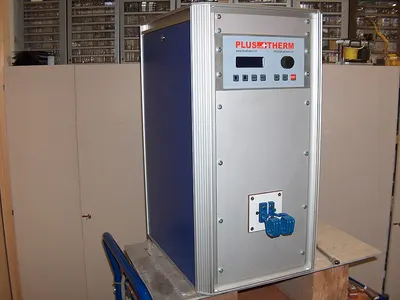
The polyester fabrics are presented without a specific HS classification, while the safety gear includes an auto darkening helmet, earth clamp, and welding accessories such as a gouging torch, electrode oven, and holder. The mineral portfolio covers 13 distinct ore and powder items, each described with material composition and typical purity ranges. The product list reflects a focus on bulk raw materials used in steelmaking, glass production, and chemical processing. Export documentation would normally reference the HS codes listed for each mineral product. The supplier’s catalogue therefore spans both industrial raw materials and ancillary equipment for metalworking and safety applications.

Product Range and Specialties of Alliance International

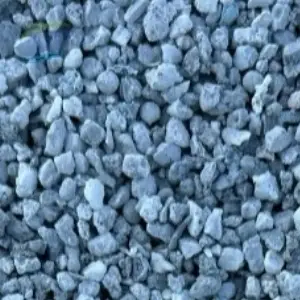
Alliance International’s mineral line includes chromite ore (Cr2O3 up to 47 % max) and a higher‑grade chrome concentrate (minimum 56 % Cr2O3). In global steelmaking, chromite is graded by Cr2O3 content and often required to meet ISO 9001 quality management and ASTM B475 specifications for ferrochrome production. Ilmenite sand with TiO2 content of 51‑55 % and synthetic rutile sand with a minimum of 95 % TiO2 are standard feedstocks for pigment manufacturers, typically conforming to ASTM D3512 and ISO 13070. GGBFS and GBFS are calcium‑silicate‑alumino glass slags used as supplementary cementitious materials, commonly specified under ASTM C1157 and EN 13263 with fineness and glass‑phase content requirements. Sodium fluorosilicate (Na2SiF6) is an inorganic chemical classified under HS 2826, frequently supplied to water‑treatment and glass‑making sectors and subject to REACH registration and MSDS documentation. The safety and welding equipment, such as auto‑darkening helmets and gouging torches, align with ANSI Z87.1 eye‑protection standards and ISO 9001 manufacturing controls. Polyester fabrics, while not detailed with an HS code, are generally produced in weights ranging from 150‑250 g/m² and meet ASTM D5035 dimensional stability tests.

Trade and Export Information - Alliance International

Pakistan is a recognized exporter of chromite, ilmenite, and slag products, supplying primarily to steel producers in the Middle East, South Asia, and East Africa. HS chapter 26 (mineral ores) and chapter 28 (inorganic chemicals) are routinely inspected by customs authorities, requiring certificates of origin, assay reports, and, where applicable, ISO or ASTM test certificates. Buyers in the construction cement market often request GGBFS/GBFS compliance with EN 197‑1 for pozzolanic activity, while pigment manufacturers import ilmenite and synthetic rutile under HS 2614 with quality certificates confirming TiO2 purity. Safety equipment such as auto‑darkening helmets is typically shipped under HS 9018 and must comply with CE marking or ANSI standards for export to Europe and North America. Logistics for bulk mineral shipments from Pakistani ports usually involve 20‑ft or 40‑ft containers for powders and bulk bags, or break‑bulk handling for slag, with Incoterms CIF or FOB commonly used.

Sourcing from Alliance International - Buyer Guidance

When sourcing mineral concentrates from Alliance International, buyers should request a recent assay report detailing Cr2O3, TiO2, Mn, and SiO2 percentages, as well as particle size distribution for sands and slag. For GGBFS and GBFS, a fineness test (Blaine surface area) and loss on ignition data are standard verification documents. Safety equipment quotations should be accompanied by CE or ANSI compliance certificates, test reports for impact resistance, and details of the auto‑darkening filter response time. Polyester fabric orders benefit from a fabric weight and weave specification sheet, along with a 3‑point dimensional stability test report. All chemical shipments, such as sodium fluorosilicate, must include a Material Safety Data Sheet (MSDS) and evidence of REACH registration where required. Buyers are advised to confirm the HS code, packaging (e.g., 25 kg paper bags for powders, 20‑ft containers for bulk slag), and preferred Incoterm before finalizing the purchase order.

Frequently Asked Questions About Alliance International

What HS codes are used for Alliance International’s mineral products?

Chromite ore and chrome concentrate are listed under HS 2610.00, ilmenite sand, synthetic rutile sand and related titanium minerals under HS 2614.00, GGBFS and GBFS under HS 2618.00, sodium fluorosilicate under HS 2826.19, and Indian refractory mortar under HS 6903.20. Other items such as polyester fabrics and safety equipment have separate HS classifications not specified in the catalogue.

What purity grades are typical for the chrome concentrate and chromite ore supplied?

The chrome concentrate is specified with a minimum Cr2O3 content of 56 %, while the chromite ore is described with a maximum Cr2O3 content of 47 %. These grades align with common specifications used in ferrochrome production and stainless‑steel feedstock.

Which certifications should a buyer request for the GGBFS and GBFS products?

Buyers should ask for test reports that meet ASTM C1157 for GGBFS and EN 13263 for GBFS, including Blaine fineness and loss‑on‑ignition values. An ISO 9001 quality‑management certificate is also commonly requested for bulk cementitious additives.

What documentation is required for the sodium fluorosilicate chemical?

A current Material Safety Data Sheet (MSDS) and proof of REACH registration are standard for sodium fluorosilicate shipments. An assay certificate confirming Na2SiF6 purity and moisture content is also advisable.

What safety standards apply to the auto darkening helmet?

The helmet should comply with ANSI Z87.1 eye‑protection standards and carry CE marking for European markets. Test reports on filter darkening time (typically ≤0.25 seconds) and impact resistance are typical verification documents.

What are the common packaging formats for the sand and slag products?

Ilmenite sand, synthetic rutile sand and manganese ore fines are usually packed in 25 kg paper bags or 1‑ton bulk bags. GGBFS and GBFS are often shipped in bulk, either as break‑bulk cargo or in 20‑ft/40‑ft containers using wooden pallets.

Which markets typically import the ilmenite and synthetic rutile sands from Pakistan?

European pigment manufacturers, Asian paint producers, and Middle‑East glass factories are the main importers of high‑TiO2 sands from Pakistan. These buyers usually require certification of TiO2 content (51‑55 % for ilmenite, ≥95 % for synthetic rutile) and compliance with ASTM D3512 or ISO 13070.

About Alliance International - Other Ores & Minerals Supplier in Pakistan

Based in Pakistan, Alliance International lists 15 active products across categories such as Other Ores & Minerals, Chrome Ore, Polyester, Safety & Security Equipment, and Industrial Chemicals. The catalogue includes mineral concentrates (chromite ore, chrome concentrate), refractory materials (Indian refractory mortar), slag products (GGBFS, GBFS), sand grades (high‑quality ilmenite sand, synthetic rutile sand), manganese ore fines, chemicals (sodium fluorosilicate), and a range of safety and welding equipment. Products are identified with HS codes 2610.00 for chromite and chrome concentrate, 2614.00 for ilmenite and rutile sands, 2618.00 for slag variants, 2826.19 for sodium fluorosilicate, and 6903.20 for refractory mortar. The supplier also lists polyester fabrics and an auto‑darkening helmet, which fall outside the HS‑code details provided. The active product count of 15 reflects a portfolio that spans both bulk raw materials and ancillary equipment for metalworking and safety applications.

The polyester fabrics are presented without a specific HS classification, while the safety gear includes an auto darkening helmet, earth clamp, and welding accessories such as a gouging torch, electrode oven, and holder. The mineral portfolio covers 13 distinct ore and powder items, each described with material composition and typical purity ranges. The product list reflects a focus on bulk raw materials used in steelmaking, glass production, and chemical processing. Export documentation would normally reference the HS codes listed for each mineral product. The supplier’s catalogue therefore spans both industrial raw materials and ancillary equipment for metalworking and safety applications.

Product Range and Specialties of Alliance International

Alliance International’s mineral line includes chromite ore (Cr2O3 up to 47 % max) and a higher‑grade chrome concentrate (minimum 56 % Cr2O3). In global steelmaking, chromite is graded by Cr2O3 content and often required to meet ISO 9001 quality management and ASTM B475 specifications for ferrochrome production. Ilmenite sand with TiO2 content of 51‑55 % and synthetic rutile sand with a minimum of 95 % TiO2 are standard feedstocks for pigment manufacturers, typically conforming to ASTM D3512 and ISO 13070. GGBFS and GBFS are calcium‑silicate‑alumino glass slags used as supplementary cementitious materials, commonly specified under ASTM C1157 and EN 13263 with fineness and glass‑phase content requirements. Sodium fluorosilicate (Na2SiF6) is an inorganic chemical classified under HS 2826, frequently supplied to water‑treatment and glass‑making sectors and subject to REACH registration and MSDS documentation. The safety and welding equipment, such as auto‑darkening helmets and gouging torches, align with ANSI Z87.1 eye‑protection standards and ISO 9001 manufacturing controls. Polyester fabrics, while not detailed with an HS code, are generally produced in weights ranging from 150‑250 g/m² and meet ASTM D5035 dimensional stability tests.

Trade and Export Information - Alliance International

Pakistan is a recognized exporter of chromite, ilmenite, and slag products, supplying primarily to steel producers in the Middle East, South Asia, and East Africa. HS chapter 26 (mineral ores) and chapter 28 (inorganic chemicals) are routinely inspected by customs authorities, requiring certificates of origin, assay reports, and, where applicable, ISO or ASTM test certificates. Buyers in the construction cement market often request GGBFS/GBFS compliance with EN 197‑1 for pozzolanic activity, while pigment manufacturers import ilmenite and synthetic rutile under HS 2614 with quality certificates confirming TiO2 purity. Safety equipment such as auto‑darkening helmets is typically shipped under HS 9018 and must comply with CE marking or ANSI standards for export to Europe and North America. Logistics for bulk mineral shipments from Pakistani ports usually involve 20‑ft or 40‑ft containers for powders and bulk bags, or break‑bulk handling for slag, with Incoterms CIF or FOB commonly used.

Sourcing from Alliance International - Buyer Guidance

When sourcing mineral concentrates from Alliance International, buyers should request a recent assay report detailing Cr2O3, TiO2, Mn, and SiO2 percentages, as well as particle size distribution for sands and slag. For GGBFS and GBFS, a fineness test (Blaine surface area) and loss on ignition data are standard verification documents. Safety equipment quotations should be accompanied by CE or ANSI compliance certificates, test reports for impact resistance, and details of the auto‑darkening filter response time. Polyester fabric orders benefit from a fabric weight and weave specification sheet, along with a 3‑point dimensional stability test report. All chemical shipments, such as sodium fluorosilicate, must include a Material Safety Data Sheet (MSDS) and evidence of REACH registration where required. Buyers are advised to confirm the HS code, packaging (e.g., 25 kg paper bags for powders, 20‑ft containers for bulk slag), and preferred Incoterm before finalizing the purchase order.

Frequently Asked Questions About Alliance International
What HS codes are used for Alliance International’s mineral products?
Chromite ore and chrome concentrate are listed under HS 2610.00, ilmenite sand, synthetic rutile sand and related titanium minerals under HS 2614.00, GGBFS and GBFS under HS 2618.00, sodium fluorosilicate under HS 2826.19, and Indian refractory mortar under HS 6903.20. Other items such as polyester fabrics and safety equipment have separate HS classifications not specified in the catalogue.
What purity grades are typical for the chrome concentrate and chromite ore supplied?
The chrome concentrate is specified with a minimum Cr2O3 content of 56 %, while the chromite ore is described with a maximum Cr2O3 content of 47 %. These grades align with common specifications used in ferrochrome production and stainless‑steel feedstock.
Which certifications should a buyer request for the GGBFS and GBFS products?
Buyers should ask for test reports that meet ASTM C1157 for GGBFS and EN 13263 for GBFS, including Blaine fineness and loss‑on‑ignition values. An ISO 9001 quality‑management certificate is also commonly requested for bulk cementitious additives.
What documentation is required for the sodium fluorosilicate chemical?
A current Material Safety Data Sheet (MSDS) and proof of REACH registration are standard for sodium fluorosilicate shipments. An assay certificate confirming Na2SiF6 purity and moisture content is also advisable.
What safety standards apply to the auto darkening helmet?
The helmet should comply with ANSI Z87.1 eye‑protection standards and carry CE marking for European markets. Test reports on filter darkening time (typically ≤0.25 seconds) and impact resistance are typical verification documents.
What are the common packaging formats for the sand and slag products?
Ilmenite sand, synthetic rutile sand and manganese ore fines are usually packed in 25 kg paper bags or 1‑ton bulk bags. GGBFS and GBFS are often shipped in bulk, either as break‑bulk cargo or in 20‑ft/40‑ft containers using wooden pallets.
Which markets typically import the ilmenite and synthetic rutile sands from Pakistan?
European pigment manufacturers, Asian paint producers, and Middle‑East glass factories are the main importers of high‑TiO2 sands from Pakistan. These buyers usually require certification of TiO2 content (51‑55 % for ilmenite, ≥95 % for synthetic rutile) and compliance with ASTM D3512 or ISO 13070.

Alliance International
Country flag Pakistan
⚓ HarborIndustrial & Minerals
58/100
Trust Score
15
Products
✓ Free to contact — no commission
✓ Escrow payment available
✓ Verified business identity
Compare more suppliers
Post a requirement — get 10 quotes free
Let verified suppliers compete for your business. Free, fast, no commitment.
Due Diligence
Verify this supplier's real shipping history.
Every shipment, every buyer, every port. Trade data that can't be faked.
Run due diligence →
Discover More

Related Suppliers & Products

Explore similar suppliers, related products and trending categories

Other Suppliers in Other Ores & Minerals

Top Trusted Suppliers

Related Products in Other Ores & Minerals

Trending in Parent Category

More Suppliers in Parent Category

Stay ahead in global trade
Weekly market insights & new supplier alerts.
EximNext
Exim Next is a leading global B2B marketplace, connecting over 220,000 registered suppliers and buyers across 200+ countries. As a trusted import export marketplace, it serves as the essential B2B portal for businesses worldwide, empowering them to expand their international reach. With Exim Next, businesses can trade smarter and grow faster.
SECURE PAYMENTS
VISAMastercardPayPalSWIFTL/CEscrow
Follow us
© 2026 EximNext