AL Nusra Exim Pvt. Ltd. — Supplier
About AL Nusra Exim Pvt. Ltd. - Agriculture Supplier in India
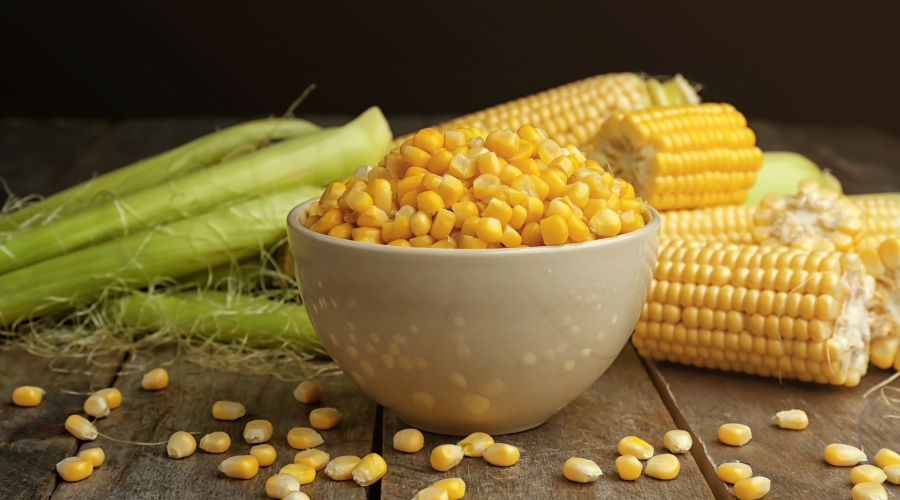
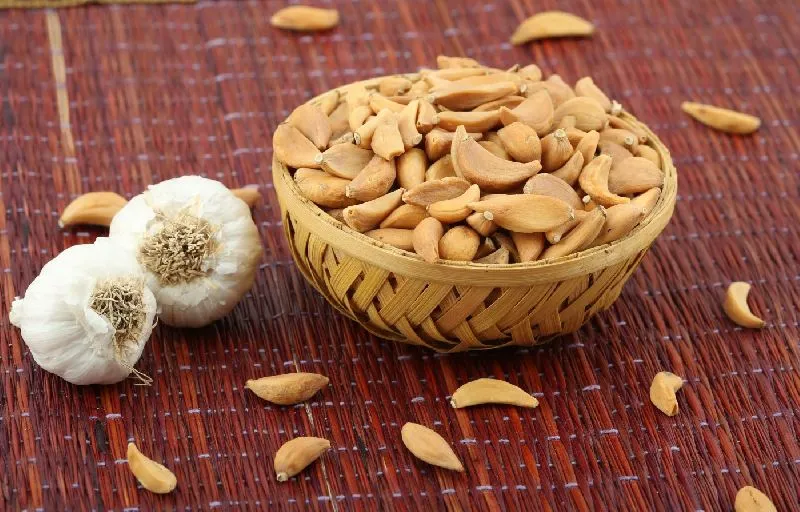
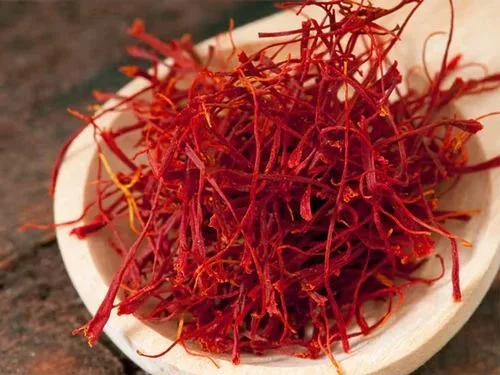
Based in India, AL Nusra Exim Pvt. Ltd. currently lists nine agricultural products in its catalogue. The portfolio covers both spice and commodity crops, including garlic, cashew, saffron, rice, cocoa beans, clove, cardamom, ginger and maize (yellow corn). All items fall under the supplier’s primary category of Agriculture as defined in the platform. The active product count of nine reflects a focused range rather than a broad miscellaneous list. The catalogue does not include any processed or value‑added forms, only raw or minimally processed agricultural goods.
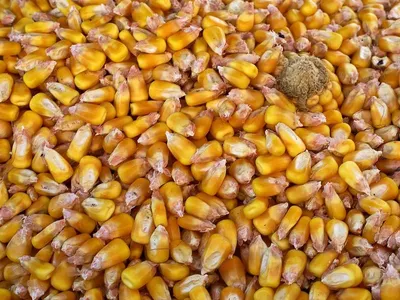
These commodities are commonly traded in bulk, with garlic supplied in 25 kg mesh bags, cashew in 500 kg cartons, and saffron in 25 g or 100 g jars. Rice is typically offered as Basmati or non‑Basmati grains, while cocoa beans are classified by fermenting level and moisture content below 7 %. Indian exporters of cloves, cardamom and ginger usually meet ISO 22000 or HACCP food‑safety schemes, and buyers often request phytosanitary certificates. Maize is shipped as clean, dried kernels meeting a maximum moisture of 13 %. The supplier’s list aligns with standard export practices for these Indian agricultural products.
Product Range and Specialties of AL Nusra Exim Pvt. Ltd.
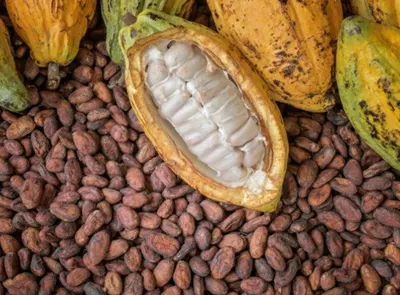
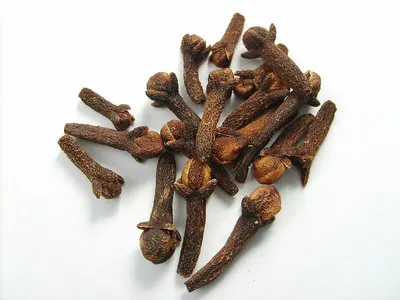
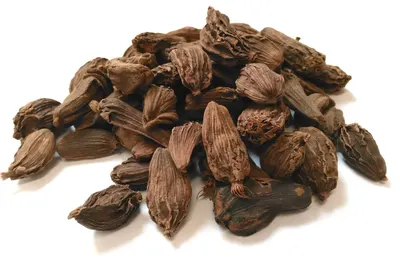
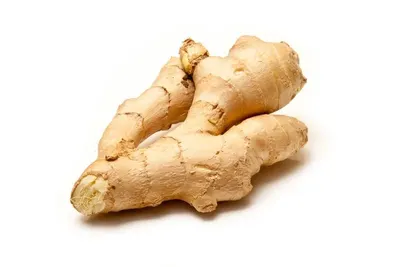
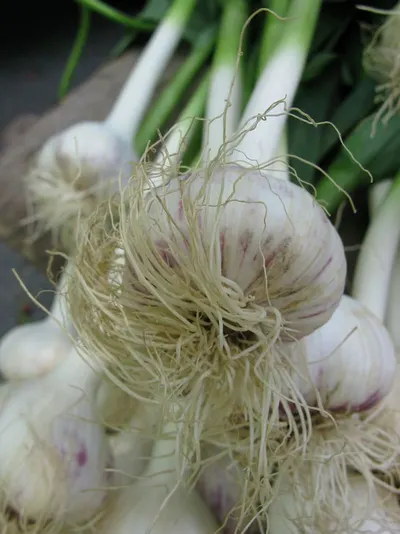
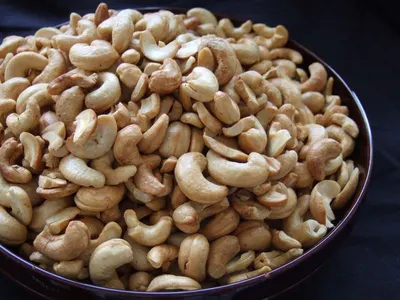
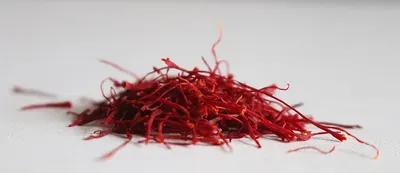
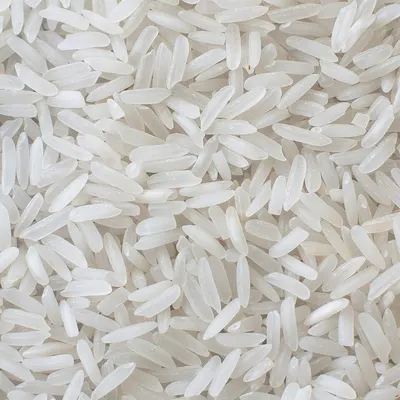
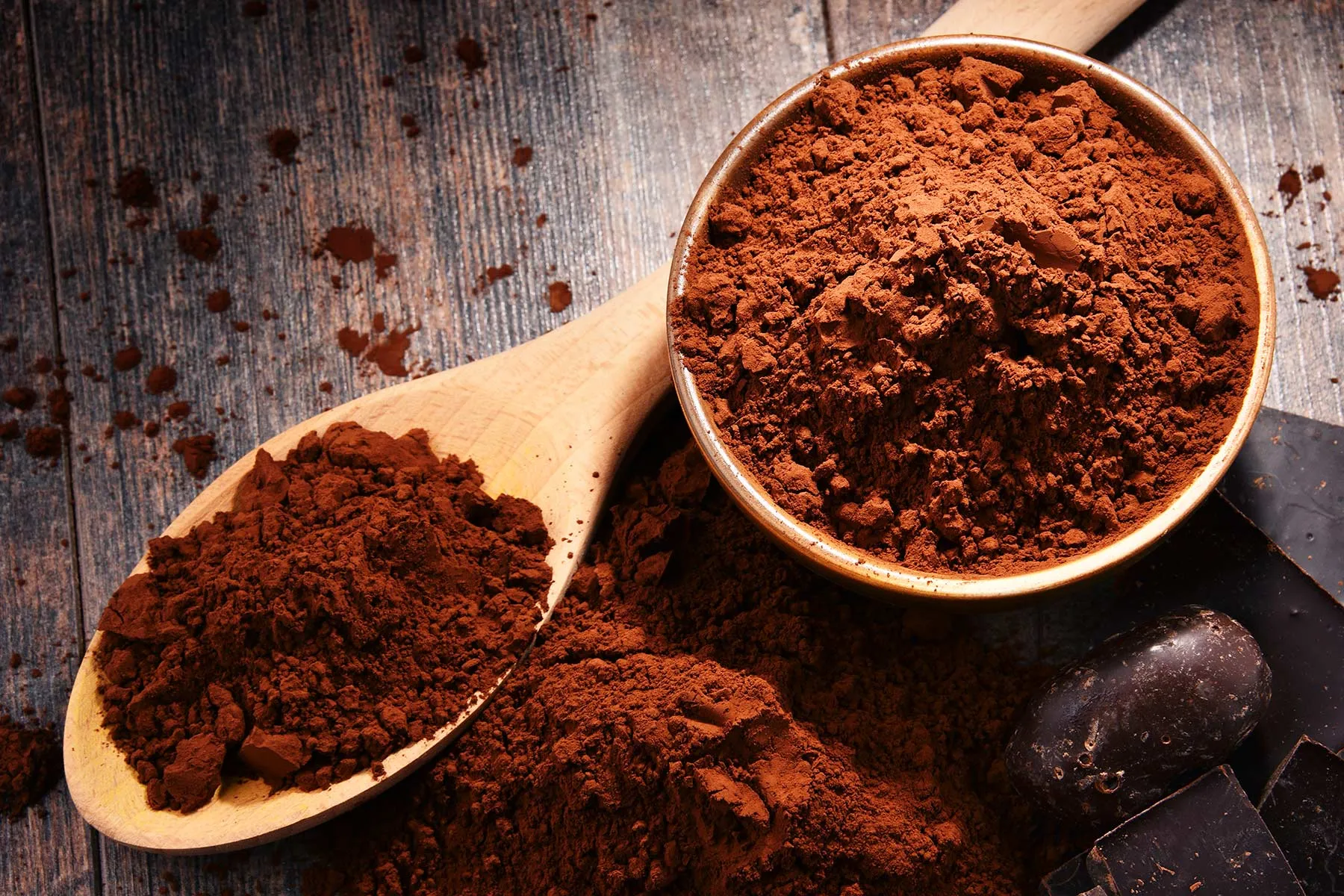
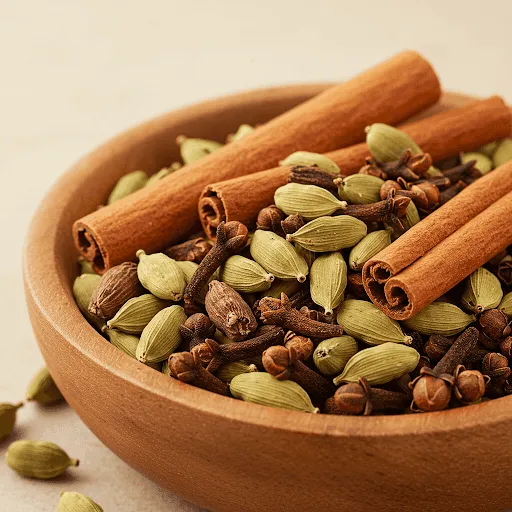
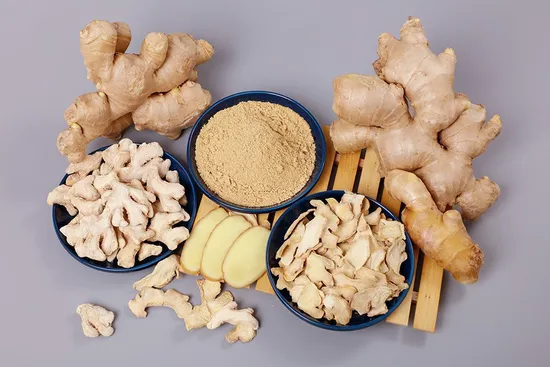
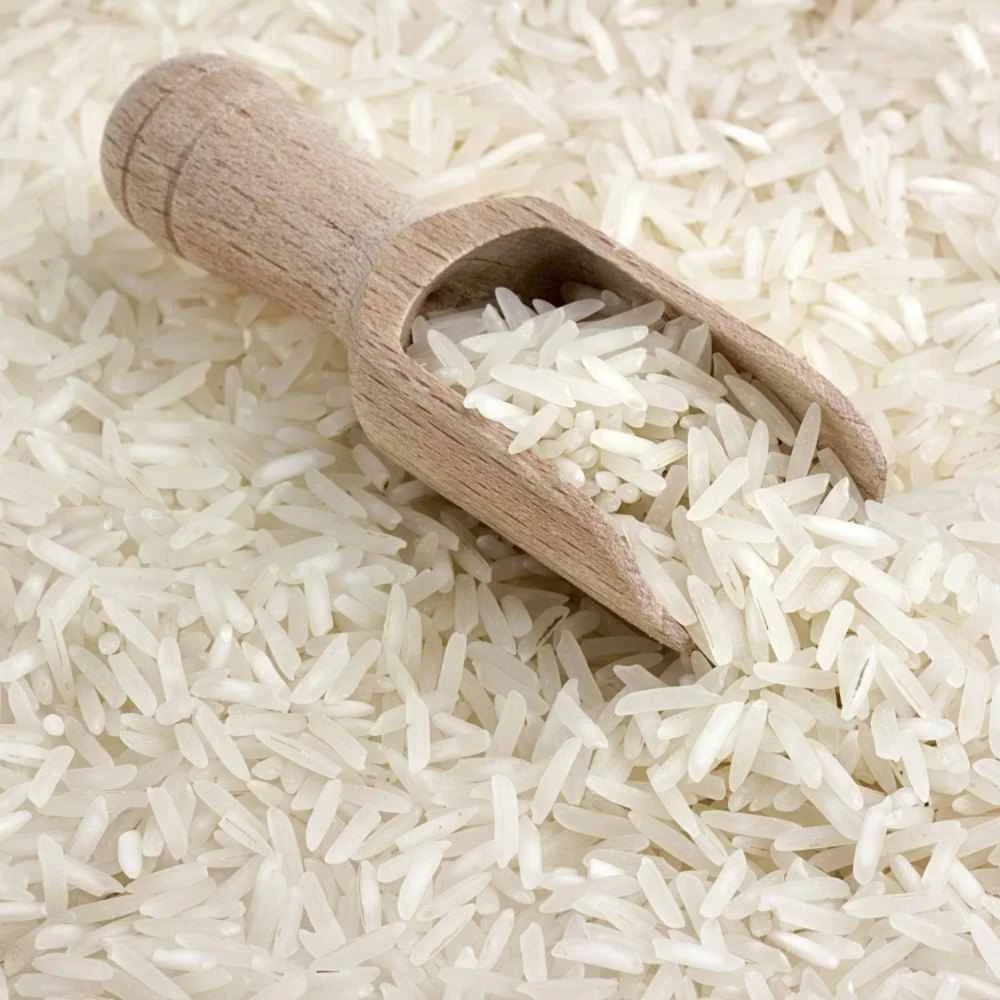
The catalogue comprises nine items: garlic, cashew kernels, saffron stigmas, white or Basmati rice, cocoa beans, whole cloves, green cardamom, ginger rhizomes and yellow corn. In the Indian market, garlic is graded by size (large, medium, small) and moisture under 13 %, cashew is sorted by kernel weight (W180, W260) and shell‑free percentage, and saffron is classified by ISO 3632 colour index (Grade I‑III). Rice is exported as long‑grain Basmati with a minimum length of 6.5 mm and moisture below 14 %, while cocoa beans are evaluated for fermenting degree and aflatoxin levels below 2 µg/kg. Clove and cardamom are usually sold whole, with clove moisture under 10 % and cardamom moisture under 12 %. Ginger is trimmed and graded by fibre content, and maize is cleaned to a 13 % moisture limit.
Packaging follows bulk export conventions: mesh bags for garlic and ginger, jumbo cartons for cashew and cocoa beans, jute or polypropylene sacks for rice and maize, and sealed tins or aluminium foil packs for saffron. Standard container loads range from a full 20‑ft container (approximately 20‑25 metric tons) to a 40‑ft container (up to 45 metric tons) depending on the product density. These formats meet the handling requirements of major import terminals in the Middle East, Europe and North America.
Trade and Export Information - AL Nusra Exim Pvt. Ltd.
India is a leading exporter of the listed commodities, with the Ministry of Commerce and APEDA overseeing certification and phytosanitary compliance. Buyers in the United Arab Emirates, European Union, United States and Southeast Asia regularly import Indian garlic, spices and nuts, often under FOB Mumbai or CIF destination ports. Typical certifications requested include ISO 22000 or FSSC 22000 for food‑safety management, organic certificates where applicable, and a phytosanitary certificate issued by the Indian Plant Quarantine authority. Export shipments are usually packed on pallets or in bulk containers, with moisture meters and weight certificates attached to meet customs requirements under HS chapters 07, 08, 09 and 10.
Regulatory checks focus on pesticide residues (maximum residue limits set by Codex), aflatoxin limits for cocoa and nuts, and moisture content for grains. Indian exporters also provide a Certificate of Origin to qualify for preferential duty rates under various trade agreements. Common Incoterms used are FOB Mumbai for buyers who prefer to arrange freight, and CIF for destinations where the supplier handles shipping and insurance. Seasonal peaks occur from October to March for garlic and from June to September for maize, influencing container availability and lead times.
Sourcing from AL Nusra Exim Pvt. Ltd. - Buyer Guidance
When sourcing from AL Nusra Exim Pvt. Ltd., buyers should request the latest phytosanitary certificate, a laboratory analysis report for pesticide residues, and, where relevant, an aflatoxin test for cocoa beans and cashew. Samples should be taken from the same batch intended for shipment and examined for moisture content, grain size (for rice) or colour index (for saffron) to verify compliance with typical grade specifications. Verification of ISO 22000 or FSSC 22000 certification helps confirm that the supplier follows recognized food‑safety processes, while an organic certificate is required only for organically labeled batches.
Buyers should also confirm container loading plans, such as 20‑ft containers for garlic or 40‑ft containers for bulk rice, and ensure that the packing list details weight, volume and moisture percentages. Requesting a pre‑shipment inspection report from an accredited third‑party agency can provide additional assurance of product quality and compliance with destination country import regulations. Clear communication of required documentation before order confirmation reduces the risk of customs delays.
Frequently Asked Questions About AL Nusra Exim Pvt. Ltd.
What agricultural products does AL Nusra Exim Pvt. Ltd. list in its catalogue?
The supplier lists nine products: garlic, cashew kernels, saffron stigmas, rice (Basmati or non‑Basmati), cocoa beans, whole cloves, green cardamom, ginger rhizomes and yellow corn (maize). Each item is presented under the Agriculture category without further processing.
Which grades are typically used for Indian garlic exports?
Garlic exported from India is usually graded by size - large (diameter above 7 mm), medium (5‑7 mm) and small (below 5 mm) - and must have moisture below 13 %. Buyers often request a moisture test report and a size‑distribution sheet.
How is saffron quality classified and what documentation is common?
Saffron quality follows the ISO 3632 colour index, with Grade I (≥ 250 % absorbance) being the highest. Exporters normally provide a certificate of analysis showing colour index, moisture below 12 % and a phytosanitary certificate.
What packaging formats are used for bulk rice shipments from India?
Rice is typically packed in 20 kg polypropylene sacks or 1‑ton bulk bags, stacked on pallets for container loading. The packing list includes net weight, moisture content (usually under 14 %) and a certificate of origin.
Which certifications should a buyer request for spice shipments such as clove, cardamom or ginger?
Buyers should ask for ISO 22000 or FSSC 22000 food‑safety certification, a recent phytosanitary certificate, and, if the product is marketed as organic, a valid organic certification from an accredited body.
What are typical minimum order quantities and lead times for cashew kernels?
Cashew kernels are often sold in minimum order quantities of 500 kg per shipment, with lead times ranging from 30 to 45 days after order confirmation, depending on processing schedule and container availability.
How is phytosanitary certification obtained for maize exports?
The supplier must submit a sample of the maize to the Indian Plant Quarantine authority, which conducts pest‑free inspections and issues a phytosanitary certificate valid for the destination country’s import requirements.
Which Incoterms does AL Nusra Exim Pvt. Ltd. usually operate under?
The supplier commonly uses FOB Mumbai, allowing the buyer to arrange freight, and CIF for destinations where the supplier handles freight and insurance. The chosen Incoterm is confirmed in the pro‑forma invoice.




 , India