Aguilar Consultores, C.a. — Verified Supplier

About Aguilar Consultores, C.a. - Metal Scraps Supplier in United States

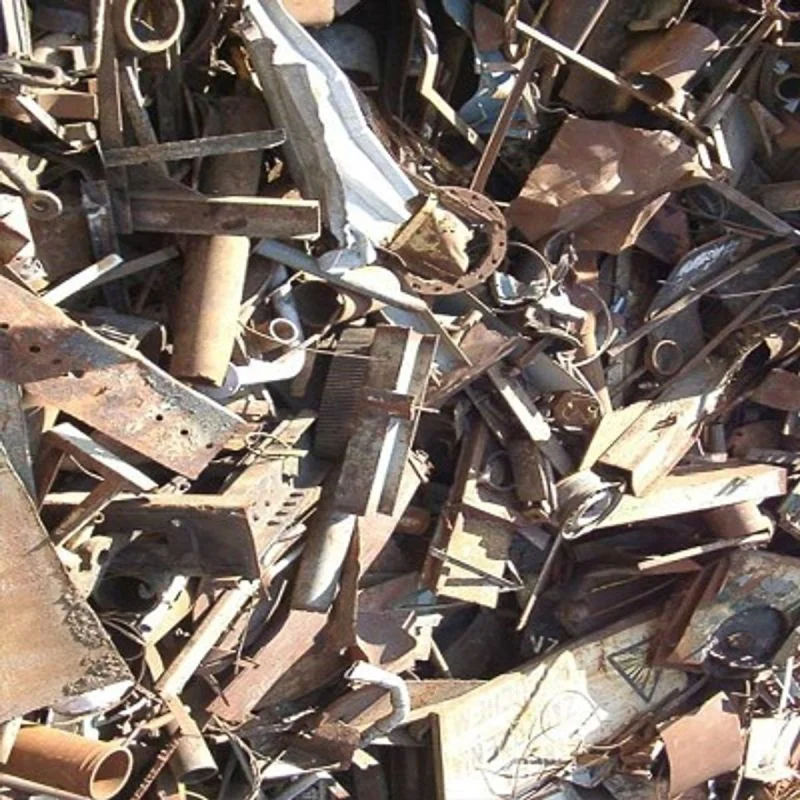
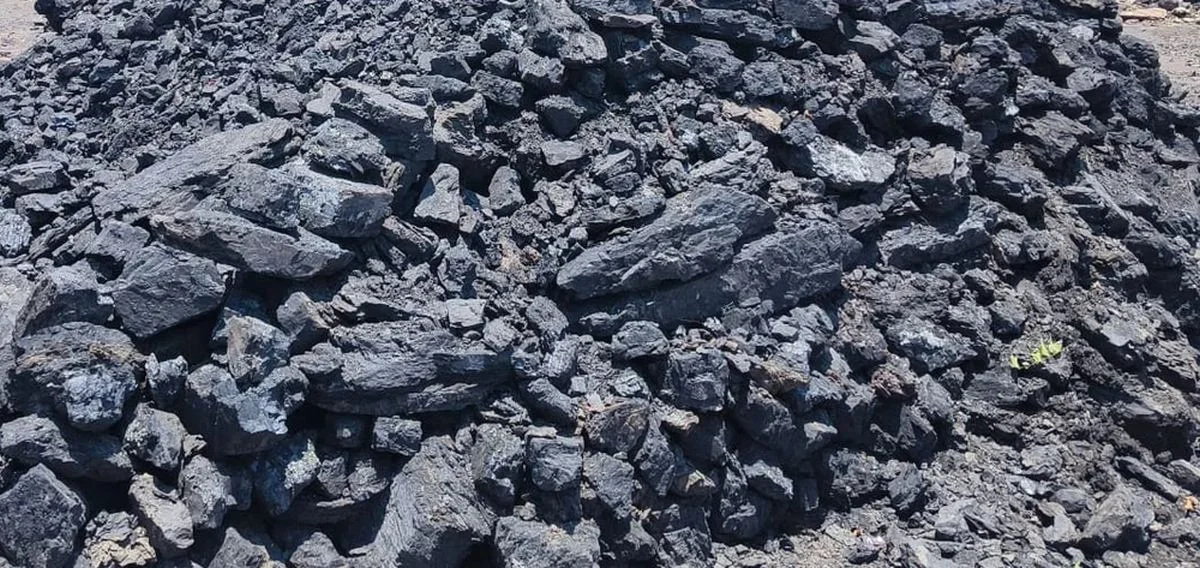
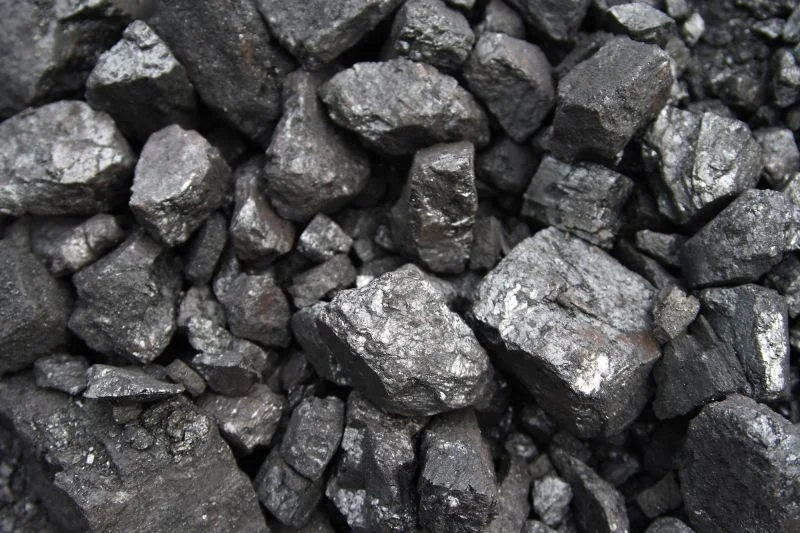
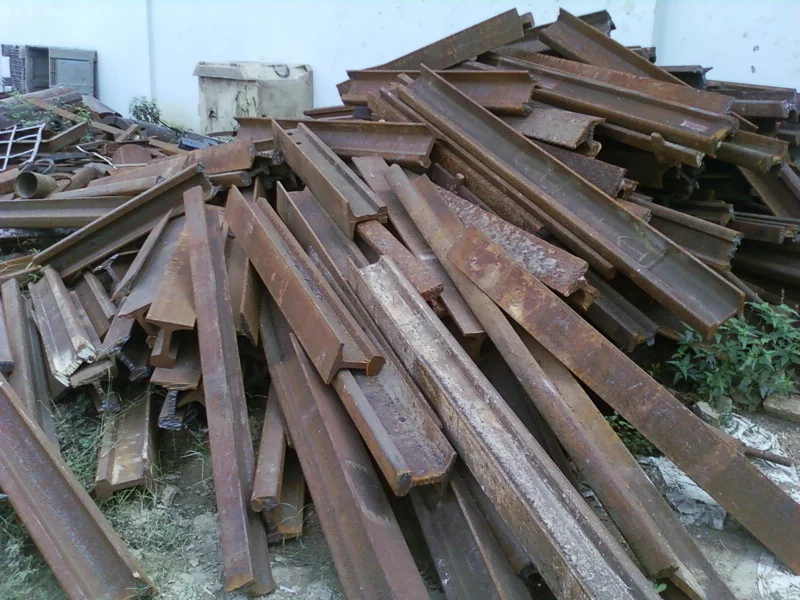
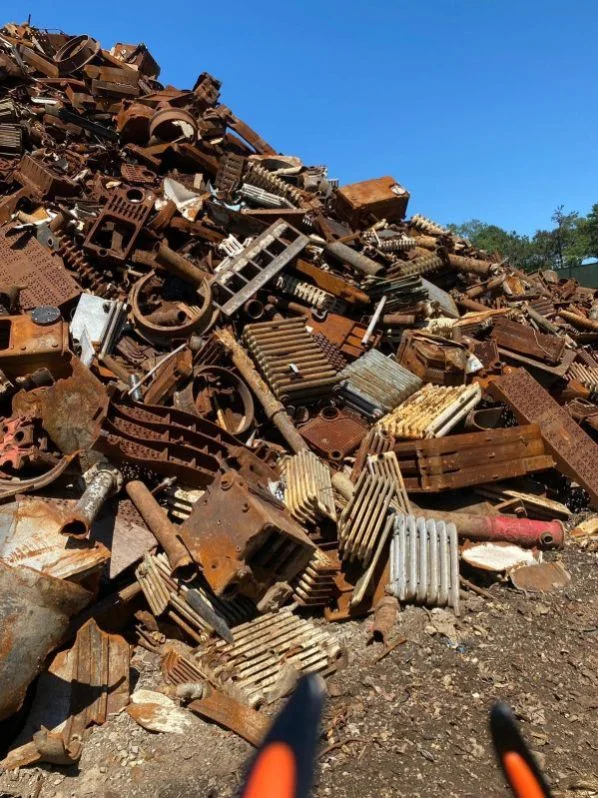
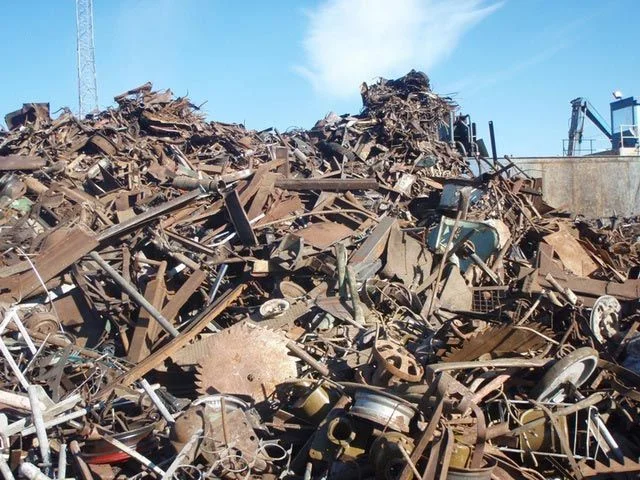
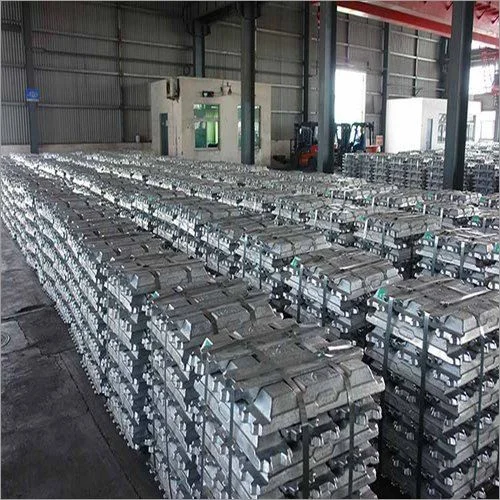
The supplier is based in the United States and lists five active products across its catalogue. Its top categories are Metal Scraps, Coal and Steel Pipes, reflecting a focus on ferrous materials and energy commodities. The metal‑scrap segment includes three distinct products - HSM 1, Naval Scrap and Casing Scrap - all classified under HS code 7204.49 for ferrous metal scrap. The coal segment comprises two items named Anthracite Fine and Anthracite Fine 0-13, which are listed without an HS code in the provided data. The catalogue therefore covers both processed steel scrap grades and raw anthracite coal grades, offering a concise but varied product set.

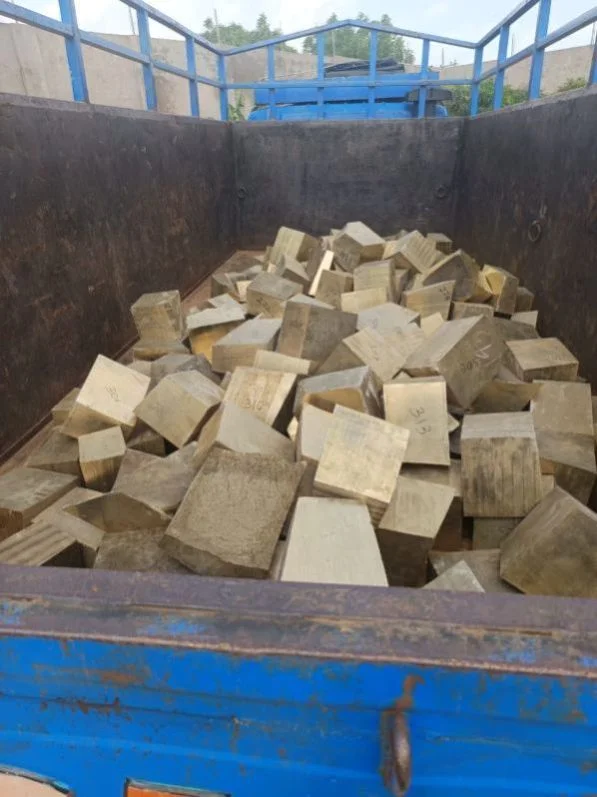
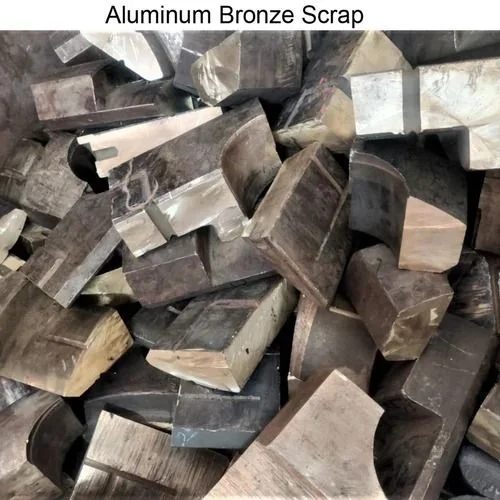
In the metal‑scrap listings, HSM 1 is described as carbon steel scrap, Naval Scrap as hull‑grade steel scrap, and Casing Scrap as carbon steel meeting API grades J55 and N80. All three share the same HS heading, indicating they fall under the broad category of ferrous metal scrap destined for recycling or re‑melting. The two anthracite entries are identified only by product name, suggesting a fine grade of anthracite coal, with the second entry specifying a particle size range of 0‑13 mm. No additional specifications such as calorific value or moisture content are supplied in the source facts.

Product Range and Specialties of Aguilar Consultores, C.a.

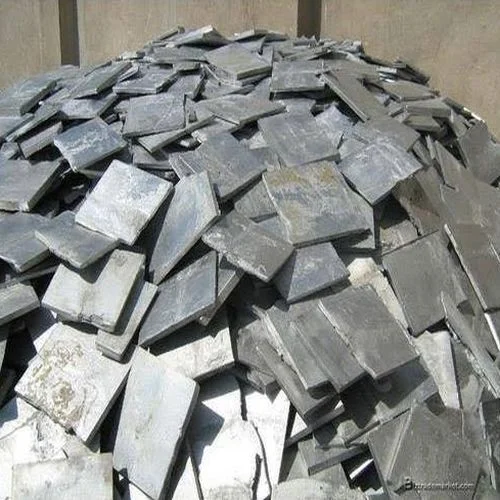
The metal‑scrap products correspond to common industry grades used in steelmaking. Carbon steel scrap like HSM 1 typically conforms to ASTM A494 or equivalent specifications, with a typical impurity level below 2 % and a density around 7.85 t/m³. Hull‑grade scrap (Naval Scrap) is often sourced from de‑commissioned vessels and is valued for its large, flat pieces suitable for bulk melting. API grades J55 and N80, referenced for the Casing Scrap, are pipeline‑grade steels with minimum yield strengths of 55 ksi and 80 ksi respectively, and are frequently required to meet API 5L standards. Anthracite Fine generally denotes a high‑rank coal with low volatile matter; the 0‑13 mm size indicates a fine fraction used in power generation or metallurgical processes. Typical quality parameters for anthracite include a calorific value of 14 000 - 15 000 kJ/kg, moisture below 5 %, and ash content under 8 %.

Trade and Export Information - Aguilar Consultores, C.a.

United States exporters of ferrous metal scrap under HS 7204.49 primarily ship to recycling hubs in China, India, Turkey and the European Union, where the material is re‑smelted into new steel products. Buyers in those regions usually require a material test report, a certificate of origin and compliance with REACH or similar environmental regulations. Anthracite coal from the United States is often destined for European power plants and Middle‑East cement factories; the typical HS chapter for anthracite is 2701, although the catalogue does not list a code. Importers of anthracite normally request laboratory analysis confirming calorific value, moisture, ash and sulfur content, and may require ISO 14001 environmental certification from the exporter. Common shipping practices involve 20‑foot or 40‑foot containers for packaged scrap, and bulk bag or bulk cargo shipments for anthracite, with Incoterms such as FOB or CIF being standard.

Sourcing from Aguilar Consultores, C.a. - Buyer Guidance

When sourcing metal scrap from this supplier, request a mill test report that details chemical composition, tensile strength and impurity levels, and verify that the grade matches either carbon steel or the specified API standards. Ask for a certificate of origin and, if applicable, proof of compliance with REACH or any destination‑specific anti‑dumping duties. For the anthracite products, obtain a recent laboratory analysis showing calorific value, moisture, ash and sulfur percentages, as well as a size‑distribution report confirming the 0‑13 mm specification for the fine grade. Confirm packaging details - such as whether scrap will be delivered in steel bundles or bulk bags and whether anthracite will be sealed in moisture‑proof bulk bags - before finalising the order.

Frequently Asked Questions About Aguilar Consultores, C.a.

What HS code is used for the metal‑scrap products listed by Aguilar Consultores?

All three metal‑scrap items - HSM 1, Naval Scrap and Casing Scrap - are classified under HS code 7204.49, which covers ferrous metal scrap and waste.

Which steel grades are referenced for the Casing Scrap product?

Casing Scrap is described as carbon steel meeting API grades J55 and N80, which correspond to pipeline steel with minimum yield strengths of 55 ksi and 80 ksi respectively.

What size specification is indicated for the Anthracite Fine 0-13 product?

The product name includes "0-13", indicating a particle size range of 0 to 13 millimetres, a common size for fine anthracite used in power generation.

What typical documentation should a buyer request for the metal‑scrap items?

Buyers should ask for a mill test report, a certificate of origin, and any applicable REACH or environmental compliance certificates before shipment.

Are there standard quality parameters for anthracite that buyers usually verify?

Yes, buyers typically verify calorific value (around 14 000 - 15 000 kJ/kg), moisture content below 5 %, ash content under 8 % and sulfur levels as per the destination country's regulations.

What packaging formats are common for the listed products?

Ferrous metal scrap is usually shipped in steel bundles or bulk containers, while anthracite fine is commonly packed in moisture‑proof bulk bags or shipped as bulk cargo in vessels.

Which markets commonly import United States metal scrap and anthracite?

Metal scrap from the United States is frequently exported to China, India, Turkey and the EU, whereas anthracite is often sold to European power generators and Middle‑East cement producers.

What Incoterms are typically used for these product categories?

FOB (Free on Board) and CIF (Cost, Insurance, Freight) are the most frequently used Incoterms for metal scrap and bulk coal shipments.


Featured Products from this Supplier

Other Suppliers in Primary Category

Top Trusted Suppliers

Related Products

Trending in Parent Category

More Suppliers in Category

Related Products

Other Suppliers

EximNext
58.5K+ live requirements
Register Free🎁 Reach verified global buyers
Post Requirement
🌍 Trusted by 224.6K+ businesses in 200+ countries|
58.5K+ active requirements right now
✉️ [email protected]
|
Sell on EximNextPost Requirement
EximNext
AgricultureApparelConstructionElectronicFoodHomeIndustrialMineralsMiscellaneous
🔥 Deals|✨ AI Match|🏭 Suppliers|📋 Buy Leads|💰 Trade Finance
58.5K+ live RFQs·194.6K+ suppliers
🎁 Reach global buyers →
EximNext
EximNext
Register Free
🎁 Reach verified global buyers
Sign In
📋Post Requirement💬Get QuotesAI Match📋RFQ Marketplace
All Categories
Services & Tools
🏭Supplier Directory🔥Today's Deals💰Trade Finance
Sell on EximNext
AboutContactBlogHelp
🏭

Aguilar Consultores, C.a.

Harbor
Country flag , United States
🛡️
54/100
Trust Score

Aguilar Consultores, C.a. Product Catalog

Showing 5 of 5 products
View all products →
Anthracite Fine
Harbor
Anthracite Fine
Contact
MOQ: 1 Unit
Anthracite Fine 0-13
Harbor
Anthracite Fine 0-13
Contact
MOQ: 1 Unit
HSM 1
Harbor
HSM 1
Contact
MOQ: 1 Unit
Naval Scrap
Harbor
Naval Scrap
Contact
MOQ: 1 Unit
Casing Scrap
Harbor
Casing Scrap
Contact
MOQ: 1 Unit

About Aguilar Consultores, C.a. - Metal Scraps Supplier in United States

The supplier is based in the United States and lists five active products across its catalogue. Its top categories are Metal Scraps, Coal and Steel Pipes, reflecting a focus on ferrous materials and energy commodities. The metal‑scrap segment includes three distinct products - HSM 1, Naval Scrap and Casing Scrap - all classified under HS code 7204.49 for ferrous metal scrap. The coal segment comprises two items named Anthracite Fine and Anthracite Fine 0-13, which are listed without an HS code in the provided data. The catalogue therefore covers both processed steel scrap grades and raw anthracite coal grades, offering a concise but varied product set.

In the metal‑scrap listings, HSM 1 is described as carbon steel scrap, Naval Scrap as hull‑grade steel scrap, and Casing Scrap as carbon steel meeting API grades J55 and N80. All three share the same HS heading, indicating they fall under the broad category of ferrous metal scrap destined for recycling or re‑melting. The two anthracite entries are identified only by product name, suggesting a fine grade of anthracite coal, with the second entry specifying a particle size range of 0‑13 mm. No additional specifications such as calorific value or moisture content are supplied in the source facts.

Product Range and Specialties of Aguilar Consultores, C.a.

The metal‑scrap products correspond to common industry grades used in steelmaking. Carbon steel scrap like HSM 1 typically conforms to ASTM A494 or equivalent specifications, with a typical impurity level below 2 % and a density around 7.85 t/m³. Hull‑grade scrap (Naval Scrap) is often sourced from de‑commissioned vessels and is valued for its large, flat pieces suitable for bulk melting. API grades J55 and N80, referenced for the Casing Scrap, are pipeline‑grade steels with minimum yield strengths of 55 ksi and 80 ksi respectively, and are frequently required to meet API 5L standards. Anthracite Fine generally denotes a high‑rank coal with low volatile matter; the 0‑13 mm size indicates a fine fraction used in power generation or metallurgical processes. Typical quality parameters for anthracite include a calorific value of 14 000 - 15 000 kJ/kg, moisture below 5 %, and ash content under 8 %.

Trade and Export Information - Aguilar Consultores, C.a.

United States exporters of ferrous metal scrap under HS 7204.49 primarily ship to recycling hubs in China, India, Turkey and the European Union, where the material is re‑smelted into new steel products. Buyers in those regions usually require a material test report, a certificate of origin and compliance with REACH or similar environmental regulations. Anthracite coal from the United States is often destined for European power plants and Middle‑East cement factories; the typical HS chapter for anthracite is 2701, although the catalogue does not list a code. Importers of anthracite normally request laboratory analysis confirming calorific value, moisture, ash and sulfur content, and may require ISO 14001 environmental certification from the exporter. Common shipping practices involve 20‑foot or 40‑foot containers for packaged scrap, and bulk bag or bulk cargo shipments for anthracite, with Incoterms such as FOB or CIF being standard.

Sourcing from Aguilar Consultores, C.a. - Buyer Guidance

When sourcing metal scrap from this supplier, request a mill test report that details chemical composition, tensile strength and impurity levels, and verify that the grade matches either carbon steel or the specified API standards. Ask for a certificate of origin and, if applicable, proof of compliance with REACH or any destination‑specific anti‑dumping duties. For the anthracite products, obtain a recent laboratory analysis showing calorific value, moisture, ash and sulfur percentages, as well as a size‑distribution report confirming the 0‑13 mm specification for the fine grade. Confirm packaging details - such as whether scrap will be delivered in steel bundles or bulk bags and whether anthracite will be sealed in moisture‑proof bulk bags - before finalising the order.

Frequently Asked Questions About Aguilar Consultores, C.a.

What HS code is used for the metal‑scrap products listed by Aguilar Consultores?

All three metal‑scrap items - HSM 1, Naval Scrap and Casing Scrap - are classified under HS code 7204.49, which covers ferrous metal scrap and waste.

Which steel grades are referenced for the Casing Scrap product?

Casing Scrap is described as carbon steel meeting API grades J55 and N80, which correspond to pipeline steel with minimum yield strengths of 55 ksi and 80 ksi respectively.

What size specification is indicated for the Anthracite Fine 0-13 product?

The product name includes "0-13", indicating a particle size range of 0 to 13 millimetres, a common size for fine anthracite used in power generation.

What typical documentation should a buyer request for the metal‑scrap items?

Buyers should ask for a mill test report, a certificate of origin, and any applicable REACH or environmental compliance certificates before shipment.

Are there standard quality parameters for anthracite that buyers usually verify?

Yes, buyers typically verify calorific value (around 14 000 - 15 000 kJ/kg), moisture content below 5 %, ash content under 8 % and sulfur levels as per the destination country's regulations.

What packaging formats are common for the listed products?

Ferrous metal scrap is usually shipped in steel bundles or bulk containers, while anthracite fine is commonly packed in moisture‑proof bulk bags or shipped as bulk cargo in vessels.

Which markets commonly import United States metal scrap and anthracite?

Metal scrap from the United States is frequently exported to China, India, Turkey and the EU, whereas anthracite is often sold to European power generators and Middle‑East cement producers.

What Incoterms are typically used for these product categories?

FOB (Free on Board) and CIF (Cost, Insurance, Freight) are the most frequently used Incoterms for metal scrap and bulk coal shipments.

About Aguilar Consultores, C.a. - Metal Scraps Supplier in United States

The supplier is based in the United States and lists five active products across its catalogue. Its top categories are Metal Scraps, Coal and Steel Pipes, reflecting a focus on ferrous materials and energy commodities. The metal‑scrap segment includes three distinct products - HSM 1, Naval Scrap and Casing Scrap - all classified under HS code 7204.49 for ferrous metal scrap. The coal segment comprises two items named Anthracite Fine and Anthracite Fine 0-13, which are listed without an HS code in the provided data. The catalogue therefore covers both processed steel scrap grades and raw anthracite coal grades, offering a concise but varied product set.

In the metal‑scrap listings, HSM 1 is described as carbon steel scrap, Naval Scrap as hull‑grade steel scrap, and Casing Scrap as carbon steel meeting API grades J55 and N80. All three share the same HS heading, indicating they fall under the broad category of ferrous metal scrap destined for recycling or re‑melting. The two anthracite entries are identified only by product name, suggesting a fine grade of anthracite coal, with the second entry specifying a particle size range of 0‑13 mm. No additional specifications such as calorific value or moisture content are supplied in the source facts.

Product Range and Specialties of Aguilar Consultores, C.a.

The metal‑scrap products correspond to common industry grades used in steelmaking. Carbon steel scrap like HSM 1 typically conforms to ASTM A494 or equivalent specifications, with a typical impurity level below 2 % and a density around 7.85 t/m³. Hull‑grade scrap (Naval Scrap) is often sourced from de‑commissioned vessels and is valued for its large, flat pieces suitable for bulk melting. API grades J55 and N80, referenced for the Casing Scrap, are pipeline‑grade steels with minimum yield strengths of 55 ksi and 80 ksi respectively, and are frequently required to meet API 5L standards. Anthracite Fine generally denotes a high‑rank coal with low volatile matter; the 0‑13 mm size indicates a fine fraction used in power generation or metallurgical processes. Typical quality parameters for anthracite include a calorific value of 14 000 - 15 000 kJ/kg, moisture below 5 %, and ash content under 8 %.

Trade and Export Information - Aguilar Consultores, C.a.

United States exporters of ferrous metal scrap under HS 7204.49 primarily ship to recycling hubs in China, India, Turkey and the European Union, where the material is re‑smelted into new steel products. Buyers in those regions usually require a material test report, a certificate of origin and compliance with REACH or similar environmental regulations. Anthracite coal from the United States is often destined for European power plants and Middle‑East cement factories; the typical HS chapter for anthracite is 2701, although the catalogue does not list a code. Importers of anthracite normally request laboratory analysis confirming calorific value, moisture, ash and sulfur content, and may require ISO 14001 environmental certification from the exporter. Common shipping practices involve 20‑foot or 40‑foot containers for packaged scrap, and bulk bag or bulk cargo shipments for anthracite, with Incoterms such as FOB or CIF being standard.

Sourcing from Aguilar Consultores, C.a. - Buyer Guidance

When sourcing metal scrap from this supplier, request a mill test report that details chemical composition, tensile strength and impurity levels, and verify that the grade matches either carbon steel or the specified API standards. Ask for a certificate of origin and, if applicable, proof of compliance with REACH or any destination‑specific anti‑dumping duties. For the anthracite products, obtain a recent laboratory analysis showing calorific value, moisture, ash and sulfur percentages, as well as a size‑distribution report confirming the 0‑13 mm specification for the fine grade. Confirm packaging details - such as whether scrap will be delivered in steel bundles or bulk bags and whether anthracite will be sealed in moisture‑proof bulk bags - before finalising the order.

Frequently Asked Questions About Aguilar Consultores, C.a.
What HS code is used for the metal‑scrap products listed by Aguilar Consultores?
All three metal‑scrap items - HSM 1, Naval Scrap and Casing Scrap - are classified under HS code 7204.49, which covers ferrous metal scrap and waste.
Which steel grades are referenced for the Casing Scrap product?
Casing Scrap is described as carbon steel meeting API grades J55 and N80, which correspond to pipeline steel with minimum yield strengths of 55 ksi and 80 ksi respectively.
What size specification is indicated for the Anthracite Fine 0-13 product?
The product name includes "0-13", indicating a particle size range of 0 to 13 millimetres, a common size for fine anthracite used in power generation.
What typical documentation should a buyer request for the metal‑scrap items?
Buyers should ask for a mill test report, a certificate of origin, and any applicable REACH or environmental compliance certificates before shipment.
Are there standard quality parameters for anthracite that buyers usually verify?
Yes, buyers typically verify calorific value (around 14 000 - 15 000 kJ/kg), moisture content below 5 %, ash content under 8 % and sulfur levels as per the destination country's regulations.
What packaging formats are common for the listed products?
Ferrous metal scrap is usually shipped in steel bundles or bulk containers, while anthracite fine is commonly packed in moisture‑proof bulk bags or shipped as bulk cargo in vessels.
Which markets commonly import United States metal scrap and anthracite?
Metal scrap from the United States is frequently exported to China, India, Turkey and the EU, whereas anthracite is often sold to European power generators and Middle‑East cement producers.
What Incoterms are typically used for these product categories?
FOB (Free on Board) and CIF (Cost, Insurance, Freight) are the most frequently used Incoterms for metal scrap and bulk coal shipments.

🏭
Aguilar Consultores, C.a.
Country flag , United States
Harbor
54/100
Trust Score
📦
5
Products
Free to contact — no commission
Escrow payment available
Verified business identity
Compare more suppliers
Post a requirement — get 10 quotes free
Let verified suppliers compete for your business. Free, fast, no commitment.
EximNext Verified Supplier
Business identity verified
Physical address confirmed
Financial history checked
Certifications authenticated
Trade references validated
Due Diligence
Verify this supplier's real shipping history.
Every shipment, every buyer, every port. Trade data that can't be faked.
Run due diligence →
Discover More

Related Suppliers & Products

Explore similar suppliers, related products and trending categories

Featured Products from this Supplier

Other Suppliers in Primary Category

Top Trusted Suppliers

Related Products

Trending in Parent Category

More Suppliers in Category

Stay ahead in global trade
Weekly market insights & new supplier alerts.
EximNext
Exim Next is a leading global B2B marketplace, connecting over 205,000 verified suppliers and buyers across 200+ countries. As a trusted import export marketplace, it serves as the essential B2B portal for businesses worldwide, empowering them to expand their international reach. With Exim Next, businesses can trade smarter and grow faster.
SECURE PAYMENTS
VISAMastercardPayPalSWIFTL/CEscrow
Follow us
© 2026 EximNext