Agronga LLC — Verified Supplier
About Agronga LLC - Agricultural Commodities Supplier in the United States
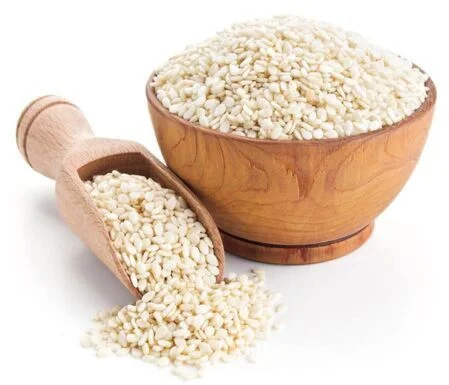
Agronga LLC is registered as a supplier in the United States and lists 7 active products across several agricultural commodity categories, including oilseeds, edible nuts, cocoa, charcoal, and tree-derived fats. The catalogue covers Sesame Seeds, Coconut Shell Charcoal, Cashew Nuts, Cocoa Beans, Peanuts, Shea Butter, and Shea Nuts, which together span HS chapters 12 (oilseeds and oleaginous fruits), 08 (edible nuts and fruits), 18 (cocoa), 14 (vegetable plaiting materials, which also covers certain nut products), and 44 (wood charcoal). This spread places the company in the broader segment of US-based agricultural commodity exporters and re-exporters that move tropical and sub-tropical raw materials into international wholesale channels. The listed categories reflect commodities that are typically sourced from West and East Africa, South and Southeast Asia, and Latin America, then consolidated and shipped from US Gulf, East Coast, or West Coast ports. Buyers reviewing Agronga LLC should note that the supplier does not list specific grades, origins, or processing parameters in the catalogue facts, so each enquiry should clarify the exact commodity grade, crop year, and processing level required for the buyer's end use. The active product count of 7 indicates a focused rather than broad-line catalogue, concentrated on shelf-stable dry goods and a single processed fat.
Product Range and Specialties of Agronga LLC
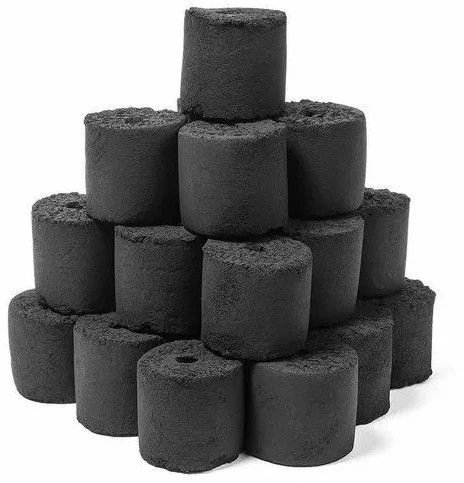
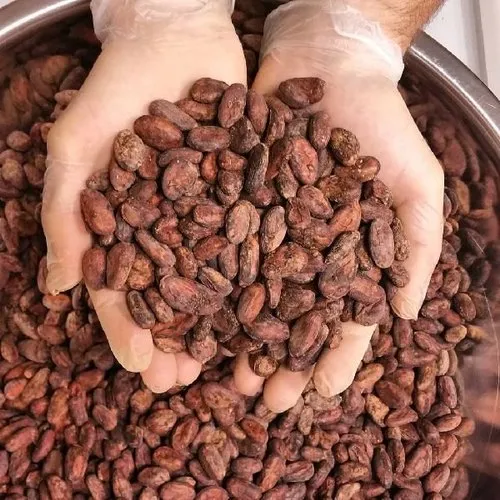
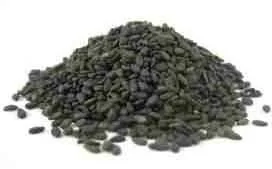
The Agronga LLC catalogue covers seven commodities grouped into four functional segments. The oilseed and nut segment includes Sesame Seeds (HS 1207 typically, though no HS code is provided in the facts), Cashew Nuts (typically HS 0801, kernel grades W180, W210, W240, W320, W450, and SWP/splits being the common buyer specifications), Peanuts (typically HS 1202, with runner, Virginia, Spanish, and Valencia types and aflatoxin limits set by destination market), and Shea Nuts (typically HS 1207, the raw kernel form of the shea tree, often traded at 8-12% moisture). The confectionery and fat segment includes Cocoa Beans (typically HS 1801, fermented and unfermented, with main grades such as Ghana grade A, grade B, and main crop versus light crop) and Shea Butter (typically HS 1515 or 1516 depending on refinement, refined or unrefined, with the unrefined grade retaining characteristic odour and colour). The fuel segment is represented by Coconut Shell Charcoal (typically HS 4402, lump, briquette, or hexagonal extruded forms, with fixed carbon commonly specified at 70-85%, moisture below 8%, ash below 5%, and calorific value in the 6,500-7,500 kcal/kg range). Buyers in these categories typically request grade-specific documentation: for cocoa, fermentation percentage and cut-test results; for sesame and peanuts, moisture content (commonly 6-8% max), purity (99/1 or 99.5/0.5), and oil content; for cashews, kernel count per pound and defect tolerance; for shea butter, free fatty acid (FFA) value, often below 5% for cosmetic grades and lower for refined food grades; and for charcoal, iodine adsorption or fixed carbon figures. The catalogue also lists Dry Fruits & Nuts as a top category, which in the context of the other items likely refers to mixed dried fruit and nut packs rather than a separate commodity line.
Trade and Export Information - Agronga LLC
United States-based commodity suppliers handling sesame, cashew, cocoa, peanuts, shea, and coconut shell charcoal typically serve three main buyer groups: food processors and confectionery manufacturers in the EU, the UK, the Middle East, and North America; cosmetics and personal care brands sourcing shea butter; and industrial buyers of charcoal for shisha, BBQ, metallurgical, and activated carbon applications. Sesame Seeds generally fall under HS 1207.40, Cashew Nuts under HS 0801.31 or 0801.32 (in shell or shelled), Cocoa Beans under HS 1801.00, Peanuts under HS 1202.42 (shelled) or 1202.41 (in shell), Shea Nuts under HS 1207.99, Shea Butter under HS 1515.90 or 1516.20 depending on refinement, and Coconut Shell Charcoal under HS 4402.90. These are the HS code families that importers, customs brokers, and freight forwarders typically reference when booking containers for these commodities. For these product categories, buyers and importing countries commonly require a specific documentation set: a phytosanitary certificate (for oilseeds and nuts), a fumigation certificate, a certificate of origin, a health certificate, and for food-grade shipments a COA (Certificate of Analysis) covering moisture, ash, foreign matter, and microbiological counts. Cocoa shipments to the EU require compliance with EU Regulation 1881/2006 on contaminants, particularly ochratoxin A and heavy metals, and from 2023 onward, EUDR (EU Deforestation Regulation) due diligence statements for cocoa and palm-derived fats. Peanut shipments to the EU must comply with aflatoxin limits under EU Regulation 1881/2006 (B1 at 2.0 µg/kg and total aflatoxins at 4.0 µg/kg for groundnuts intended for direct human consumption). Sesame exports to Japan and the Middle East typically require pesticide residue and microbiology panels. Coconut shell charcoal for shisha markets (notably the Gulf, Levant, and North Africa) is usually traded in 20 ft containers (load roughly 18-20 MT) or 40 ft containers, with inner poly bags inside kraft paper or PP woven sacks of 10-50 kg. Standard shipping terms for these dry commodities are FOB, CFR, or CIF, with 20 ft and 40 ft dry containers being the norm. US-origin export of these commodities typically routes through the Port of Houston, Port of New York/New Jersey, Port of Savannah, or Port of Long Beach, depending on the buyer's destination.
Sourcing from Agronga LLC - Buyer Guidance
Buyers sourcing from Agronga LLC should treat the catalogue as an enquiry starting point rather than a finished specification sheet, since the listed products do not include grade, origin country of the raw commodity, crop year, or processing details. For sesame, request the seed variety (Hulled vs Natural, Whitish vs Golden), purity (99/1 or 99.5/0.5), moisture (target 6% max), oil content (typically 48-52%), and free fatty acid (target 2% max). For cashews, request the kernel grade (W240 is the most common export grade, W320 the most traded), the count per pound, the defect tolerance, and the crop year. For cocoa beans, request the grade (Ghana grade A, grade B, or equivalent), fermentation percentage (target 70%+ for fully fermented), cut-test results, and bean count per 100g. For peanuts, request the type (Runner, Virginia, Spanish, or Valencia), aflatoxin test results (B1 and total), moisture (target 7-9%), and the blanched or in-shell status. For shea butter, request the grade (raw/unrefined, refined, or ultra-refined), FFA value (target 1-5% depending on grade), peroxide value, saponification value, and colour (ivory, yellow, or off-white). For shea nuts, request moisture content (target 8-10% max), FFA of the extracted fat, and foreign matter percentage. For coconut shell charcoal, request fixed carbon percentage (typically 70-80% for shisha grade), moisture (target below 8%), ash content (target below 5%), calorific value, and the form (lump, briquette, or hexagonal). Across all categories, buyers should request a recent COA tied to a specific lot, a representative pre-shipment sample, and clarification of the actual country of origin of the raw commodity, since US-based suppliers often source from West Africa, East Africa, or South Asia. Payment terms in this segment are typically 30% T/T deposit with 70% balance against copy of B/L, or L/C at sight for first-time transactions, and MOQs are commonly one 20 ft container per commodity.
Frequently Asked Questions About Agronga LLC
What product categories does Agronga LLC supply?
Agronga LLC lists 7 active products: Sesame Seeds, Coconut Shell Charcoal, Cashew Nuts, Cocoa Beans, Peanuts, Shea Butter, and Shea Nuts. The catalogue spans oilseeds, edible nuts, cocoa, a tree-derived fat, and wood charcoal, falling under HS chapters 12, 08, 18, and 44.
Which grades and specifications should buyers request for the sesame and cashew items?
For sesame, request the variety (Hulled or Natural), purity (typically 99/1 or 99.5/0.5), moisture (target 6% max), oil content (48-52%), and FFA. For cashews, request the kernel grade (W180, W210, W240, W320, or W450), count per pound, defect tolerance, and crop year.
What documentation is typically required for cocoa bean and peanut shipments?
Cocoa beans typically require a COA with cut-test and fermentation percentage, a phytosanitary certificate, and for EU destinations an EUDR due diligence statement. Peanuts typically require an aflatoxin test report (B1 and total), moisture and foreign matter figures, and a phytosanitary certificate.
What parameters define shisha-grade coconut shell charcoal?
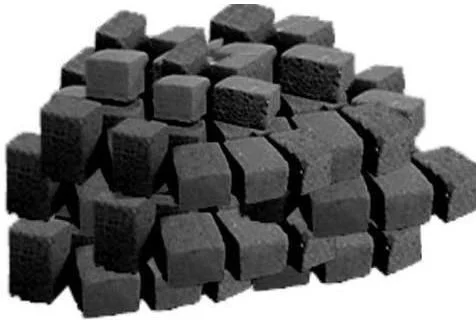
Shisha-grade coconut shell charcoal is typically specified at fixed carbon of 70-85%, moisture below 8%, ash below 5%, volatile matter below 15%, and a calorific value of 6,500-7,500 kcal/kg. Common forms are hexagonal briquettes and finger/lump pieces packed in 10-50 kg PP bags inside kraft outer sacks.
What are the typical quality parameters for shea butter?
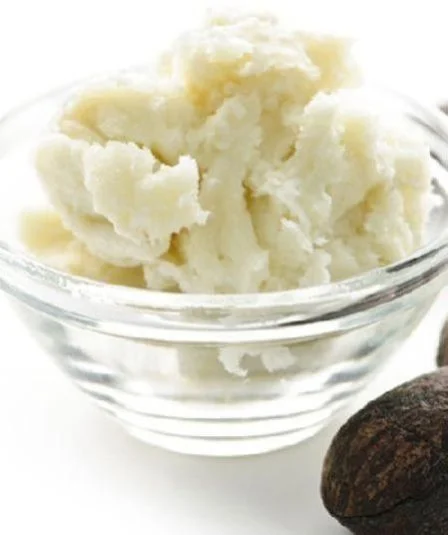
Shea butter is typically traded as raw/unrefined or refined, with FFA values ranging from below 1% for refined cosmetic grades to 3-7% for unrefined grades. Other key parameters include peroxide value (target below 10 meq/kg), saponification value (typically 170-190), and melting point (typically 32-38°C).
What is the typical MOQ and shipping format for these commodities?
For US-based suppliers in this segment, the standard MOQ is one 20 ft container per commodity, with 20 ft dry containers typically loading 18-25 MT depending on bulk density. 40 ft containers are used for lower-density items such as charcoal and shea butter in fibre drums. Shipping terms are commonly FOB, CFR, or CIF.
Which documents should a buyer request before confirming an order with Agronga LLC?
Buyers should request a company profile, a recent COA tied to a specific lot, a representative pre-shipment sample, the actual country of origin of the raw commodity, and the supplier's available certifications. For food-grade shipments, a signed specification sheet, a phytosanitary certificate, and a fumigation certificate are typically required at the time of shipment.




 , United States