Agriculture Global Trading — Verified Supplier

About Agriculture Global Trading - Charcoal Supplier in Indonesia

Indonesia hosts the supplier Agriculture Global Trading, which currently lists six distinct products in its catalogue. The portfolio spans charcoal products derived from tamarind hardwood, resin materials sourced from Shorea Javanica, a finished artistic resin table, semi‑husked coconut, and goat milk powder. Each item falls under the broader categories of Charcoal, Agriculture, and Food Ingredients as indicated in the supplier’s top categories. The catalogue does not provide HS‑code numbers, but the product types correspond to typical HS chapters for charcoal (4xx), wood resin (44), coconut products (12), and dairy powders (04).

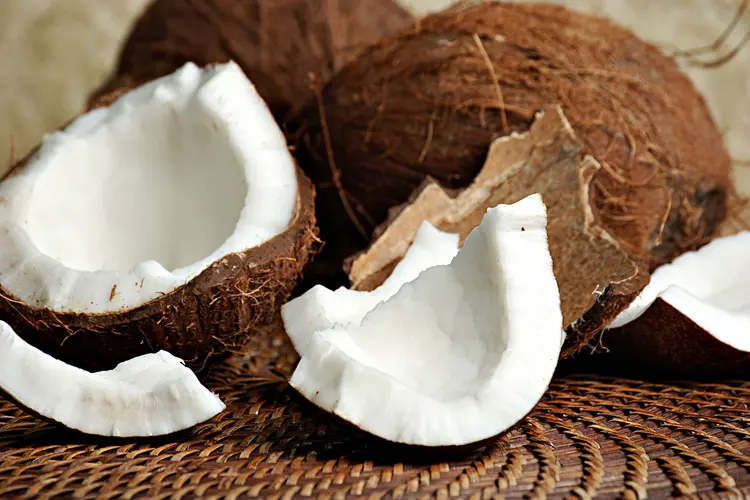
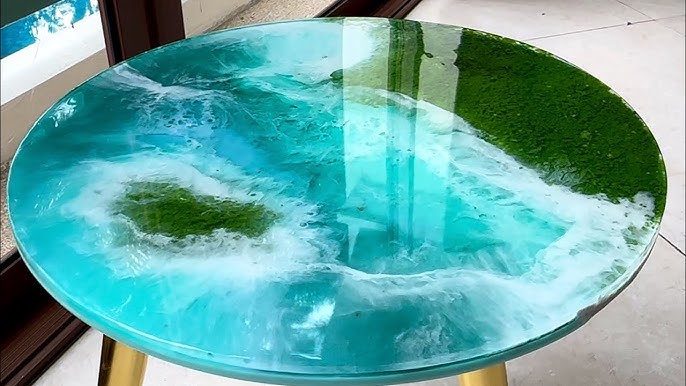
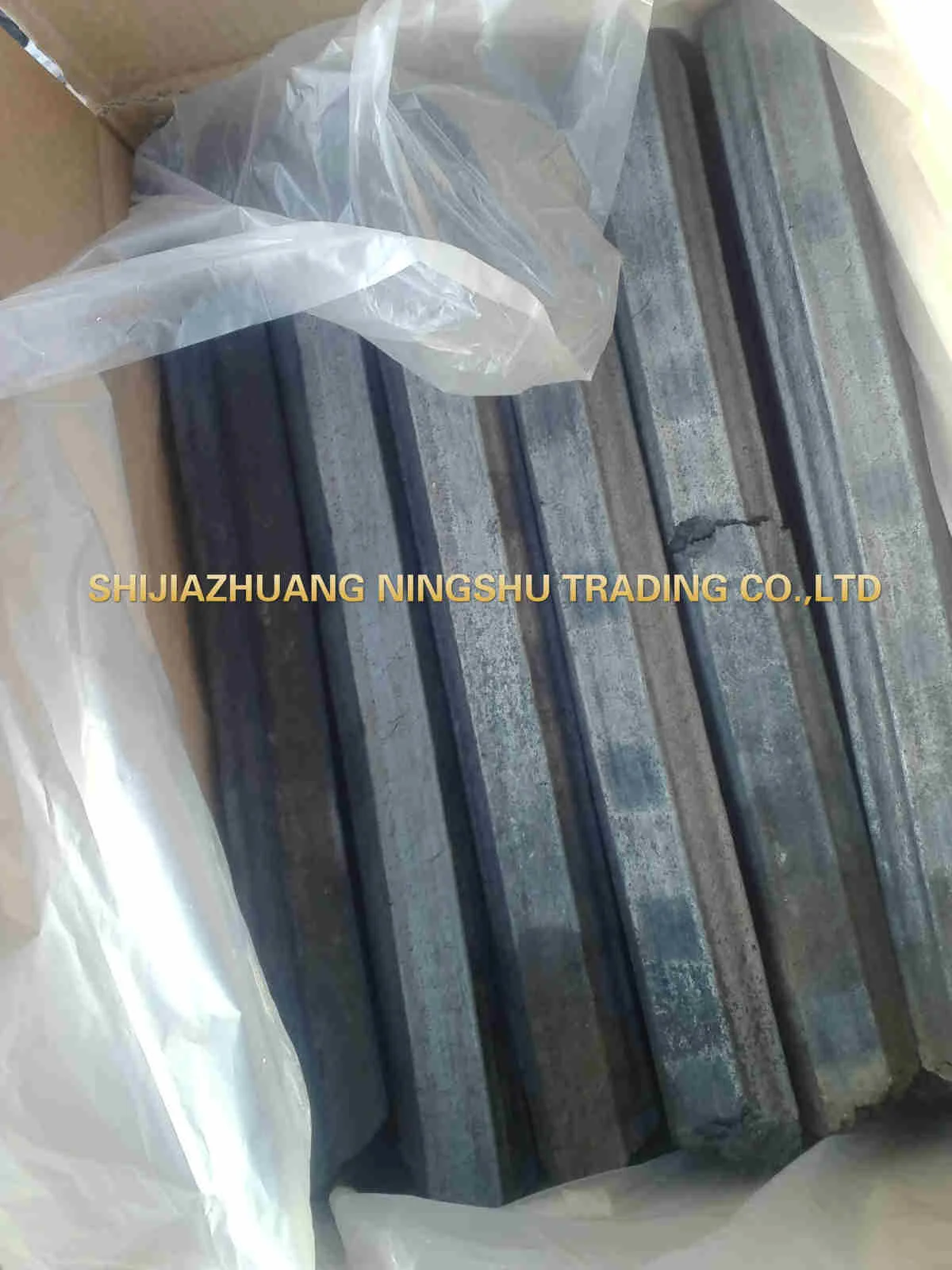
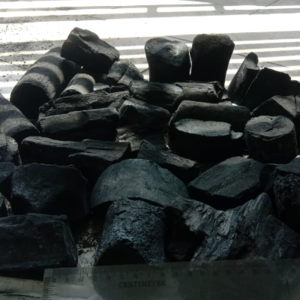
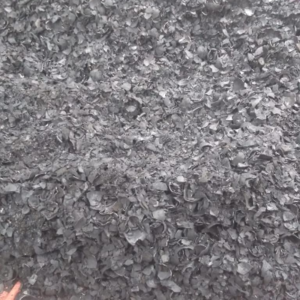
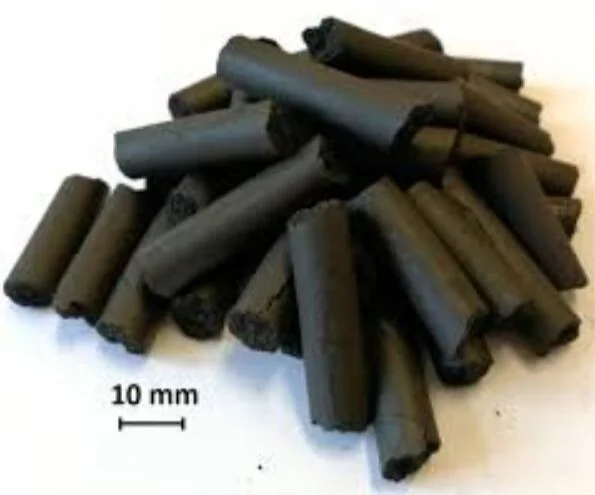
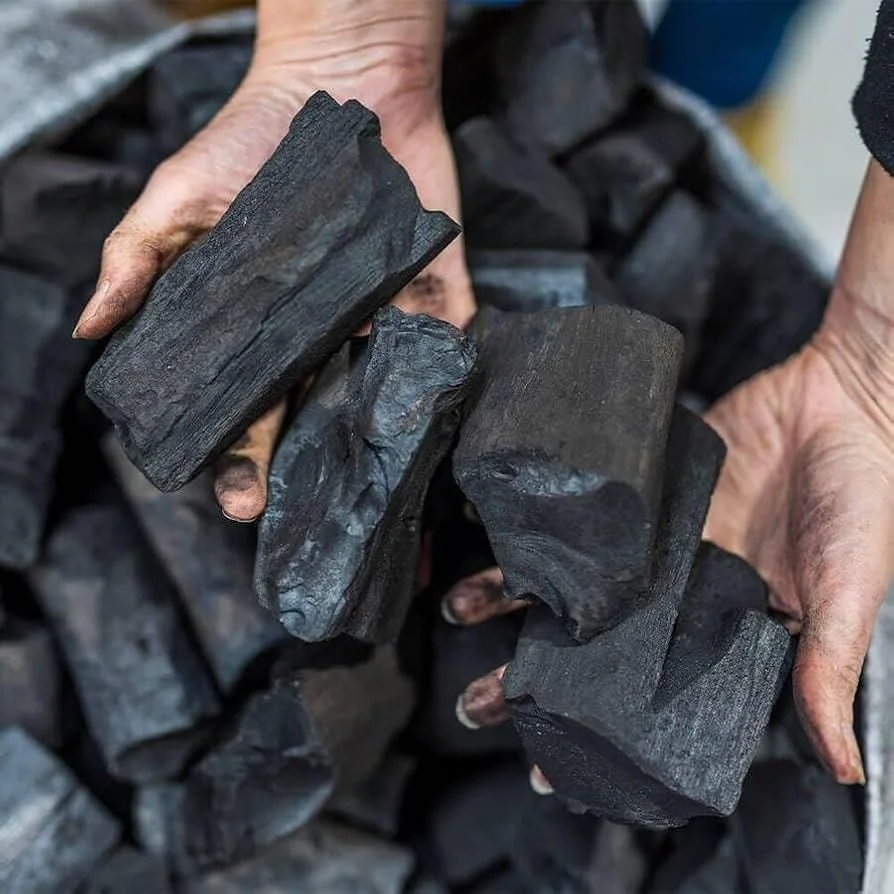
Specific entries include Pure Tamarind Hardwood Charcoal and Pure Tamarind Charcoal, both marketed as untreated hardwood fuel. The resin offering is listed as Resin Or Shorea Javanica, which is a raw wood resin, while Artistic Resin Table describes a finished furniture piece made from the same material. Semi Husked Coconut appears as a processed coconut product with husk partially removed, and Goat Milk Powder is presented as a dried dairy ingredient. The description of each product is limited to the name, without detailed technical specifications or certification claims.

Product Range and Specialties of Agriculture Global Trading

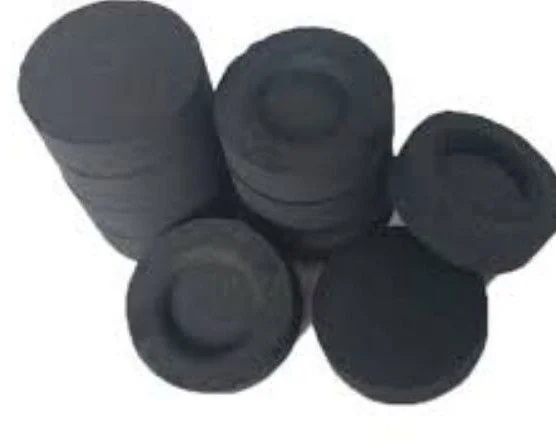
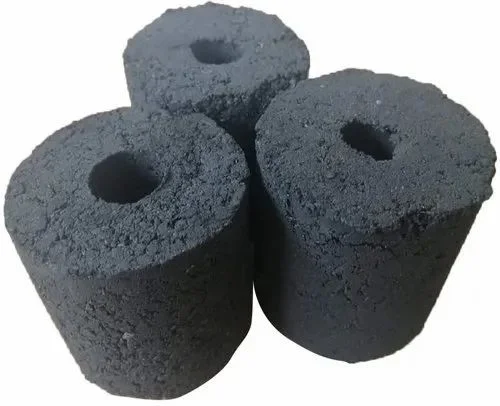
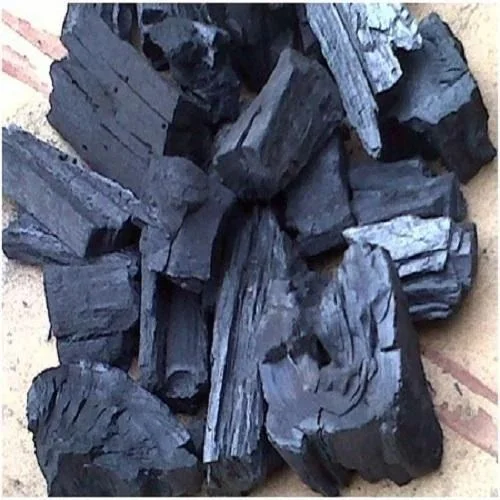
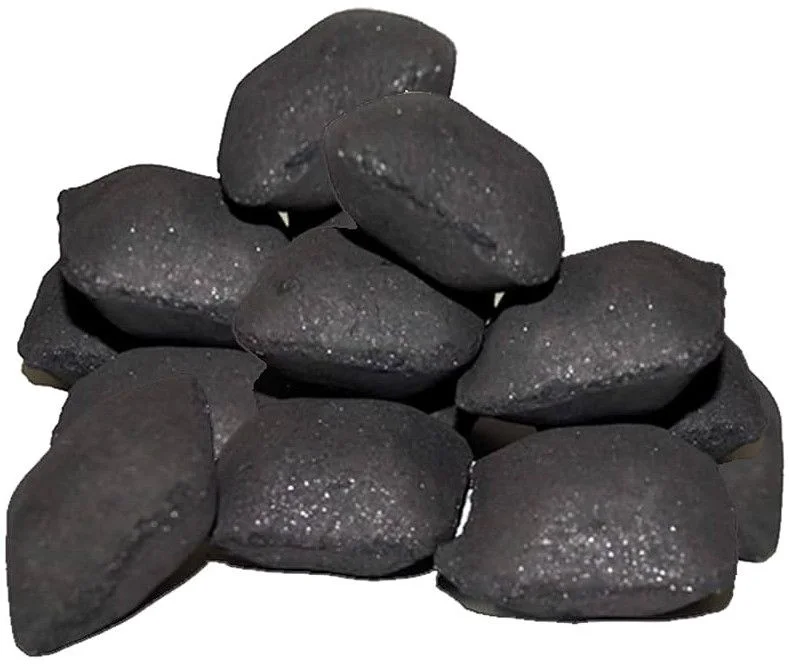
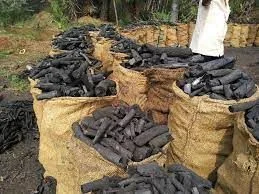
The two charcoal entries are hardwood charcoals commonly used for grilling, metalworking, or industrial fuel. In trade, tamarind hardwood charcoal is usually classified under HS 4401 and meets typical specifications such as moisture below 10 %, ash content under 5 %, and a calorific value around 30 MJ kg‑1. Buyers often request laboratory reports confirming these parameters and may look for certifications such as ISO 9001 or SGS inspection reports.

The resin product derived from Shorea Javanica is a natural wood resin employed in laminates, adhesives, or as a raw material for furniture finishes. Industry standards for such resins include a moisture content under 12 % and a viscosity range suitable for casting. The Artistic Resin Table represents a finished furniture item, where dimensions, weight, and finish quality are typical buyer concerns. Semi‑husked coconut is generally graded by husk removal percentage (typically 60 - 80 % removal) and moisture content below 12 %, and is shipped in bulk bags or 20‑ft containers. Goat milk powder is usually produced to a protein content of 24‑26 % and a fat content of 12‑14 %, with moisture under 5 %, and conforms to food safety standards such as HACCP and may carry a Certificate of Analysis.

Trade and Export Information - Agriculture Global Trading

Indonesia is a major exporter of hardwood charcoal, tropical wood resins, coconut products, and dairy powders. Charcoal from Indonesian hardwood is frequently shipped to markets in the Middle East, Europe, and Southeast Asian countries for use in barbecues and metal industries. Resin and finished resin furniture often target furniture manufacturers in China, Vietnam, and the United States. Semi‑husked coconut is largely supplied to food processors in the EU and GCC region, while goat milk powder serves infant formula and specialty dairy producers in Europe and North America.

The HS chapters involved include 44 for wood charcoal, 44‑24 for wood resins, 12‑13 for coconut products, and 04‑01 for milk powders. Export shipments are commonly packed in 20‑ft or 40‑ft containers for resin and coconut, while bulk bags (25 kg) are used for charcoal and milk powder. Buyers typically require phytosanitary certificates for plant‑based products, a Certificate of Origin, and laboratory test reports complying with Codex Alimentarius for milk powder. Standard Incoterms such as FOB Jakarta Port or CIF Dubai are regularly applied, and insurance coverage for marine transport is advisable.

Sourcing from Agriculture Global Trading - Buyer Guidance

When evaluating Agriculture Global Trading, buyers should request a current product specification sheet for each item, including moisture, ash, calorific value for charcoal, and protein/fat percentages for goat milk powder. Samples should be obtained to verify the resin’s viscosity and the coconut’s husk removal rate, and a third‑party lab analysis can confirm compliance with relevant food safety standards.

Buyers should also obtain a Certificate of Origin, phytosanitary certificate for the coconut, and a Certificate of Analysis for the milk powder. Confirmation of the supplier’s ability to meet packaging requirements - such as 25 kg bulk bags for charcoal or food‑grade liners for milk powder - helps avoid customs delays. Verifying that the supplier can provide HS code declarations and export documentation aligned with the buyer’s target market regulations is a prudent step before placing a purchase order.

Frequently Asked Questions About Agriculture Global Trading

What types of charcoal does Agriculture Global Trading offer?

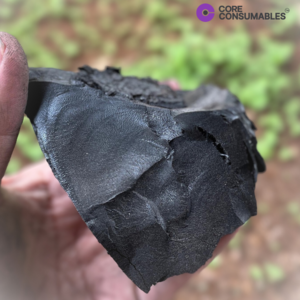
The catalogue lists Pure Tamarind Hardwood Charcoal and Pure Tamarind Charcoal, both produced from tamarind hardwood without additional processing.

Are there specifications available for the Pure Tamarind Hardwood Charcoal?

Typical specifications for hardwood charcoal include moisture content below 10 %, ash under 5 %, and a calorific value near 30 MJ kg‑1. Buyers should request a lab report to confirm these figures.

What documentation is needed for importing the semi‑husked coconut?

Importers normally require a phytosanitary certificate, a Certificate of Origin, and a commercial invoice indicating the husk removal percentage. A packing list showing bulk‑bag counts is also standard.

What is the typical protein content of the Goat Milk Powder listed?

Goat milk powder from Indonesia is generally produced with a protein content between 24 % and 26 % and a moisture level under 5 %. A Certificate of Analysis should verify these values.

Can I obtain a sample of the Resin Or Shorea Javanica before placing a bulk order?

Yes, most suppliers provide a small quantity sample for testing viscosity and moisture content. Request a sample along with a material safety data sheet.

Which HS codes are associated with the products in the catalogue?

Charcoal is commonly classified under HS 4401, wood resin under HS 4402, semi‑husked coconut under HS 1204, and goat milk powder under HS 0401. Exact codes should be confirmed with the supplier.

What packaging options does the supplier use for charcoal and milk powder?

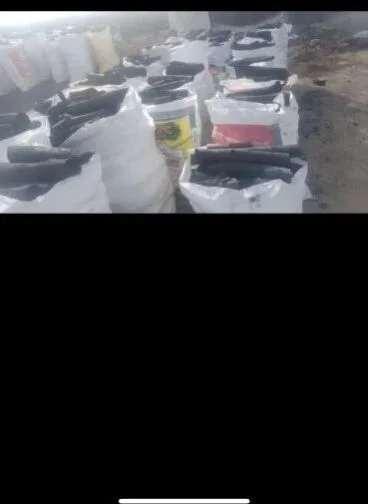
Charcoal is typically packed in 25 kg bulk bags or sealed polypropylene sacks for bulk shipment. Goat milk powder is usually shipped in food‑grade laminated bags or 20‑ft containers with moisture‑proof liners.


Featured Products from this Supplier

Other Suppliers in Primary Category

Top Trusted Suppliers

Related Products

Trending in Parent Category

More Suppliers in Category

Related Products

Other Suppliers

EximNext
58.7K+ live requirements
Register Free🎁 Reach verified global buyers
Post Requirement
🌍 Trusted by 224.9K+ businesses in 200+ countries|
58.7K+ active requirements right now
✉️ [email protected]
|
Sell on EximNextPost Requirement
EximNext
AgricultureApparelConstructionElectronicFoodHomeIndustrialMineralsMiscellaneous
🔥 Deals|✨ AI Match|🏭 Suppliers|📋 Buy Leads|💰 Trade Finance
58.7K+ live RFQs·194.8K+ suppliers
🎁 Reach global buyers →
EximNext
EximNext
Register Free
🎁 Reach verified global buyers
Sign In
📋Post Requirement💬Get Quotes✨AI Match📋RFQ Marketplace
All Categories
Services & Tools
🏭Supplier Directory🔥Today's Deals💰Trade Finance
Sell on EximNext →
AboutContactBlogHelp
Chemicals & Materials  ·  Indonesia
6
products listed

Agriculture Global Trading

⚓ Harbor
Country flag , Indonesia
🛡️
54/100
Trust Score

Agriculture Global Trading Product Catalog

Showing 6 of 6 products
View all products →
Goat Milk Powder
⚓ Harbor
Goat Milk Powder
Contact
MOQ: 1 Unit
Semi Husked Coconut
⚓ Harbor
Semi Husked Coconut
Contact
MOQ: 1 Unit
Artistic Resin Table
⚓ Harbor
Artistic Resin Table
Contact
MOQ: 1 Unit
Resin Or Shorea Javanica
⚓ Harbor
Resin Or Shorea Javanica
Contact
MOQ: 1 Unit
Pure Tamarind Charcoal
⚓ Harbor
Pure Tamarind Charcoal
Contact
MOQ: 1 Unit
Pure Tamarind Hardwood Charcoal
⚓ Harbor
Pure Tamarind Hardwood Charcoal
Contact
MOQ: 1 Unit

About Agriculture Global Trading - Charcoal Supplier in Indonesia

Indonesia hosts the supplier Agriculture Global Trading, which currently lists six distinct products in its catalogue. The portfolio spans charcoal products derived from tamarind hardwood, resin materials sourced from Shorea Javanica, a finished artistic resin table, semi‑husked coconut, and goat milk powder. Each item falls under the broader categories of Charcoal, Agriculture, and Food Ingredients as indicated in the supplier’s top categories. The catalogue does not provide HS‑code numbers, but the product types correspond to typical HS chapters for charcoal (4xx), wood resin (44), coconut products (12), and dairy powders (04).

Specific entries include Pure Tamarind Hardwood Charcoal and Pure Tamarind Charcoal, both marketed as untreated hardwood fuel. The resin offering is listed as Resin Or Shorea Javanica, which is a raw wood resin, while Artistic Resin Table describes a finished furniture piece made from the same material. Semi Husked Coconut appears as a processed coconut product with husk partially removed, and Goat Milk Powder is presented as a dried dairy ingredient. The description of each product is limited to the name, without detailed technical specifications or certification claims.

Product Range and Specialties of Agriculture Global Trading

The two charcoal entries are hardwood charcoals commonly used for grilling, metalworking, or industrial fuel. In trade, tamarind hardwood charcoal is usually classified under HS 4401 and meets typical specifications such as moisture below 10 %, ash content under 5 %, and a calorific value around 30 MJ kg‑1. Buyers often request laboratory reports confirming these parameters and may look for certifications such as ISO 9001 or SGS inspection reports.

The resin product derived from Shorea Javanica is a natural wood resin employed in laminates, adhesives, or as a raw material for furniture finishes. Industry standards for such resins include a moisture content under 12 % and a viscosity range suitable for casting. The Artistic Resin Table represents a finished furniture item, where dimensions, weight, and finish quality are typical buyer concerns. Semi‑husked coconut is generally graded by husk removal percentage (typically 60 - 80 % removal) and moisture content below 12 %, and is shipped in bulk bags or 20‑ft containers. Goat milk powder is usually produced to a protein content of 24‑26 % and a fat content of 12‑14 %, with moisture under 5 %, and conforms to food safety standards such as HACCP and may carry a Certificate of Analysis.

Trade and Export Information - Agriculture Global Trading

Indonesia is a major exporter of hardwood charcoal, tropical wood resins, coconut products, and dairy powders. Charcoal from Indonesian hardwood is frequently shipped to markets in the Middle East, Europe, and Southeast Asian countries for use in barbecues and metal industries. Resin and finished resin furniture often target furniture manufacturers in China, Vietnam, and the United States. Semi‑husked coconut is largely supplied to food processors in the EU and GCC region, while goat milk powder serves infant formula and specialty dairy producers in Europe and North America.

The HS chapters involved include 44 for wood charcoal, 44‑24 for wood resins, 12‑13 for coconut products, and 04‑01 for milk powders. Export shipments are commonly packed in 20‑ft or 40‑ft containers for resin and coconut, while bulk bags (25 kg) are used for charcoal and milk powder. Buyers typically require phytosanitary certificates for plant‑based products, a Certificate of Origin, and laboratory test reports complying with Codex Alimentarius for milk powder. Standard Incoterms such as FOB Jakarta Port or CIF Dubai are regularly applied, and insurance coverage for marine transport is advisable.

Sourcing from Agriculture Global Trading - Buyer Guidance

When evaluating Agriculture Global Trading, buyers should request a current product specification sheet for each item, including moisture, ash, calorific value for charcoal, and protein/fat percentages for goat milk powder. Samples should be obtained to verify the resin’s viscosity and the coconut’s husk removal rate, and a third‑party lab analysis can confirm compliance with relevant food safety standards.

Buyers should also obtain a Certificate of Origin, phytosanitary certificate for the coconut, and a Certificate of Analysis for the milk powder. Confirmation of the supplier’s ability to meet packaging requirements - such as 25 kg bulk bags for charcoal or food‑grade liners for milk powder - helps avoid customs delays. Verifying that the supplier can provide HS code declarations and export documentation aligned with the buyer’s target market regulations is a prudent step before placing a purchase order.

Frequently Asked Questions About Agriculture Global Trading

What types of charcoal does Agriculture Global Trading offer?

The catalogue lists Pure Tamarind Hardwood Charcoal and Pure Tamarind Charcoal, both produced from tamarind hardwood without additional processing.

Are there specifications available for the Pure Tamarind Hardwood Charcoal?

Typical specifications for hardwood charcoal include moisture content below 10 %, ash under 5 %, and a calorific value near 30 MJ kg‑1. Buyers should request a lab report to confirm these figures.

What documentation is needed for importing the semi‑husked coconut?

Importers normally require a phytosanitary certificate, a Certificate of Origin, and a commercial invoice indicating the husk removal percentage. A packing list showing bulk‑bag counts is also standard.

What is the typical protein content of the Goat Milk Powder listed?

Goat milk powder from Indonesia is generally produced with a protein content between 24 % and 26 % and a moisture level under 5 %. A Certificate of Analysis should verify these values.

Can I obtain a sample of the Resin Or Shorea Javanica before placing a bulk order?

Yes, most suppliers provide a small quantity sample for testing viscosity and moisture content. Request a sample along with a material safety data sheet.

Which HS codes are associated with the products in the catalogue?

Charcoal is commonly classified under HS 4401, wood resin under HS 4402, semi‑husked coconut under HS 1204, and goat milk powder under HS 0401. Exact codes should be confirmed with the supplier.

What packaging options does the supplier use for charcoal and milk powder?

Charcoal is typically packed in 25 kg bulk bags or sealed polypropylene sacks for bulk shipment. Goat milk powder is usually shipped in food‑grade laminated bags or 20‑ft containers with moisture‑proof liners.

About Agriculture Global Trading - Charcoal Supplier in Indonesia

Indonesia hosts the supplier Agriculture Global Trading, which currently lists six distinct products in its catalogue. The portfolio spans charcoal products derived from tamarind hardwood, resin materials sourced from Shorea Javanica, a finished artistic resin table, semi‑husked coconut, and goat milk powder. Each item falls under the broader categories of Charcoal, Agriculture, and Food Ingredients as indicated in the supplier’s top categories. The catalogue does not provide HS‑code numbers, but the product types correspond to typical HS chapters for charcoal (4xx), wood resin (44), coconut products (12), and dairy powders (04).

Specific entries include Pure Tamarind Hardwood Charcoal and Pure Tamarind Charcoal, both marketed as untreated hardwood fuel. The resin offering is listed as Resin Or Shorea Javanica, which is a raw wood resin, while Artistic Resin Table describes a finished furniture piece made from the same material. Semi Husked Coconut appears as a processed coconut product with husk partially removed, and Goat Milk Powder is presented as a dried dairy ingredient. The description of each product is limited to the name, without detailed technical specifications or certification claims.

Product Range and Specialties of Agriculture Global Trading

The two charcoal entries are hardwood charcoals commonly used for grilling, metalworking, or industrial fuel. In trade, tamarind hardwood charcoal is usually classified under HS 4401 and meets typical specifications such as moisture below 10 %, ash content under 5 %, and a calorific value around 30 MJ kg‑1. Buyers often request laboratory reports confirming these parameters and may look for certifications such as ISO 9001 or SGS inspection reports.

The resin product derived from Shorea Javanica is a natural wood resin employed in laminates, adhesives, or as a raw material for furniture finishes. Industry standards for such resins include a moisture content under 12 % and a viscosity range suitable for casting. The Artistic Resin Table represents a finished furniture item, where dimensions, weight, and finish quality are typical buyer concerns. Semi‑husked coconut is generally graded by husk removal percentage (typically 60 - 80 % removal) and moisture content below 12 %, and is shipped in bulk bags or 20‑ft containers. Goat milk powder is usually produced to a protein content of 24‑26 % and a fat content of 12‑14 %, with moisture under 5 %, and conforms to food safety standards such as HACCP and may carry a Certificate of Analysis.

Trade and Export Information - Agriculture Global Trading

Indonesia is a major exporter of hardwood charcoal, tropical wood resins, coconut products, and dairy powders. Charcoal from Indonesian hardwood is frequently shipped to markets in the Middle East, Europe, and Southeast Asian countries for use in barbecues and metal industries. Resin and finished resin furniture often target furniture manufacturers in China, Vietnam, and the United States. Semi‑husked coconut is largely supplied to food processors in the EU and GCC region, while goat milk powder serves infant formula and specialty dairy producers in Europe and North America.

The HS chapters involved include 44 for wood charcoal, 44‑24 for wood resins, 12‑13 for coconut products, and 04‑01 for milk powders. Export shipments are commonly packed in 20‑ft or 40‑ft containers for resin and coconut, while bulk bags (25 kg) are used for charcoal and milk powder. Buyers typically require phytosanitary certificates for plant‑based products, a Certificate of Origin, and laboratory test reports complying with Codex Alimentarius for milk powder. Standard Incoterms such as FOB Jakarta Port or CIF Dubai are regularly applied, and insurance coverage for marine transport is advisable.

Sourcing from Agriculture Global Trading - Buyer Guidance

When evaluating Agriculture Global Trading, buyers should request a current product specification sheet for each item, including moisture, ash, calorific value for charcoal, and protein/fat percentages for goat milk powder. Samples should be obtained to verify the resin’s viscosity and the coconut’s husk removal rate, and a third‑party lab analysis can confirm compliance with relevant food safety standards.

Buyers should also obtain a Certificate of Origin, phytosanitary certificate for the coconut, and a Certificate of Analysis for the milk powder. Confirmation of the supplier’s ability to meet packaging requirements - such as 25 kg bulk bags for charcoal or food‑grade liners for milk powder - helps avoid customs delays. Verifying that the supplier can provide HS code declarations and export documentation aligned with the buyer’s target market regulations is a prudent step before placing a purchase order.

Frequently Asked Questions About Agriculture Global Trading
What types of charcoal does Agriculture Global Trading offer?
The catalogue lists Pure Tamarind Hardwood Charcoal and Pure Tamarind Charcoal, both produced from tamarind hardwood without additional processing.
Are there specifications available for the Pure Tamarind Hardwood Charcoal?
Typical specifications for hardwood charcoal include moisture content below 10 %, ash under 5 %, and a calorific value near 30 MJ kg‑1. Buyers should request a lab report to confirm these figures.
What documentation is needed for importing the semi‑husked coconut?
Importers normally require a phytosanitary certificate, a Certificate of Origin, and a commercial invoice indicating the husk removal percentage. A packing list showing bulk‑bag counts is also standard.
What is the typical protein content of the Goat Milk Powder listed?
Goat milk powder from Indonesia is generally produced with a protein content between 24 % and 26 % and a moisture level under 5 %. A Certificate of Analysis should verify these values.
Can I obtain a sample of the Resin Or Shorea Javanica before placing a bulk order?
Yes, most suppliers provide a small quantity sample for testing viscosity and moisture content. Request a sample along with a material safety data sheet.
Which HS codes are associated with the products in the catalogue?
Charcoal is commonly classified under HS 4401, wood resin under HS 4402, semi‑husked coconut under HS 1204, and goat milk powder under HS 0401. Exact codes should be confirmed with the supplier.
What packaging options does the supplier use for charcoal and milk powder?
Charcoal is typically packed in 25 kg bulk bags or sealed polypropylene sacks for bulk shipment. Goat milk powder is usually shipped in food‑grade laminated bags or 20‑ft containers with moisture‑proof liners.

Agriculture Global Trading
Country flag Indonesia
⚓ HarborChemicals & Materials
54/100
Trust Score
6
Products
✓ Free to contact — no commission
✓ Escrow payment available
✓ Verified business identity
Compare more suppliers
Post a requirement — get 10 quotes free
Let verified suppliers compete for your business. Free, fast, no commitment.
EximNext Verified Supplier
Business identity verified
Physical address confirmed
Financial history checked
Certifications authenticated
Trade references validated
Due Diligence
Verify this supplier's real shipping history.
Every shipment, every buyer, every port. Trade data that can't be faked.
Run due diligence →
Discover More

Related Suppliers & Products

Explore similar suppliers, related products and trending categories

Featured Products from this Supplier

Other Suppliers in Primary Category

Top Trusted Suppliers

Related Products

Trending in Parent Category

More Suppliers in Category

Stay ahead in global trade
Weekly market insights & new supplier alerts.
EximNext
Exim Next is a leading global B2B marketplace, connecting over 205,000 verified suppliers and buyers across 200+ countries. As a trusted import export marketplace, it serves as the essential B2B portal for businesses worldwide, empowering them to expand their international reach. With Exim Next, businesses can trade smarter and grow faster.
SECURE PAYMENTS
VISAMastercardPayPalSWIFTL/CEscrow
Follow us
© 2026 EximNext