Agricultural Cooperative Issyk Kul Organic — Supplier
About Agricultural Cooperative Issyk Kul Organic - Agriculture Supplier in Kyrgyzstan
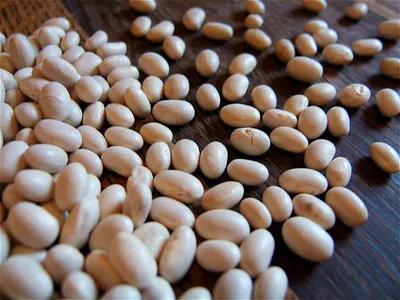
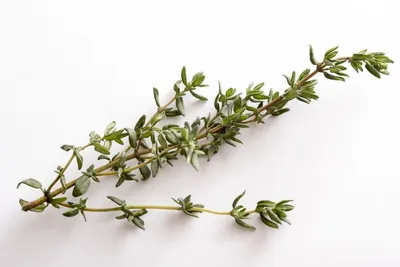
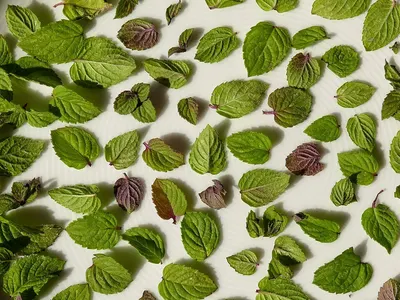
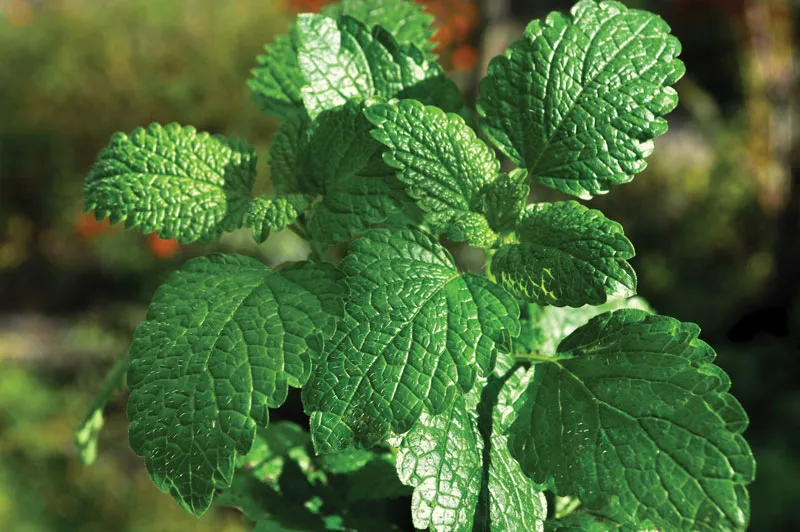
Kyrgyzstan‑based Agricultural Cooperative Issyk Kul Organic lists five active products in its catalogue. The portfolio consists of organic dried valerian roots, dried calendula (marigold) flowers, dried peppermint leaves, organic white kidney beans and dried thyme herbs. Each item is presented as an organic‑certified raw material suitable for food, beverage or cosmetic processing. The cooperative focuses on agricultural outputs rather than processed goods, and all items are harvested from the Issyk‑Kul region’s high‑altitude farms. The catalogue does not include HS‑code details, so trade classifications must be confirmed with the supplier.
The cooperative’s product set reflects common organic herb and legume categories exported from Central Asia. Buyers typically encounter these herbs in bulk bags ranging from 25 kg to 1 ton, while white kidney beans are often packed in 20 kg polypropylene sacks. Organic status in Kyrgyzstan follows national organic regulations that align with EU organic standards, requiring documented farm‑level traceability. No specific certifications are listed for the cooperative, so purchasers should request organic certificates, pesticide residue reports and any relevant phytosanitary certificates before shipment. The supplier’s trust tier is listed as “harbor,” indicating a moderate level of verification in the platform’s risk model.
Product Range and Specialties of Agricultural Cooperative Issyk Kul Organic
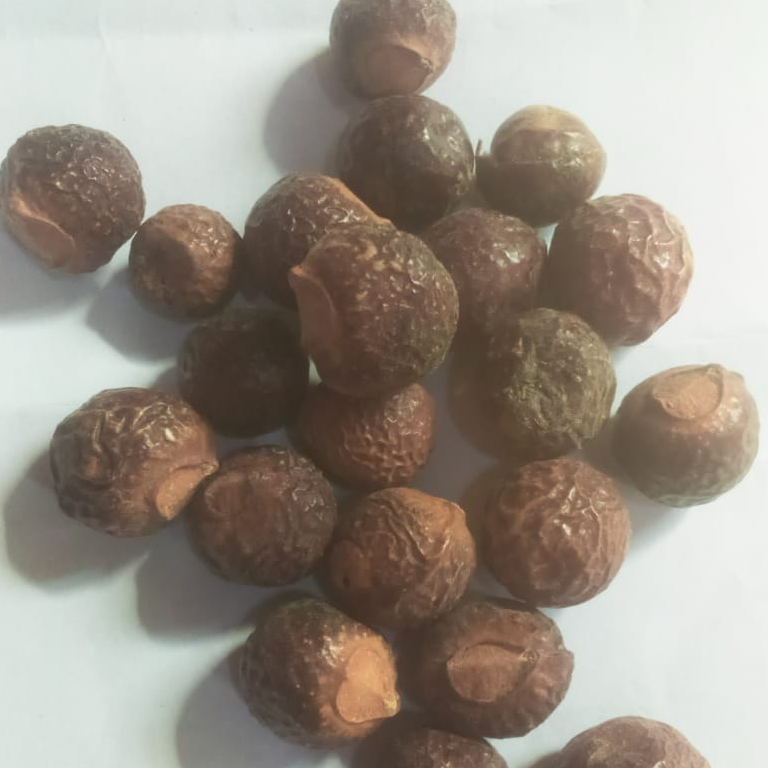
The listed catalogue covers five distinct organic products: valerian roots, calendula flowers, peppermint leaves, thyme herbs and white kidney beans. All five are supplied as dried raw materials, a format that preserves essential oils in herbs and maintains bean moisture below 12 % for safe bulk transport. In the broader market, organic dried herbs are graded by moisture content (typically 8‑12 %), colour, and absence of foreign matter, while organic beans are assessed for size uniformity, split‑percentage and protein content (often 20‑24 % for white kidney beans). Buyers often request specifications such as ICUMSA colour for beans or European Pharmacopoeia limits for microbial load in herbs.
Industry practice for these categories includes compliance with standards such as ISO 22000 for food safety management, and organic certifications recognized by the EU (EU‑organic) or USDA (USDA‑organic). Typical packaging options include multi‑wall paper bags with inner polyethylene liners for herbs and bulk polypropylene sacks for beans. The cooperative’s product list aligns with these common formats, allowing integration into standard processing lines for teas, extracts, spice blends or canned bean products.
Trade and Export Information - Agricultural Cooperative Issyk Kul Organic
Kyrgyzstan exports organic herbs and legumes primarily to European Union markets, Russia, Turkey and the Middle East, where demand for certified organic ingredients is growing. Export logistics usually involve containerised shipments from Bishkek or Osh airports, with 20‑foot containers holding approximately 10‑12 tons of dried herbs and 20‑ton loads of beans, depending on packaging density. Standard Incoterms such as FOB or CIF are applied, and buyers often require phytosanitary certificates, origin declarations and proof of organic compliance before customs clearance.
Regulatory expectations for organic dried herbs include limits on pesticide residues (EU maximum residue levels) and microbial criteria (e.g., <10 CFU/g coliforms). For beans, importers frequently check for aflatoxin levels below 2 µg/kg and moisture content under 13 %. While the cooperative does not list specific certifications, reputable importers typically request a copy of the national organic certificate, a recent laboratory analysis report, and compliance with any destination‑specific food safety standards. Packaging must meet ISPM 15 wood packaging regulations for any pallets used in the shipment.
Sourcing from Agricultural Cooperative Issyk Kul Organic - Buyer Guidance
When sourcing from this cooperative, buyers should request a current organic certification copy, a recent batch analysis covering moisture, microbial load and pesticide residues, and a phytosanitary certificate for the intended market. Verifying the supplier’s traceability records for each herb batch helps ensure compliance with EU organic import rules and can reduce the risk of border rejections.
Buyers should also confirm packaging details - for example, whether herbs will be supplied in 25 kg jute bags with inner liners or in bulk bulk bags - and agree on the labeling requirements for country of origin and organic status. Clarifying the minimum order quantity, typical lead times (often 30‑45 days from order confirmation) and the preferred Incoterm before contract finalisation will streamline the logistics chain.
Frequently Asked Questions About Agricultural Cooperative Issyk Kul Organic
What organic dried herbs does Agricultural Cooperative Issyk Kul Organic offer?
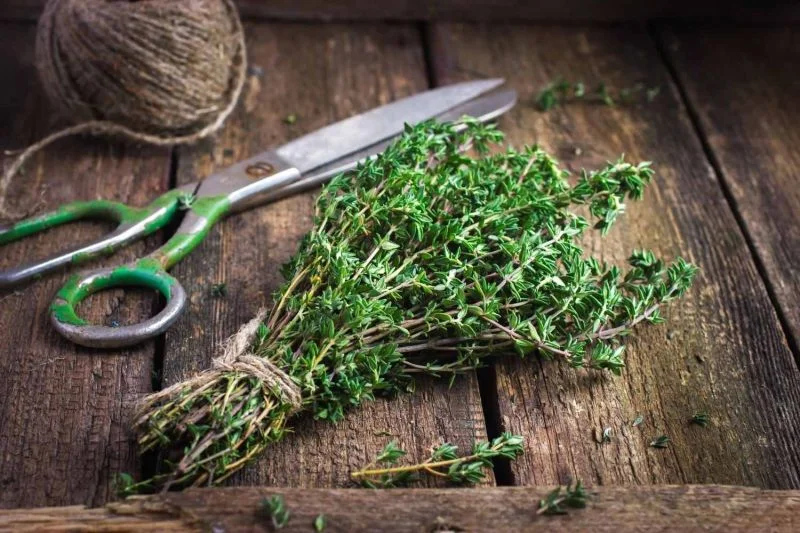
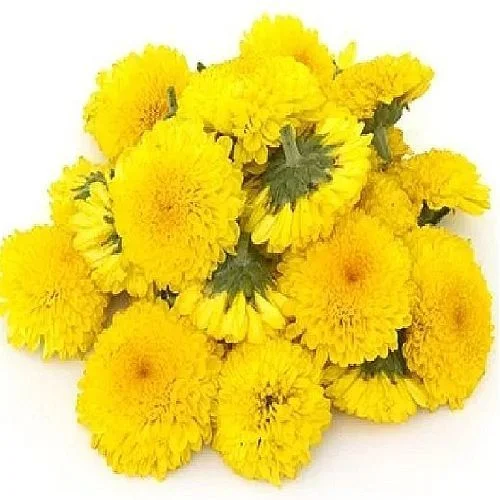
The cooperative lists four organic dried herbs: valerian roots, calendula (marigold) flowers, peppermint leaves and thyme herbs, each supplied as bulk dried material.
Does the cooperative provide organic certification for its products?
No certification is listed in the facts; buyers should request the supplier’s national organic certificate and any third‑party organic audit reports before purchasing.
What packaging formats are used for the white kidney beans?
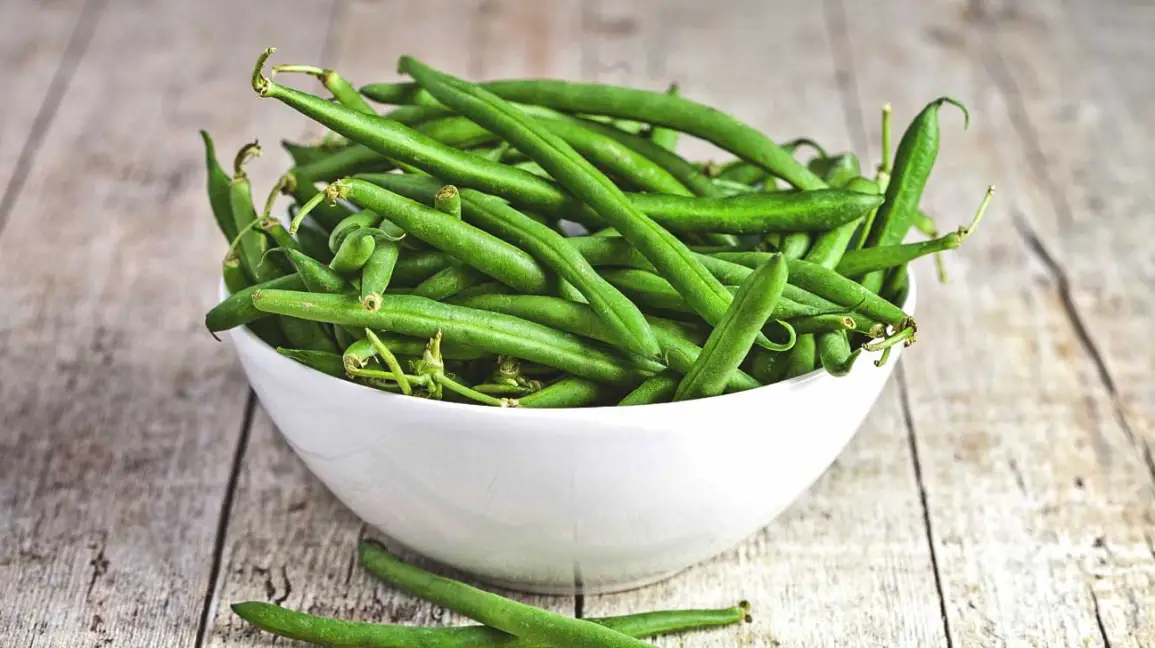
White kidney beans are typically packed in 20 kg polypropylene sacks, suitable for bulk handling and compliant with most importers’ packaging standards.
Which quality tests are standard for the dried herbs?
Standard tests include moisture content (8‑12 %), microbial limits (e.g., total plate count <10 ⁴ CFU/g), and pesticide residue analysis according to EU maximum residue levels.
What are the typical lead times and minimum order quantities?
Lead times are usually 30‑45 days from order confirmation, and minimum order quantities range from 500 kg to 1 ton per herb, depending on packaging size.
What documentation should a buyer request before shipment?
Buyers should obtain a phytosanitary certificate, a laboratory analysis report for each batch, the organic certification copy and an invoice indicating HS‑chapter classification for customs.
Which markets commonly import these Kyrgyz organic products?
Key import markets include the European Union, Russia, Turkey and Middle Eastern countries that prioritize certified organic ingredients for food, beverage and cosmetics.
Are there any specific export regulations for Kyrgyzstan’s organic herbs?
Exports must comply with ISPM 15 wood‑packaging rules, provide a valid phytosanitary certificate and meet the destination country’s organic import standards, such as EU organic regulation (EU Reg 834/2007).




 , Kyrgyzstan