Agri Gold Incorporation — Supplier
About Agri Gold Incorporation - Food Raw Material Supplier in India
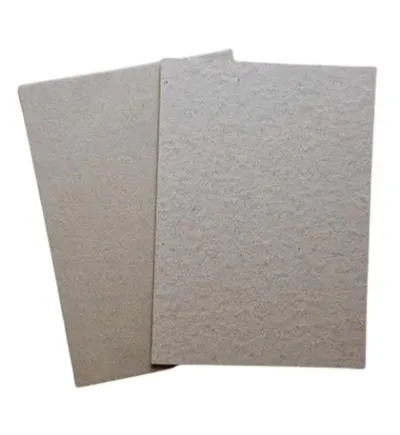
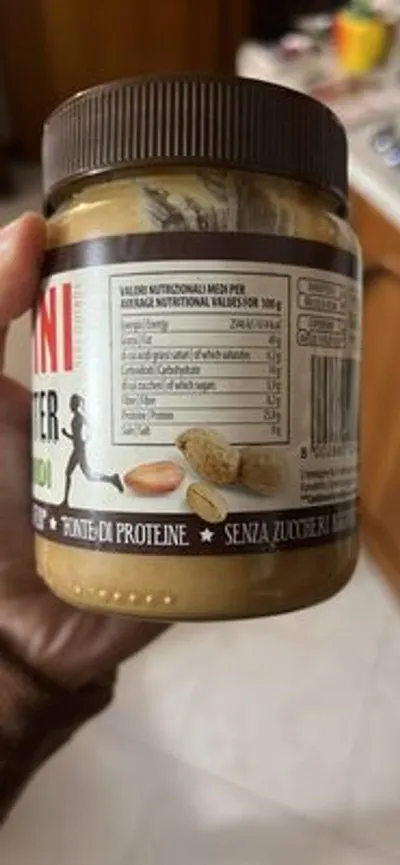
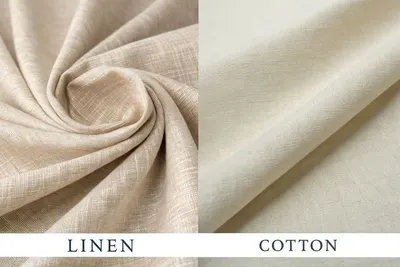
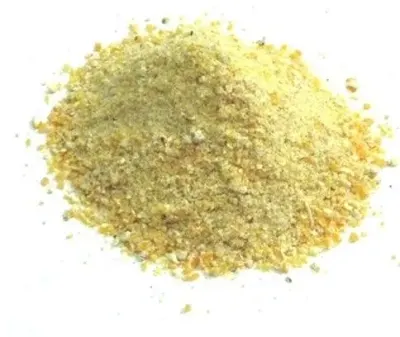
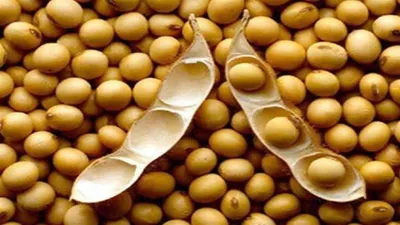
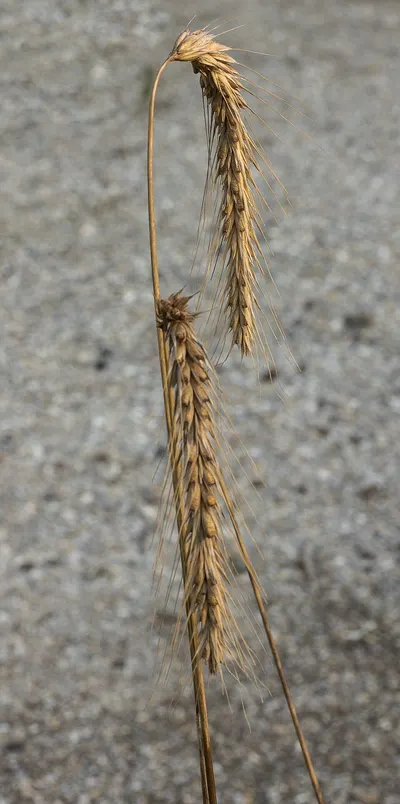
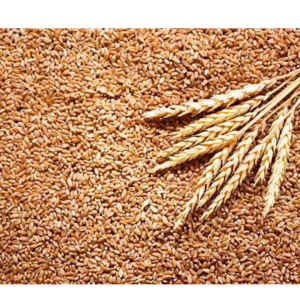
India is the origin of Agri Gold Incorporation, which currently lists ten distinct agricultural products in its catalogue. The portfolio includes two major cereals, wheat and barley, as well as oilseed and protein derivatives such as soy protein concentrate and rapeseed meal. It also supplies a range of cotton‑related materials, including raw cotton, cotton seed meal, cotton linter, cotton linter pulp sheet, and cotton comber noil. In addition, the catalogue features peanut oil as a vegetable oil product. Each item is classified under the relevant HS code chapters for cereals, oilseeds, and cotton products, reflecting the standard customs tariff structure.
Product Range and Specialties of Agri Gold Incorporation
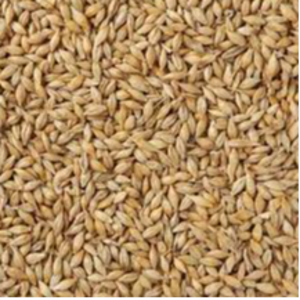
The catalogue covers cereals (wheat, barley), oilseed meals (soy protein concentrate, rapeseed meal), cotton by‑products (raw cotton, cotton seed meal, cotton linter, cotton linter pulp sheet, cotton comber noil) and peanut oil. In global trade wheat is commonly graded by protein content (10‑14 % for feed, 12‑14 % for milling) and moisture below 14 %, while barley may be supplied as feed barley (protein 8‑11 %) or malting barley (protein 11‑13 %). Soy protein concentrate usually carries a protein level of 65‑70 % and moisture under 7 %, and rapeseed meal is typically 35‑38 % protein with oil residuals below 2 %. Cotton linter purity is generally above 95 % with low ash, and cotton seed meal contains 20‑22 % protein. Peanut oil is evaluated by free fatty acid content below 0.1 % and an iodine value around 100‑110. Common packaging includes 25 kg polypropylene bags for cereals and meals, bulk 20‑ft containers for oil, and jute or woven bags for cotton commodities.
Trade and Export Information - Agri Gold Incorporation
India is a major exporter of cereals, oilseed meals and cotton products, supplying markets in the Middle East, Africa, Southeast Asia and the European Union. HS chapter 10 covers wheat and barley, chapter 12 covers soy protein concentrate and rapeseed meal, and chapter 52 covers raw cotton, cotton seed meal, cotton linter and related by‑products. Importers usually require a phytosanitary certificate, a certificate of origin and, for food‑grade items, compliance with ISO 22000 or HACCP standards as well as any destination‑specific residue limits. Logistics typically involve FOB loading at Indian ports such as Mumbai or Chennai, with buyers often selecting CIF terms for delivered containers. Bulk shipments are packed in 20‑ft or 40‑ft containers for oil and in bulk bags or palletized bags for solid commodities.
Sourcing from Agri Gold Incorporation - Buyer Guidance
Buyers should request a Certificate of Analysis that lists moisture, protein, ash, oil content and any pesticide or mycotoxin residues for each product. For cotton linter and cotton seed meal, a purity test and ash content are standard verification points. Samples are commonly supplied in 1 kg or 5 kg quantities, and buyers are advised to confirm the HS code used on the commercial invoice matches the product description to avoid customs delays. Verifying that the supplier can provide the required phytosanitary certificate and, where applicable, an ISO 22000 or HACCP audit report will help ensure compliance with importing country regulations.
Frequently Asked Questions About Agri Gold Incorporation
What product categories are listed by Agri Gold Incorporation?
The supplier lists wheat, barley, soy protein concentrate, rapeseed meal, raw cotton, cotton seed meal, cotton linter, cotton linter pulp sheet, cotton comber noil and peanut oil.
How many distinct products does the catalogue contain?
The catalogue contains ten distinct products, as indicated by the active product count.
Which HS code chapters are typically applicable to the listed products?
Wheat and barley fall under HS chapter 10, soy protein concentrate and rapeseed meal under chapter 12, peanut oil under chapter 15, and all cotton‑related items under chapter 52.
What quality specifications should a buyer verify for wheat and barley?
Buyers usually check protein content (10‑14 % for wheat, 8‑13 % for barley), moisture below 14 %, and absence of foreign matter.
What documents are commonly required for importing cotton linter?
A phytosanitary certificate, a certificate of origin and a purity test report are standard requirements for cotton linter shipments.
What sample size is typical for testing soy protein concentrate?
Suppliers often provide 1 kg to 5 kg samples, which allow laboratories to assess protein level (65‑70 %), moisture (under 7 %) and any residue limits.
Which certifications are typically requested for peanut oil imports?
Importers generally request an ISO 22000 or HACCP compliance statement, a Certificate of Analysis showing free fatty acid content below 0.1 % and an iodine value, and a phytosanitary certificate.
What are the usual packaging formats for the listed commodities?
Cereals and meals are commonly packed in 25 kg polypropylene bags, cotton by‑products in jute or woven bags, and peanut oil in bulk drums or 20‑ft containers for liquid shipment.




 , India