Adinath Agro Industries — Verified Supplier
About Adinath Agro Industries - Herbal Extracts Supplier in India
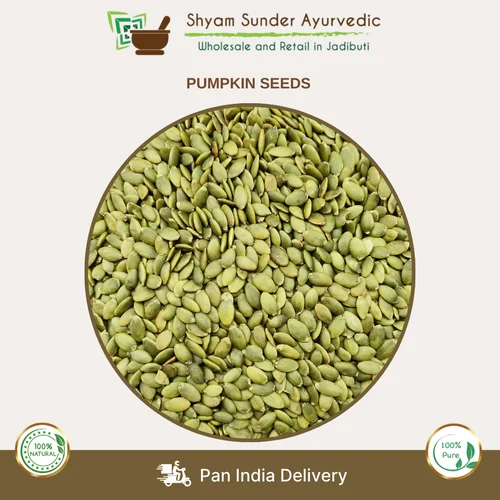
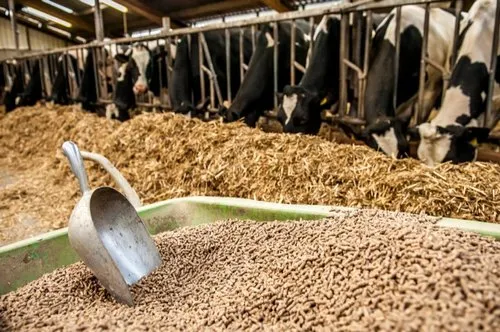
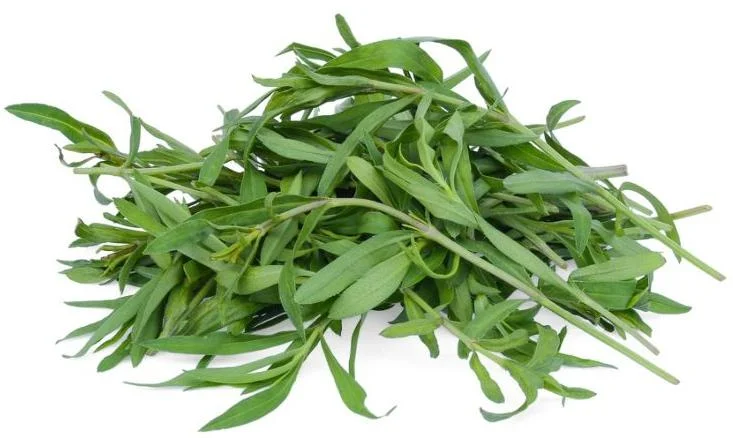
Adinath Agro Industries operates from India and lists 21 active products across seeds, herbs and related agricultural commodities. The catalogue includes a variety of oil seeds such as yellow and black mustard, chia, flax, sesame, safflower, black sunflower and pumpkin seeds, as well as specialty grains like quinoa, black wheat and red quinoa. Herbal items feature Ashwagandha roots, dry Amla, neem leaves and micro basil, while additional offerings cover fenugreek seed (including cattle‑feed grade), Kalonji (Nigella sativa) and garden cress. Each product is identified by its common trade name without additional HS‑code details in the supplied data.
The supplier groups its items under broader categories such as Herbal Extracts, Oil Seeds, Quinoa Seeds and Fenugreek Seeds, reflecting the agricultural diversity of Indian production. The active product count of 21 indicates a focused but varied portfolio that can serve bulk buyers looking for seed and herb raw materials. No explicit certifications are listed, so buyers should verify compliance with typical industry standards during procurement.
Product Range and Specialties of Adinath Agro Industries
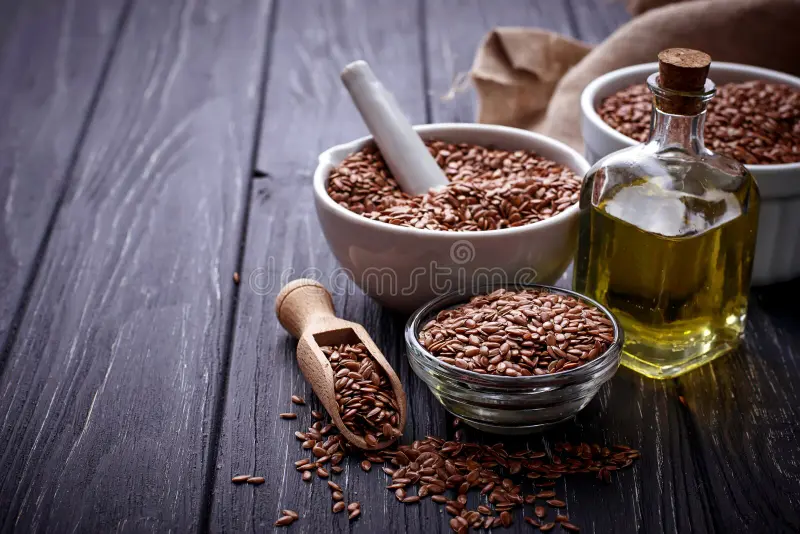
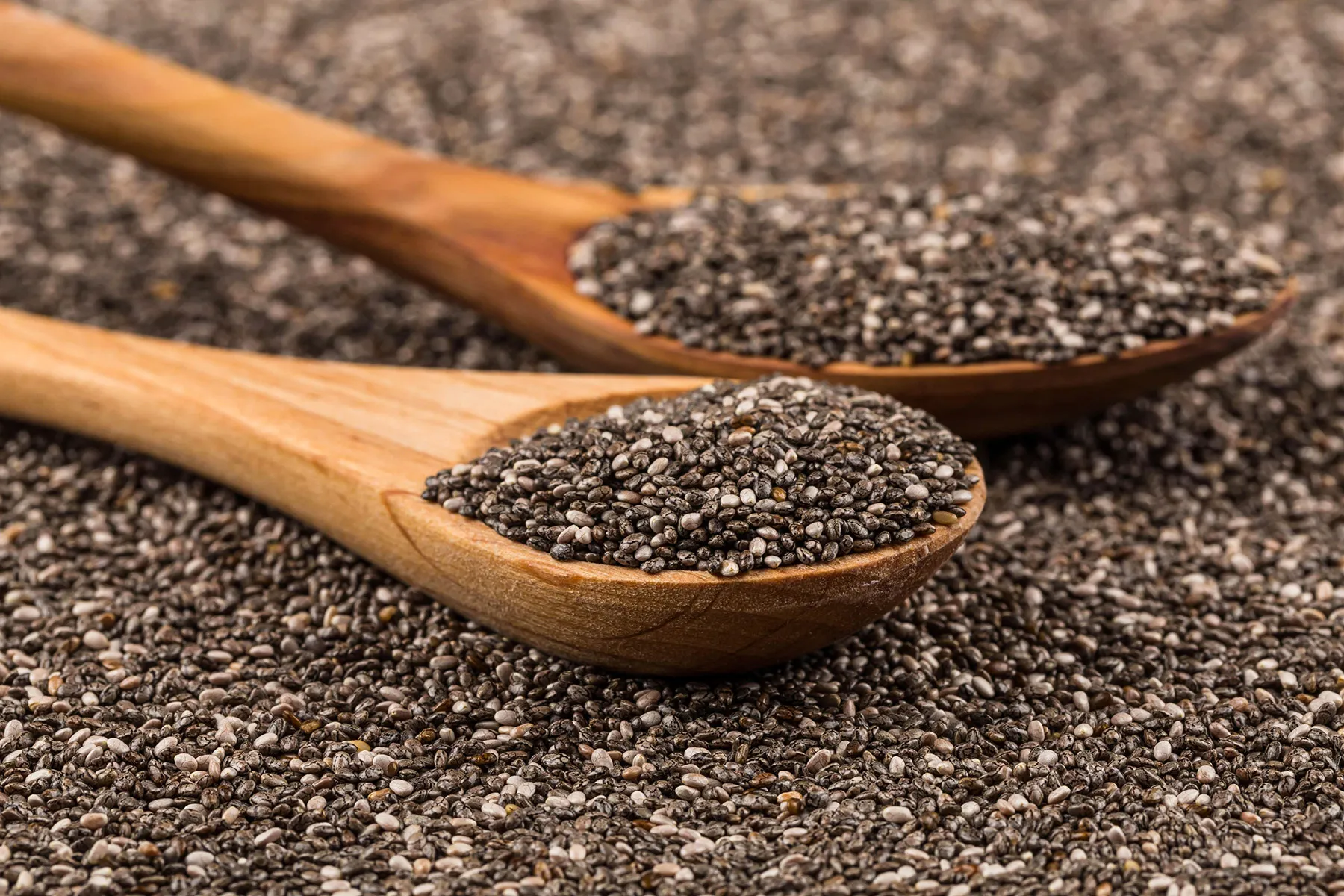
The catalogue lists seeds commonly traded in bulk, including chia (Salvia hispanica), quinoa (Chenopodium quinoa), fenugreek (Trigonella foenum‑graecum), mustard (Sinapis alba and Brassica nigra), flax (Linum usitatissimum), sesame (Sesamum indicum), safflower (Carthamus tinctorius), black sunflower and pumpkin seeds. In the seed market, buyers often request specifications such as moisture content below 8 %, oil content percentages (e.g., chia 30‑35 % oil, flax 40‑45 % oil) and germination rates above 85 %. Herbal extracts like Ashwagandha roots and neem leaves are typically evaluated for active constituent levels, for example withanolide content in Ashwagandha above 1.5 % and azadirachtin in neem leaves above 0.5 %.
Industry standards for these commodities include compliance with the Codex Alimentarius limits for pesticide residues and mycotoxin thresholds (e.g., aflatoxin B1 < 5 µg/kg for nuts and seeds). Seed grades are often classified by size and purity, such as ‘Grade A’ for ≥ 97 % pure seed. For herbs, ISO 17025‑accredited labs provide assay reports that confirm active compound concentrations.
Trade and Export Information - Adinath Agro Industries
India is a major exporter of oil seeds and specialty grains, with shipments typically destined for the European Union, United States, Middle East and Southeast Asian markets. The HS chapter 12 (Oil seeds and oleaginous fruits) and chapter 07 (Edible vegetables and certain roots and tubers) are the usual tariff classifications for the listed products, although specific HS codes were not supplied. Buyers frequently require phytosanitary certificates, origin certificates and, where applicable, organic certifications such as USDA Organic or EU Organic, especially for food‑grade seeds.
Logistics for bulk seeds often involve 20‑ft or 40‑ft containers with hermetic liner bags of 25 kg or bulk bags of 1 ton, moisture‑controlled packaging and nitrogen flushing to extend shelf life. Export documentation commonly includes a commercial invoice, packing list, certificate of analysis and compliance with the importing country's maximum residue limits (MRLs). Indian exporters must adhere to the Agricultural and Processed Food Products Export Development Authority (APEDA) guidelines for quality and traceability.
Sourcing from Adinath Agro Industries - Buyer Guidance
When sourcing from Adinath Agro Industries, buyers should request a recent Certificate of Analysis for each seed or herb, specifying moisture, oil content, purity and any pesticide residue findings. For herbal extracts, an assay report confirming active constituent levels (e.g., withanolides for Ashwagandha, azadirachtin for neem) is essential. It is advisable to obtain a phytosanitary certificate and, if required by the destination market, an organic certification or non‑GMO statement.
Buyers should also verify packaging details such as bag material, liner type and moisture barrier performance, and confirm that the supplier can meet standard incoterms like FOB or CIF. Requesting a sample batch for laboratory testing before confirming a larger order helps validate compliance with the typical specifications outlined above.
Frequently Asked Questions About Adinath Agro Industries
What seed varieties does Adinath Agro Industries offer?
The supplier lists chia, quinoa (red and standard), yellow and black mustard, flax, sesame, safflower, black sunflower, pumpkin, fenugreek, black wheat and garden cress seeds among its 21 active products.
Are certifications such as organic or ISO available?
No specific certifications are mentioned in the provided data; buyers should ask the supplier to provide any organic, ISO 9001 or APEDA certifications that may apply to the seed batches.
What documentation is required for import clearance?
Typical documents include a commercial invoice, packing list, phytosanitary certificate, certificate of origin and a Certificate of Analysis showing moisture, oil content and residue limits.
Which quality parameters are standard for the listed seeds?
Buyers usually check moisture content (≤ 8 %), oil content (e.g., chia 30‑35 %, flax 40‑45 %), purity (≥ 97 %), germination rate (≥ 85 %) and compliance with pesticide MRLs.
What are the common packaging formats for these products?
Seeds are commonly packed in 25 kg polypropylene bags with inner liners, bulk bags of 1 ton, or 20‑ft/40‑ft containers with moisture‑resistant liners for bulk shipments.
What lead times and minimum order quantities can be expected?
Lead times for Indian seed exporters typically range from 30 to 45 days after order confirmation, with MOQ varying by product but often starting at 500 kg for bulk seeds.
How can I request a sample for testing?
Buyers should contact the supplier directly to arrange a small sample shipment, specifying the required analysis (e.g., moisture, oil content, active compounds) and the preferred testing laboratory.
Which regions import these Indian seed products most frequently?
The European Union, United States, Middle East and Southeast Asian countries are the main import destinations for Indian oil seeds and specialty grains.




 , India