Acceso Remoto Del Este — Supplier

About Acceso Remoto Del Este - Tropical Hardwood Log Supplier in Costa Rica

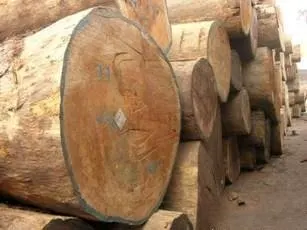
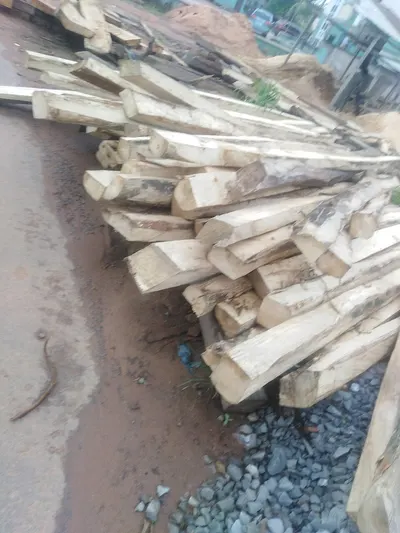
Acceso Remoto Del Este is a Costa Rica-based supplier operating with 7 active product listings concentrated in two related categories: Wood Logs and Other Type Of Woods. The catalogue covers a tropical hardwood mix that includes Cedar (Cypress) Logs, Gmelina Logs, Cedar Logs, Cypress Logs, Teak Logs And Rough Sawn, and Balsa Wood, together with a processed Cypress item offered as Rough, clean, or kiln-dried planks. Costa Rica sits within the Central American isthmus, a region historically associated with tropical timber extraction, and the supplier's listings reflect species that are native to, or widely cultivated in, the country's Caribbean and Pacific lowland forestry zones. The product mix combines round-log forms (Cedar, Cypress, Gmelina, Teak) with at least one semi-processed wood item (Cypress planks in rough, clean, or kiln-dried condition), giving buyers a range that spans raw material for further sawmilling and material closer to a workable lumber stage. Teak and tropical cedar-type species are typically traded for outdoor, marine, and furniture applications, while Gmelina and Balsa are commonly used in light construction, packaging, model-making, and composite core production. The combination of log and plank offerings indicates the supplier handles both standing-timber and partially converted wood products rather than exclusively roundwood.

Product Range and Specialties of Acceso Remoto Del Este

The 7-item catalogue breaks down into six log-type products and one processed plank product. The log side includes Cedar (Cypress) Logs, Gmelina Logs, Cedar Logs, Cypress Logs, and Teak Logs And Rough Sawn, while the processed side is represented by Cypress Rough/clean/kiln Dried Planks. Balsa Wood rounds out the range as a low-density specialty timber. Tropical hardwood logs in international trade are typically graded by diameter class (commonly small end diameter bands such as 20-29 cm, 30-39 cm, 40-49 cm, 50-59 cm, and 60 cm+), by length (usually 2.5 m to 6 m or longer for export), by defect/sapwood allowance, and by species or species group. Teak logs are additionally graded against Tectona grandis specifications, with buyers often specifying heartwood percentage, ring density, and straightness. For the plank line, kiln-dried Cypress material is normally traded against a target moisture content of roughly 8-12% for interior use and 12-18% for exterior or structural use, with thickness options commonly seen at 25 mm, 32 mm, 38 mm, 50 mm, and 75 mm, and widths from 100 mm upward. Rough-sawn versus surfaced-four-sides (S4S) is a standard distinction buyers should clarify. Balsa wood in international commerce is typically referenced by density grade (lightweight blocks around 100-160 kg/m³, with structural grades up to 250 kg/m³) and by grain orientation (A-grain, B-grain, C-grain, or end-grain), which determines end-use in aerospace, marine, and model applications. Across all of these species, HS code 4403 covers wood in the rough (logs), HS code 4407 covers sawn or chipped lengthwise wood, and HS code 4408 covers veneer sheets and sheets for plywood.

Trade and Export Information - Acceso Remoto Del Este

Tropical hardwood logs and rough-sawn timber from Central American origins, including Costa Rica, are typically shipped to three principal buyer regions: East Asia (notably China, India, and Vietnam) for further processing and re-export, the Middle East for construction-grade timber, and Western Europe plus North America for higher-grade teak, cedar, and specialty hardwood applications. The relevant HS code families for this catalogue are HS 4403 (Wood in the rough, including poles, piles, and logs), HS 4407 (Wood sawn or chipped lengthwise, sliced or peeled, whether or not planed, sanded or end-jointed), and HS 4408 (Sheets for veneering and sheets for plywood). Buyers importing these goods typically require, at minimum, a phytosanitary certificate (ISPM 15 compliance for any wooden dunnage or packaging), a commercial invoice, a packing list, and a certificate of origin. For tropical timber specifically, buyers and importing-country customs authorities commonly require documentation under CITES (the Convention on International Trade in Endangered Species) where applicable, and verification against national legality frameworks such as the European Union Timber Regulation (EUTR), the U.S. Lacey Act, or the UK Timber Regulation. Forest Stewardship Council (FSC) chain-of-custody certification is frequently requested by European and North American buyers, although Programme for the Endorsement of Forest Certification (PEFC) is also accepted. Costa Rica's timber export sector is subject to the country's Forest Law (Ley Forestal No. 7575) and oversight by the Sistema Nacional de Áreas de Conservación (SINAC), which administers harvesting permits and export authorisations. Standard export packaging for logs includes bundle strapping with steel or polyester bands and protective end coatings; planks are typically bundled in plastic-wrapped units. Shipping is predominantly by 40 ft high-cube containers for planks and by break-bulk or flat-rack for longer logs, with common Incoterms being FOB, CFR, and CIF for this category.

Sourcing from Acceso Remoto Del Este - Buyer Guidance

Buyers sourcing tropical logs and rough-sawn timber should request species verification (including scientific/Latin name, not just trade name), country of harvest, and the relevant harvesting or export permit number before issuing a purchase order. For the Cedar/Cypress and Teak lines, ask for a moisture-content reading on planks (kiln-dried lots should test below the agreed threshold, typically 12% for interior use) and a clear statement of whether material is rough-sawn, planed, or S4S. For Teak specifically, request heartwood percentage, grade (often referenced against Myanmar/Thailand teak grading or FEQ - First European Quality - conventions), and any FSC or equivalent chain-of-custody documentation if the buyer's downstream market requires it. It is standard practice in this category to request representative photos of the actual lot, including end-grain and a length tape in frame, before confirming a container. Buyers should also confirm the phytosanitary treatment status of any wood packaging (ISPM 15 marking on pallets and dunnage) and clarify Incoterms, container loading point, and whether the seller handles export clearance from Costa Rica. Given the supplier's harbor trust tier, third-party inspection (for example, SGS, Bureau Veritas, or equivalent) prior to container stuffing is advisable for first-time orders. Lead times for log shipments from Central America typically run 3-6 weeks from order confirmation depending on species and whether material is already felled, and minimum order quantities are usually expressed in cubic metres (m³) or container loads rather than piece counts.

Frequently Asked Questions About Acceso Remoto Del Este

What species does Acceso Remoto Del Este currently list?

The catalogue covers seven items across tropical hardwoods: Cedar (Cypress) Logs, Gmelina Logs, Cedar Logs, Cypress Logs, Teak Logs And Rough Sawn, Balsa Wood, and Cypress planks offered rough, clean, or kiln-dried. Buyers should request the scientific/Latin name for each species before confirming volume.

Which HS codes apply to these wood products?

Round logs generally fall under HS 4403 (wood in the rough). Sawn or chipped lengthwise wood, including the Cypress planks, falls under HS 4407. Veneer and plywood sheets fall under HS 4408. The exact subheading depends on species, so confirm the 6-digit code with customs counsel for the specific shipment.

What certifications should I request when importing tropical timber from Costa Rica?

At minimum, request a phytosanitary certificate, certificate of origin, and a valid Costa Rican export permit. For European buyers, ask for FSC or PEFC chain-of-custody documentation and EUTR due-diligence information; for the U.S. market, ensure Lacey Act compliance. CITES permits are required only if a listed species is involved.

How are tropical logs typically graded?

Logs are usually graded by small-end diameter (commonly 20-29 cm up to 60 cm+ bands), length (2.5-6 m or longer for export), straightness, and defect allowance including sapwood percentage. Teak is often additionally graded by heartwood content and ring density, sometimes referenced as FEQ or against Myanmar/Thailand grading conventions.

What moisture content should I specify for the Cypress planks?

For interior applications, specify kiln-dried to 8-12% moisture content; for exterior or structural use, 12-18% is typical. Request a moisture-meter reading report from recent boards in the lot, and confirm whether the planks are rough-sawn, planed, or surfaced-four-sides (S4S).

What is the typical packaging and shipping method for these products?

Logs are usually strapped in bundles with steel or polyester banding and may be shipped break-bulk or on flat-rack containers for longer lengths. Planks are typically bundled, plastic-wrapped, and loaded into 40 ft high-cube containers. All wooden packaging must carry ISPM 15 marking for many import markets.

What documents are needed to clear customs on a Costa Rican timber shipment?

Standard documents include the commercial invoice, packing list, bill of lading or airway bill, phytosanitary certificate, certificate of origin, and the Costa Rican export permit. For restricted species, add the CITES export permit. Confirm the exact document set with your freight forwarder before the vessel sails.

What should I verify before placing a first order?

Confirm species (Latin name), harvest location, current photos of the actual lot including end-grain, moisture content for any dried material, Incoterm, and whether the seller arranges export clearance from Costa Rica. A pre-shipment third-party inspection by SGS, Bureau Veritas, or an equivalent body is advisable for initial transactions.


Featured Products from this Supplier

Other Suppliers in Primary Category

Related Products

Trending in Parent Category

More Suppliers in Category

Related Products

Other Suppliers

EximNext
7.2K+ live requirements
Register Free🎁 Reach global buyers
Post Requirement
🌍 Trusted by 225K+ businesses in 200+ countries|
7.2K+ active requirements right now
✉️ [email protected]
|
Sell on EximNextPost Requirement
EximNext
AgricultureApparelConstructionElectronicFoodHomeIndustrialMineralsMiscellaneous
🔥 Deals|✨ AI Match|🏭 Suppliers|📋 Buy Leads|💰 Trade Finance
7.2K+ live RFQs·194.8K+ suppliers
🎁 Reach global buyers →
EximNext
EximNext
Register Free
🎁 Reach global buyers
Sign In
📋Post Requirement💬Get Quotes✨AI Match📋RFQ Marketplace
All Categories
Services & Tools
🏭Supplier Directory🔥Today's Deals💰Trade Finance
Sell on EximNext →
AboutContactBlogHelp
Agriculture & Food  ·  Costa Rica
7
products listed

Acceso Remoto Del Este

⚓ Harbor
Country flag , Costa RicaNew supplier / no reviews yet
🛡️
54/100
Trust Score

Acceso Remoto Del Este Product Catalog

Showing 7 of 7 products
View all products →
Cedar (Cypress) Logs
⚓ Harbor
Cedar (Cypress) Logs
Contact
MOQ: 1 Unit
Gmelina Logs
⚓ Harbor
Gmelina Logs
Contact
MOQ: 1 Unit
Cedar Logs
⚓ Harbor
Cedar Logs
Contact
MOQ: 1 Unit
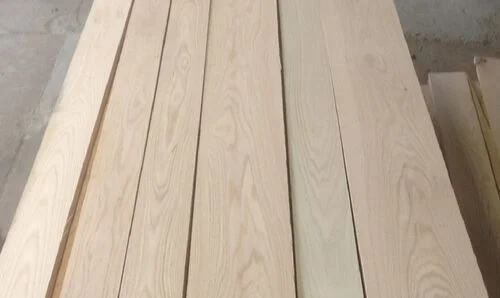
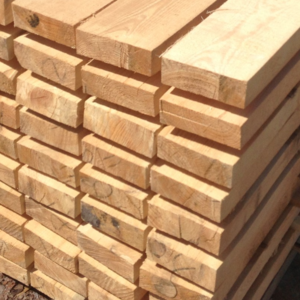
Cypress Rough/clean/kiln Dried Planks
⚓ Harbor
Cypress Rough/clean/kiln Dried Planks
Contact
MOQ: 1 Unit
Cypress Logs
⚓ Harbor
Cypress Logs
Contact
MOQ: 1 Unit
Teak Logs And Rough Sawn
⚓ Harbor
Teak Logs And Rough Sawn
Contact
MOQ: 1 Unit
Balsa Wood
⚓ Harbor
Balsa Wood
Contact
MOQ: 1 Unit

About Acceso Remoto Del Este - Tropical Hardwood Log Supplier in Costa Rica

Acceso Remoto Del Este is a Costa Rica-based supplier operating with 7 active product listings concentrated in two related categories: Wood Logs and Other Type Of Woods. The catalogue covers a tropical hardwood mix that includes Cedar (Cypress) Logs, Gmelina Logs, Cedar Logs, Cypress Logs, Teak Logs And Rough Sawn, and Balsa Wood, together with a processed Cypress item offered as Rough, clean, or kiln-dried planks. Costa Rica sits within the Central American isthmus, a region historically associated with tropical timber extraction, and the supplier's listings reflect species that are native to, or widely cultivated in, the country's Caribbean and Pacific lowland forestry zones. The product mix combines round-log forms (Cedar, Cypress, Gmelina, Teak) with at least one semi-processed wood item (Cypress planks in rough, clean, or kiln-dried condition), giving buyers a range that spans raw material for further sawmilling and material closer to a workable lumber stage. Teak and tropical cedar-type species are typically traded for outdoor, marine, and furniture applications, while Gmelina and Balsa are commonly used in light construction, packaging, model-making, and composite core production. The combination of log and plank offerings indicates the supplier handles both standing-timber and partially converted wood products rather than exclusively roundwood.

Product Range and Specialties of Acceso Remoto Del Este

The 7-item catalogue breaks down into six log-type products and one processed plank product. The log side includes Cedar (Cypress) Logs, Gmelina Logs, Cedar Logs, Cypress Logs, and Teak Logs And Rough Sawn, while the processed side is represented by Cypress Rough/clean/kiln Dried Planks. Balsa Wood rounds out the range as a low-density specialty timber. Tropical hardwood logs in international trade are typically graded by diameter class (commonly small end diameter bands such as 20-29 cm, 30-39 cm, 40-49 cm, 50-59 cm, and 60 cm+), by length (usually 2.5 m to 6 m or longer for export), by defect/sapwood allowance, and by species or species group. Teak logs are additionally graded against Tectona grandis specifications, with buyers often specifying heartwood percentage, ring density, and straightness. For the plank line, kiln-dried Cypress material is normally traded against a target moisture content of roughly 8-12% for interior use and 12-18% for exterior or structural use, with thickness options commonly seen at 25 mm, 32 mm, 38 mm, 50 mm, and 75 mm, and widths from 100 mm upward. Rough-sawn versus surfaced-four-sides (S4S) is a standard distinction buyers should clarify. Balsa wood in international commerce is typically referenced by density grade (lightweight blocks around 100-160 kg/m³, with structural grades up to 250 kg/m³) and by grain orientation (A-grain, B-grain, C-grain, or end-grain), which determines end-use in aerospace, marine, and model applications. Across all of these species, HS code 4403 covers wood in the rough (logs), HS code 4407 covers sawn or chipped lengthwise wood, and HS code 4408 covers veneer sheets and sheets for plywood.

Trade and Export Information - Acceso Remoto Del Este

Tropical hardwood logs and rough-sawn timber from Central American origins, including Costa Rica, are typically shipped to three principal buyer regions: East Asia (notably China, India, and Vietnam) for further processing and re-export, the Middle East for construction-grade timber, and Western Europe plus North America for higher-grade teak, cedar, and specialty hardwood applications. The relevant HS code families for this catalogue are HS 4403 (Wood in the rough, including poles, piles, and logs), HS 4407 (Wood sawn or chipped lengthwise, sliced or peeled, whether or not planed, sanded or end-jointed), and HS 4408 (Sheets for veneering and sheets for plywood). Buyers importing these goods typically require, at minimum, a phytosanitary certificate (ISPM 15 compliance for any wooden dunnage or packaging), a commercial invoice, a packing list, and a certificate of origin. For tropical timber specifically, buyers and importing-country customs authorities commonly require documentation under CITES (the Convention on International Trade in Endangered Species) where applicable, and verification against national legality frameworks such as the European Union Timber Regulation (EUTR), the U.S. Lacey Act, or the UK Timber Regulation. Forest Stewardship Council (FSC) chain-of-custody certification is frequently requested by European and North American buyers, although Programme for the Endorsement of Forest Certification (PEFC) is also accepted. Costa Rica's timber export sector is subject to the country's Forest Law (Ley Forestal No. 7575) and oversight by the Sistema Nacional de Áreas de Conservación (SINAC), which administers harvesting permits and export authorisations. Standard export packaging for logs includes bundle strapping with steel or polyester bands and protective end coatings; planks are typically bundled in plastic-wrapped units. Shipping is predominantly by 40 ft high-cube containers for planks and by break-bulk or flat-rack for longer logs, with common Incoterms being FOB, CFR, and CIF for this category.

Sourcing from Acceso Remoto Del Este - Buyer Guidance

Buyers sourcing tropical logs and rough-sawn timber should request species verification (including scientific/Latin name, not just trade name), country of harvest, and the relevant harvesting or export permit number before issuing a purchase order. For the Cedar/Cypress and Teak lines, ask for a moisture-content reading on planks (kiln-dried lots should test below the agreed threshold, typically 12% for interior use) and a clear statement of whether material is rough-sawn, planed, or S4S. For Teak specifically, request heartwood percentage, grade (often referenced against Myanmar/Thailand teak grading or FEQ - First European Quality - conventions), and any FSC or equivalent chain-of-custody documentation if the buyer's downstream market requires it. It is standard practice in this category to request representative photos of the actual lot, including end-grain and a length tape in frame, before confirming a container. Buyers should also confirm the phytosanitary treatment status of any wood packaging (ISPM 15 marking on pallets and dunnage) and clarify Incoterms, container loading point, and whether the seller handles export clearance from Costa Rica. Given the supplier's harbor trust tier, third-party inspection (for example, SGS, Bureau Veritas, or equivalent) prior to container stuffing is advisable for first-time orders. Lead times for log shipments from Central America typically run 3-6 weeks from order confirmation depending on species and whether material is already felled, and minimum order quantities are usually expressed in cubic metres (m³) or container loads rather than piece counts.

Frequently Asked Questions About Acceso Remoto Del Este

What species does Acceso Remoto Del Este currently list?

The catalogue covers seven items across tropical hardwoods: Cedar (Cypress) Logs, Gmelina Logs, Cedar Logs, Cypress Logs, Teak Logs And Rough Sawn, Balsa Wood, and Cypress planks offered rough, clean, or kiln-dried. Buyers should request the scientific/Latin name for each species before confirming volume.

Which HS codes apply to these wood products?

Round logs generally fall under HS 4403 (wood in the rough). Sawn or chipped lengthwise wood, including the Cypress planks, falls under HS 4407. Veneer and plywood sheets fall under HS 4408. The exact subheading depends on species, so confirm the 6-digit code with customs counsel for the specific shipment.

What certifications should I request when importing tropical timber from Costa Rica?

At minimum, request a phytosanitary certificate, certificate of origin, and a valid Costa Rican export permit. For European buyers, ask for FSC or PEFC chain-of-custody documentation and EUTR due-diligence information; for the U.S. market, ensure Lacey Act compliance. CITES permits are required only if a listed species is involved.

How are tropical logs typically graded?

Logs are usually graded by small-end diameter (commonly 20-29 cm up to 60 cm+ bands), length (2.5-6 m or longer for export), straightness, and defect allowance including sapwood percentage. Teak is often additionally graded by heartwood content and ring density, sometimes referenced as FEQ or against Myanmar/Thailand grading conventions.

What moisture content should I specify for the Cypress planks?

For interior applications, specify kiln-dried to 8-12% moisture content; for exterior or structural use, 12-18% is typical. Request a moisture-meter reading report from recent boards in the lot, and confirm whether the planks are rough-sawn, planed, or surfaced-four-sides (S4S).

What is the typical packaging and shipping method for these products?

Logs are usually strapped in bundles with steel or polyester banding and may be shipped break-bulk or on flat-rack containers for longer lengths. Planks are typically bundled, plastic-wrapped, and loaded into 40 ft high-cube containers. All wooden packaging must carry ISPM 15 marking for many import markets.

What documents are needed to clear customs on a Costa Rican timber shipment?

Standard documents include the commercial invoice, packing list, bill of lading or airway bill, phytosanitary certificate, certificate of origin, and the Costa Rican export permit. For restricted species, add the CITES export permit. Confirm the exact document set with your freight forwarder before the vessel sails.

What should I verify before placing a first order?

Confirm species (Latin name), harvest location, current photos of the actual lot including end-grain, moisture content for any dried material, Incoterm, and whether the seller arranges export clearance from Costa Rica. A pre-shipment third-party inspection by SGS, Bureau Veritas, or an equivalent body is advisable for initial transactions.

About Acceso Remoto Del Este - Tropical Hardwood Log Supplier in Costa Rica

Acceso Remoto Del Este is a Costa Rica-based supplier operating with 7 active product listings concentrated in two related categories: Wood Logs and Other Type Of Woods. The catalogue covers a tropical hardwood mix that includes Cedar (Cypress) Logs, Gmelina Logs, Cedar Logs, Cypress Logs, Teak Logs And Rough Sawn, and Balsa Wood, together with a processed Cypress item offered as Rough, clean, or kiln-dried planks. Costa Rica sits within the Central American isthmus, a region historically associated with tropical timber extraction, and the supplier's listings reflect species that are native to, or widely cultivated in, the country's Caribbean and Pacific lowland forestry zones. The product mix combines round-log forms (Cedar, Cypress, Gmelina, Teak) with at least one semi-processed wood item (Cypress planks in rough, clean, or kiln-dried condition), giving buyers a range that spans raw material for further sawmilling and material closer to a workable lumber stage. Teak and tropical cedar-type species are typically traded for outdoor, marine, and furniture applications, while Gmelina and Balsa are commonly used in light construction, packaging, model-making, and composite core production. The combination of log and plank offerings indicates the supplier handles both standing-timber and partially converted wood products rather than exclusively roundwood.

Product Range and Specialties of Acceso Remoto Del Este

The 7-item catalogue breaks down into six log-type products and one processed plank product. The log side includes Cedar (Cypress) Logs, Gmelina Logs, Cedar Logs, Cypress Logs, and Teak Logs And Rough Sawn, while the processed side is represented by Cypress Rough/clean/kiln Dried Planks. Balsa Wood rounds out the range as a low-density specialty timber. Tropical hardwood logs in international trade are typically graded by diameter class (commonly small end diameter bands such as 20-29 cm, 30-39 cm, 40-49 cm, 50-59 cm, and 60 cm+), by length (usually 2.5 m to 6 m or longer for export), by defect/sapwood allowance, and by species or species group. Teak logs are additionally graded against Tectona grandis specifications, with buyers often specifying heartwood percentage, ring density, and straightness. For the plank line, kiln-dried Cypress material is normally traded against a target moisture content of roughly 8-12% for interior use and 12-18% for exterior or structural use, with thickness options commonly seen at 25 mm, 32 mm, 38 mm, 50 mm, and 75 mm, and widths from 100 mm upward. Rough-sawn versus surfaced-four-sides (S4S) is a standard distinction buyers should clarify. Balsa wood in international commerce is typically referenced by density grade (lightweight blocks around 100-160 kg/m³, with structural grades up to 250 kg/m³) and by grain orientation (A-grain, B-grain, C-grain, or end-grain), which determines end-use in aerospace, marine, and model applications. Across all of these species, HS code 4403 covers wood in the rough (logs), HS code 4407 covers sawn or chipped lengthwise wood, and HS code 4408 covers veneer sheets and sheets for plywood.

Trade and Export Information - Acceso Remoto Del Este

Tropical hardwood logs and rough-sawn timber from Central American origins, including Costa Rica, are typically shipped to three principal buyer regions: East Asia (notably China, India, and Vietnam) for further processing and re-export, the Middle East for construction-grade timber, and Western Europe plus North America for higher-grade teak, cedar, and specialty hardwood applications. The relevant HS code families for this catalogue are HS 4403 (Wood in the rough, including poles, piles, and logs), HS 4407 (Wood sawn or chipped lengthwise, sliced or peeled, whether or not planed, sanded or end-jointed), and HS 4408 (Sheets for veneering and sheets for plywood). Buyers importing these goods typically require, at minimum, a phytosanitary certificate (ISPM 15 compliance for any wooden dunnage or packaging), a commercial invoice, a packing list, and a certificate of origin. For tropical timber specifically, buyers and importing-country customs authorities commonly require documentation under CITES (the Convention on International Trade in Endangered Species) where applicable, and verification against national legality frameworks such as the European Union Timber Regulation (EUTR), the U.S. Lacey Act, or the UK Timber Regulation. Forest Stewardship Council (FSC) chain-of-custody certification is frequently requested by European and North American buyers, although Programme for the Endorsement of Forest Certification (PEFC) is also accepted. Costa Rica's timber export sector is subject to the country's Forest Law (Ley Forestal No. 7575) and oversight by the Sistema Nacional de Áreas de Conservación (SINAC), which administers harvesting permits and export authorisations. Standard export packaging for logs includes bundle strapping with steel or polyester bands and protective end coatings; planks are typically bundled in plastic-wrapped units. Shipping is predominantly by 40 ft high-cube containers for planks and by break-bulk or flat-rack for longer logs, with common Incoterms being FOB, CFR, and CIF for this category.

Sourcing from Acceso Remoto Del Este - Buyer Guidance

Buyers sourcing tropical logs and rough-sawn timber should request species verification (including scientific/Latin name, not just trade name), country of harvest, and the relevant harvesting or export permit number before issuing a purchase order. For the Cedar/Cypress and Teak lines, ask for a moisture-content reading on planks (kiln-dried lots should test below the agreed threshold, typically 12% for interior use) and a clear statement of whether material is rough-sawn, planed, or S4S. For Teak specifically, request heartwood percentage, grade (often referenced against Myanmar/Thailand teak grading or FEQ - First European Quality - conventions), and any FSC or equivalent chain-of-custody documentation if the buyer's downstream market requires it. It is standard practice in this category to request representative photos of the actual lot, including end-grain and a length tape in frame, before confirming a container. Buyers should also confirm the phytosanitary treatment status of any wood packaging (ISPM 15 marking on pallets and dunnage) and clarify Incoterms, container loading point, and whether the seller handles export clearance from Costa Rica. Given the supplier's harbor trust tier, third-party inspection (for example, SGS, Bureau Veritas, or equivalent) prior to container stuffing is advisable for first-time orders. Lead times for log shipments from Central America typically run 3-6 weeks from order confirmation depending on species and whether material is already felled, and minimum order quantities are usually expressed in cubic metres (m³) or container loads rather than piece counts.

Frequently Asked Questions About Acceso Remoto Del Este
What species does Acceso Remoto Del Este currently list?
The catalogue covers seven items across tropical hardwoods: Cedar (Cypress) Logs, Gmelina Logs, Cedar Logs, Cypress Logs, Teak Logs And Rough Sawn, Balsa Wood, and Cypress planks offered rough, clean, or kiln-dried. Buyers should request the scientific/Latin name for each species before confirming volume.
Which HS codes apply to these wood products?
Round logs generally fall under HS 4403 (wood in the rough). Sawn or chipped lengthwise wood, including the Cypress planks, falls under HS 4407. Veneer and plywood sheets fall under HS 4408. The exact subheading depends on species, so confirm the 6-digit code with customs counsel for the specific shipment.
What certifications should I request when importing tropical timber from Costa Rica?
At minimum, request a phytosanitary certificate, certificate of origin, and a valid Costa Rican export permit. For European buyers, ask for FSC or PEFC chain-of-custody documentation and EUTR due-diligence information; for the U.S. market, ensure Lacey Act compliance. CITES permits are required only if a listed species is involved.
How are tropical logs typically graded?
Logs are usually graded by small-end diameter (commonly 20-29 cm up to 60 cm+ bands), length (2.5-6 m or longer for export), straightness, and defect allowance including sapwood percentage. Teak is often additionally graded by heartwood content and ring density, sometimes referenced as FEQ or against Myanmar/Thailand grading conventions.
What moisture content should I specify for the Cypress planks?
For interior applications, specify kiln-dried to 8-12% moisture content; for exterior or structural use, 12-18% is typical. Request a moisture-meter reading report from recent boards in the lot, and confirm whether the planks are rough-sawn, planed, or surfaced-four-sides (S4S).
What is the typical packaging and shipping method for these products?
Logs are usually strapped in bundles with steel or polyester banding and may be shipped break-bulk or on flat-rack containers for longer lengths. Planks are typically bundled, plastic-wrapped, and loaded into 40 ft high-cube containers. All wooden packaging must carry ISPM 15 marking for many import markets.
What documents are needed to clear customs on a Costa Rican timber shipment?
Standard documents include the commercial invoice, packing list, bill of lading or airway bill, phytosanitary certificate, certificate of origin, and the Costa Rican export permit. For restricted species, add the CITES export permit. Confirm the exact document set with your freight forwarder before the vessel sails.
What should I verify before placing a first order?
Confirm species (Latin name), harvest location, current photos of the actual lot including end-grain, moisture content for any dried material, Incoterm, and whether the seller arranges export clearance from Costa Rica. A pre-shipment third-party inspection by SGS, Bureau Veritas, or an equivalent body is advisable for initial transactions.

Acceso Remoto Del Este
Country flag Costa Rica
⚓ HarborAgriculture & Food
54/100
Trust Score
7
Products
✓ Free to contact — no commission
✓ Escrow payment available
✓ Verified business identity
Compare more suppliers
Post a requirement — get 10 quotes free
Let verified suppliers compete for your business. Free, fast, no commitment.
Due Diligence
Verify this supplier's real shipping history.
Every shipment, every buyer, every port. Trade data that can't be faked.
Run due diligence →
Discover More

Related Suppliers & Products

Explore similar suppliers, related products and trending categories

Featured Products from this Supplier

Other Suppliers in Primary Category

Related Products

Trending in Parent Category

More Suppliers in Category

Stay ahead in global trade
Weekly market insights & new supplier alerts.
EximNext
Exim Next is a leading global B2B marketplace, connecting over 220,000 registered suppliers and buyers across 200+ countries. As a trusted import export marketplace, it serves as the essential B2B portal for businesses worldwide, empowering them to expand their international reach. With Exim Next, businesses can trade smarter and grow faster.
SECURE PAYMENTS
VISAMastercardPayPalSWIFTL/CEscrow
Follow us
© 2026 EximNext