Abs Exim International — Verified Supplier
About Abs Exim International - Sugar Supplier in India
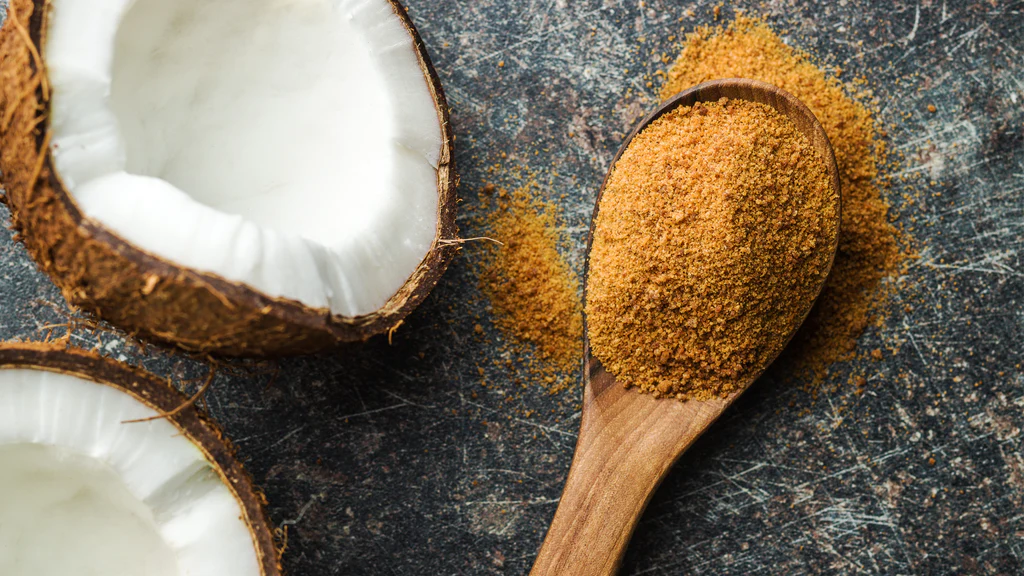
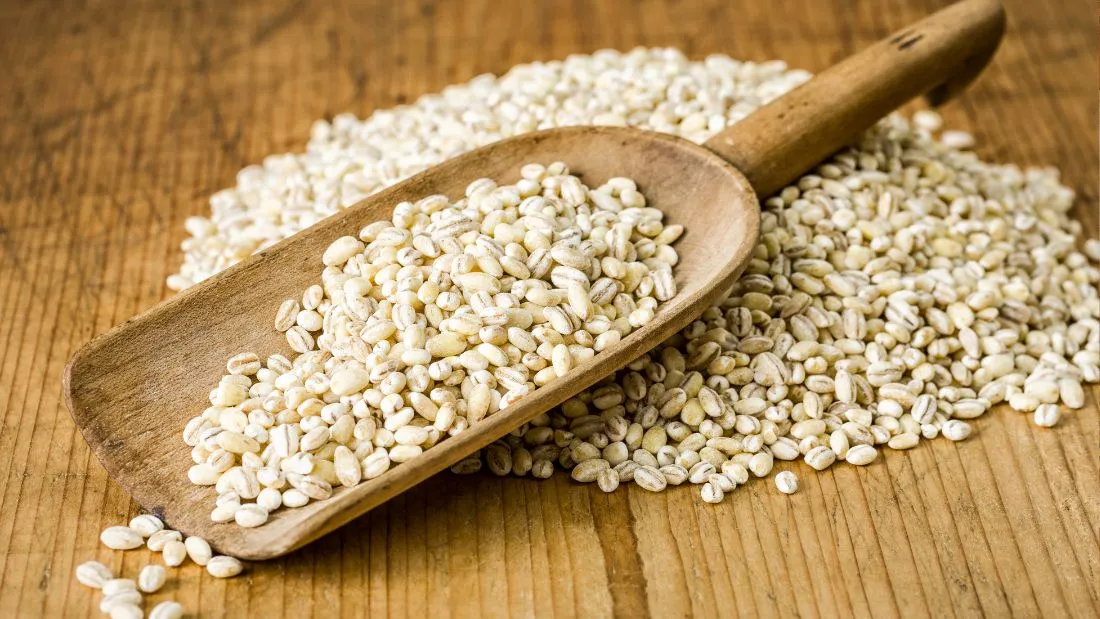
India‑based Abs Exim International lists 21 active products across agricultural commodities and ferrous metal scrap. The catalogue spans sugar (including Brown Sugar, ICUMSA‑150 and ICUMSA‑100 grades, and Jaggery), jaggery powder, soybean‑derived oils, fresh and dry coconut, corn, barley, wheat, soybeans, honey, cashew nuts, broken and raw rice varieties such as 100 % Broken Rice and Sona Mansoori, and HMS scrap. Two items carry explicit HS codes: Barley under HS 1003.10 (material Hordeum vulgare) and HMS Scrap under HS 7204.10 (Carbon Steel Scrap). The remaining items are listed without HS details but fall within standard HS chapters for cereals, oils, nuts and sugars. The supplier’s product mix reflects typical bulk export categories from the Indian sub‑continent.
Product Range and Specialties of Abs Exim International
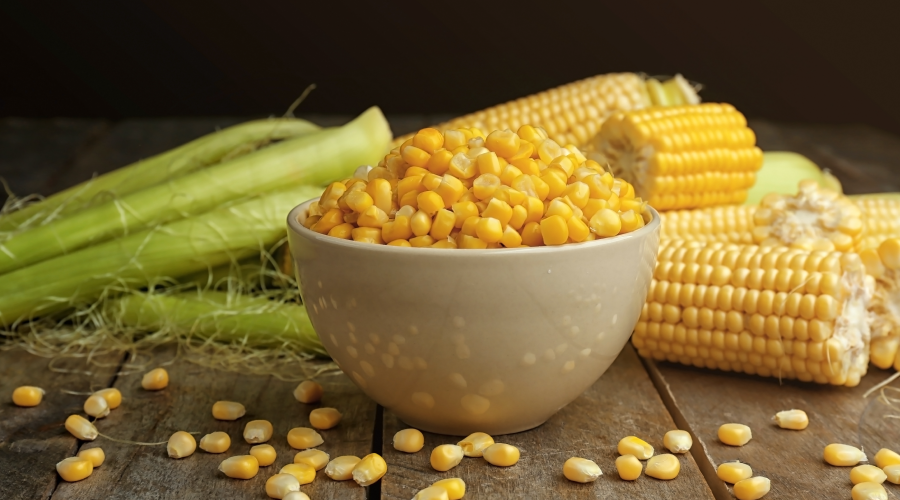
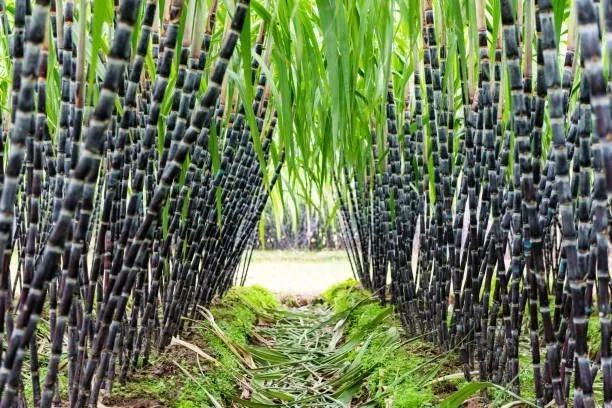
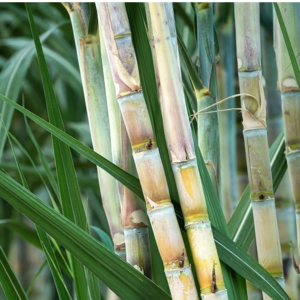
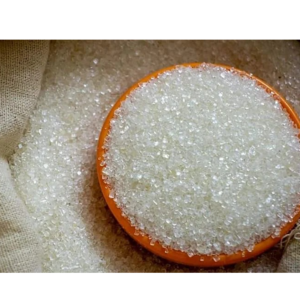
The product range includes Yellow Corn (Maize) with typical moisture 13‑14 % and protein 9‑10 %, Cashew Nut grade A with shell‑removed moisture below 5 %, and 100 % Broken Rice packaged in 25 kg bags for bulk shipment. Sugar entries are identified by ICUMSA colour values - ICUMSA‑150 and ICUMSA‑100 - which correspond to standard colour specifications for raw brown sugar, while Jaggery and Jaggery Powder generally target moisture levels of 12‑15 % and ash content below 0.5 %. Soybean oil is offered as both crude and refined; refined oil normally meets free‑fatty‑acid limits under 0.1 % and peroxide values below 10 meq O₂/kg. RBD Palm Olein follows the typical cloud‑point of 0 °C and iodine value around 50‑55, and Mustard Oil conforms to acid‑value limits of 0.2 % or less. Barley (HS 1003.10) and HMS Scrap (HS 7204.10) represent the non‑agricultural segment, with HMS scrap classified as ferrous carbon steel suitable for melting and re‑rolling.
Trade and Export Information - Abs Exim International
India exports the listed cereals, oils and nuts primarily to the Middle East, East Africa, Southeast Asia and the European Union, where demand for bulk food staples and edible oils remains strong. HS 1003.10 (Barley) and HS 7204.10 (Ferrous Scrap) are the common tariff headings used for customs clearance, and buyers typically request a Certificate of Origin, a Phytosanitary Certificate for grains and nuts, and SGS or equivalent inspection reports for metal scrap. Standard certifications sought for the food items include ISO 22000, FSSAI compliance and, where required, BIS grade certificates; oil shipments often require a Free‑Fatty‑Acid analysis and a peroxide‑value test. Logistics follow industry norms: 20‑ft containers for cereals and broken rice, bulk tankers or 40‑ft containers for refined oils, and open‑top containers for HMS scrap. Incoterms such as FOB or CIF are most frequently used in Indian export contracts for these product groups.
Sourcing from Abs Exim International - Buyer Guidance
Buyers should request laboratory reports that confirm ICUMSA colour for sugar, moisture and protein for corn, and free‑fatty‑acid plus peroxide values for refined soybean oil and palm olein. For cashew nuts and broken rice, a moisture analysis and a grain‑size or kernel‑breakage test are customary, while metal scrap buyers normally ask for a composition sheet showing carbon content and a mill test report. Documentation that should be verified before placing an order includes the Phytosanitary Certificate, Certificate of Origin, and any BIS or ISO certifications that the buyer requires for their market. Packaging specifications - 25 kg bags for rice, 1‑ton bulk bags for oil, and double‑wall pallets for scrap - should be confirmed, and the buyer should clarify the minimum order quantity, which commonly starts at 20 tons for rice, 10 tons for refined oil and 5 tons for HMS scrap.
Frequently Asked Questions About Abs Exim International
What HS codes apply to the barley and metal scrap products listed by Abs Exim International?
Barley is classified under HS 1003.10 and HMS scrap under HS 7204.10, both of which are standard tariff headings for cereals and ferrous metal scrap respectively.
Which quality parameters should I verify for the ICUMSA‑150 and ICUMSA‑100 sugars?
Check the ICUMSA colour value (150 or 100), moisture content (typically below 5 %), and ash content (usually under 0.5 %). A recent lab certificate should accompany the shipment.
What certifications are typically required for importing the soybean oils?
Buyers usually request an ISO 22000 or FSSAI certificate, a free‑fatty‑acid analysis (≤0.1 % for refined oil), and a peroxide‑value test (≤10 meq O₂/kg).
How is the Jaggery Powder usually packaged for export?
Jaggery Powder is commonly packed in 25 kg polypropylene bags or bulk 1‑ton liners, sealed to protect against moisture ingress.
What documentation is needed for the HMS scrap shipment?
A mill test report showing carbon content, a Certificate of Origin, and an SGS inspection certificate are standard documents for steel scrap exports.
What are the typical container sizes for shipping the broken rice and corn?
Both broken rice and yellow corn are usually loaded in 20‑ft or 40‑ft dry containers, with 25‑kg bags stacked to a weight of around 20‑25 tons per container.
What sample size is practical for testing the quality of cashew nuts before a full order?
A 500 kg sample is often sufficient for laboratory testing of moisture, shell‑removal rate and aflatoxin levels before confirming a bulk purchase.
Are there any specific import restrictions for RBD Palm Olein from India?
Importers generally need to verify that the palm olein meets the Codex standard for free‑fatty‑acid content and that the shipment includes a Phytosanitary Certificate and a Certificate of Origin to satisfy customs and food‑safety regulations.




 , India