Aarna Enterprise — Verified Supplier
About Aarna Enterprise - Fish Supplier in India
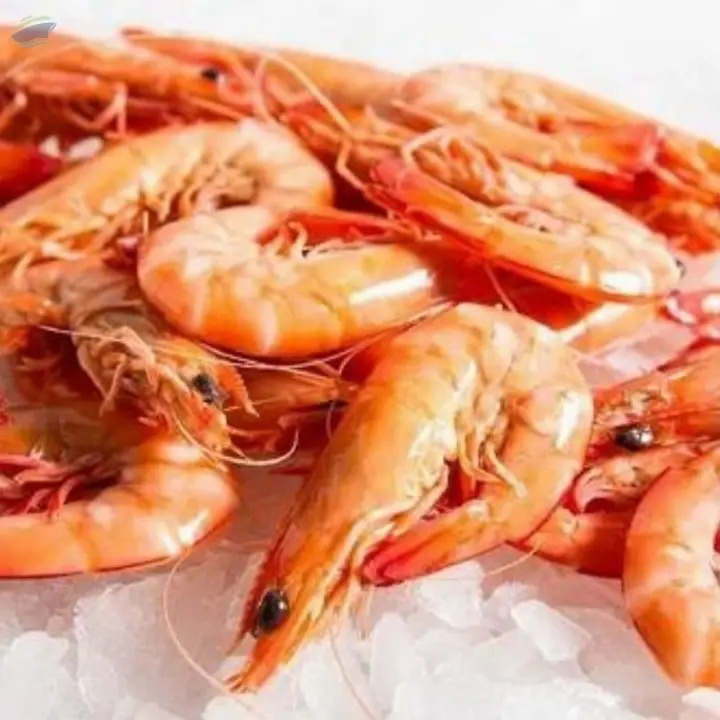
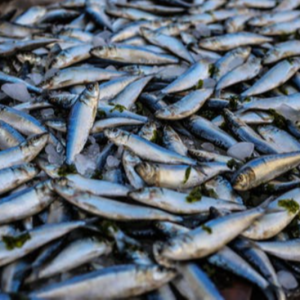
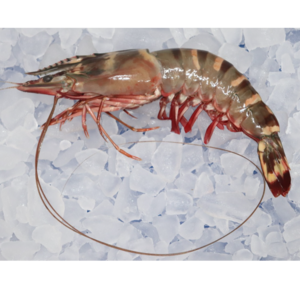
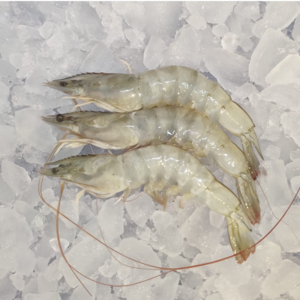
India, specifically the state of West Bengal, hosts Aarna Enterprise which currently lists six active seafood products. The catalogue includes Silver/White Pomfret, Frozen Shrimp, Chinese Pomfret, Black Pomfret, Indian Mackerel, and Tilapia Fillet. These items fall under the broader categories of Frozen Pomfret Fish, Frozen Shrimps, Fresh Pomfret Fish, Fish, Frozen Mackerel Fish, and Frozen Tilapia Fish as recorded in the supplier data. All products are classified under HS chapter 03 for fish and crustaceans, with frozen varieties typically using HS code 0304.90 and filleted fish using HS code 0305.00. The supplier is listed as an imported tier with a harbor trust rating.
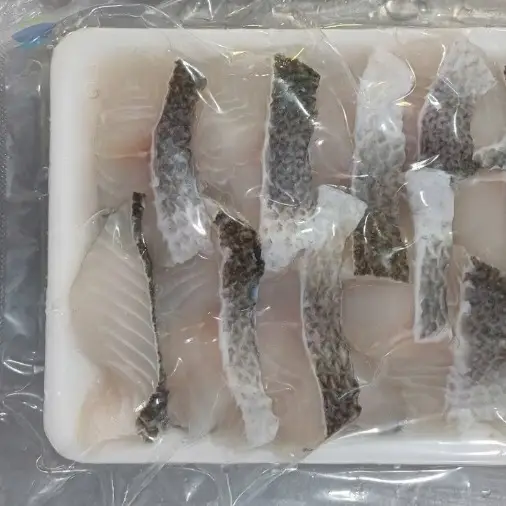
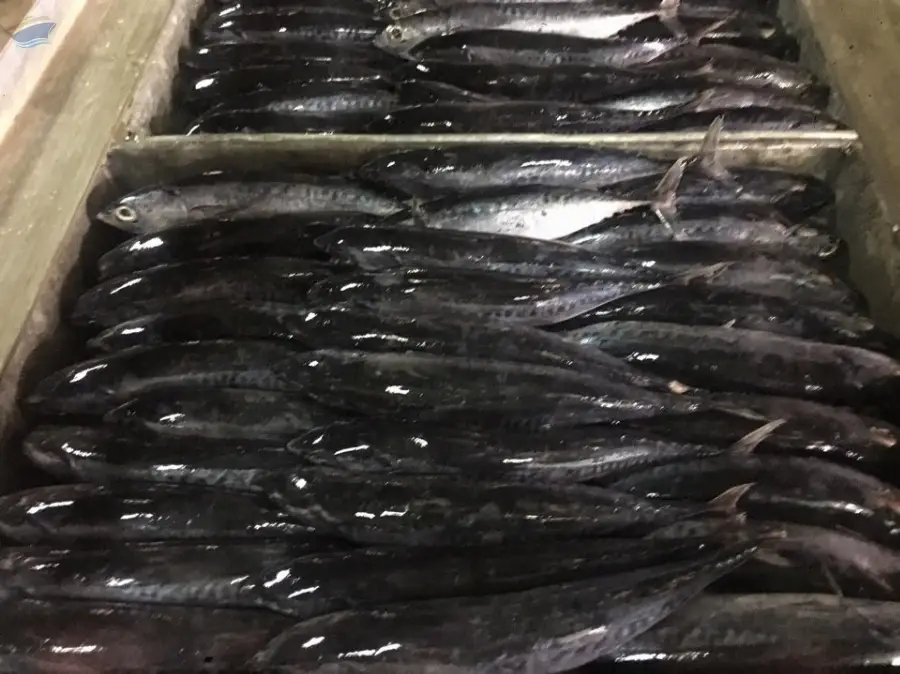
The product range comprises both whole and filleted fish forms, with frozen items stored at -18 °C and fresh pomfret supplied on ice. Silver/White Pomfret and Black Pomfret are offered as whole gutted fish, while Chinese Pomfret is marketed for its larger size. Frozen Shrimp is supplied in bulk bags ranging from 10 kg to 25 kg, and Tilapia Fillet is provided in vacuum‑sealed packs of 1 kg. Indian Mackerel appears as whole frozen fish, commonly sized between 200 g and 400 g per unit. Export documentation follows Indian fisheries regulations, including FSSAI certification and health certificates.
Product Range and Specialties of Aarna Enterprise
Aarna Enterprise’s catalogue lists six distinct seafood items: Silver/White Pomfret, Chinese Pomfret, Black Pomfret, Frozen Shrimp, Indian Mackerel, and Tilapia Fillet. In the Indian seafood market these species are typically graded by size, moisture content, and visual appearance. Pomfret is commonly graded as A‑grade when the whole fish weighs 150‑250 g with clear eyes and intact scales; larger Chinese Pomfret may reach 300 g. Shrimp is graded by count per kilogram, with 16‑20 pcs/kg considered premium, and must meet microbiological limits of ≤ 10 cfu/g for coliforms. Mackerel is evaluated for flesh firmness and a moisture level below 70 %, while tilapia fillet is assessed for uniform thickness (approximately 15 mm) and a fat content under 5 %.
Industry standards for frozen fish often require an ice‑to‑product ratio of at least 1:1 and storage temperatures maintained at - 18 °C or lower to preserve freshness. Vacuum‑packed fillets typically use polyethylene‑oriented polypropylene (PE/OPP) bags with a barrier against moisture loss. Bulk shrimp shipments are commonly packed in insulated plywood boxes with gel packs to sustain temperature during transit. Buyers usually request a product specification sheet that lists size range, weight per unit, moisture percentage, and any residues limits such as mercury below 0.5 ppm.
Trade and Export Information - Aarna Enterprise
India ranks among the top global exporters of marine fish, with West Bengal contributing significant volumes of pomfret, mackerel, and shrimp to markets in the European Union, the Middle East, and the United States. HS chapter 03 codes, especially 0304.90 for other frozen fish and 0305.00 for fish fillets, are the primary tariff classifications for these products. Importers typically require certifications such as HACCP, BRC Global Standard for Food Safety, ISO 22000, and a valid FSSAI export license from the Indian authorities.
Standard export packaging includes insulated refrigerated containers (20 ft or 40 ft) with temperature monitoring devices, complying with ISPM 15 phytosanitary regulations for wooden pallets. Documentation generally comprises a health certificate, a certificate of origin, and a commercial invoice indicating HS codes and net weight. Buyers in the EU often request a EU‑specific veterinary health certificate, while US importers look for FDA prior notice and compliance with the Seafood Hazard Analysis and Critical Control Points (HACCP) plan.
Sourcing from Aarna Enterprise - Buyer Guidance
When sourcing from Aarna Enterprise, buyers should request the latest HACCP audit report, FSSAI export license copy, and laboratory test results for microbiological limits, heavy metals, and pesticide residues. Verification of size grading, ice‑ratio, and packaging integrity should be confirmed through a pre‑shipment inspection or third‑party audit. Samples of each fish species can be requested in a 5 kg frozen batch to assess freshness, texture, and compliance with the buyer’s specification sheet.
Typical minimum order quantities for whole frozen fish range from 10 metric tons, while shrimp is often ordered in 5 metric‑ton increments. Lead times for processing, icing, and container loading in West Bengal average 30‑45 days from order confirmation, depending on product seasonality. Buyers should specify the desired Incoterm, commonly CIF or FOB, and confirm container type (refrigerated 20 ft or 40 ft) to ensure temperature control throughout transit.
Frequently Asked Questions About Aarna Enterprise
What seafood products does Aarna Enterprise list in its catalogue?
The catalogue includes Silver/White Pomfret, Chinese Pomfret, Black Pomfret, Frozen Shrimp, Indian Mackerel, and Tilapia Fillet. These six items cover both whole fish and filleted forms.
Which HS codes are generally applicable to these fish and shrimp products?
Frozen whole fish such as pomfret and mackerel are typically classified under HS code 0304.90, while tilapia fillet falls under HS code 0305.00. Shrimp, being a frozen crustacean, is also covered by HS code 0304.90.
What quality specifications are common for pomfret exported from India?
Pomfret is usually graded A‑grade when the whole fish weighs 150‑250 g, has clear eyes, intact scales, and a moisture content below 70 %. Larger Chinese Pomfret may be graded up to 300 g while still meeting visual and freshness criteria.
Which certifications should a buyer request from Aarna Enterprise?
Buyers should request the supplier’s HACCP certification, any BRC or ISO 22000 compliance documents, the Indian FSSAI export license, and recent laboratory test reports for microbiology and heavy‑metal residues. These documents confirm adherence to common safety standards for seafood imports.
What are the typical packaging and container requirements for the frozen shrimp?
Frozen shrimp is packed in insulated plywood boxes with gel packs to maintain - 18 °C, and the boxes are placed inside a refrigerated 20 ft or 40 ft container. The shrimp is often sealed in moisture‑barrier PE/OPP bags for bulk shipments.
What is the usual minimum order quantity and lead time for whole frozen fish?
Minimum order quantities are generally around 10 metric tons for whole frozen fish, though some buyers may negotiate lower volumes. Lead time from order confirmation to container loading is typically 30‑45 days, varying with seasonal availability and processing schedules.




 , India