Aamstech Solutions — Supplier
About Aamstech Solutions - Metal Castings & Forgings Supplier in India
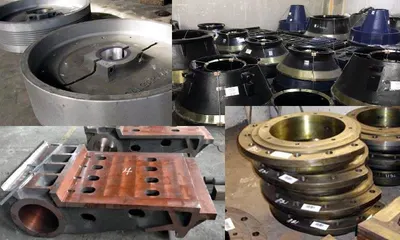
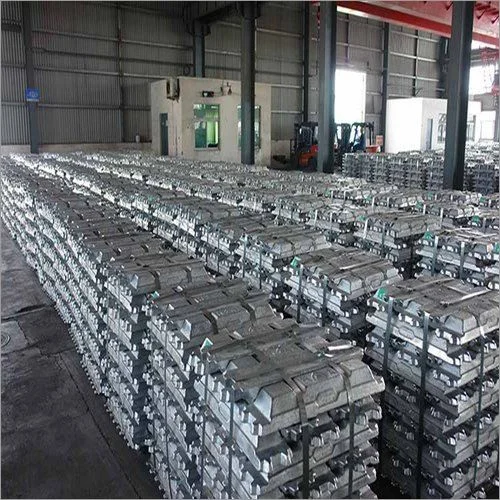
India hosts Aamstech Solutions, which currently lists five active products in its metal castings and forgings portfolio. The catalogue includes aluminum castings (HS 7601.20) made from ADC12 or A356 alloys, a GDC casting process (HS 8483.50) using aluminum or copper alloys, ACC cover rough casting (HS 8454.90) in cast iron or ferrous metal alloys, gear casting (HS 8483.40) produced from ductile iron or carbon steel grade 65-45-12 (ASTM A536), and a pedestal antenna (HS 8529.10) built from aluminum alloy castings with forged steel mounts. Each item falls under the respective HS chapters for non‑ferrous metal castings, other castings, and antenna devices. The aluminum castings are supplied in standard weight forms ranging from 5 kg billets to 500 kg ingots, while the gear castings are offered in sizes from 50 mm to 300 mm outer diameter. The GDC process is a precision casting method often applied to components requiring tight dimensional tolerance, and the ACC cover rough casting serves as a base for further machining in automotive or industrial equipment. The pedestal antenna is designed for mounting in telecommunications infrastructure, typically shipped in wooden crates or metal pallets. All five products are described with their HS codes and material specifications in the supplier’s public listing.
Product Range and Specialties of Aamstech Solutions
Aamstech Solutions lists aluminium castings in ADC12 and A356 grades, both of which are standard T6‑tempered alloys with typical tensile strengths of 310 MPa and 260 MPa respectively, and surface finishes around Ra 3.5 µm. In the broader industry, aluminium castings under HS 7601 are often produced to ASTM B221 or ISO 6355 specifications and are supplied in weight ranges from a few kilograms up to several hundred kilograms. Gear castings identified under HS 8483.40 are commonly made from ductile iron or carbon steel conforming to ASTM A536 grade 65‑45‑12, offering tensile strengths near 650 MPa and hardness around 180 HB. The GDC casting process, also under HS 8483, is typically used for high‑precision parts where dimensional tolerances of ±0.05 mm are required. Pedestal antennas classified under HS 8529 are usually fabricated to IEC 62368‑1 safety standards and are offered in standard lengths of 1‑3 m for telecom installations. These industry benchmarks provide a reference framework for the five products listed by the supplier.
Trade and Export Information - Aamstech Solutions
India ranks among the top exporters of metal castings, with HS chapters 7601, 8483 and 8454 accounting for a significant share of shipments to the European Union, United States, Middle East and Southeast Asian markets. Buyers typically request ISO 9001 quality‑system certification, EN 10204 3.1 test certificates and, where applicable, CE marking or RoHS compliance for components destined for electronic equipment. Standard export logistics involve loading the castings into 20‑ft or 40‑ft containers, using wooden crates, steel pallets or bulk bags depending on weight and dimensions. Common Incoterms are FOB Mumbai or CIF destination ports, with customs inspections often focusing on HS code verification, material composition and compliance with the destination country’s safety regulations. The Indian metal‑casting sector also follows the Bureau of Indian Standards (BIS) guidelines for alloy composition and mechanical testing, which align with international standards cited above.
Sourcing from Aamstech Solutions - Buyer Guidance
When sourcing from Aamstech Solutions, buyers should request material test reports that reference ASTM B221 for aluminium alloys and ASTM A536 for ductile‑iron gear castings. Dimensional inspection reports, surface‑finish certificates and a full EN 10204 3.1 test declaration are standard documents that help verify compliance with industry tolerances. Buyers are advised to obtain a sample batch for laboratory analysis before confirming large orders, and to confirm the supplier’s ISO 9001 certificate and any applicable CE or RoHS declarations for the antenna product. Verifying crate dimensions, weight per package and container loading plans will also reduce the risk of delays during customs clearance.
Frequently Asked Questions About Aamstech Solutions
What HS codes are associated with Aamstech Solutions' metal casting products?
The aluminium casting is listed under HS 7601.20, the GDC casting process under HS 8483.50, the ACC cover rough casting under HS 8454.90, the gear casting under HS 8483.40, and the pedestal antenna under HS 8529.10. These codes correspond to the international tariff headings for non‑ferrous castings, other castings, and antenna devices.
Which aluminium alloys are offered for the aluminium casting product?
The catalogue specifies ADC12 and A356 aluminium alloys, both supplied in T6 temper. ADC12 typically provides a tensile strength of about 310 MPa, while A356 offers around 260 MPa, making them suitable for automotive and general engineering applications.
What material standards apply to the gear casting?
The gear casting uses ductile iron or carbon steel that conforms to ASTM A536 grade 65‑45‑12. This grade is widely accepted for high‑strength gear components and is tested for tensile strength, elongation and hardness according to the ASTM specification.
What documentation should a buyer request before purchasing the pedestal antenna?
Buyers should ask for an ISO 9001 quality‑system certificate, a test report demonstrating compliance with IEC 62368‑1 safety requirements, and a packing list that details crate dimensions and weight for container planning. These documents verify both product safety and logistical suitability.
What are typical lead times and minimum order quantities for the aluminium castings?
Lead times are generally 4‑6 weeks from order confirmation, depending on alloy grade and final machining requirements. Minimum order quantities are often set at one metric tonne or the equivalent of two standard 20‑ft containers, though the exact figure can be negotiated per order.
Which industries commonly import the types of castings supplied by this Indian supplier?
Automotive manufacturers, heavy‑equipment producers, and telecommunications equipment firms are frequent importers of aluminium, ductile‑iron and antenna castings from India. These sectors value the dimensional accuracy and material properties typical of the listed product categories.




 , India