911 Restoration — Supplier

About 911 Restoration - Agriculture Supplier in United States

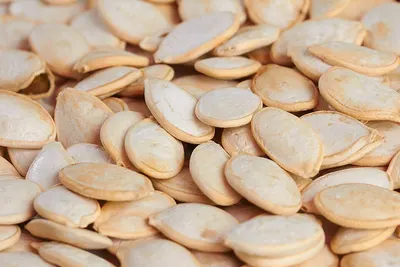
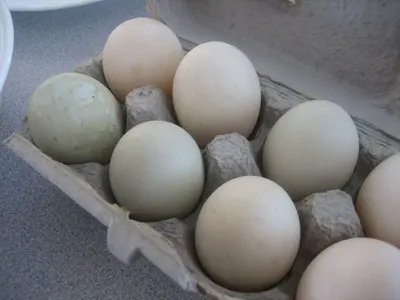
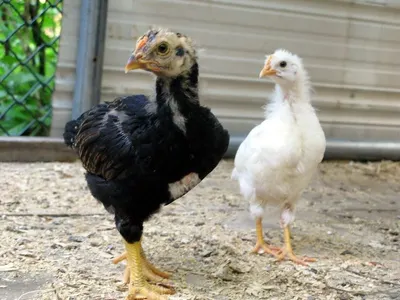
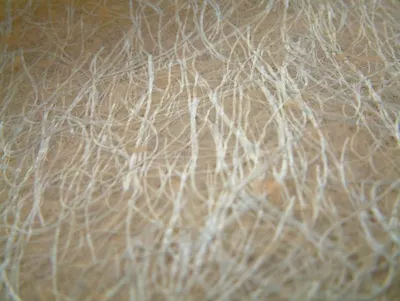
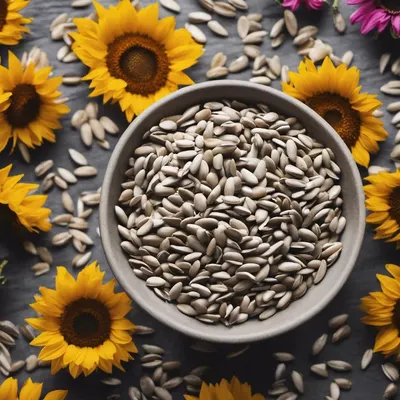
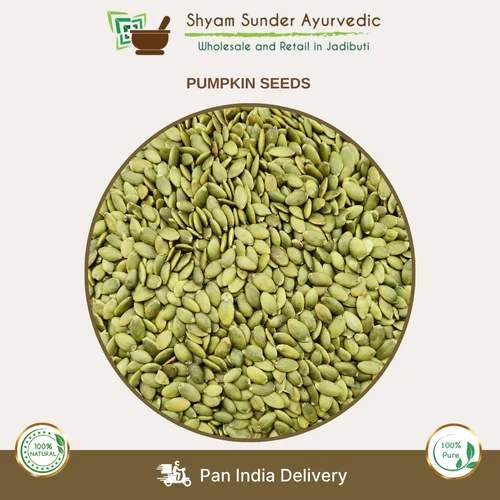
United States‑based 911 Restoration lists ten active agricultural products. The catalogue includes a variety of edible seeds such as chia, broccoli, sunflower, sesame and pumpkin, as well as cashew nuts and coconut oil. In addition, the supplier offers ostrich‑related products: whole eggs, live chicks and feathers. All items fall under standard HS‑code chapters for seeds (Chapter 12), nuts and oilseeds (Chapter 08), animal products (Chapter 02) and natural fibers (Chapter 62). The product set reflects a focus on raw food ingredients and niche animal‑derived commodities that are commonly traded from the United States to global food‑processing and textile markets.

The ten listed items are presented without additional branding or client references. Seed products typically require purity levels of 95 % or higher and moisture contents below 8 %, while cashew nuts are often graded by shell‑free percentage and size uniformity. Coconut oil is usually specified by free‑fatty‑acid content under 0.5 % and a cloud point suitable for food applications. Ostrich eggs and chicks are measured by weight range (approximately 1.2 - 1.5 kg per egg) and hatchability rates, and feathers are classified by length and tensile strength for decorative or industrial use. These specifications align with the common quality parameters used by buyers of U.S. agricultural exports.

Product Range and Specialties of 911 Restoration

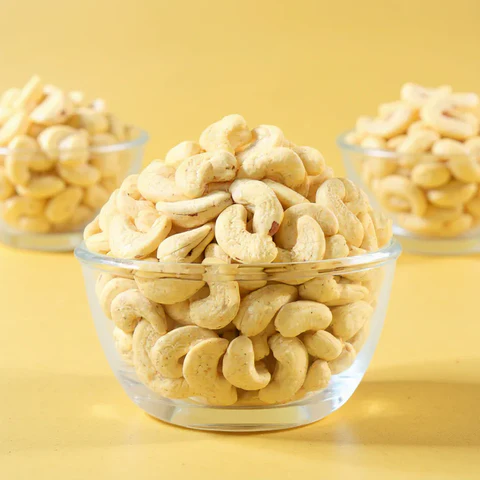
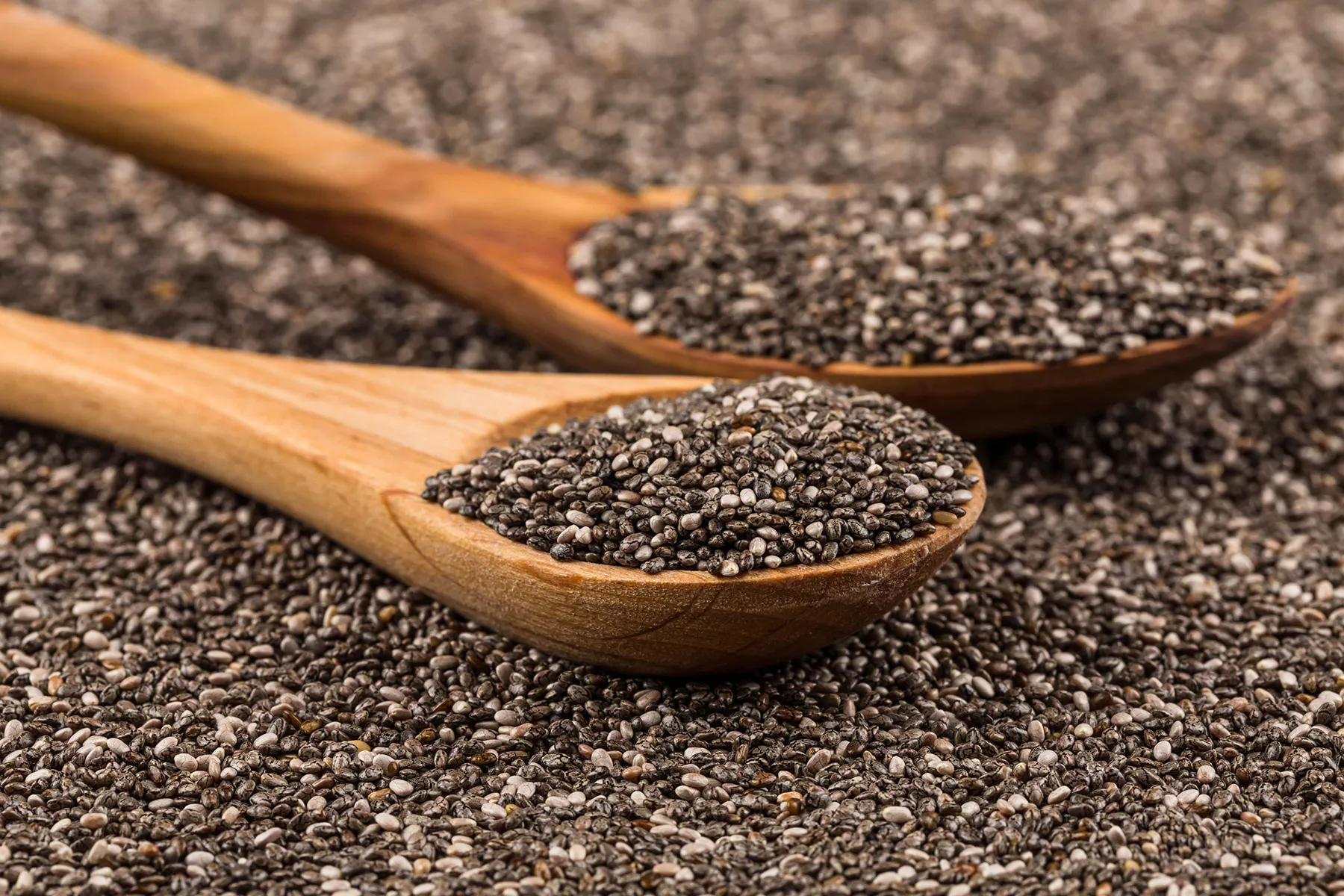
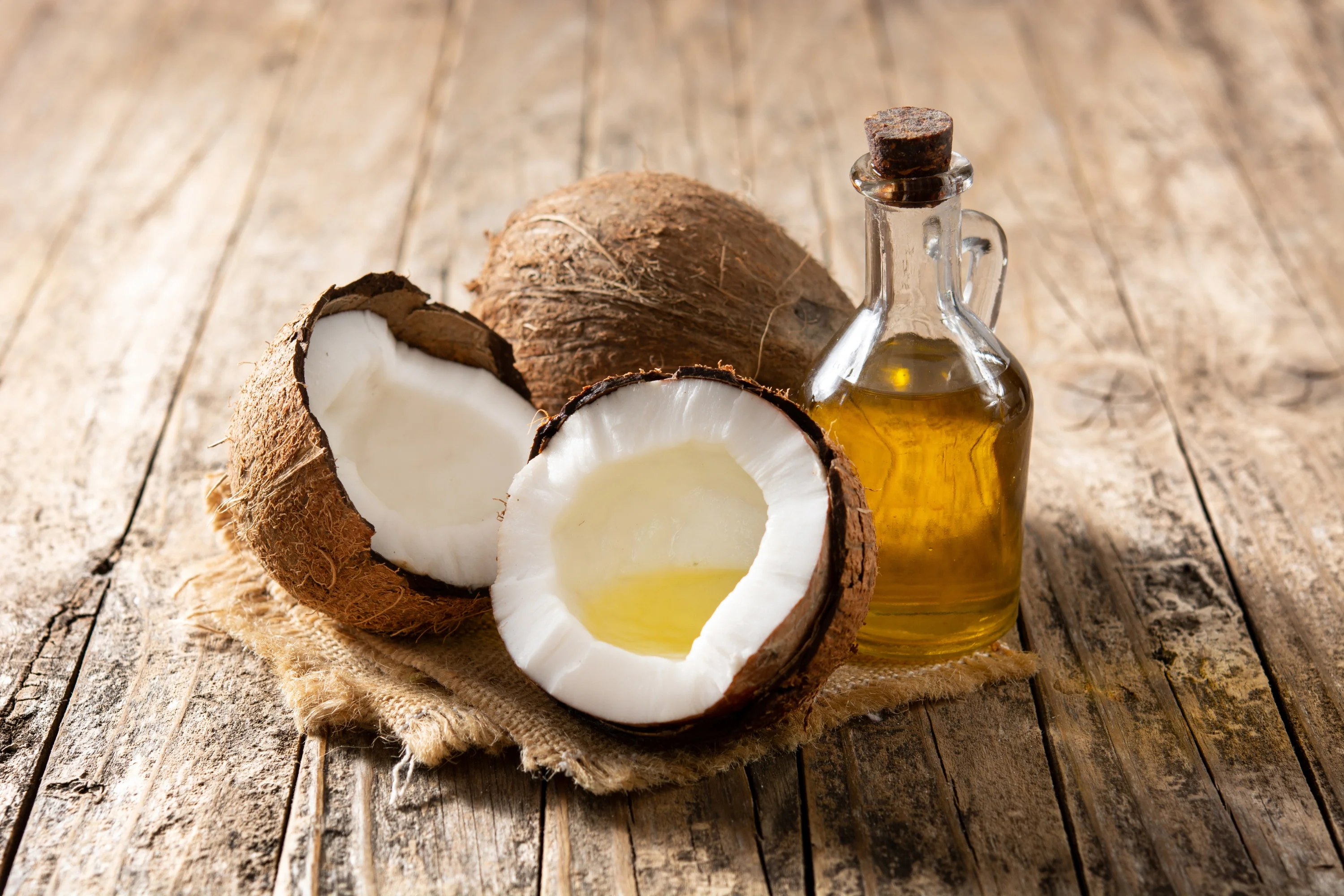
The catalogue groups products into seed, nut, oil and ostrich categories. For seeds, buyers normally evaluate germination rate, seed size (e.g., chia seeds 2 - 3 mm) and contaminant limits such as weed seed content under 0.1 %. Coconut oil is exported in bulk drums or 25 kg totes, with standard specifications including peroxide value below 10 meq O₂/kg and iodine value between 85 - 95. Cashew nuts are supplied in 10 kg vacuum‑packed bags, graded by kernel size (e.g., 18 mm ± 2 mm) and moisture below 5 %. Ostrich eggs are shipped in protective crates with individual foam inserts, while live chicks are transported in ventilated containers meeting IATA Live Animal Regulations. Ostrich feathers are packed in compressed bundles to preserve fiber length, typically 70 - 120 mm. These industry norms provide a baseline for evaluating the supplier’s product list.

Trade and Export Information - 911 Restoration

The United States is a major exporter of seeds, nuts, vegetable oils and specialty animal products. Typical destination regions include the European Union, East Asia (China, Japan, South Korea) and the Middle East, where food manufacturers and textile firms source these commodities. HS‑code families relevant to this catalogue are Chapter 08 (Edible nuts and fruit, peel‑ed, kernels), Chapter 12 (Oil seeds and oleaginous fruits), Chapter 15 (Animal or vegetable fats and oils) and Chapter 02 (Meat and edible meat offal, including eggs). Buyers often require phytosanitary certificates, USDA import permits, and compliance with ISO 22000 or HACCP food‑safety systems. For ostrich products, CITES permits may be needed if the species is listed, and the United States Department of Agriculture issues health certificates for live animals and eggs. Shipping is commonly arranged under CIF or FOB terms, using 20‑ft containers for bulk oil and nuts, and temperature‑controlled units for live chicks.

Sourcing from 911 Restoration - Buyer Guidance

When sourcing from 911 Restoration, buyers should request the latest phytosanitary certificate for seed shipments and a commodity‑specific test report (e.g., aflatoxin limits for nuts, free‑fatty‑acid analysis for coconut oil). Sample specifications such as seed purity ≥ 95 % and moisture ≤ 8 % should be confirmed before placing a bulk order. For ostrich eggs and chicks, verify the presence of USDA health certificates and, where applicable, CITES documentation. It is advisable to inspect packaging details - vacuum‑sealed bags for nuts, food‑grade drums for oil, and insulated crates for live animals - to ensure compliance with the buyer’s logistics chain.

Frequently Asked Questions About 911 Restoration

What seed products does 911 Restoration list and what standards apply?

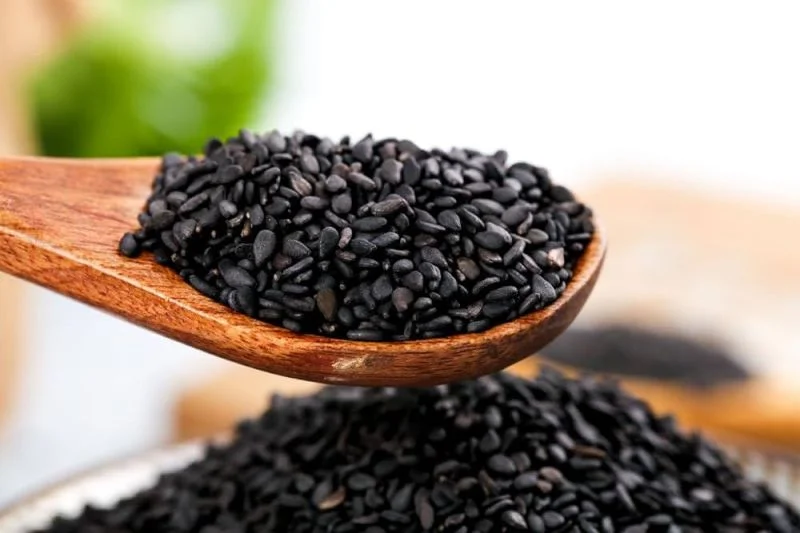
The supplier lists chia, broccoli, sunflower, sesame and pumpkin seeds. Standard seed trade requires purity of at least 95 %, moisture below 8 % and a germination rate of 85 % or higher, documented in a seed analysis report.

Which certifications should a buyer request for the coconut oil?

Buyers should ask for a recent free‑fatty‑acid test (≤ 0.5 %) and an ISO 22000 or HACCP compliance statement. If organic claims are needed, a USDA Organic certificate must be provided.

How are cashew nuts typically packaged for export?

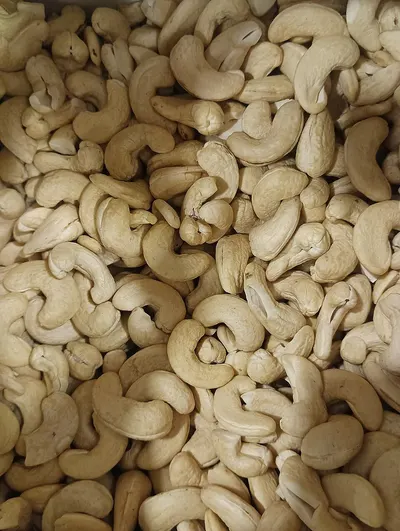
Cashew nuts are usually packed in 10 kg vacuum‑sealed polyethylene bags, stacked in 20‑ft containers. The bags should show moisture content under 5 % and a shell‑free percentage of 98 % or more.

What documentation is required for ostrich eggs and chicks?

A USDA health certificate and, where relevant, a CITES permit are required. Additional documents include a hatchability report for chicks and a weight‑range specification for eggs.

What are the common HS‑code chapters for the listed products?

Seeds fall under Chapter 12 (HS 1207), nuts and oilseeds under Chapter 08 (HS 0802), coconut oil under Chapter 15 (HS 1515) and ostrich products under Chapter 02 (HS 0207 for eggs, HS 0208 for live animals).

What are typical lead times and minimum order quantities for these products?

Lead times range from 2 weeks for seed samples to 6 weeks for bulk oil or live ostrich chicks. Minimum order quantities are often 500 kg for seeds, 1 ton for coconut oil and 50 units for live chicks, but exact figures depend on the buyer’s request.

How should the products be shipped to maintain quality?

Seeds and nuts require dry, temperature‑controlled containers with humidity below 60 %. Coconut oil is shipped in food‑grade drums with a sealed lid to prevent oxidation. Live ostrich chicks need ventilated, temperature‑regulated containers complying with IATA live‑animal regulations.


Featured Products from this Supplier

Other Suppliers in Primary Category

Top Trusted Suppliers

Related Products

Related Products

Other Suppliers

EximNext
7.2K+ live requirements
Register Free🎁 Reach global buyers
Post Requirement
🌍 Trusted by 225K+ businesses in 200+ countries|
7.2K+ active requirements right now
✉️ [email protected]
|
Sell on EximNextPost Requirement
EximNext
AgricultureApparelConstructionElectronicFoodHomeIndustrialMineralsMiscellaneous
🔥 Deals|✨ AI Match|🏭 Suppliers|📋 Buy Leads|💰 Trade Finance
7.2K+ live RFQs·194.8K+ suppliers
🎁 Reach global buyers →
EximNext
EximNext
Register Free
🎁 Reach global buyers
Sign In
📋Post Requirement💬Get Quotes✨AI Match📋RFQ Marketplace
All Categories
Services & Tools
🏭Supplier Directory🔥Today's Deals💰Trade Finance
Sell on EximNext →
AboutContactBlogHelp
Agriculture & Food  ·  United States
10
products listed

911 Restoration

⚓ Harbor
Country flag , United StatesNew supplier / no reviews yet
🛡️
55/100
Trust Score

911 Restoration Product Catalog

Showing 10 of 10 products
View all products →
Pumpkin Seeds
⚓ Harbor
Pumpkin Seeds
Contact
MOQ: 1 Unit
Ostrich Eggs
⚓ Harbor
Ostrich Eggs
Contact
MOQ: 1 Unit
Ostrich Chicks
⚓ Harbor
Ostrich Chicks
Contact
MOQ: 1 Unit
Ostrich Feather
⚓ Harbor
Ostrich Feather
Contact
MOQ: 1 Unit
Cashew Nuts
⚓ Harbor
Cashew Nuts
Contact
MOQ: 1 Unit
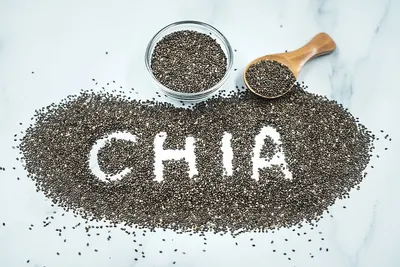
Chia Seeds
⚓ Harbor
Chia Seeds
Contact
MOQ: 1 Unit
Coconut Oil
⚓ Harbor
Coconut Oil
Contact
MOQ: 1 Unit
Brocolli Seeds
⚓ Harbor
Brocolli Seeds
Contact
MOQ: 1 Unit
Sunflower Seeds
⚓ Harbor
Sunflower Seeds
Contact
MOQ: 1 Unit
Sesame Seeds
⚓ Harbor
Sesame Seeds
Contact
MOQ: 1 Unit

About 911 Restoration - Agriculture Supplier in United States

United States‑based 911 Restoration lists ten active agricultural products. The catalogue includes a variety of edible seeds such as chia, broccoli, sunflower, sesame and pumpkin, as well as cashew nuts and coconut oil. In addition, the supplier offers ostrich‑related products: whole eggs, live chicks and feathers. All items fall under standard HS‑code chapters for seeds (Chapter 12), nuts and oilseeds (Chapter 08), animal products (Chapter 02) and natural fibers (Chapter 62). The product set reflects a focus on raw food ingredients and niche animal‑derived commodities that are commonly traded from the United States to global food‑processing and textile markets.

The ten listed items are presented without additional branding or client references. Seed products typically require purity levels of 95 % or higher and moisture contents below 8 %, while cashew nuts are often graded by shell‑free percentage and size uniformity. Coconut oil is usually specified by free‑fatty‑acid content under 0.5 % and a cloud point suitable for food applications. Ostrich eggs and chicks are measured by weight range (approximately 1.2 - 1.5 kg per egg) and hatchability rates, and feathers are classified by length and tensile strength for decorative or industrial use. These specifications align with the common quality parameters used by buyers of U.S. agricultural exports.

Product Range and Specialties of 911 Restoration

The catalogue groups products into seed, nut, oil and ostrich categories. For seeds, buyers normally evaluate germination rate, seed size (e.g., chia seeds 2 - 3 mm) and contaminant limits such as weed seed content under 0.1 %. Coconut oil is exported in bulk drums or 25 kg totes, with standard specifications including peroxide value below 10 meq O₂/kg and iodine value between 85 - 95. Cashew nuts are supplied in 10 kg vacuum‑packed bags, graded by kernel size (e.g., 18 mm ± 2 mm) and moisture below 5 %. Ostrich eggs are shipped in protective crates with individual foam inserts, while live chicks are transported in ventilated containers meeting IATA Live Animal Regulations. Ostrich feathers are packed in compressed bundles to preserve fiber length, typically 70 - 120 mm. These industry norms provide a baseline for evaluating the supplier’s product list.

Trade and Export Information - 911 Restoration

The United States is a major exporter of seeds, nuts, vegetable oils and specialty animal products. Typical destination regions include the European Union, East Asia (China, Japan, South Korea) and the Middle East, where food manufacturers and textile firms source these commodities. HS‑code families relevant to this catalogue are Chapter 08 (Edible nuts and fruit, peel‑ed, kernels), Chapter 12 (Oil seeds and oleaginous fruits), Chapter 15 (Animal or vegetable fats and oils) and Chapter 02 (Meat and edible meat offal, including eggs). Buyers often require phytosanitary certificates, USDA import permits, and compliance with ISO 22000 or HACCP food‑safety systems. For ostrich products, CITES permits may be needed if the species is listed, and the United States Department of Agriculture issues health certificates for live animals and eggs. Shipping is commonly arranged under CIF or FOB terms, using 20‑ft containers for bulk oil and nuts, and temperature‑controlled units for live chicks.

Sourcing from 911 Restoration - Buyer Guidance

When sourcing from 911 Restoration, buyers should request the latest phytosanitary certificate for seed shipments and a commodity‑specific test report (e.g., aflatoxin limits for nuts, free‑fatty‑acid analysis for coconut oil). Sample specifications such as seed purity ≥ 95 % and moisture ≤ 8 % should be confirmed before placing a bulk order. For ostrich eggs and chicks, verify the presence of USDA health certificates and, where applicable, CITES documentation. It is advisable to inspect packaging details - vacuum‑sealed bags for nuts, food‑grade drums for oil, and insulated crates for live animals - to ensure compliance with the buyer’s logistics chain.

Frequently Asked Questions About 911 Restoration

What seed products does 911 Restoration list and what standards apply?

The supplier lists chia, broccoli, sunflower, sesame and pumpkin seeds. Standard seed trade requires purity of at least 95 %, moisture below 8 % and a germination rate of 85 % or higher, documented in a seed analysis report.

Which certifications should a buyer request for the coconut oil?

Buyers should ask for a recent free‑fatty‑acid test (≤ 0.5 %) and an ISO 22000 or HACCP compliance statement. If organic claims are needed, a USDA Organic certificate must be provided.

How are cashew nuts typically packaged for export?

Cashew nuts are usually packed in 10 kg vacuum‑sealed polyethylene bags, stacked in 20‑ft containers. The bags should show moisture content under 5 % and a shell‑free percentage of 98 % or more.

What documentation is required for ostrich eggs and chicks?

A USDA health certificate and, where relevant, a CITES permit are required. Additional documents include a hatchability report for chicks and a weight‑range specification for eggs.

What are the common HS‑code chapters for the listed products?

Seeds fall under Chapter 12 (HS 1207), nuts and oilseeds under Chapter 08 (HS 0802), coconut oil under Chapter 15 (HS 1515) and ostrich products under Chapter 02 (HS 0207 for eggs, HS 0208 for live animals).

What are typical lead times and minimum order quantities for these products?

Lead times range from 2 weeks for seed samples to 6 weeks for bulk oil or live ostrich chicks. Minimum order quantities are often 500 kg for seeds, 1 ton for coconut oil and 50 units for live chicks, but exact figures depend on the buyer’s request.

How should the products be shipped to maintain quality?

Seeds and nuts require dry, temperature‑controlled containers with humidity below 60 %. Coconut oil is shipped in food‑grade drums with a sealed lid to prevent oxidation. Live ostrich chicks need ventilated, temperature‑regulated containers complying with IATA live‑animal regulations.

About 911 Restoration - Agriculture Supplier in United States

United States‑based 911 Restoration lists ten active agricultural products. The catalogue includes a variety of edible seeds such as chia, broccoli, sunflower, sesame and pumpkin, as well as cashew nuts and coconut oil. In addition, the supplier offers ostrich‑related products: whole eggs, live chicks and feathers. All items fall under standard HS‑code chapters for seeds (Chapter 12), nuts and oilseeds (Chapter 08), animal products (Chapter 02) and natural fibers (Chapter 62). The product set reflects a focus on raw food ingredients and niche animal‑derived commodities that are commonly traded from the United States to global food‑processing and textile markets.

The ten listed items are presented without additional branding or client references. Seed products typically require purity levels of 95 % or higher and moisture contents below 8 %, while cashew nuts are often graded by shell‑free percentage and size uniformity. Coconut oil is usually specified by free‑fatty‑acid content under 0.5 % and a cloud point suitable for food applications. Ostrich eggs and chicks are measured by weight range (approximately 1.2 - 1.5 kg per egg) and hatchability rates, and feathers are classified by length and tensile strength for decorative or industrial use. These specifications align with the common quality parameters used by buyers of U.S. agricultural exports.

Product Range and Specialties of 911 Restoration

The catalogue groups products into seed, nut, oil and ostrich categories. For seeds, buyers normally evaluate germination rate, seed size (e.g., chia seeds 2 - 3 mm) and contaminant limits such as weed seed content under 0.1 %. Coconut oil is exported in bulk drums or 25 kg totes, with standard specifications including peroxide value below 10 meq O₂/kg and iodine value between 85 - 95. Cashew nuts are supplied in 10 kg vacuum‑packed bags, graded by kernel size (e.g., 18 mm ± 2 mm) and moisture below 5 %. Ostrich eggs are shipped in protective crates with individual foam inserts, while live chicks are transported in ventilated containers meeting IATA Live Animal Regulations. Ostrich feathers are packed in compressed bundles to preserve fiber length, typically 70 - 120 mm. These industry norms provide a baseline for evaluating the supplier’s product list.

Trade and Export Information - 911 Restoration

The United States is a major exporter of seeds, nuts, vegetable oils and specialty animal products. Typical destination regions include the European Union, East Asia (China, Japan, South Korea) and the Middle East, where food manufacturers and textile firms source these commodities. HS‑code families relevant to this catalogue are Chapter 08 (Edible nuts and fruit, peel‑ed, kernels), Chapter 12 (Oil seeds and oleaginous fruits), Chapter 15 (Animal or vegetable fats and oils) and Chapter 02 (Meat and edible meat offal, including eggs). Buyers often require phytosanitary certificates, USDA import permits, and compliance with ISO 22000 or HACCP food‑safety systems. For ostrich products, CITES permits may be needed if the species is listed, and the United States Department of Agriculture issues health certificates for live animals and eggs. Shipping is commonly arranged under CIF or FOB terms, using 20‑ft containers for bulk oil and nuts, and temperature‑controlled units for live chicks.

Sourcing from 911 Restoration - Buyer Guidance

When sourcing from 911 Restoration, buyers should request the latest phytosanitary certificate for seed shipments and a commodity‑specific test report (e.g., aflatoxin limits for nuts, free‑fatty‑acid analysis for coconut oil). Sample specifications such as seed purity ≥ 95 % and moisture ≤ 8 % should be confirmed before placing a bulk order. For ostrich eggs and chicks, verify the presence of USDA health certificates and, where applicable, CITES documentation. It is advisable to inspect packaging details - vacuum‑sealed bags for nuts, food‑grade drums for oil, and insulated crates for live animals - to ensure compliance with the buyer’s logistics chain.

Frequently Asked Questions About 911 Restoration
What seed products does 911 Restoration list and what standards apply?
The supplier lists chia, broccoli, sunflower, sesame and pumpkin seeds. Standard seed trade requires purity of at least 95 %, moisture below 8 % and a germination rate of 85 % or higher, documented in a seed analysis report.
Which certifications should a buyer request for the coconut oil?
Buyers should ask for a recent free‑fatty‑acid test (≤ 0.5 %) and an ISO 22000 or HACCP compliance statement. If organic claims are needed, a USDA Organic certificate must be provided.
How are cashew nuts typically packaged for export?
Cashew nuts are usually packed in 10 kg vacuum‑sealed polyethylene bags, stacked in 20‑ft containers. The bags should show moisture content under 5 % and a shell‑free percentage of 98 % or more.
What documentation is required for ostrich eggs and chicks?
A USDA health certificate and, where relevant, a CITES permit are required. Additional documents include a hatchability report for chicks and a weight‑range specification for eggs.
What are the common HS‑code chapters for the listed products?
Seeds fall under Chapter 12 (HS 1207), nuts and oilseeds under Chapter 08 (HS 0802), coconut oil under Chapter 15 (HS 1515) and ostrich products under Chapter 02 (HS 0207 for eggs, HS 0208 for live animals).
What are typical lead times and minimum order quantities for these products?
Lead times range from 2 weeks for seed samples to 6 weeks for bulk oil or live ostrich chicks. Minimum order quantities are often 500 kg for seeds, 1 ton for coconut oil and 50 units for live chicks, but exact figures depend on the buyer’s request.
How should the products be shipped to maintain quality?
Seeds and nuts require dry, temperature‑controlled containers with humidity below 60 %. Coconut oil is shipped in food‑grade drums with a sealed lid to prevent oxidation. Live ostrich chicks need ventilated, temperature‑regulated containers complying with IATA live‑animal regulations.

911 Restoration
Country flag United States
⚓ HarborAgriculture & Food
55/100
Trust Score
10
Products
✓ Free to contact — no commission
✓ Escrow payment available
✓ Verified business identity
Compare more suppliers
Post a requirement — get 10 quotes free
Let verified suppliers compete for your business. Free, fast, no commitment.
Due Diligence
Verify this supplier's real shipping history.
Every shipment, every buyer, every port. Trade data that can't be faked.
Run due diligence →
Discover More

Related Suppliers & Products

Explore similar suppliers, related products and trending categories

Featured Products from this Supplier

Other Suppliers in Primary Category

Top Trusted Suppliers

Related Products

Stay ahead in global trade
Weekly market insights & new supplier alerts.
EximNext
Exim Next is a leading global B2B marketplace, connecting over 220,000 registered suppliers and buyers across 200+ countries. As a trusted import export marketplace, it serves as the essential B2B portal for businesses worldwide, empowering them to expand their international reach. With Exim Next, businesses can trade smarter and grow faster.
SECURE PAYMENTS
VISAMastercardPayPalSWIFTL/CEscrow
Follow us
© 2026 EximNext