Agriculture›
Apparel and fashion accessories›
Construction & real estate›💡Electronic & Electrical›🍎Food & Beverages›🛋️Home furnishing & supplies›⚗️Industrial goods & chemical›🪨Minerals & metals›📦Miscellaneous›
Agriculture›
Apparel and fashion accessories›
Construction & real estate›💡Electronic & Electrical›🍎Food & Beverages›🛋️Home furnishing & supplies›⚗️Industrial goods & chemical›🪨Minerals & metals›📦Miscellaneous›

Free Lance offers black pepper sourced from Philippine plantations, a market position distinct from the dominant Indian and Vietnamese origins that supply most global pepper trade. Philippine black pepper cultivation concentrates in Palawan, Davao and Batangas provinces, with harvests typically occurring in the drier months to minimise field mould risk. The supplier describes handpicked and sorted berries, though no specific piperine percentage, essential oil content or grade standard is stated. Buyers should request analytical data, as Philippine origin pepper can exhibit lower piperine than Indian equivalents, sometimes 3-5% versus 4-7%, with correspondingly milder pungency. The absence of stated packaging weights or unit sizes in the source facts requires direct clarification on whether bulk, retail or customised formats are available.
The processing method, whether sun-dried, mechanical dried, or blanched before drying, significantly affects final colour, flavour development and microbial profile. Philippine pepper is often processed by smallholder cooperatives using traditional sun-drying, which can yield excellent aromatic complexity but requires rigorous moisture control. Free Lance mentions "verified sourcing" and quality testing, yet no laboratory name, standard or certificate is identified. Industry-typical parameters for export black pepper include maximum 13% moisture, minimum 500 g/l bulk density, and maximum 1% foreign matter by weight. The complex flavour profile referenced by the supplier likely derives from the terpene composition, specifically limonene, pinene and caryophyllene, though these should be confirmed by gas chromatography if specific aroma targets are required for formulation work.
Primary buyers include restaurants, food manufacturers, seasoning houses and retail spice packers seeking origin differentiation or geographic diversification of supply. The Philippine origin may appeal to markets with preferences for ASEAN-sourced ingredients or specific free trade agreement advantages. Pharmaceutical and nutraceutical extractors seeking piperine for bioavailability enhancement should verify purity and extraction yield suitability. Free Lance indicates flexibility in minimum order quantities, though no figure is committed. Payment terms mentioned include T/T and L/C, which is standard for Philippine export trade. The zero response rate and harbour trust tier suggest this is a smaller or less established trading entity, making sample-based qualification and progressive order scaling prudent for new buyers.
| Botanical source | Piper nigrum L. |
| Origin | Philippines (Batangas region) |
| Picking method | Handpicked and sorted (supplier-stated) |
| Piperine content | 3-5% typical for Philippine origin (confirm with supplier) |
| Volatile oil content | 1.5-3% typical by hydrodistillation |
| Moisture content | 13% maximum standard (ISO 927:2009) |
| Bulk density | 500-580 g/l typical for Philippine whole pepper |
| Foreign matter | 1% maximum standard (ASTA cleanliness specs) |
| Payment terms | T/T or L/C (supplier-stated; confirm specifics) |
| MOQ / packaging | Flexible MOQ stated; packaging unspecified, confirm with supplier |
Free Lance is located at #53 Brgy. Sampaguita, Lipa, Batangas, Philippines, a region with established agricultural activity though not the primary Philippine black pepper production area, which centres more on Palawan. The supplier holds a harbour trust tier with zero percent response rate and no recorded average response hours. This profile suggests a small trading operation or individual broker rather than an integrated producer-processor. The Batangas address, rather than a plantation or processing facility location, reinforces the intermediary interpretation.
No employee count, annual turnover, year of establishment, factory certification or grower partnership details appear in the source data. The source description mentions ISO and FSSAI certifications, but these are not confirmed in supplier profile metadata and should be requested directly. Buyers should verify whether Free Lance owns processing equipment, contracts drying and cleaning services, or operates purely as a sourcing agent. The lack of response history means initial contact may require persistence through multiple channels, and buyers should consider the counterparty risk of advance payments without established track record.
| Business Type | Supplier |
| Year Established | Recently Joined |
| Employees | Contact Supplier |
| Annual Revenue | Contact Supplier |
| Main Products | View Products Tab |
| Major Markets | Global |
| Response Time | <4h |
| Response Rate | New Supplier |
Before committing to Free Lance, establish communication through multiple channels given the zero response rate, and request a physical sample with accompanying certificate of analysis before discussing commercial terms. Verify any claimed ISO or FSSAI certification directly with the issuing bodies, checking certificate numbers and scope of accreditation. If possible, conduct a video verification of their facility in Lipa, Batangas, or arrange third-party inspection through a firm such as SGS or Bureau Veritas for the first shipment. Assess whether the supplier can provide references from other importers in your market, and consider starting with a small trial order to evaluate consistency before scaling volume commitments. Document all quality specifications in the purchase order to create contractual recourse.
Sea freight from the Philippines typically departs from Manila North Harbour or Cebu, with transit times to East Asian destinations of 5-10 days, to Europe 25-35 days, and to North American West Coast 18-25 days. Incoterms should be explicitly negotiated, FOB Manila being common, though inexperienced suppliers may prefer CIF. Lead time from order to shipment is unstated and must be clarified, including whether pepper is held in stock or processed to order. Payment terms of T/T or L/C carry different risk profiles; for an unestablished supplier, an irrevocable L/C at sight or 30% advance with 70% against documents may balance risk. Confirm which bank handles their documentary collections and whether they have experience with your country's import documentation requirements.
Upon receipt, inspect for uniform dark brown to black colour, absence of greyish mould, insect holes or extraneous vegetable matter. Crush a few corns to assess aroma intensity, which should be sharply pungent and not musty. Send a representative sample for piperine quantification and microbial screening to verify conformity with the pre-shipment sample. Philippine pepper, particularly if sun-dried in variable conditions, may show wider batch variation than mechanically processed alternatives. Store in a cool, dry environment away from aromatic materials, as pepper is hygroscopic and readily absorbs odours. Whole peppercorns maintain quality for 18-24 months under optimal conditions, while ground product should be rotated within 6-9 months. Maintain stock records by lot number to facilitate traceability in the event of quality complaints or regulatory inquiry.
Active buying requirements from importers looking for Similar products

Compare alternatives, find similar products and connect with verified suppliers
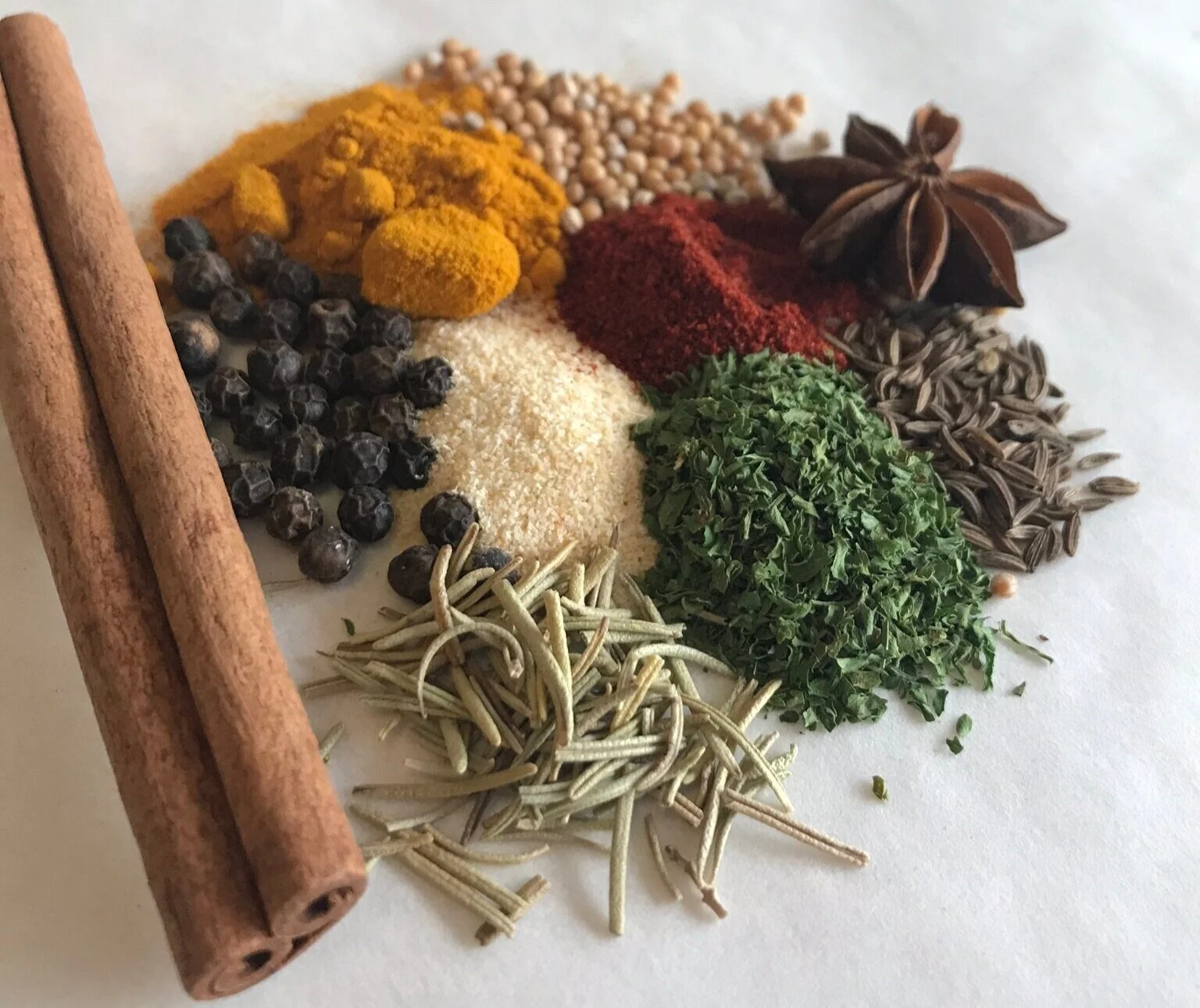
When sourcing Black Pepper for your business, securing the right balance of quality and cost is essential. Free Lance, a verified supplier based in Philippines, offers this product for international export. By purchasing directly from the manufacturer or authorized exporter, buyers can negotiate favorable FOB prices starting at $180/Bags and manage bulk orders with a minimum order quantity (MOQ) of 1 Bags. This product is a staple in the Pepper sector with strong demand from importing countries worldwide.
Importing Black Pepper requires careful attention to shipping logistics, customs compliance, and secure payment terms. Free Lance offers flexible shipping options such as Full Container Load (FCL) or Less than Container Load (LCL) via sea freight. Common payment methods for international B2B transactions include Letter of Credit (L/C), Telegraphic Transfer (T/T), and Documents against Payment (D/P). All transactions and RFQs are facilitated through EximNext, a leading global B2B marketplace designed to make cross-border trade secure and efficient.
Finding trustworthy partners is the foundation of successful importing. The supplier of this Black Pepper has been verified on our platform. Whether you are a distributor, wholesaler, or procurement manager, you can request a free quotation, ask for product samples, and finalize your bulk purchase with confidence. EximNext hosts thousands of verified manufacturers and exporters across 200+ countries. Explore similar products in the Pepper category and connect with top-tier exporters on our comprehensive import export marketplace. Start your sourcing journey today.
Importing Black Pepper requires careful attention to shipping logistics, customs compliance, and secure payment terms. Common shipping options include Full Container Load (FCL) or Less than Container Load (LCL) via sea freight. Buyers should verify import duties in their destination country. Common payment methods include Letter of Credit (L/C), Telegraphic Transfer (T/T), and Documents against Payment (D/P).
The current listed wholesale price for Black Pepper from Free Lance is $180/Bags on FOB terms from Philippines. Prices may vary depending on order volume, packaging, and destination. For the most accurate bulk quote, send a direct RFQ to Free Lance through EximNext.
The supplier, Free Lance, has set a Minimum Order Quantity (MOQ) of 1 Bags for Black Pepper. For sample requests or smaller trial orders, contact the supplier directly through our platform's inquiry system.
The HS Code classification for Black Pepper depends on the specific grade and form. Contact Free Lance through EximNext for the exact HS Code and customs documentation required for your destination country.
To import Black Pepper from Philippines, negotiate shipping terms (FOB, CIF, or EXW) directly with Free Lance. Ensure you have the necessary import licenses for Pepper products in your destination country.
Yes, Free Lance is a verified supplier on EximNext. You can view their complete company profile, business registration details, certifications, and export history before placing a bulk order.
For a complete technical data sheet or Certificate of Analysis (COA), send an inquiry directly to Free Lance through EximNext.
Free Lance offers Black Pepper with standard export packaging. Custom packaging, private labeling, and OEM/ODM options may also be available for large wholesale orders.
Black Pepper is actively imported by buyers worldwide. Request a destination-specific CIF or CFR quote from Free Lance through our platform.
Free Lance maintains international quality certifications. These ensure that the Black Pepper meets international quality, safety, and regulatory standards required for cross-border trade.
Click "Request Quotation" on this product page, specify your required quantity, preferred shipping terms, and destination country. Free Lance will respond with a detailed wholesale quote including FOB pricing, lead time, and payment options.
Common payment methods include Letter of Credit (L/C), Telegraphic Transfer (T/T), Documents against Payment (D/P), and Escrow services. Confirm accepted terms directly with Free Lance.
Discover more products in Pepper from verified suppliers worldwide.