Agriculture›
Apparel and fashion accessories›
Construction & real estate›💡Electronic & Electrical›🍎Food & Beverages›🛋️Home furnishing & supplies›⚗️Industrial goods & chemical›🪨Minerals & metals›📦Miscellaneous›
Agriculture›
Apparel and fashion accessories›
Construction & real estate›💡Electronic & Electrical›🍎Food & Beverages›🛋️Home furnishing & supplies›⚗️Industrial goods & chemical›🪨Minerals & metals›📦Miscellaneous›

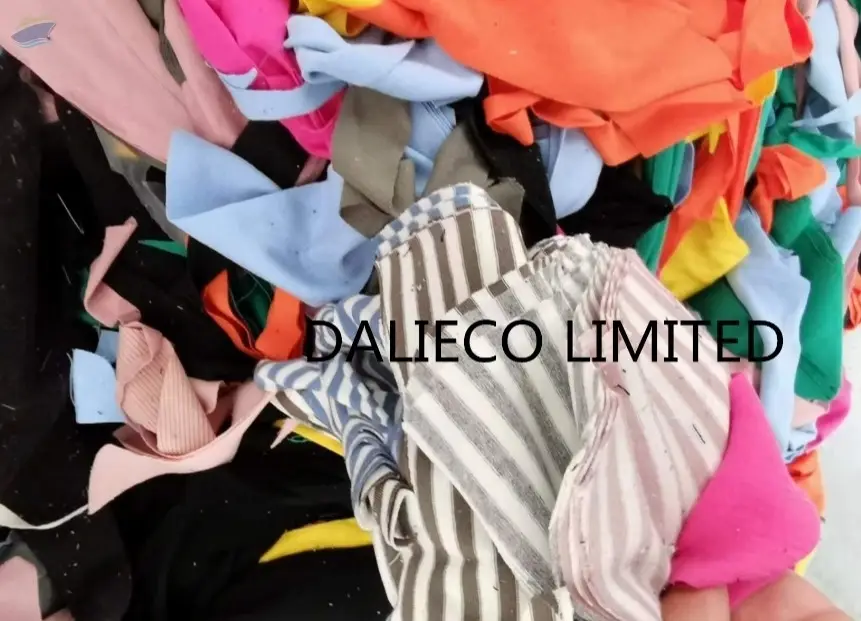
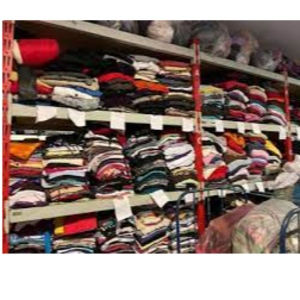
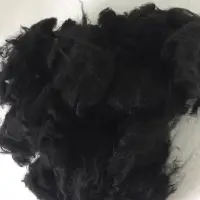
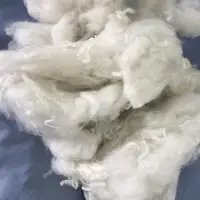
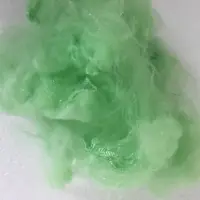
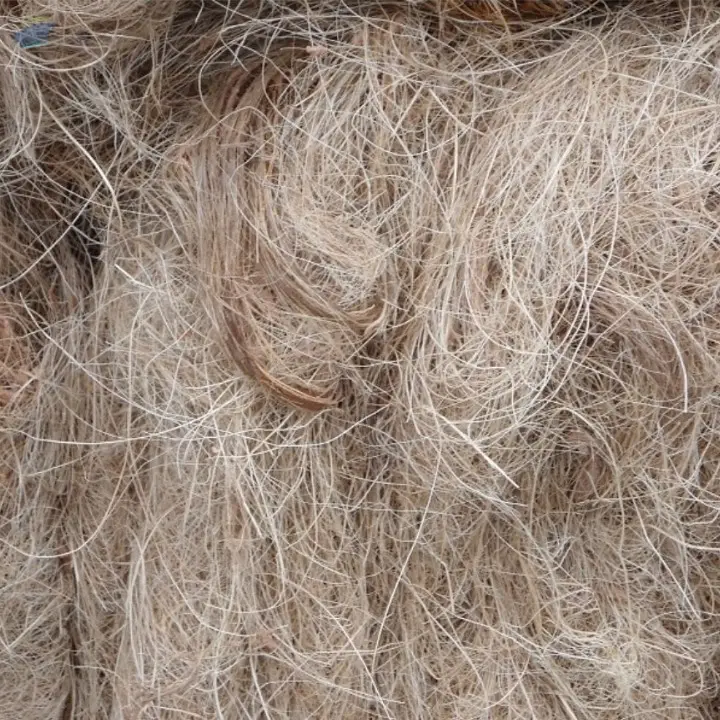
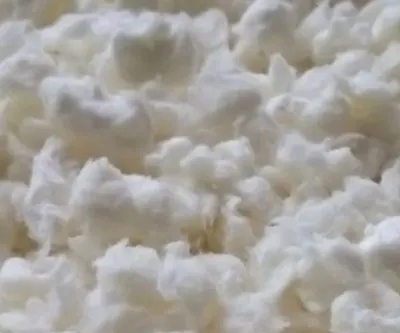
Prime Recycling Waste Industries, based in Lahore, Punjab, Pakistan, offers all types of textile cotton waste for export, drawing on nearly two decades of trade experience. The supplier maintains stock in hand across categories that typically include comber noil, card waste, ring-spun waste, open-end waste, and sel Scrap cutting waste, though buyers should confirm exact grades and current availability directly. Cotton waste is generally classified by fibre length, trash content, and colour; standard grades range from 20 mm to 40 mm staple length with trash levels between 2% and 8% depending on the source process. The supplier's Lahore location positions it within Pakistan's dense Punjab textile belt, where ginning, spinning, and garment manufacturing generate substantial feedstock.
Textile cotton waste originates from multiple stages of yarn and fabric production: carding waste contains shorter fibres and higher impurities, while comber noil consists of longer, cleaner fibres removed during combing. Ring-spun waste and rotor-spun waste differ in fibre parallelism and nepp content; sel Scrap cutting waste includes woven and knitted fabric trimmings with varying degrees of construction integrity. Typical moisture content for cotton waste at export standard is 8.5% maximum, with foreign matter (polyester blends, synthetic threads, packing material) requiring buyer-specified limits. The waste is normally compressed into bales of 150 kg to 200 kg, wrapped in polypropylene or hessian for container shipment. Buyers in non-woven batting, mop yarn, cleaning rag, and insulation industries often prefer specific waste types based on their end-use fibre requirements.
This material serves spinning mills producing coarse-count yarns, non-woven manufacturers making automotive and furniture padding, and companies recycling into regenerated cellulose or composite products. Pakistani cotton waste generally competes on staple length consistency and competitive labour costs in manual sorting. Importers should verify bale weights, compression ratios, and whether waste is offered as single-grade lots or mixed containers. Payment terms, Incoterms, and lead times are not stated in the listing and must be confirmed with the supplier before commitment.
| Product Category | Textile cotton waste (mixed grades) |
| Typical Staple Length Range | 20 mm to 40 mm (standard for card and comber wastes) |
| Typical Trash Content | 2% to 8% by weight (standard, varies by waste type) |
| Typical Moisture Content | 8.5% maximum at export (standard specification) |
| Typical Bale Weight | 150 kg to 200 kg per bale (standard industry compression) |
| Typical Bale Wrapping | Polypropylene or hessian packaging (standard for sea freight) |
| Common Waste Types Available | Card waste, comber noil, ring-spun waste, open-end waste, sel scrap cutting waste (confirm current stock with supplier) |
| Origin of Feedstock | Punjab textile belt, Pakistan (ginning, spinning, garment manufacturing sectors) |
| Supplier Location | Lahore, 54600, Punjab, Pakistan |
| Supplier Export Experience | 19 years in textile waste export (per supplier statement) |
Prime Recycling Waste Industries operates from 20 Sarwar Town, Lahore, 54600, in Punjab province, Pakistan. The supplier carries a harbor trust tier and reports a 0.00% response rate with zero average response hours, which indicates no confirmed buyer communication history through the platform. The listing states 19 years of export experience in textile products, though no independent verification, certifications, or third-party audit details are provided. Buyers should conduct direct due diligence on company registration, export licence status, and banking references before advancing negotiations.
The supplier's profile is sparse: no employee count, annual turnover, specific factory details, or named clients appear. The source description suggests stock-held inventory and openness to inquiries across all textile waste types, but does not commit to specific grades, quantities, or readiness timelines. This is consistent with a trading or sorting operation rather than a direct manufacturing source. Importers are advised to request recent shipment references, sample bales for quality assessment, and documented sorting capabilities before placing trial orders.
| Business Type | Supplier |
| Year Established | Recently Joined |
| Employees | Contact Supplier |
| Annual Revenue | Contact Supplier |
| Main Products | View Products Tab |
| Major Markets | Global |
| Response Time | <4h |
| Response Rate | New Supplier |
Before ordering textile cotton waste from Prime Recycling Waste Industries, verify the supplier's business registration with the Securities and Exchange Commission of Pakistan (SECP) and obtain a valid export registration certificate (ERC) number. Request recent bill of lading references to confirm active shipping history, and ask for sample bales representing each grade you intend to purchase. Given the 0.00% response rate, initiate contact through multiple channels (email, telephone, registered mail) and document all communications; consider a pre-shipment inspection by an accredited third party such as SGS, Bureau Veritas, or Intertek stationed in Karachi or Lahore.
Logistics arrangements should be confirmed in writing: specify Karachi Port as the standard Pakistan exit point, with inland transport from Lahore to port typically handled by road trailer or rail freight. Clarify whether the supplier delivers to Karachi container freight station (CFS) or arranges stuffing at their premises. For Incoterms, FOB Karachi places loading risk on the supplier, while CIF destination requires clarity on marine insurance coverage limits and named port of discharge. Payment terms remain unconfirmed; for initial transactions, a confirmed letter of credit through a bank with Pakistani correspondent relationships reduces documentary and performance risk.
Quality checks at origin should include bale weight verification (weighbridge certificates), moisture content testing per ASTM D2654 or ISO 6741-1, and foreign matter assessment through representative sampling (minimum 5% of bales, or per AQL standard). Request a pre-shipment inspection clause in the sales contract allowing buyer-appointed surveyor access to Lahore warehouse 48 hours before stuffing. Documentation to demand includes packing list with bale numbers and weights, commercial invoice, certificate of origin from the Lahore Chamber of Commerce, and any phytosanitary certificate required by the destination country for plant fibre imports. Retain 10% payment against final inspection report at discharge port to enforce compliance.
Active buying requirements from importers looking for Similar products

Compare alternatives, find similar products and connect with verified suppliers
When sourcing All Types Of Textile Cotton Waste for your business, securing the right balance of quality and cost is essential. Prime Recycling Waste Industries, a verified supplier based in Pakistan, offers this product for international export. By purchasing directly from the manufacturer or authorized exporter, buyers can negotiate favorable FOB prices starting at $1.1/Bags and manage bulk orders with a minimum order quantity (MOQ) of 1 Bags. This product is a staple in the Textile Waste sector with strong demand from importing countries worldwide.
Importing All Types Of Textile Cott requires careful attention to shipping logistics, customs compliance, and secure payment terms. Prime Recycling Waste Industries offers flexible shipping options such as Full Container Load (FCL) or Less than Container Load (LCL) via sea freight. Common payment methods for international B2B transactions include Letter of Credit (L/C), Telegraphic Transfer (T/T), and Documents against Payment (D/P). All transactions and RFQs are facilitated through EximNext, a leading import export marketplace designed to make cross-border trade secure and efficient.
Finding trustworthy partners is the foundation of successful importing. The supplier of this All Types Of Textile Cott has been verified on our platform. Whether you are a distributor, wholesaler, or procurement manager, you can request a free quotation, ask for product samples, and finalize your bulk purchase with confidence. EximNext hosts thousands of verified manufacturers and exporters across 200+ countries. Explore similar products in the Textile Waste category and connect with top-tier exporters on our comprehensive online B2B marketplace. Start your sourcing journey today.
Importing All Types Of Textile Cott requires careful attention to shipping logistics, customs compliance, and secure payment terms. Common shipping options include Full Container Load (FCL) or Less than Container Load (LCL) via sea freight. Buyers should verify import duties in their destination country. Common payment methods include Letter of Credit (L/C), Telegraphic Transfer (T/T), and Documents against Payment (D/P).
The current listed wholesale price for All Types Of Textile Cotton Waste from Prime Recycling Waste Industries is $1.1/Bags on FOB terms from Pakistan. Prices may vary depending on order volume, packaging, and destination. For the most accurate bulk quote, send a direct RFQ to Prime Recycling Waste Industries through EximNext.
The supplier, Prime Recycling Waste Industries, has set a Minimum Order Quantity (MOQ) of 1 Bags for All Types Of Textile Cott. For sample requests or smaller trial orders, contact the supplier directly through our platform's inquiry system.
The HS Code classification for All Types Of Textile Cotton Waste depends on the specific grade and form. Contact Prime Recycling Waste Industries through EximNext for the exact HS Code and customs documentation required for your destination country.
To import All Types Of Textile Cott from Pakistan, negotiate shipping terms (FOB, CIF, or EXW) directly with Prime Recycling Waste Industries. Ensure you have the necessary import licenses for Textile Waste products in your destination country.
Yes, Prime Recycling Waste Industries is a verified supplier on EximNext. You can view their complete company profile, business registration details, certifications, and export history before placing a bulk order.
For a complete technical data sheet or Certificate of Analysis (COA), send an inquiry directly to Prime Recycling Waste Industries through EximNext.
Prime Recycling Waste Industries offers All Types Of Textile Cott with standard export packaging. Custom packaging, private labeling, and OEM/ODM options may also be available for large wholesale orders.
All Types Of Textile Cott is actively imported by buyers worldwide. Request a destination-specific CIF or CFR quote from Prime Recycling Waste Industries through our platform.
Prime Recycling Waste Industries maintains international quality certifications. These ensure that the All Types Of Textile Cott meets international quality, safety, and regulatory standards required for cross-border trade.
Click "Request Quotation" on this product page, specify your required quantity, preferred shipping terms, and destination country. Prime Recycling Waste Industries will respond with a detailed wholesale quote including FOB pricing, lead time, and payment options.
Common payment methods include Letter of Credit (L/C), Telegraphic Transfer (T/T), Documents against Payment (D/P), and Escrow services. Confirm accepted terms directly with Prime Recycling Waste Industries.
Discover more products in Textile Waste from verified suppliers worldwide.