Zibo Win-Ceramic Material Co. Ltd — Supplier
About Zibo Win-Ceramic Material Co. Ltd - Other Ceramic Products Supplier in China
China hosts Zibo Win-Ceramic Material Co. Ltd, which lists 213 distinct ceramic products in its online catalogue. The supplier’s catalogue spans several top categories including Other Ceramic Products, Ceramic Bricks, Beads, Aluminium Balls, Abrasives, Tiles and Ceramic Tiles. Product entries cover alumina‑based six‑wing rings, high‑alumina lining bricks, and yttria‑stabilized zirconia beads, each identified with specific HS‑code families such as 6902, 6903, 6904 and 6909. The HS codes reflect the material composition and form, for example 6903.20 for high‑alumina bricks and 6909.11 for zirconia beads with ≥99.5 % ZrO₂. The catalogue also records dimensions for each item, ranging from 0.1 mm beads to 150 mm bricks.
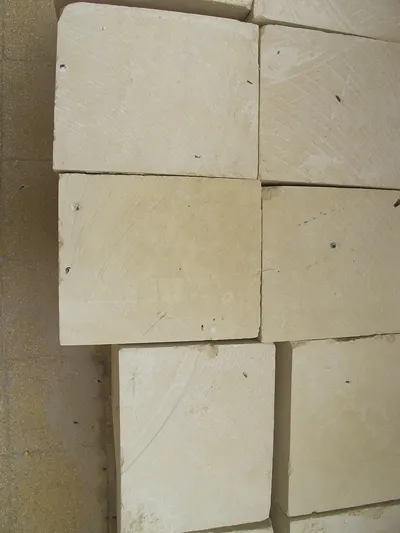
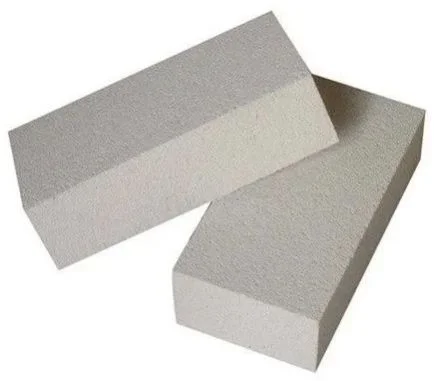
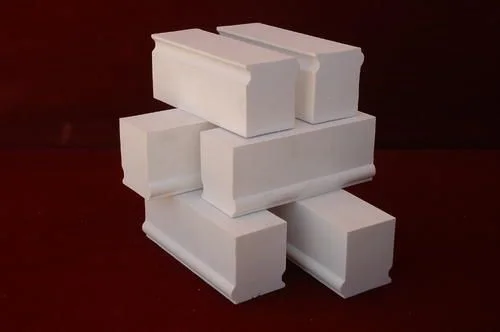
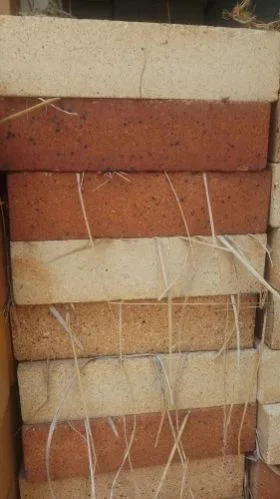
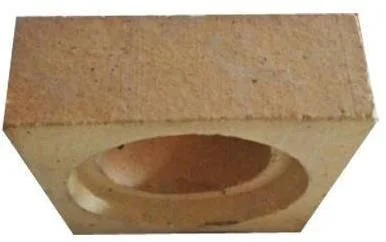
The six‑wing ring series includes sizes such as 60 × 72 mm, 75 × 56 mm and 55 × 64 mm, all described as alumina ceramic components. Lining bricks are offered in dimensions like 37.5 × 50 × 50 mm, 150 × 50 × 40 mm and 75 × 50 × 70 mm, with Al₂O₃ content specified between 70 % and 95 %. Zirconia beads are listed from 0.1 mm up to 30 mm, with yttria stabilisation levels of 3 - 5 mol % Y₂O₃ and overall ZrO₂ purity of 94 - 99.5 %. Each product entry includes the HS code that aligns with the World Customs Organization classification for ceramic materials. No additional product lines beyond those listed are indicated in the supplied data.
Product Range and Specialties of Zibo Win-Ceramic Material Co. Ltd
The catalogue’s six‑wing rings are fabricated from high‑purity alumina ceramic, typically containing Al₂O₃ > 99 % and a bulk density around 3.9 g/cm³. Industry tolerances for these rings are usually ±0.2 mm on each dimension, and they are supplied in standard packaging that protects the angular features during transport. High‑alumina lining bricks such as those coded 6903.20 or 6904.90 are used as refractory linings; the market expects Al₂O₃ content between 70 % and 99 %, porosity below 10 %, compressive strength exceeding 150 MPa, and compliance with ASTM C774 or ISO 13048 for refractory performance. Yttria‑stabilized zirconia beads are common in dental prosthetics and solid‑oxide fuel cells, where the typical specification is ZrO₂ purity of 94‑99.5 % with 3‑5 mol % Y₂O₃, particle‑size distribution measured by laser diffraction (D10‑D90), and a density near 5.6 g/cm³. The catalogue’s range therefore aligns with the standard grades and material properties demanded by downstream manufacturers.
Trade and Export Information - Zibo Win-Ceramic Material Co. Ltd
China is a leading exporter of high‑alumina ceramics and yttria‑stabilized zirconia products, with major import destinations in Europe (Germany, Italy), North America (USA, Canada) and East Asia (Japan, South Korea). The relevant HS‑code families - 6902 for refractory bricks, 6903 for other ceramic articles, 6904 for unprocessed ceramic goods and 6909 for ceramic beads - are routinely inspected by customs, and buyers usually request ISO 9001 quality‑management certificates and material test reports that confirm chemical composition and mechanical properties. Export logistics for the listed items typically involve shrink‑wrapped bundles for beads and palletized wooden crates for bricks and rings; a 20‑ft container can accommodate roughly 1 ton of bricks or 800 kg of beads, while a 40‑ft container doubles that capacity. Incoterms such as FOB or CIF are commonly used, and Chinese customs may require a certificate of origin and a safety data sheet for ceramic powders and beads.
Buyers should ask for a full material test report that details Al₂O₃ percentage for bricks, ZrO₂ and Y₂O₃ percentages for zirconia beads, bulk density, and any relevant mechanical strength values. Verify that the HS code on the commercial invoice matches the product description (e.g., 6903.20 for high‑alumina lining bricks, 6909.11 for ≥99.5 % ZrO₂ beads). Request ISO 9001 or ISO 14001 certification copies, and confirm that the supplier can provide ASTM or ISO test reports specific to the intended application. Check packaging details - beads are often supplied in 10 kg shrink‑wrapped packs, bricks in palletized crates - to ensure that freight calculations are accurate and that the goods will arrive undamaged. Minimum order quantities are generally driven by container load, but smaller test batches can be negotiated; lead times for the ceramic components listed typically range from 30 to 60 days after order confirmation and receipt of any required sample approvals.
Sourcing from Zibo Win-Ceramic Material Co. Ltd - Buyer Guidance
When sourcing from Zibo Win-Ceramic Material Co. Ltd, start by requesting a representative sample of the exact size and material grade you intend to purchase, together with the accompanying test report. Confirm that the sample’s Al₂O₃ content or ZrO₂ purity meets the specifications required for your downstream process, and that dimensions are within the industry tolerance of ±0.2 mm for rings or ±1 mm for bricks. Ensure that the commercial invoice lists the correct HS code (e.g., 6903.20 for high‑alumina bricks) and that the supplier can provide the standard certifications such as ISO 9001, ISO 14001, and any ASTM test reports relevant to refractory or ceramic bead applications. Review the packaging plan - shrink‑wrapped bead packs or palletized brick crates - to verify that the freight volume and weight align with your logistics provider’s capacity. Finally, clarify the agreed Incoterm (FOB or CIF) and request a copy of the certificate of origin and safety data sheet to smooth customs clearance in the destination country.
Frequently Asked Questions About Zibo Win-Ceramic Material Co. Ltd
What are the typical Al₂O₃ content ranges for the alumina ceramic lining bricks listed?
The catalogue specifies Al₂O₃ content from 70 % up to 95 %, with individual items such as the 37.5 × 50 × 50 mm brick exceeding 70 % and the 150 × 50 × 40 mm brick listed at 90‑95 %.
Which HS codes apply to the zirconia beads and how should they be declared?
Zirconia beads are shown with HS codes 6909.11, 6909.12, 6909.19 and 6903.20. The correct code depends on bead size and composition; for Y‑TZP beads with ≥99.5 % ZrO₂ the code 6909.11 is commonly used.
What certifications are commonly required for high‑alumina ceramic products from China?
Importers typically request ISO 9001 quality‑management certification and, for refractory applications, compliance with ASTM C774 or ISO 13048. Environmental certification such as ISO 14001 may also be requested.
How are the six‑wing rings typically packaged for shipment?
Rings are usually packed in wooden crates or reinforced cardboard boxes, with each crate holding 10 - 15 rings depending on size, and then palletized for container loading.
What is a typical lead time for the alumina ceramic grinding columns?
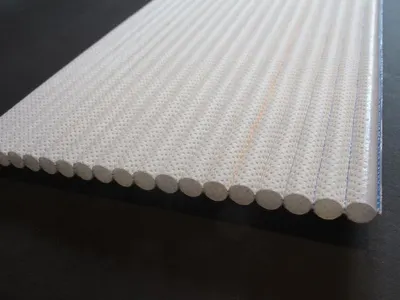
Lead times reported for similar ceramic grinding columns range from 30 to 45 days after order confirmation, subject to production scheduling and any required pre‑shipment testing.
What sample procedures should a buyer follow before placing a bulk order?
Request a small batch (e.g., 1 kg of beads or a single brick) together with a full material test report, verify dimensions and tolerance, and confirm that the sample meets the required Al₂O₃ or ZrO₂ purity specifications.
Are there any import restrictions or special documentation for HS code 6903.20 items?
Items under HS 6903.20 are classified as ceramic products; many countries require a certificate of origin, a material safety data sheet, and test reports confirming chemical composition before customs clearance.




 , China