Agriculture›
 Apparel and fashion accessories›
 Construction & real estate›💡Electronic & Electrical›🍎Food & Beverages›🛋️Home furnishing & supplies›⚗️Industrial goods & chemical›🪨Minerals & metals›📦Miscellaneous›Agriculture›Apparel and fashion accessories›Construction & real estate›💡Electronic & Electrical›🍎Food & Beverages›🛋️Home furnishing & supplies›⚗️Industrial goods & chemical›🪨Minerals & metals›📦Miscellaneous›
Zhengzhou Sebon Heavy Machinery Co., Ltd.
⚓ Harbor , ChinaNew supplier / no reviews yet
Zhengzhou Sebon Heavy Machinery Co., Ltd. Product Catalog
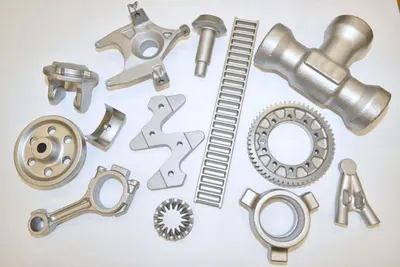
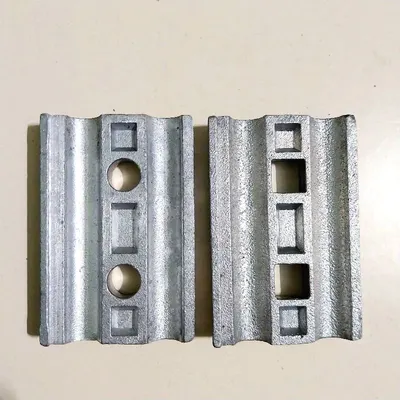
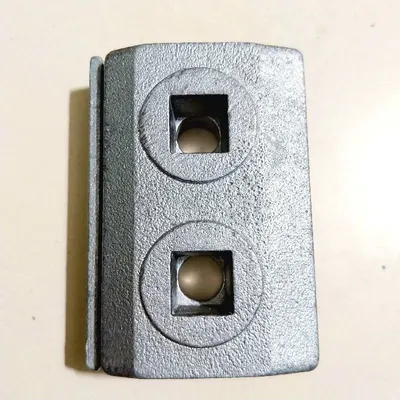
About Zhengzhou Sebon Heavy Machinery Co., Ltd. - Aluminum Die Casted Parts Supplier in China
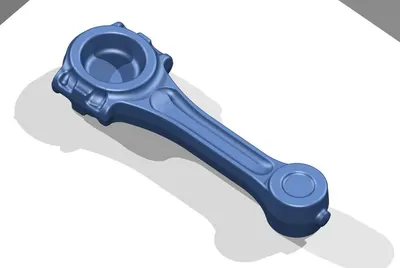
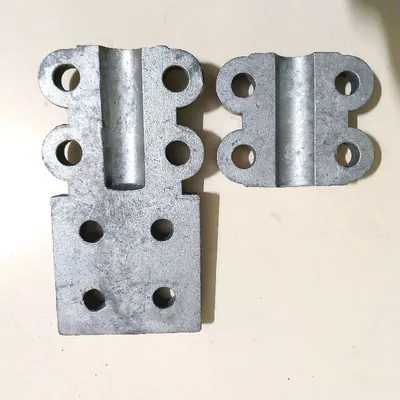
Based in China, Zhengzhou Sebon Heavy Machinery Co., Ltd. lists five aluminium die‑casting products in its catalogue. The active product count of five includes A380 Aluminium Die Casting, ADC1 Aluminium Die Casting, ADC3 Aluminium Die Casting, ADC5 Aluminium Die Casting and A360 Aluminium Die Casting. All items fall under the aluminium die‑cast parts category, which is classified in the HS chapter 76 (Aluminium and articles thereof). The catalogue does not provide individual HS‑6 codes, but the products are generally covered by HS 7615 xx for aluminium articles. The supplier’s catalogue focuses exclusively on aluminium alloy castings without additional material families.
The listed alloys correspond to common aluminium die‑casting grades used in automotive and industrial components. A380 and A360 are typical high‑strength casting alloys, while ADC1, ADC3 and ADC5 represent specialized compositions for improved fluidity or corrosion resistance. Each product is offered as a raw casting that can be machined or finished according to buyer specifications. The supplier does not disclose dimensions, tolerances or surface‑treatment options in the public data. Potential buyers should request detailed technical sheets for each alloy to confirm suitability.
Product Range and Specialties of Zhengzhou Sebon Heavy Machinery Co., Ltd.
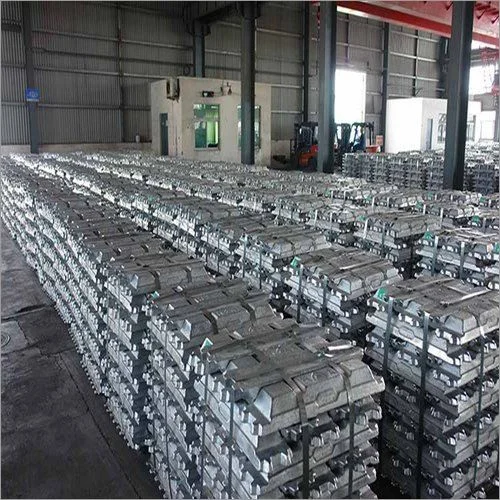
Zhengzhou Sebon’s catalogue comprises five aluminium die‑cast alloys: A380, A360, ADC1, ADC3 and ADC5. In the broader industry, A380 and A360 are among the most widely used die‑casting grades, offering tensile strengths of roughly 310 MPa and 310 MPa respectively, with elongation around 2‑3 %. ADC series alloys are typically formulated for enhanced fluidity, lower melting points, or specific corrosion‑resistance requirements, and are often selected for electronic housings, automotive engine components, and precision gearboxes. Standard specifications for these alloys follow ASTM B26 or SAE AMS‑2400 series, and buyers commonly request certification to these standards, along with material test reports indicating composition, density and hardness. Typical product forms include 1 kg to 20 kg ingots, 10 L to 200 L melt batches, and finished castings packaged in wooden crates or bulk pallets for container loading.
Frequently Asked Questions About Zhengzhou Sebon Heavy Machinery Co., Ltd.
What aluminium alloys are available from Zhengzhou Sebon?
The supplier lists five die‑cast alloys - A380, A360, ADC1, ADC3 and ADC5 - each identified by the standard alloy designation used in the industry.
Which HS code is applied to these die‑cast parts?
Aluminium die‑cast articles are generally classified under HS chapter 76, specifically HS 7615 xx for aluminium articles, which is the typical code used for customs clearance of these products.
What certifications should a buyer request from Zhengzhou Sebon?
Buyers should ask for ISO 9001 quality‑management certification and material test reports that reference ASTM B26 or SAE AMS‑2400 specifications for the listed alloys.
How are the castings packaged for export?
The supplier typically packs castings in wooden crates or bulk pallets, sized to fit standard 20 ft or 40 ft containers, and includes a packing list and commercial invoice for customs.
What are the common applications for the A380 and A360 alloys?
A380 and A360 are high‑strength casting alloys commonly used in automotive engine blocks, transmission housings, and consumer‑electronics frames due to their good fluidity and mechanical properties.
ChinaRelated Suppliers & Products
Explore similar suppliers, related products and trending categories