Zhejiang Deguang Machinery Co., Ltd — Supplier
About Zhejiang Deguang Machinery Co., Ltd - Printing and Converting Machinery Supplier in China
Zhejiang Deguang Machinery Co., Ltd is a China-based supplier operating from Zhejiang province, a coastal manufacturing region on the East China coast that hosts a large cluster of printing, packaging and converting machinery producers. The supplier lists 5 active products grouped under three headings: Offset Printing Machinery & Equipments, Industrial Machinery, and Laser Equipments & Products. Its catalogue covers the main machine families used in flexible packaging and label converting lines, spanning printing, lamination, slitting and cutting. No specific certifications, production capacity, or client references are provided in the available facts, so these are not stated as attributes of the company.
The product mix points to a converter-focused offering rather than a general press shop: rotogravure and flexo printing heads feed a laminator, with slitting and cutting machines positioned as downstream finishing units. Zhejiang province is one of the principal Chinese hubs for mid-capacity packaging machinery, exporting to converters in Southeast Asia, the Middle East, Africa and Latin America. Buyers evaluating this supplier should therefore treat it within that cluster context, comparing its line-up to other Zhejiang and Guangdong machinery makers serving the same converting end-markets.
Product Range and Specialties of Zhejiang Deguang Machinery Co., Ltd
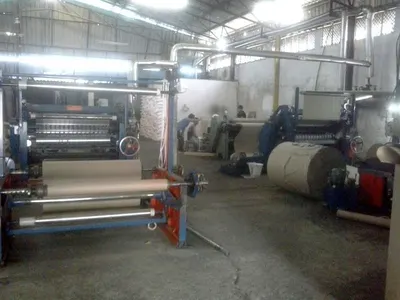
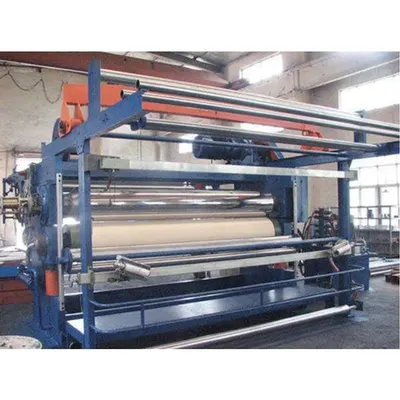
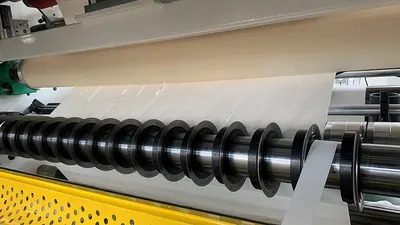
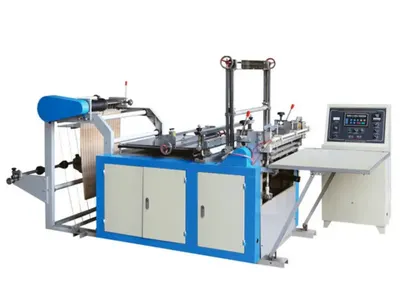
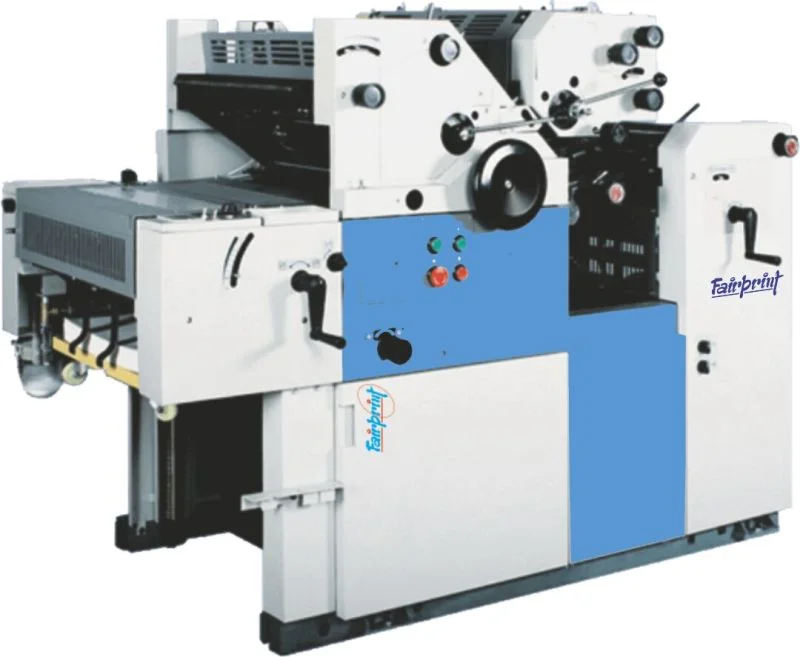
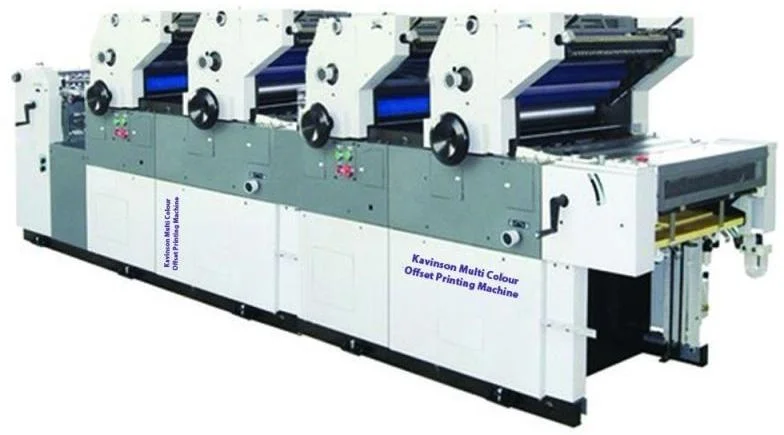
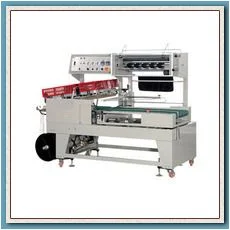
The catalogue of Zhejiang Deguang Machinery Co., Ltd covers five machines that map to a typical flexible packaging or label converting workflow. The Rotogravure Printing Machine and Flexo Printing Machine are the two principal web printing technologies used on film, paper, aluminium foil and laminate webs, with rotogravure typically specified for long-run repeat work at 80-200 m/min and flexo favoured for shorter runs with quick-change sleeve or plate-cylinder setups. The High Speed Dry Laminating Machine is the standard downstream unit for bonding two or more webs with solvent-based, water-based or solventless adhesives, commonly specified with web widths from 600 mm up to 1,500 mm and machine speeds in the 80-150 m/min range. The Surface Rolling Slitting Machine and Cutting Machine complete the line, providing roll slitting and sheet or roll cutting for finished goods, with slitter-rewinder models typically rated for 100-300 m/min depending on web width and rewind diameter.
Buyers comparing machines in this category should look at the technical parameters that govern output and changeover time: maximum web width, mechanical speed (m/min), repeat length for gravure cylinders (typically 300-1,200 mm), drying tunnel configuration (gas-fired or electric), unwind/rewind diameter (often 600 mm or 1,000 mm), tension control range, and registration accuracy (commonly ±0.1 mm for gravure, ±0.15 mm for flexo). For dry laminators, key specs are adhesive type compatibility, coating weight control, oven length and temperature zones, and lamination nip pressure. For slitters and cutters, buyers typically verify razor or shear cut, minimum slit width (often 20-50 mm), rewind diameter, and knife positioning accuracy. The supplier's catalogue does not list these parameters, so they should be requested during enquiry alongside machine layout drawings, power consumption figures and total connected load.
Trade and Export Information - Zhejiang Deguang Machinery Co., Ltd
Printing and converting machinery exported from China typically falls under HS code 8443 (printing machinery, including ink-jet, other than those of heading 8442), with laminating machines generally classified under 8479.89 (machines and mechanical appliances having individual functions, not specified or included elsewhere), and slitting/cutting machines for paper, film or foil commonly under 8441.10 or 8465. Buyers importing this category into the EU, North America, the Gulf states, or Africa should expect customs procedures that often require a commercial invoice, packing list, bill of lading, certificate of origin (Form E for ASEAN, GSP Form A for some African and Asian destinations), and, for CE-marked destinations, a Declaration of Conformity supported by technical files covering the Machinery Directive 2006/42/EC and the Low Voltage Directive 2014/35/EU. Importers in Saudi Arabia, UAE and several African countries additionally require a SASO/PES or SONCAP conformity assessment, often handled through pre-shipment inspection by appointed third-party bodies such as SGS, Bureau Veritas or Intertek.
Chinese machinery exporters in this segment typically sell on FOB Shanghai or Ningbo terms, with CIF and CFR arrangements common for buyers in the Middle East, Africa and South America. Standard export packing is wooden cases with internal fumigation and moisture barrier film, and seaworthy bracing for 20 ft or 40 ft containers; a single mid-size gravure press or laminator typically occupies a 40 ft high-cube unit. Lead times for built-to-stock machines are commonly 30-60 days, while custom-configured lines with extended web width, special drying tunnels or additional printing units often run 90-150 days from order confirmation. Payment norms in this trade are 30% T/T deposit with balance against B/L copy, with irrevocable L/C at sight used for first-time buyers and larger orders. Zhejiang-based suppliers generally export to Southeast Asia, India, the Middle East, North and Sub-Saharan Africa, Turkey, Russia/CIS and parts of Latin America, serving flexible packaging converters, label printers and paper-product manufacturers.
Sourcing from Zhejiang Deguang Machinery Co., Ltd - Buyer Guidance
Buyers approaching Zhejiang Deguang Machinery Co., Ltd should treat the enquiry as a technical specification exercise rather than a catalogue purchase. Request the full parameter sheet for each machine: web width range, mechanical and production speeds, number of printing stations, drying configuration, registration system, unwind/rewind diameter, tension control type, total power consumption, compressed air requirement, and overall machine footprint with weight. Ask for a detailed line layout drawing showing how the rotogravure or flexo press, laminator, slitter and cutting machine integrate, plus the recommended floor space, foundation requirements and operator skill level. Confirm whether the quoted configuration is a standard model or a custom build, and clarify which optional modules (corona treater, automatic registration, viscosity control, ink circulation, shaftless unwind) are included or priced separately.
Verification steps before order should include requesting reference lists of similar installations in the buyer's target market, recent FAT (Factory Acceptance Test) videos, and CE or equivalent compliance documents relevant to the destination country. Buyers should also request a sample test run on the buyer's own substrate (BOPP, PET, PE, paper, aluminium foil) at the supplier's workshop, ideally witnessed in person or via video. Standard documents to obtain are the proforma invoice with full HS code 8443 or 8479.89 line items, the technical contract specifying acceptance criteria (speed, registration tolerance, waste percentage), installation and commissioning scope, training duration, and warranty terms (typically 12 months on mechanical parts). It is advisable to negotiate a retention clause of 5-10% released after a defined production trial period, and to confirm spare parts availability, lead time for wear items (doctor blades, anilox rollers, gravure cylinders, slitter knives), and remote or on-site service support.
Frequently Asked Questions About Zhejiang Deguang Machinery Co., Ltd
What product categories does Zhejiang Deguang Machinery Co., Ltd supply?
The supplier lists 5 active products grouped under Offset Printing Machinery & Equipments, Industrial Machinery, and Laser Equipments & Products. The catalogue includes a Rotogravure Printing Machine, Flexo Printing Machine, High Speed Dry Laminating Machine, Surface Rolling Slitting Machine, and Cutting Machine, covering the main stages of a flexible packaging or label converting line.
Which HS codes apply to the machines in this catalogue?
Rotogravure and flexo printing machines are typically classified under HS code 8443, dry laminating machines under 8479.89, and slitting and cutting machines for paper, film or foil under 8441.10 or 8465. Buyers should confirm the exact classification with the supplier on a per-model basis before customs clearance.
Which documents and certifications should be requested before ordering?
Request the proforma invoice with HS code, full technical parameter sheet, CE Declaration of Conformity where the machine is destined for the EU or other CE-recognising markets, and the operating manual. For shipments to Saudi Arabia, UAE or several African countries, also confirm whether a SASO/PES or SONCAP conformity certificate will be arranged.
What quality and acceptance tests are typical for printing and laminating machines?
Standard acceptance tests include a cold and hot running test at mechanical and production speed, registration accuracy check (commonly ±0.1 mm for gravure), ink lay-down and drying verification, lamination bond strength test on the buyer's substrate, and slitting width tolerance check. Buyers should specify these tests in the technical contract and, where possible, attend the FAT in person or via recorded video.
What is the typical lead time and shipping arrangement?
Standard-configuration machines from Chinese machinery makers are commonly delivered in 30-60 days from order, while custom-built presses or laminators with extended web width or special drying systems often require 90-150 days. Export packing is usually in fumigation-free or fumigated wooden cases, with one mid-size press or laminator typically loaded into a 40 ft high-cube container.
What payment terms are standard in this trade?
The most common arrangement is 30% T/T deposit on order confirmation and 70% balance against B/L copy after inspection. Irrevocable L/C at sight is frequently used for first-time buyers and for orders above typical mid-size press values. The exact terms should be agreed in the proforma invoice and reflected in the technical contract.
Which spare parts and after-sales support should be confirmed?
Buyers should confirm the recommended spare parts list (doctor blades, anilox rollers, gravure cylinders, slitter knives, bearings, belts, heaters, sensors), local or regional service availability, and the response time for remote or on-site support. Warranty terms in this segment are typically 12 months on mechanical parts from the date of commissioning, with electrical and electronic components often covered under a separate clause.




 , China