Yogeshbhai Pandya — Verified Supplier
About Yogeshbhai Pandya - Herbal Products Supplier in India
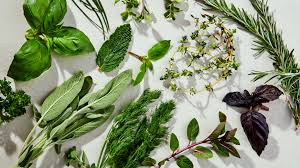
India hosts a catalogue of 33 active products supplied by Yogeshbhai Pandya. The listing spans multiple botanical categories, including Ashwagandka Root Powder, Alfalfa Leaf Powder, various leaf and seed powders, as well as two items with explicit customs classifications: Organic Face Pack (HS 3304.99) and Immunity Booster (HS 1211.90). Each entry is identified by its botanical name or functional blend, reflecting a focus on herbal and plant‑based powders, seeds and topical blends. The supplier’s top categories are recorded as Herbal Products, Agriculture, Fruit Powder, Ashwagandha, Vegetable Powder, Chia Seeds, Hibiscus and Neem Products, which together define the breadth of the offering.
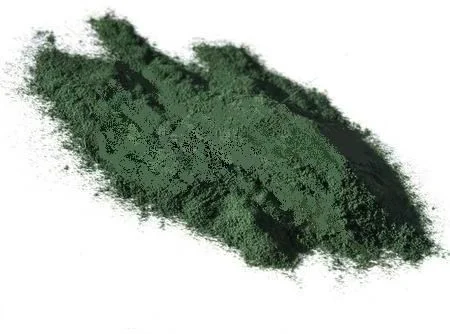
India’s product list also includes niche items such as Neem Giloy, Spirulina Powder, and Dardnashi Oil, showing a mix of food‑grade powders and cosmetic‑grade blends. The two HS‑coded entries illustrate the dual nature of the portfolio: a cosmetic preparation under chapter 33 and a food supplement under chapter 12. No additional certifications are claimed in the source data, so buyers should verify compliance with typical industry standards for herbal powders and cosmetic blends.
Product Range and Specialties of Yogeshbhai Pandya
The catalogue comprises single‑ingredient powders (e.g., Beet Root Powder, Moringa Leaf Powder), blended herbal mixes (Immunity Booster) and seed products (Chia Seeds, Sabja/Basil Seeds). In the herbal‑powder market, buyers usually encounter grades defined by particle size (often 80‑120 mesh) and moisture limits below 12 %. Standard specifications reference ISO 22000 for food safety and ISO 22716 for cosmetics, with many exporters also holding GMP certification. Typical packaging ranges from 500 g stand‑up pouches to 25 kg bulk bags, and bulk shipments are loaded in 20 ft or 40 ft containers depending on volume.
Indian herbal exporters commonly offer organic‑certified batches that meet USDA‑NOP or EU‑organic standards, although such certifications must be confirmed per lot. For seed products like Chia and Basil, purity ≥ 98 % and oil content (e.g., chia oil 30‑35 %) are standard quality markers. Powder blends such as the Immunity Booster are usually tested for active‑ingredient content (e.g., withanolides in Ashwagandha ≥ 5 %) and microbial limits (total plate count < 10⁴ CFU/g).
Trade and Export Information - Yogeshbhai Pandya
India is a leading source of Ayurvedic and botanical powders, with major import demand from the United States, European Union, Middle East and Southeast Asian markets. HS 3304.99 (beauty or make‑up preparations) typically requires compliance with EU Cosmetic Regulation (Regulation EC 1223/2009) and a safety assessment dossier, while HS 1211.90 (other food preparations) falls under food‑safety inspections that may request a Certificate of Analysis and, where applicable, an organic certificate. Export logistics often use CIF or FOB terms, with products packed in moisture‑barrier bags inside wooden crates for sea freight. Indian exporters generally adhere to the Agricultural and Processed Food Products Export Development Authority (APEDA) guidelines, which encourage phytosanitary certificates and, for herbal supplements, a certificate of free sale.
Buyers in Europe and North America frequently request third‑party lab reports covering heavy metals (Pb, Cd, Hg ≤ 10 ppm), pesticide residues (EU‑Pesticides limit), and microbiological parameters (E. coli ≤ 10 CFU/g). The typical container load for powdered herbs is 20 ft for 10‑12 metric tonnes, while seed shipments can reach 15 tonnes per 20 ft container. Importers should verify that the supplier can provide a Bill of Lading, phytosanitary certificate, and, where relevant, an organic certification before shipment.
Sourcing from Yogeshbhai Pandya - Buyer Guidance
When sourcing from Yogeshbhai Pandya, request a full Certificate of Analysis for each powder batch, including assay of active compounds, moisture content, and microbial limits. Verify that the supplier can supply a phytosanitary certificate for seed products and a safety assessment dossier for the cosmetic‑grade Organic Face Pack under HS 3304.99. Buyers should also ask for documentation of any third‑party organic or GMP audits, as these are not listed in the supplier’s public data but are commonly required for herbal and cosmetic imports.
Typical minimum order quantities for single‑ingredient powders range from 200 kg to 1 tonne, while blended products such as Immunity Booster may start at 500 kg due to formulation handling. Lead times are generally 30‑45 days from order confirmation, allowing time for raw‑material sourcing, drying, milling and laboratory testing. Samples (usually 100 g to 500 g) can be requested for lab verification before committing to full‑scale purchase.
Frequently Asked Questions About Yogeshbhai Pandya
What product categories does Yogeshbhai Pandya list?
The supplier lists herbal powders, seed powders, blended botanical blends and two HS‑coded items: a cosmetic face pack (HS 3304.99) and an herbal immunity booster (HS 1211.90).
Are there any certifications mentioned for the products?
No certifications are stated in the supplied data; buyers should request ISO 22000, GMP, organic or other relevant certificates during negotiations.
Which HS codes are associated with the catalogue?
Two products have HS codes: Organic Face Pack is classified under 3304.99 and Immunity Booster under 1211.90. Other items have no HS code disclosed.
What typical quality specifications apply to the powders?
Herbal powders are generally expected to have particle size 80‑120 mesh, moisture ≤ 12 %, heavy‑metal limits ≤ 10 ppm and microbial counts below 10⁴ CFU/g.
What documentation should a buyer request before purchase?
Buyers should ask for a Certificate of Analysis, phytosanitary certificate for seeds, safety assessment dossier for cosmetic items, and any organic or GMP audit reports.
What are common packaging and shipment sizes for these products?
Products are usually packed in moisture‑barrier bags (500 g‑25 kg) placed in 20 ft or 40 ft containers; bulk powder loads can reach 10‑12 tonnes per 20 ft container.
What are typical lead times and minimum order quantities?
Lead times are around 30‑45 days, with MOQ ranging from 200 kg for single‑ingredient powders to 500 kg for blended formulations.
How can a buyer obtain a sample?
Samples of 100‑500 g can be requested directly from the supplier; they are typically provided after confirmation of the buyer’s laboratory testing requirements.




 , India