Agriculture›
 Apparel and fashion accessories›
 Construction & real estate›💡Electronic & Electrical›🍎Food & Beverages›🛋️Home furnishing & supplies›⚗️Industrial goods & chemical›🪨Minerals & metals›📦Miscellaneous›Agriculture›Apparel and fashion accessories›Construction & real estate›💡Electronic & Electrical›🍎Food & Beverages›🛋️Home furnishing & supplies›⚗️Industrial goods & chemical›🪨Minerals & metals›📦Miscellaneous›
Yixing Cleanwater Chemicals Co., Ltd.
⚓ Harbor , ChinaNew supplier / no reviews yet
Yixing Cleanwater Chemicals Co., Ltd. Product Catalog




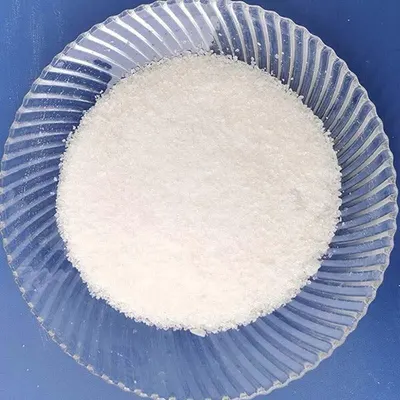
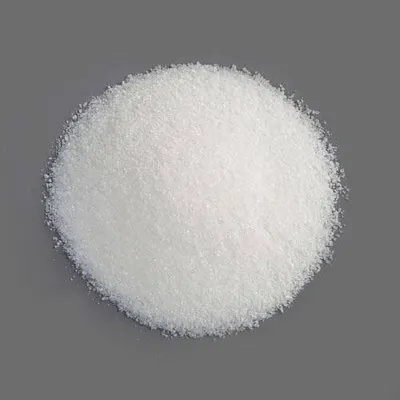
About Yixing Cleanwater Chemicals Co., Ltd. - Water Treatment Chemicals Supplier in China
China’s Jiangsu province, in the Yixing area, hosts Yixing Cleanwater Chemicals Co., Ltd. with a catalogue of 15 active chemical products. The company lists items that fall under water treatment, agricultural and general industrial chemistry, covering both inorganic coagulants and organic polymers. Products include Poly Aluminum Chloride (PAC) variants, several grades of polyacrylamide such as cationic APAM, and bacterial agents for bio‑remediation. The catalogue also contains deodorising agents and specialty chemicals like PDADMAC, each identified by their trade names rather than HS codes. The listing reflects a focus on chemicals used in flocculation, coagulation, sludge treatment and water de‑colouring processes.
The product list comprises Poly Aluminum Chloride, PAC‑02, PAC‑05, PAC‑09 and a generic “PolyAluminium Chloride pac”, as well as Polyacrylamide, Cationic polyacrylamide (APAM) and PDADMAC, which are typical high‑molecular‑weight polymers. Biological solutions include a general Bacteria Agent, an Anaerobic Bacteria Agent and a Deodorising Agent, all aimed at enhancing biological treatment stages. Water decolouring agents are presented under the CW‑08 and CW‑05 names. Each entry corresponds to a distinct formulation used in municipal or industrial water‑treatment plants, agricultural irrigation systems or industrial process streams.
Product Range and Specialties of Yixing Cleanwater Chemicals Co., Ltd.
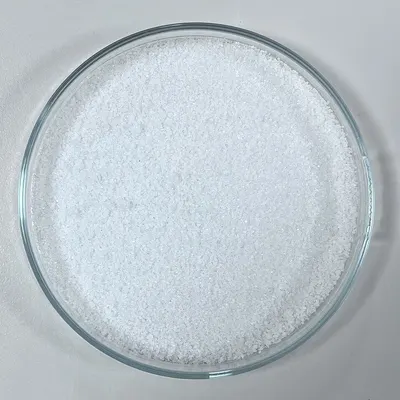
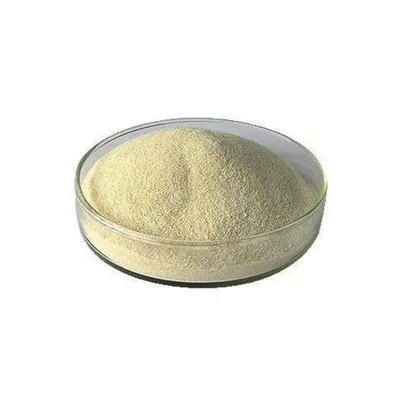
The catalogue centers on water‑treatment chemicals: inorganic coagulants such as Poly Aluminum Chloride (PAC) in several grades, organic flocculants like anionic and cationic polyacrylamide (PAM, APAM) and cationic polymers such as PDADMAC. In the industry, PAC is typically offered at Al₂O₃ contents of 30 % - 45 % and specified by residual aluminum concentration, while polyacrylamide grades are distinguished by molecular weight (0.5 - 10 million g mol⁻¹) and charge density (0.5 % - 10 %). Bacterial agents are usually supplied as freeze‑dried cultures with viable counts expressed in CFU g⁻¹, and deodorising agents are formulated for odor control in wastewater treatment. The CW‑08 and CW‑05 decolouring agents are organic oxidisers commonly graded by COD removal efficiency (e.g., >80 % in laboratory trials).
Frequently Asked Questions About Yixing Cleanwater Chemicals Co., Ltd.
What types of Poly Aluminum Chloride does Yixing Cleanwater Chemicals offer?
The catalogue lists several PAC grades, identified as PAC‑02, PAC‑05, PAC‑09 and a generic PolyAluminium Chloride pac. Each grade is a separate formulation typically differing in Al₂O₃ concentration and residual aluminum levels.
Are the polyacrylamide products anionic or cationic?
Both are present: the standard Polyacrylamide is anionic, while the product named “PAM - Cationic polyacrylamide” and APAM are cationic variants used where charge reversal is required.
What documentation should a buyer request for the bacterial agents?
Buyers should ask for a certificate of analysis showing viable cell count (CFU g⁻¹), a safety data sheet, and any relevant microbial‑strain registration or REACH registration documents.
What are the typical packaging formats for the coagulants?
Chinese manufacturers usually pack PAC and polymer powders in 25 kg polypropylene bags, but bulk orders can be supplied in 1‑ton drums or 20‑ft containers for larger shipments.
Which certifications are commonly required for water‑treatment chemicals exported from China?
Importers often require ISO 9001, REACH compliance for EU destinations, and a third‑party test report (e.g., SGS) confirming purity, heavy‑metal limits and performance parameters.
ChinaRelated Suppliers & Products
Explore similar suppliers, related products and trending categories