Xinbo Machine Making Co. Ltd — Verified Supplier
About Xinbo Machine Making Co. Ltd - Light & Medium Machinery Supplier in China
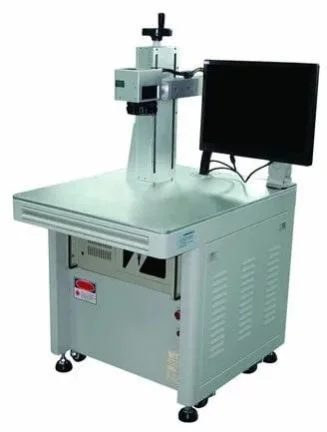
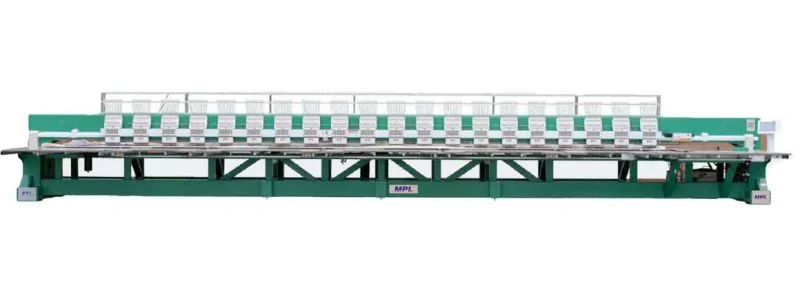
China‑based Xinbo Machine Making Co. Ltd lists eleven active products covering a variety of roll‑forming and metal‑working equipment. The catalogue includes rolling door making machines (HS 8462.31) built from galvanized steel coil or aluminum coil (DX51D, G550), glazed‑tile roll forming machines (HS 8479.89) with carbon‑steel frames and chrome‑coated rollers, and several other roll‑forming lines for decking floors, roof panels, sandwich panels, and light‑steel keels. Additional items such as plate punching marking machines, cable bridge forming machines, supermarket shelf panel machines and cold roll‑forming machinery (HS 8479.30) are also listed, with the small C U Z roll‑forming machine recorded under HS 8462.39 and using carbon or galvanized steel coils. Each machine is described by its primary material construction, reflecting typical industrial‑grade steel and aluminum specifications used in construction‑related machinery.
The supplier’s product set spans the Light & Medium Machinery and Industrial Machinery categories, focusing on equipment that shapes metal sheets for building‑construction applications. No additional corporate history, employee numbers, or revenue data are provided, and the listing does not mention specific certifications held by the company. The information is confined to the eleven machines, their HS‑code families and the material grades explicitly stated in the catalogue.
Product Range and Specialties of Xinbo Machine Making Co. Ltd
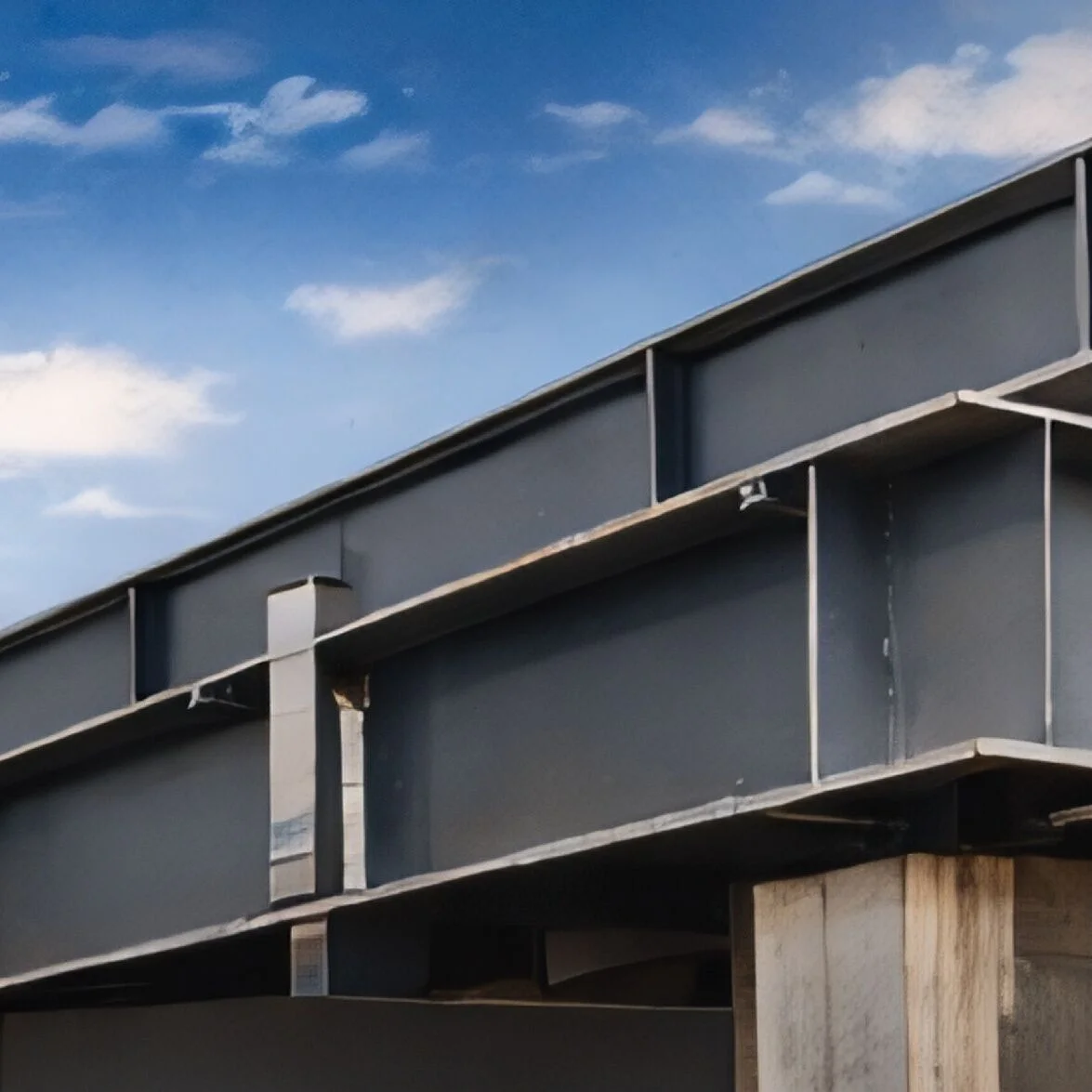
Xinbo’s catalogue centers on roll‑forming machines that convert flat steel or aluminum coils into finished building components such as doors, tiles, decking, roof panels and sandwich panels. In the industry, roll‑forming lines typically handle coil thicknesses from 0.5 mm to 3 mm, widths up to 1 500 mm, and achieve line speeds of 150 - 300 m min‑1, with CNC control for profile accuracy within ±0.2 mm. The rolling door machine’s use of DX51D or G550 steel aligns with the common practice of employing high‑strength, cold‑rolled steel for durability and corrosion resistance. Cold roll‑forming machinery (HS 8479.30) is usually equipped with H‑steel frames to withstand higher forming forces, while the small C U Z roll‑forming unit’s galvanized steel coils (GI, GL, PPGI) are standard for lightweight, corrosion‑protected profiles used in interior fittings.
Trade and Export Information - Xinbo Machine Making Co. Ltd
China is a major exporter of roll‑forming and metal‑working equipment, with buyers in the United States, European Union, Middle East and Southeast Asia regularly importing under HS 8462 and HS 8479 headings. Importers often require CE marking or ISO 9001 quality‑management certification, and third‑party inspection reports (e.g., SGS, Bureau Veritas) before shipment. Standard packaging includes dismantled machine components packed in wooden crates, protected by moisture‑resistant liners, and loaded in 20‑ft or 40‑ft containers using FOB or CIF Incoterms. Export documentation typically comprises the commercial invoice, packing list, bill of lading, certificate of origin and, where required, a test report confirming compliance with IEC 60204‑1 electrical safety standards.
Sourcing from Xinbo Machine Making Co. Ltd - Buyer Guidance
When sourcing roll‑forming machinery from Xinbo, buyers should request material certificates for the steel or aluminum coils specified (e.g., DX51D, G550, GI, GL) and verify the machine’s technical data sheet for coil thickness range, forming force and line speed. Samples of finished profiles are useful to confirm dimensional tolerance and surface finish, while a factory acceptance test (FAT) report can demonstrate compliance with ISO 9001 or CE requirements. Buyers are advised to ask for an independent inspection certificate and a warranty statement covering major components for at least twelve months. Confirming the packaging plan, container size and lead time - typically 30‑60 days after order confirmation - helps align logistics with project schedules.
Frequently Asked Questions About Xinbo Machine Making Co. Ltd
What types of roll‑forming machines does Xinbo list in its catalogue?
The catalogue includes rolling door making, glazed‑tile roll forming, decking floor, roof‑panel double‑layer, sandwich panel, plate punching marking, cable bridge, supermarket shelf panel, cold roll forming and a small C U Z roll‑forming machine.
Which HS codes are associated with Xinbo’s roll‑forming equipment?
Machines are recorded under HS 8462.31 (rolling door), HS 8462.39 (small C U Z roll‑forming), HS 8479.30 (cold roll forming) and HS 8479.89 (glazed‑tile roll forming). Other items fall within the broader HS 8462 or HS 8479 families.
What material grades are used in the rolling door making machine?
The rolling door machine is built from galvanized steel coil or aluminum coil, specifically grades DX51D and G550, which are common high‑strength cold‑rolled steels for construction applications.
What certifications should a buyer request for these machines?
Buyers should request CE marking documentation, ISO 9001 quality‑management certificates, and an independent inspection report (e.g., SGS) confirming compliance with relevant safety and performance standards.
What are typical MOQ and lead time for Xinbo’s machinery?
While the catalogue does not state a minimum order quantity, roll‑forming lines are usually sold as single units. Lead times reported by similar Chinese exporters range from 30 to 60 days after order confirmation.
How are the machines packaged for export?
Machines are typically disassembled, wrapped in protective film, placed in wood crates with moisture‑resistant liners, and loaded into 20‑ft or 40‑ft containers under FOB or CIF terms.
What documentation is required for customs clearance of these machines?
Standard documents include a commercial invoice, packing list, bill of lading, certificate of origin, CE or ISO certificates and any required test reports for electrical safety.
Which regions commonly import roll‑forming equipment from China?
The United States, EU member states, Middle Eastern countries and Southeast Asian nations are the primary import markets for Chinese roll‑forming and metal‑working machinery.




 , China