Agriculture›
 Apparel and fashion accessories›
 Construction & real estate›💡Electronic & Electrical›🍎Food & Beverages›🛋️Home furnishing & supplies›⚗️Industrial goods & chemical›🪨Minerals & metals›📦Miscellaneous›Agriculture›Apparel and fashion accessories›Construction & real estate›💡Electronic & Electrical›🍎Food & Beverages›🛋️Home furnishing & supplies›⚗️Industrial goods & chemical›🪨Minerals & metals›📦Miscellaneous›
Xiamen Tob New Energy Technology Co., Ltd.
⚓ Harbor , ChinaNew supplier / no reviews yet
Xiamen Tob New Energy Technology Co., Ltd. Product Catalog
About Xiamen Tob New Energy Technology Co., Ltd. - Batteries & Chargers Supplier in China
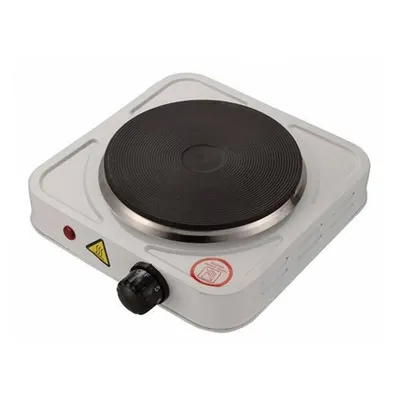
China hosts Xiamen Tob New Energy Technology Co., Ltd., which currently lists eleven distinct products across its catalogue. The company classifies its offerings under categories such as Batteries & Chargers, Sports Goods & Equipments, Agriculture, Industrial Machinery, Animal By‑products, and Laboratory Equipments & Instruments. Its product set includes glove boxes, film applicators, drying machines, battery testing devices and chargers, as well as laboratory hot plates and roller presses. The catalogue references three HS‑code families: 9030.89 for a button cell battery tester, 8419.89 for a lithium‑ion battery electrode vacuum dryer, and 8504.40 for a battery pack charger. All items are described with material specifications such as stainless‑steel interiors, ABS housing, or electronic‑grade components.
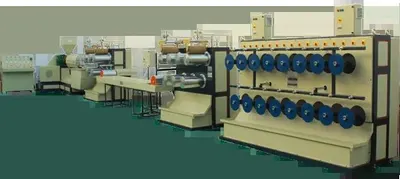
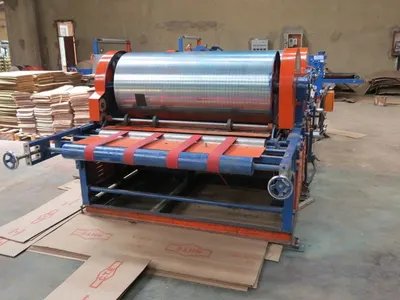
The listed glove boxes are described as stainless‑steel constructions, some with additional coating, suitable for controlled‑atmosphere work. The wet film applicator and hot air dryer machine target coating and drying processes in industrial or laboratory settings. The hydraulic rolling machine and 100 mm width hot roller press are positioned for material handling and lamination tasks. Laboratory equipment includes a hot plate and a vacuum drying oven (Dzf 6050) designed for scientific research. The product portfolio therefore spans equipment used in battery manufacturing, material processing, and laboratory environments.
Product Range and Specialties of Xiamen Tob New Energy Technology Co., Ltd.
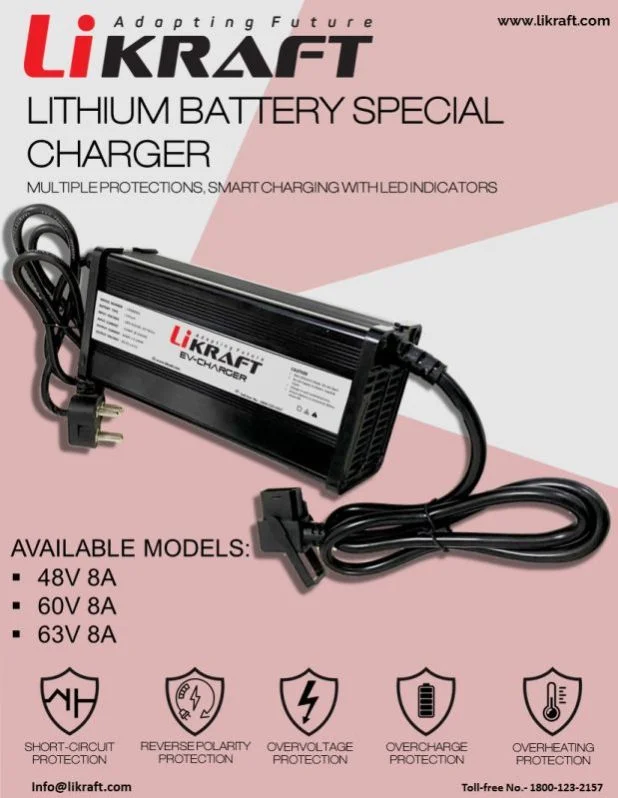
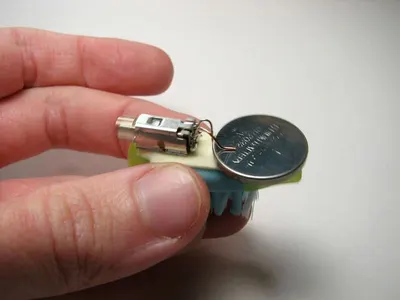
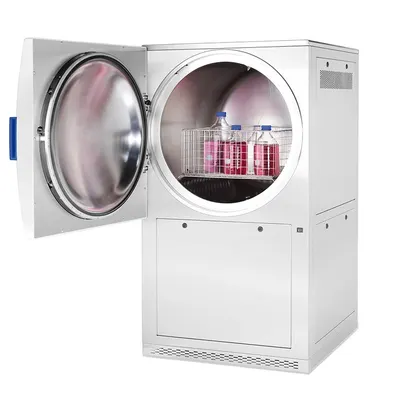
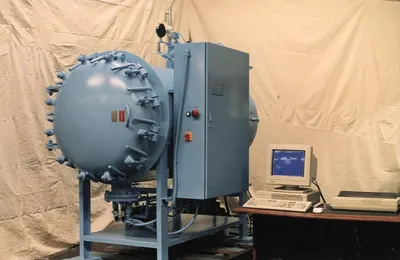
The catalogue details a button cell battery tester (HS 9030.89) built with an ABS housing and electronic components, typically offering voltage measurement ranges from 0.5 V to 3 V and accuracy better than ±0.01 V. The stainless‑steel vacuum glove box and its coated variant provide sealed workspaces often achieving vacuum levels around 10‑3 Pa and temperature control from 20 °C to 200 °C. The lithium‑ion battery electrode vacuum dryer (HS 8419.89) incorporates a stainless‑steel interior chamber with a steel shell, commonly operating up to 150 °C under vacuum for electrode moisture removal. The battery pack charger (HS 8504.40) integrates electronic‑grade components, copper wiring and an aluminum heat sink, typically delivering programmable charge voltages between 3.6 V and 4.2 V per cell with current limits up to 5 A. Supporting equipment such as the hot air dryer machine, hydraulic rolling machine and 100 mm width hot roller press are designed for material drying, rolling and lamination, with temperature ranges 50‑200 °C and rolling pressures up to 3 MPa.
In the broader industry, battery testing equipment is expected to comply with IEC 62133 and carry CE marking, while vacuum glove boxes often meet ISO 14644 cleanroom classifications and are fabricated from stainless‑steel grades 304 or 316. Lithium‑ion electrode dryers are frequently equipped with temperature uniformity of ±2 °C and vacuum monitoring in accordance with IEC 60079 for explosive atmospheres. Battery pack chargers are generally required to pass UL 60950‑1 safety tests and RoHS compliance. Laboratory hot plates are supplied with power ratings from 1 kW to 5 kW and temperature stability within ±5 °C. Roller presses for laminates typically specify roller width, pressure (0.5‑5 MPa) and surface finish tolerances, which buyers use to match production needs.
Frequently Asked Questions About Xiamen Tob New Energy Technology Co., Ltd.
What HS code applies to the Button Cell Battery Tester?
The Button Cell Battery Tester is classified under HS code 9030.89, which covers other measuring, checking, testing or analyzing instruments.
Which certifications are typically required for the Battery Pack Charger?
Importers usually request CE marking, UL 60950‑1 safety certification and RoHS compliance for electronic chargers. These documents confirm that the product meets electrical safety and hazardous substance limits.
What material is used for the interior of the Lithium Ion Battery Electrode Vacuum Dryer?
The dryer’s interior chamber is made of stainless steel, housed within a steel shell, providing corrosion resistance and temperature stability for electrode processing.
Can I obtain a sample of the Stainless Steel Vacuum Glove Box?
Buyers can ask the supplier for a sample or a video walkthrough; the glove box is fabricated from stainless‑steel, often grade 304, and may include a coating for enhanced chemical resistance.
What typical performance specs should I verify for the Hot Air Dryer Machine?
Check the temperature range (commonly 50 °C‑200 °C), airflow capacity (usually expressed in m³/h), and safety features such as over‑temperature protection. Electrical specifications should match the local voltage and frequency standards.
ChinaRelated Suppliers & Products
Explore similar suppliers, related products and trending categories