Wlt Rfid Tech Co., Ltd. — Supplier
About Wlt Rfid Tech Co., Ltd. - Electronic Cards, Card Readers Supplier in China
Wlt Rfid Tech Co., Ltd. is registered in China and currently lists seven active products in its catalogue. The company’s catalogue covers three top categories: electronic cards and card readers, labels and stickers, and general plastic items. All listed items are RFID‑enabled components that operate at standard frequencies such as 125 kHz, 13.56 MHz and UHF bands. The product set includes both blank smart cards and ready‑to‑use NFC tags. The supplier is classified under the "harbor" trust tier.
The seven products comprise a Factory PVC RFID contactless IC smart blank card, an HF 13.56 MHz NFC sticker, an UHF NFC inlay sticker/label/tag, a CMYK 13.56 MHz MIFARE Classic 1 k card, a factory‑produced PVC smart card, a TK4100 plastic PVC blank card for contactless applications, and a customized RFID wristband available at 125 kHz or 13.56 MHz. Each item is described by its material (PVC) and intended use, ranging from access‑control cards to branding stickers. The catalogue does not provide individual HS codes, but the product types fall within standard RFID hardware classifications.
Product Range and Specialties of Wlt Rfid Tech Co., Ltd.
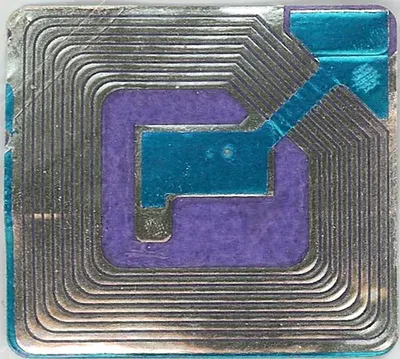
The catalogue’s electronic card items are typically manufactured from PVC or PET substrates with thicknesses between 0.5 mm and 0.8 mm. For 13.56 MHz cards, ISO/IEC 14443 Type A/B compliance and MIFARE Classic 1 k memory are common specifications, while 125 kHz cards often follow ISO/IEC 15693 or proprietary TK4100 standards. UHF stickers and inlays usually comply with ISO/IEC 18000‑6C (EPCglobal Gen2) and are printed on polyester films for durability. NFC stickers are frequently supplied with CMYK printing, a 13.56 MHz chip, and a typical read range of 2 - 8 cm. Wristbands are molded PVC items that embed either 125 kHz or 13.56 MHz chips, with standard strap widths of 20 mm and lengths of 180 mm.
Trade and Export Information - Wlt Rfid Tech Co., Ltd.
China is a major exporter of RFID components, and shipments from Chinese factories commonly use FOB Shanghai or Ningbo ports. Buyers in Europe, North America and Southeast Asia regularly import these goods for logistics, retail, access‑control and event‑management applications. The HS chapter 85 family (electronic components) and chapter 39 (plastic articles) are typical tariff classifications for RFID cards and stickers. CE marking, FCC certification and RoHS compliance are standard requirements for electronic devices entering the EU and US markets.
Export logistics for RFID cards usually involve bulk packing of 1 000 to 5 000 units per carton, with a 40‑foot container capable of holding approximately 250 000 cards depending on packaging density. Labels and stickers are often supplied on rolls of 500 m to 1 000 m length, with a typical weight of 1 kg per 500 m roll. Buyers should confirm the Incoterm (e.g., CIF Shanghai) and verify that the supplier can provide test reports such as read‑range measurements, ISO compliance certificates, and material safety data sheets.
Sourcing from Wlt Rfid Tech Co., Ltd. - Buyer Guidance
When sourcing RFID cards or stickers from this supplier, request a functional sample that demonstrates read distance at the intended frequency and verifies memory size for smart cards. Verify that the sample complies with the relevant ISO/IEC standards (e.g., 14443 for 13.56 MHz cards, 15693 for 125 kHz cards, 18000‑6C for UHF tags) and that the material matches the required durability specifications.
Ask the supplier to provide RoHS compliance certificates, CE or FCC test reports, and a material safety data sheet for the PVC substrate. Confirm packaging details such as carton quantity, dimensions and weight to calculate freight costs. For customized wristbands, ensure that the artwork file format, strap dimensions and chip frequency are clearly communicated before production.
Frequently Asked Questions About Wlt Rfid Tech Co., Ltd.
What RFID frequencies are available in the supplier’s product line?
The catalogue includes items at 125 kHz, 13.56 MHz (HF/NFC) and UHF bands (860 - 960 MHz) for stickers, inlays and wristbands.
Which memory capacity is standard for the MIFARE Classic cards listed?
The CMYK 13.56 MHz MIFARE Classic card is specified with a 1 KB (1024 bytes) memory capacity, which is typical for access‑control applications.
What material are the smart cards and stickers made from?
All listed cards and stickers are produced from PVC; wristbands use molded PVC, while UHF inlays are printed on polyester films for added durability.
What certifications should a buyer request for these RFID products?
Buyers should request RoHS compliance, CE marking for EU markets, FCC verification for US markets, and ISO/IEC test reports that correspond to the operating frequency.
How are the RFID wristbands customized?
Customization options include selection of 125 kHz or 13.56 MHz chips, strap width (commonly 20 mm), total length (typically 180 mm), and printed artwork on the PVC surface.
What is the typical packaging format for the PVC smart cards?
Cards are usually packed in cartons of 1 000 to 5 000 units, with each carton dimension around 40 cm × 30 cm × 25 cm and a total weight between 10 kg and 25 kg.
Which industries commonly import the types of RFID items listed by this supplier?
Logistics, retail inventory management, access‑control for buildings, public transportation ticketing, and event management are the primary sectors that import RFID cards, stickers and wristbands.




 , China