WIRO Trade Agency — Supplier
About WIRO Trade Agency - Petroleum By Products Supplier in Netherlands
Based in the Netherlands, WIRO Trade Agency currently lists five distinct products in its catalogue. The supplier’s portfolio spans petroleum by‑products, LPG/LNG & CNG, copper cathodes and iron ore. Each product group is identified by its trade name and, where applicable, an HS‑code family. The catalogue includes LNG and LPG, a range of American production fuels, jet‑fuel grades JP54, Jet A1, D2 and D6, copper cathodes, and iron‑ore hematite. The active product count of five reflects the individual line items rather than sub‑variants.
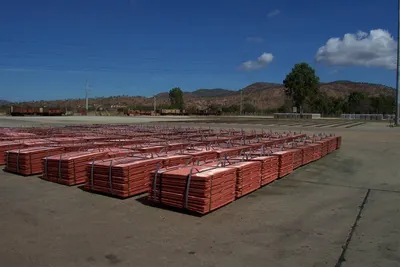
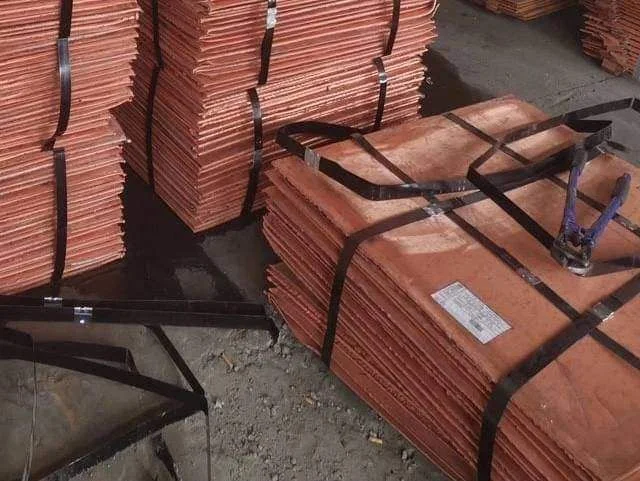
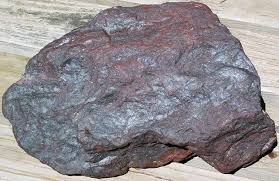
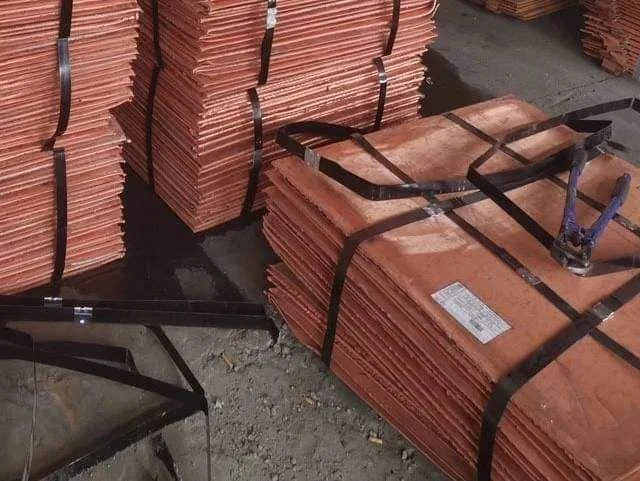
The LNG/LPG entry is presented without a specific HS code, but it falls under Chapter 27 of the Harmonized System for gases. Copper cathodes are listed with HS code 7403.11 and described as electrolytic copper with a minimum purity of 99.99 % Cu. The iron‑ore item carries HS code 2601.11 and is specified as hematite with an approximate iron content of 62 %. American production fuels and the jet‑fuel grades are grouped under petroleum products without separate HS codes in the supplied data. Together these entries illustrate the supplier’s focus on bulk commodities used in energy, metal and steel sectors.
Product Range and Specialties of WIRO Trade Agency
The catalogue’s LNG and LPG offering aligns with standard liquefied‑gas specifications such as ISO 14224 for composition and ISO 6975 for safety. Buyers typically require a heating value between 45 - 55 MJ kg⁻¹ for LNG and a defined propane‑butane ratio for LPG contracts. Copper cathodes listed under HS 7403.11 are commonly produced to ASTM B115, with a minimum copper purity of 99.99 % and low impurity levels for electrolytic applications. Iron‑ore hematite under HS 2601.11 is usually traded in lump or pellet form, with Fe content ranging from 60 to 65 % and moisture below 5 %. The jet‑fuel grades JP54, Jet A1, D2 and D6 correspond to NATO and ICAO specifications, typically requiring a flash point above 38 °C, sulfur content below 0.30 % by mass, and a cloud point suitable for the intended climate.
Trade and Export Information - WIRO Trade Agency
The Netherlands, with the Port of Rotterdam as one of the world’s largest bulk terminals, serves as a strategic gateway for exporting LNG, LPG, copper cathodes and iron ore. Exporters of liquefied gases from Europe typically ship in insulated cryogenic tanks, often under Incoterms FOB Rotterdam or CIF Europe, and buyers in Asia, the Middle East and Africa request third‑party inspections such as SGS or Intertek. Copper cathodes are usually transported in bulk shipments on ocean vessels, packed in steel containers or bales, and the primary import markets include China, the United Arab Emirates and South Korea, where the metal is further processed for wiring and electronics. Iron‑ore hematite from European ports is frequently destined for steel mills in Turkey, Italy and the United States, with HS 2601.11 cargoes subject to customs duties based on iron content and moisture levels. Petroleum fuel grades like JP54 and Jet A1 are often sold under long‑term contracts with delivery terms of FOB or CIF, and buyers commonly require certificates of analysis, fuel‑specification sheets and compliance with ISO 8217 for marine fuels. Across all categories, standard documentation includes a commercial invoice, packing list, bill of lading and, where applicable, a Certificate of Origin to benefit from preferential trade agreements.
Sourcing from WIRO Trade Agency - Buyer Guidance
When sourcing LNG or LPG from WIRO Trade Agency, buyers should request a gas quality certificate that details methane, ethane, propane and nitrogen percentages, as well as the measured heating value and pressure rating. Verification of the cargo’s compliance with ISO 6975 and the applicable local gas safety regulations helps mitigate delivery risk. For copper cathodes, request an assay report confirming 99.99 % copper purity, along with mill certification meeting ASTM B115. It is advisable to obtain a third‑party inspection report and verify that the material is free from foreign metal contaminants before shipment. Iron‑ore purchases should be accompanied by an assay indicating Fe ≈ 62 % and moisture content below 5 %, together with a sample analysis for silica and alumina to ensure compatibility with the buyer’s blast‑furnace parameters.
Frequently Asked Questions About WIRO Trade Agency
What product categories does WIRO Trade Agency list?
It lists petroleum by‑products, LPG/LNG & CNG, copper cathodes and iron ore, with specific items such as LNG, LPG, American production fuels, JP54, Jet A1, D2, D6, copper cathodes (HS 7403.11) and iron‑ore hematite (HS 2601.11).
Which HS codes are associated with the supplier’s copper and iron‑ore products?
Copper cathodes are classified under HS 7403.11 and iron‑ore hematite under HS 2601.11, as specified in the catalogue.
What purity level is specified for the copper cathodes?
The catalogue states a minimum copper purity of 99.99 % electrolytic copper.
What typical specifications should a buyer verify for LNG shipments?
Buyers should check the gas composition, heating value (45 - 55 MJ kg⁻¹), pressure rating, and request a certificate of analysis complying with ISO 6975.
Which standards are commonly applied to JP54 and Jet A1 fuel?
These aviation fuels are usually produced to NATO/ICAO specifications, requiring a flash point above 38 °C, sulfur content below 0.30 % by mass, and they often meet ISO 8217 for marine‑fuel equivalents.
What documentation is normally required for iron‑ore imports?
An assay report showing Fe content (≈ 62 %), moisture below 5 %, a Certificate of Origin, commercial invoice, packing list and bill of lading are standard.
What are typical Incoterms used for bulk shipments from the Netherlands?
Exporters often use FOB Rotterdam or CIF Europe for bulk commodities, allowing the buyer to arrange onward freight while the seller handles loading and export clearance.
How can a buyer request a sample of copper cathodes?
A buyer can ask the supplier to provide a small batch that meets the 99.99 % purity specification, accompanied by an independent assay report and mill certificate before confirming a full order.




 , Netherlands