Waltyre — Supplier
About Waltyre - Rubber Scrap Supplier in Indonesia
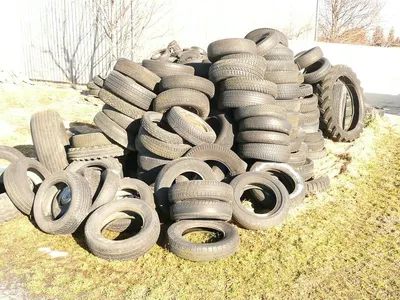
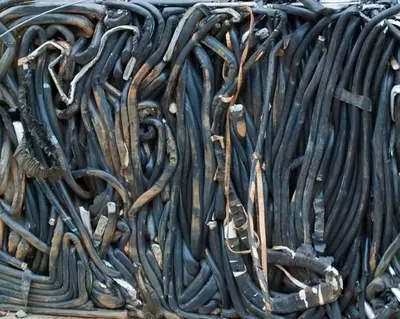
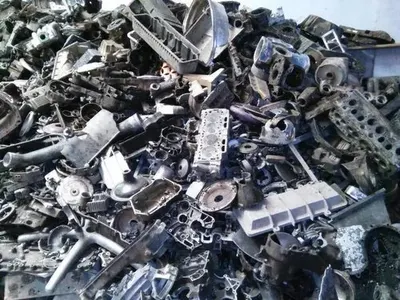
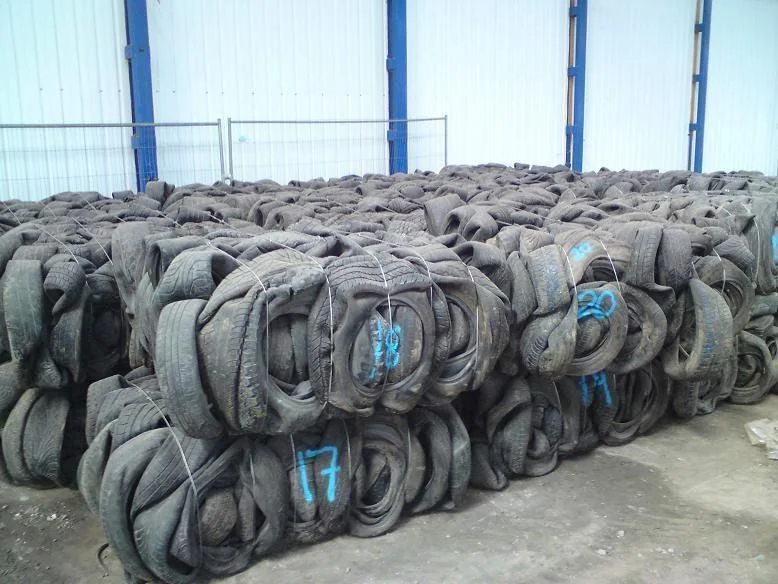
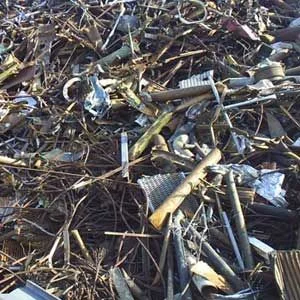
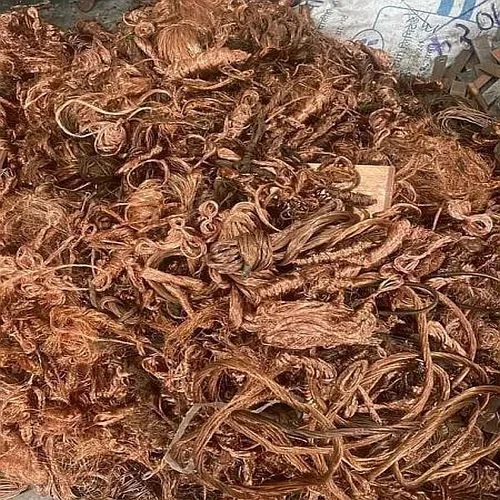
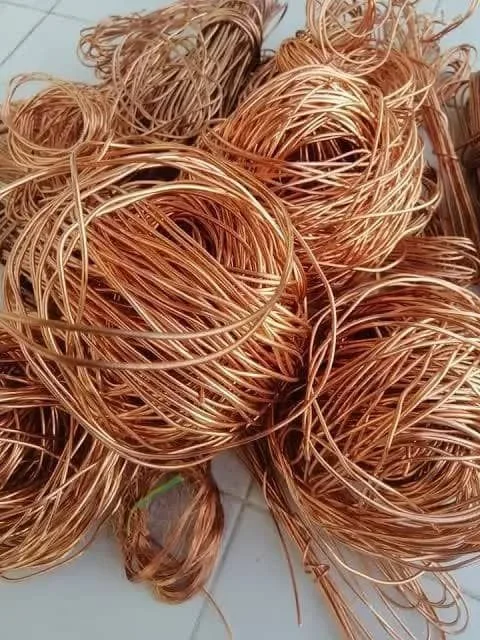
Indonesia is a major source of reclaimed rubber and metal scrap, and Waltyre operates from this export‑focused market. The supplier lists five active products that span rubber scrap, raw rubber, metal and copper wire scrap. The catalogue items are shredded tire chips sized 4‑6 inch, natural rubber SVR 3 L, aluminum alloy wheel scrap, copper wire scrap, and innertube scrap from used tyres. These goods are classified under HS chapter 40 for rubber products and chapter 73 for metal scrap, which are the standard customs headings used worldwide. Waltyre is recorded as an imported tier with a harbor trust tier in the platform data.
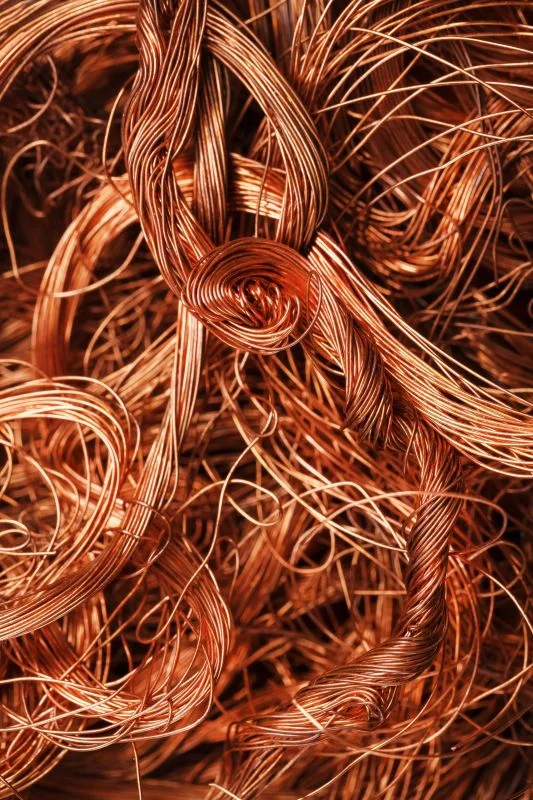
The five‑item portfolio combines secondary rubber materials with ferrous and non‑ferrous metal residues. Shredded tire chips are typically re‑granulated for new tyre compounds, while natural rubber SVR 3 L corresponds to a standard grade used in tyre and industrial rubber formulations. Aluminum alloy wheel scrap provides a source of high‑grade aluminium alloy feedstock for remelting, and copper wire scrap is a common source of reclaimed conductive material. Innertube scrap is processed into crumb rubber for flooring, sports surfaces and other applications. The range reflects the typical export listings of Indonesian recyclers targeting downstream manufacturers in Asia, Europe and North America.
Product Range and Specialties of Waltyre
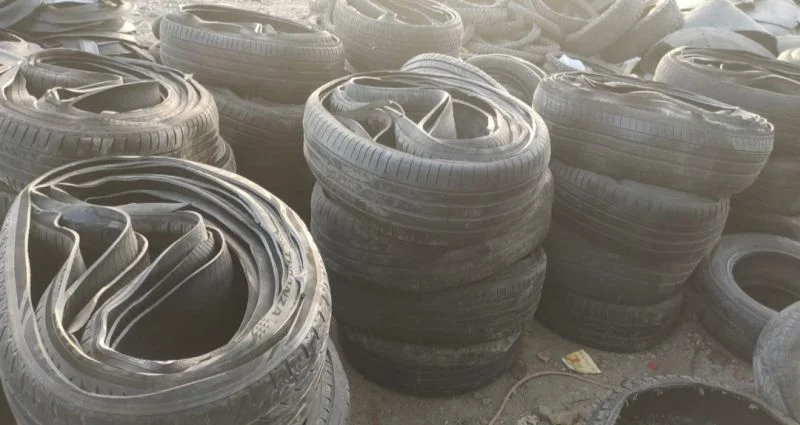
Waltyre’s catalogue includes shredded tire chips (4‑6 inch), natural rubber SVR 3 L, aluminum alloy wheel scrap, copper wire scrap and innertube scrap. In the rubber‑scrap market, shredded chips of this size are usually screened to a particle size distribution of 4‑6 inch, have moisture below 5 % and ash content under 2 %, meeting specifications such as ISO 9001 for consistency. Natural rubber SVR 3 L is a standard grade defined by ASTM D2084 with Mooney viscosity around 45 MU and purity above 70 % dry rubber. Aluminum alloy wheel scrap is typically an alloy series 6000‑7000, with aluminium content above 90 % and copper, magnesium and silicon as alloying elements; it is sold in 20 ft containers with a density of roughly 2.7 t/m³. Copper wire scrap is classified as Grade 1 or Grade 2, with copper purity of 95‑99 % and a typical tensile strength of 200‑300 MPa. Innertube scrap is processed into crumb rubber of particle size 0.5‑4 mm, moisture under 4 % and ash under 1 %, suitable for flooring and sports‑field applications. These specifications represent the common industry benchmarks that buyers reference when evaluating Indonesian scrap supplies.
Trade and Export Information - Waltyre
Indonesia is among the world’s largest exporters of rubber and metal scrap, with shipments primarily destined for China, the European Union, the United States and Southeast Asian manufacturing hubs. Rubber scrap (HS 4001‑4003) and metal scrap (HS 7308‑7312) are subject to customs inspection for contamination, moisture and metal content, and buyers often require compliance with REACH, RoHS or ISO‑9001 quality systems. Typical export contracts use FOB or CIF terms, with cargo packed in wooden crates or bulk containers that meet ISPM 15 phytosanitary standards for wood packaging. Shipping volumes are usually organized in 20 ft or 40 ft containers, allowing 18‑22 metric tonnes of shredded tire chips or 15‑18 tonnes of metal scrap per container. Indonesian exporters commonly provide a Material Test Report, a Certificate of Origin and, where requested, a compliance declaration for heavy‑metal limits under EU regulations.
Sourcing from Waltyre - Buyer Guidance
When sourcing from Waltyre, buyers should request a recent Material Test Report that details moisture, ash, rubber or metal purity, particle size distribution and any heavy‑metal analysis. Samples of shredded tire chips and innertube crumb are typically supplied in 25 kg bags, while metal scrap samples are provided as 5 kg pieces for laboratory verification. Verify that the supplier can furnish a Certificate of Origin and, if required by the destination market, a REACH or RoHS compliance statement. Standard minimum order quantities for bulk scrap range from 15 metric tonnes for rubber chips to 10 metric tonnes for metal scrap, with lead times of 30‑45 days after order confirmation. Ensure that packaging meets ISPM 15 standards and that the chosen Incoterm (FOB or CIF) aligns with the buyer’s logistics plan.
Frequently Asked Questions About Waltyre
What rubber products does Waltyre list in its catalogue?
Waltyre lists shredded tire chips sized 4‑6 inch, natural rubber SVR 3 L and innertube scrap from used tyres, all classified under HS chapter 40 for rubber products.
Which metal scrap items are offered by Waltyre?
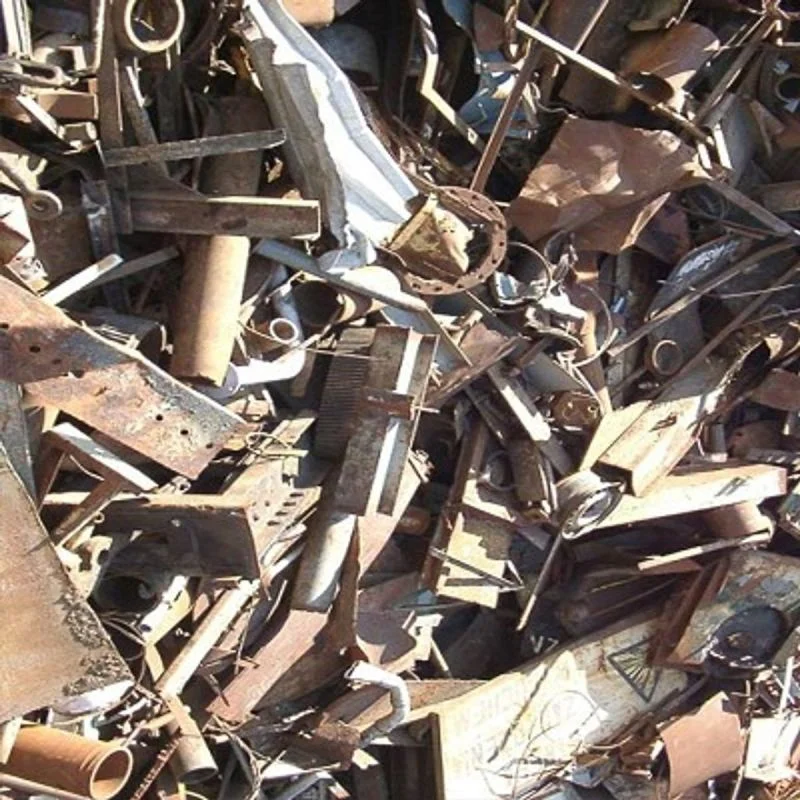
The supplier offers aluminum alloy wheel scrap and copper wire scrap, both falling under HS chapter 73 for metal and metal products.
What typical specifications should a buyer check for shredded tire chips?
Buyers usually verify particle size (4‑6 inch), moisture content below 5 %, ash content under 2 % and a Material Test Report confirming these parameters.
How is natural rubber SVR 3 L graded in the industry?
SVR 3 L conforms to ASTM D2084, with Mooney viscosity around 45 MU, dry rubber purity above 70 % and standard tensile strength for tyre compound use.
What certifications are commonly required for Indonesian rubber and metal scrap imports?
Importers often request ISO 9001 quality system certification, REACH compliance for chemical safety and, for wood packaging, ISPM 15 phytosanitary certification.
What are typical container sizes and loading capacities for Waltyre’s scrap shipments?
Shredded tire chips and metal scrap are usually loaded into 20 ft or 40 ft containers, with 18‑22 metric tonnes of rubber chips or 15‑18 metric tonnes of metal scrap per container.
What documentation should a buyer obtain before finalizing an order?
Buyers should obtain a Material Test Report, Certificate of Origin and, where applicable, REACH or RoHS compliance statements, along with the commercial invoice and packing list.
What are common payment and shipping terms used for Indonesian scrap exports?
Export contracts typically use FOB or CIF Incoterms, with payment terms ranging from T/T in advance to letter of credit, depending on the buyer’s risk management preferences.




 , Indonesia